



Antique Aesthetic Sofa
An antique aesthetic sofa brings the refined taste of the late nineteenth century into your sitting room with dark woods and rich textiles.
Antique Aesthetic Sofa
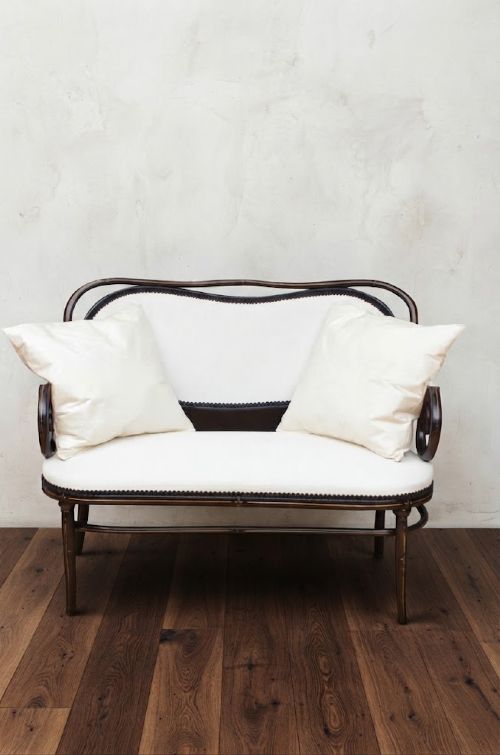
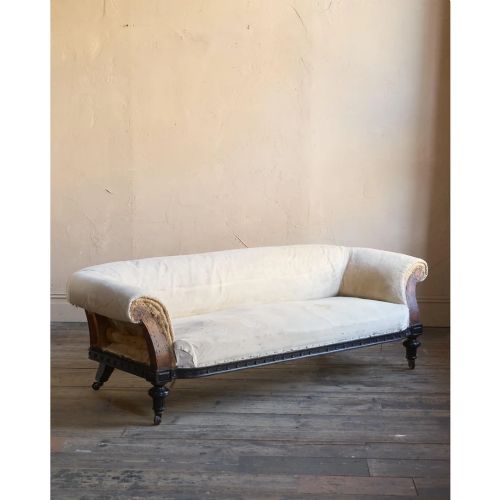
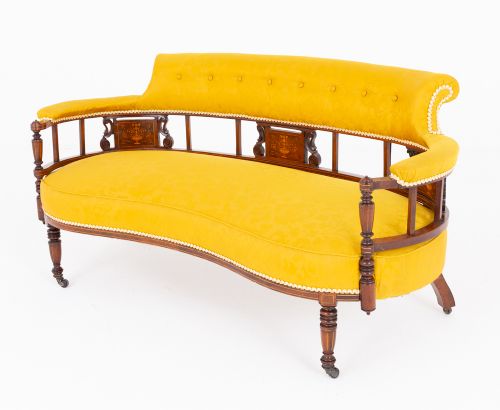
An antique aesthetic sofa is a piece of furniture embodying the artistic reform of the late nineteenth century, predominantly appearing from the Victorian period around eighteen eighty and nineteen hundred. These seating forms often take shape as ebonised settees or substantial Chesterfield designs decorated with velvet and elaborate upholstery fabric.
The aesthetic movement rejected heavy Victorian ornamentation in favour of disciplined forms and rich surfaces, which you see on this page through ebonised beech wood and mahogany frames. Alongside settees, the selection incorporates occasional tables and console tables sharing the same dark finishes and brass details.
You are most likely to encounter compact ebonised settees or larger upholstered sofas bearing the hallmarks of the aesthetic period. These pieces demonstrate the era's fascination with artistic expression through restrained woodwork and tactile coverings.
Materials and construction
Makers utilised dense timbers like mahogany, walnut, and rosewood, alongside beech wood treated with ebonised finishes to mimic more costly exotic woods. These dark frames provided a deliberate contrast to the rich velvet and patterned upholstery fabric applied to the seats and backs.
Detailing often incorporated turned or bent components, brass fittings, and ceramic elements reflecting the period's interest in diverse design influences. Traditional joinery secured these frameworks, ensuring the longevity of the settees and supporting heavy textile coverings.
Antique Aesthetic Sofa Retail Price Guide 2026
Typical asking prices for aesthetic sofa among the pieces listed under this phrase on Sellingantiques today, from the lower quarter to the upper quarter. They describe what is for sale here now, not the wider market.
Listings feature items from the nineteenth century, including the specific years eighteen eighty, eighteen ninety, and nineteen hundred, alongside the Victorian period.
Assessing quality
Quality rests in the execution of the ebonised finish and the integrity of the underlying timber framework, whether mahogany, walnut, or beech. Superior examples maintain crisp turning on the woodwork and uncompromised structural stability in the legs and frame.
The upholstery work and the choice of textile, such as original velvet or specialised fabric, contribute significantly to the standard of a piece. Finer items exhibit careful attention to detail in the trimmings and the preservation of original decorative elements.
Thonet·Liberty and Co·Jas / James Shoolbred·Howard and Sons
The Antique Aesthetic Sofa Glossary
- Aesthetic Movement
- A late nineteenth century design movement prioritising visual beauty over moral or narrative purpose in art and furniture. It embraced dark ebonised woods and simple, refined lines.
- Ebonised
- Wood treated with a dark stain or finish to imitate ebony. This dark surface was a defining characteristic of aesthetic period furniture.
- Settee
- A small upholstered sofa or bench with a back and arms. These seating forms were common in nineteenth century drawing rooms.
- Chesterfield
- A large upholstered sofa with deep buttoning and rolled arms of equal height to the back. In an aesthetic context, these featured specific period fabrics.
Antique Aesthetic Sofa: Frequently Asked Questions
What is an aesthetic sofa?
An aesthetic sofa is a nineteenth century seating piece designed during the aesthetic movement, which favoured artistic styling over standard Victorian heaviness.
These sofas typically feature ebonised wood frames and rich upholstery fabrics like velvet, reflecting the period's pursuit of interior elegance.
How do I date these sofas?
Dating relies on examining the combination of materials, construction methods, and stylistic cues present in the piece. Pieces from this era generally point to the late nineteenth century, around eighteen eighty to nineteen hundred.
Makers' marks or specific structural characteristics can also help narrow down the production period.
Where should I place a settee?
A compact ebonised settee suits a drawing room, hallway, or a bedroom where floor space is limited yet visual impact is desired. Their dark frames and rich textiles anchor a room's decorative scheme.
Position them away from direct sunlight to protect delicate velvet and fabric upholstery from fading.
How do I clean ebonised wood?
Ebonised wood requires gentle dusting with a soft, dry cloth to prevent scratching the dark finish. Avoid modern chemical polishes that can build up a residue and dull the surface over time.
For deeper cleaning, consult a specialist who understands nineteenth century furniture finishes.