

Antique Aesthetic Furniture
Antique aesthetic furniture brings together ebonised wood, bamboo and adventurous Anglo-Japanese lines to transform domestic interiors.
Antique Aesthetic Furniture
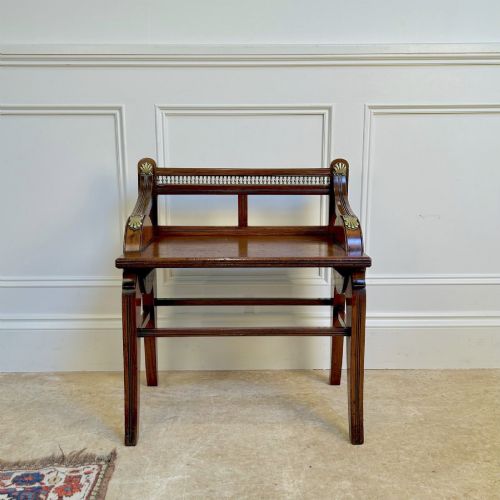
Antique aesthetic furniture spans the late nineteenth century, taking shape through tables, cabinets, desks and seating designed to challenge Victorian heaviness. Buyers encounter ebonised wood and bamboo forms reflecting an intense fascination with Japanese design.
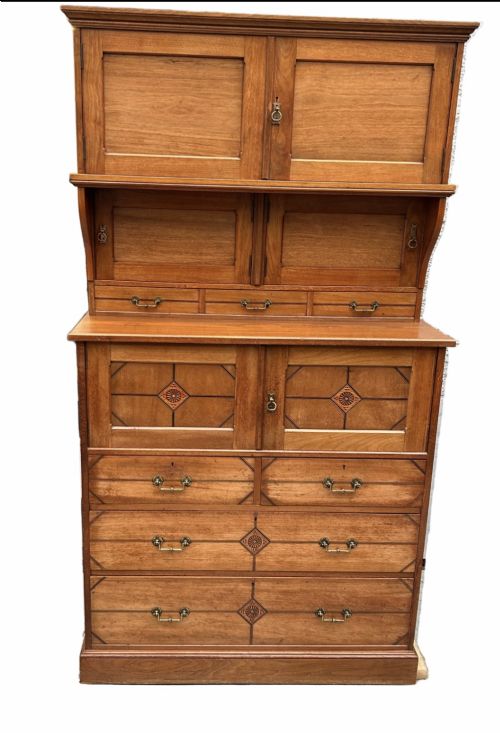
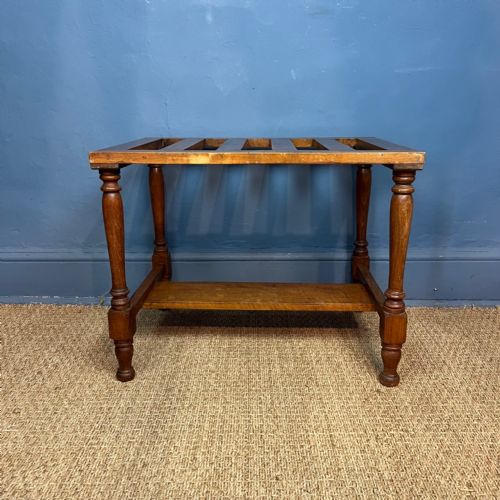
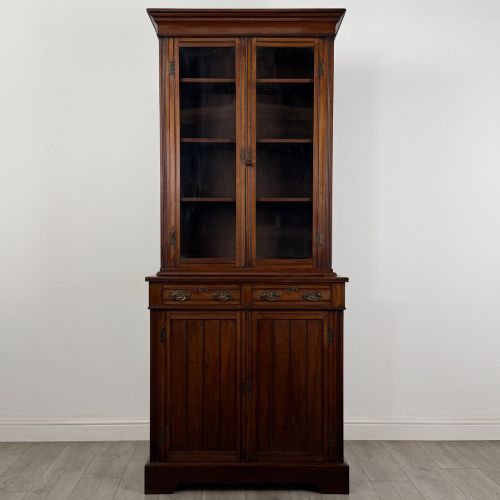
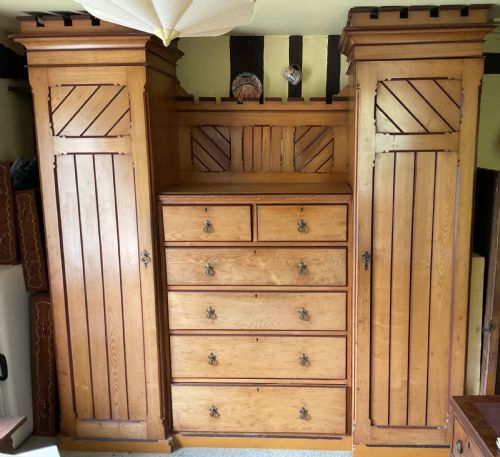
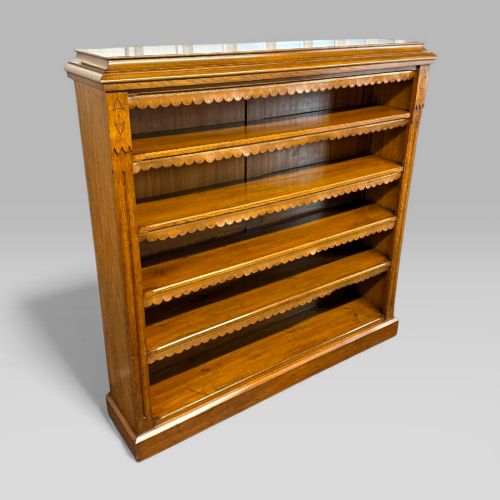
The material palette moves from golden oak and walnut to lacquer and rattan, often expressed in side tables, hall stands and bedroom suites. Pieces range from modest occasional tables to substantial glazed cabinets and partners desks.
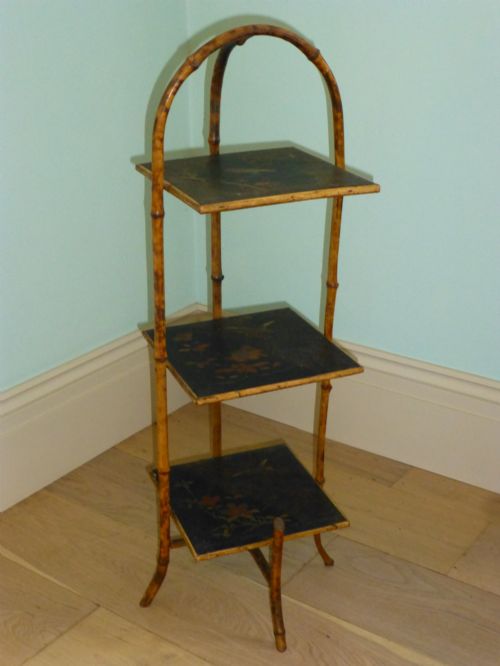
Origins stretch across English workshops and French makers, capturing the eclectic spirit of the period through occasional tables, armchairs and Canterbury magazine racks.
How they were made
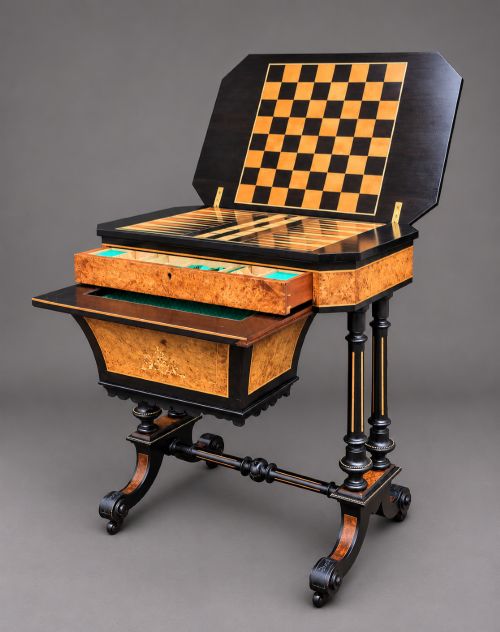
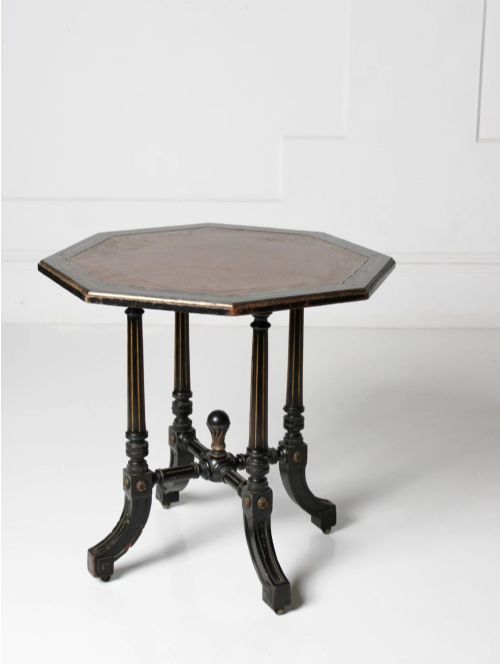
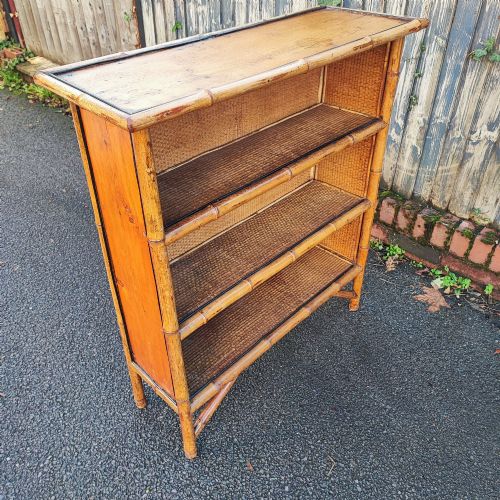
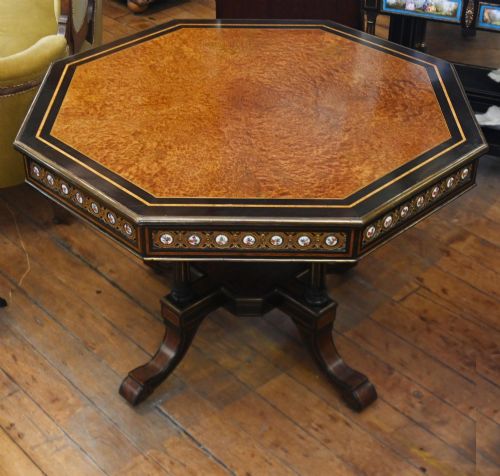
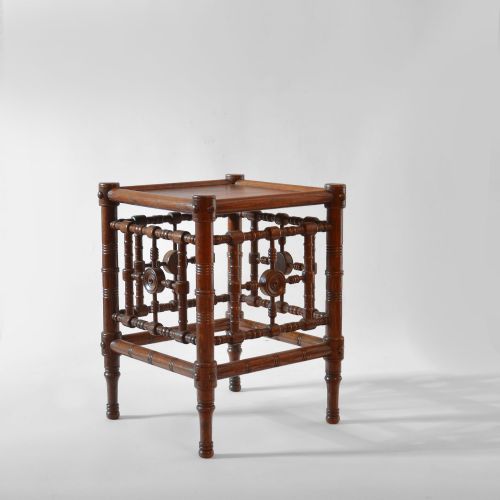
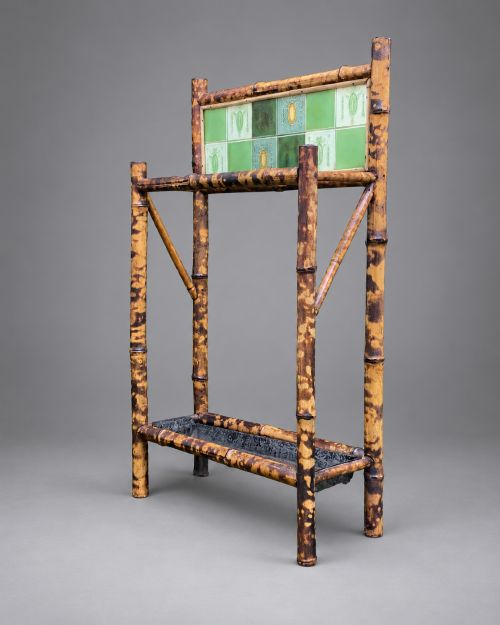
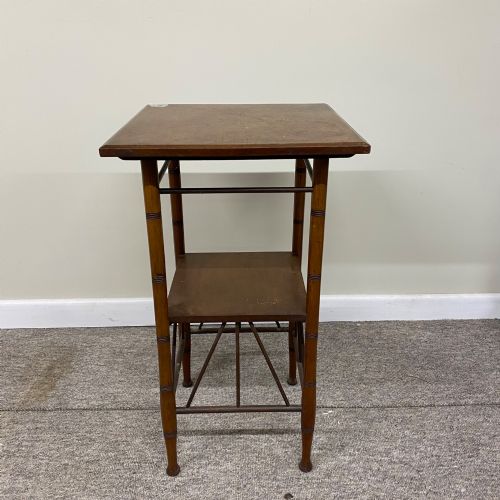
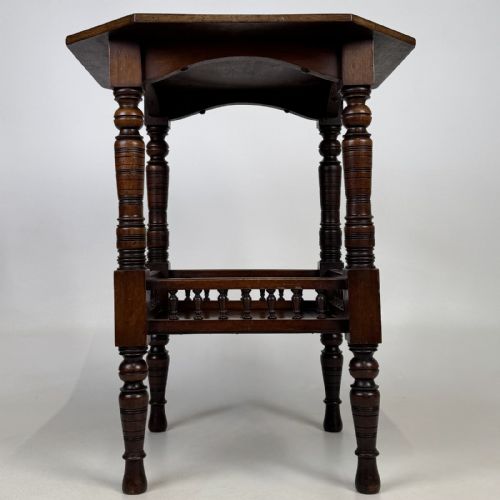
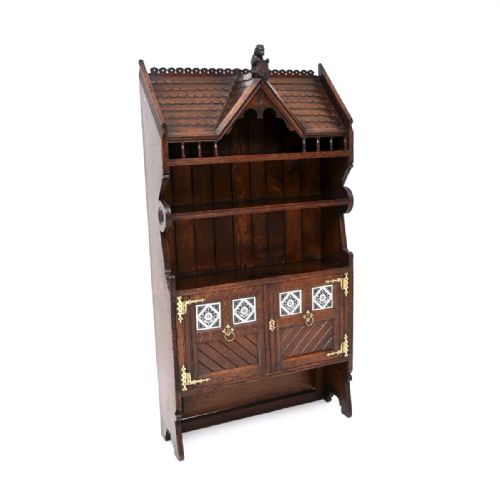
Makers utilised ebonised wood, walnut and pollard oak, often pairing dark surfaces with parcel gilding or subtle inlay. Bamboo and turned faux bamboo formed the structure of tables, chairs and washstands, bringing organic texture into the interior.
Joinery combined traditional cabinet-making with lighter framing, supporting cane seating, mirrored panels and marble tops. Lacquerwork and painted details drew directly on imported Japanese aesthetics.
Antique Aesthetic Furniture Retail Price Guide 2026
Typical asking prices for aesthetic furniture among the pieces listed under this phrase on Sellingantiques today, from the lower quarter to the upper quarter. They describe what is for sale here now, not the wider market.
Materials recorded across current items include brass, bamboo, glass, walnut, lacquer and rattan.
What varies in quality
Design ambition separates standard commercial production from pieces carrying the stamp of notable makers and designers. The precision of ebonising, the integrity of bamboo frames and the quality of brass hardware define the upper tier.
Subtlety of proportion and the execution of carved or inlaid details distinguish ambitious cabinet-making from simple mass production.
John Moyr Smith·James Shoolbred·E.W Godwin·Hindley and Sons·Waring & Gillows·Druce & Co·Lamb of Manchester·Liberty and Co
The Antique Aesthetic Furniture Glossary
- Ebonised wood
- Timber stained or painted to imitate dense, black ebony. This finish was widely applied to fruitwood and walnut to achieve high-contrast decorative effects.
- Anglo-Japanese
- A design style fusing British construction with Japanese decorative motifs. It dominated late nineteenth-century interiors through asymmetry and flattened perspective.
- Faux bamboo
- Turned wood painted or carved to resemble natural bamboo. It allowed makers to achieve an exotic aesthetic using sturdy domestic hardwoods.
- Canterbury
- A low stand featuring vertical partitions, originally built for sheet music and later used for newspapers and magazines. These containers often utilised bamboo or ebonised timber.
- Parcel gilded
- Partially covered with thin gold leaf or gilt paint. This technique highlighted specific carved details against dark ebonised surfaces.
- Japonisme
- The Western study and imitation of Japanese art and aesthetics. It influenced furniture design through simplified forms and natural motifs.
Antique Aesthetic Furniture: Frequently Asked Questions
What defines antique aesthetic furniture?
These pieces reject heavy Victorian styling in favour of simpler lines, dark ebonised finishes and distinct Japanese influences. They draw on diverse materials including bamboo, walnut and brass.
Designers sought beauty for its own sake, creating functional items like side tables, cabinets and hall stands that prioritized artistic arrangement over rigid historical convention.
How do I identify faux bamboo pieces?
Makers turned timber to replicate the characteristic jointed nodes of natural bamboo before applying paint or lacquer. Birch and maple often served as the base woods for these items.
Examining the surface reveals whether the texture is carved wood or actual plant material, though both appear frequently across bedroom suites and dressing cabinets.
Where should I place these pieces at home?
An occasional table or bamboo Canterbury works well in a sitting room to introduce varied texture and dark silhouettes. Compact cabinets and wall mirrors fit comfortably into narrower hallways.
The distinct finishes pair naturally with both period interiors and modern spaces seeking a touch of nineteenth-century eclecticism.
Are these items suitable for daily use?
Sturdy construction in oak, walnut and ebonised timber ensures these tables, desks and chairs remain functional for everyday living. Cane seats and bamboo frames simply require sensible care to avoid strain.
Partners desks and sideboards offer practical storage and workspace while retaining their original decorative character.