






Antique Advertising Counter
An antique advertising counter brings trade names and retail history directly into a room through glazed display cases and painted signs.
Antique Advertising Counter
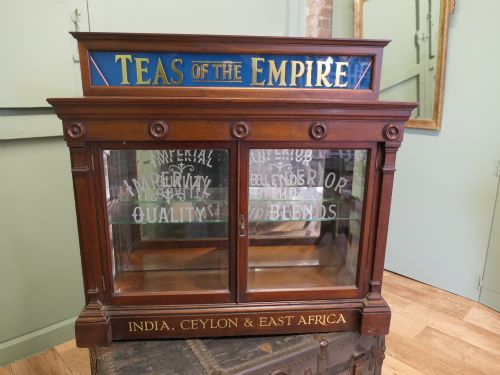
An antique advertising counter encompasses shop display cabinets, glazed cases, and brand-marked units built to showcase goods in Victorian and Edwardian retail spaces. Buyers seek these pieces for their direct connection to historic commerce, featuring branded names like Cadbury, Fry, and Rowntree.
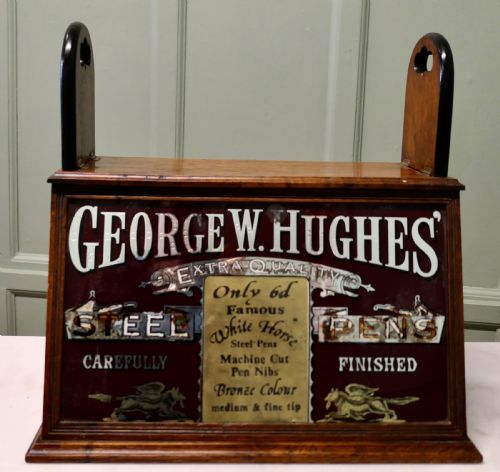
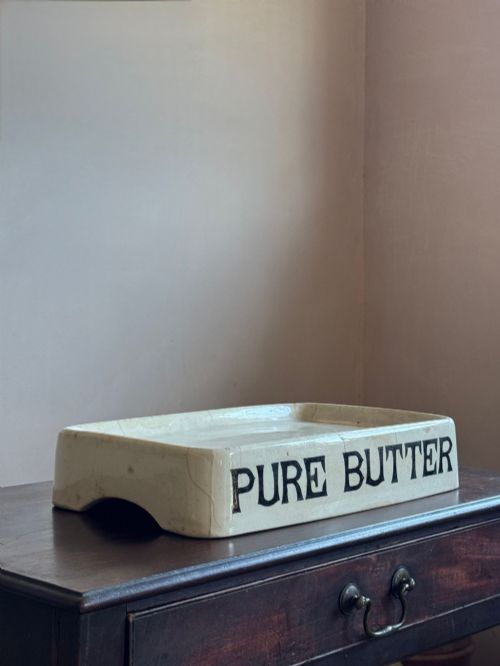
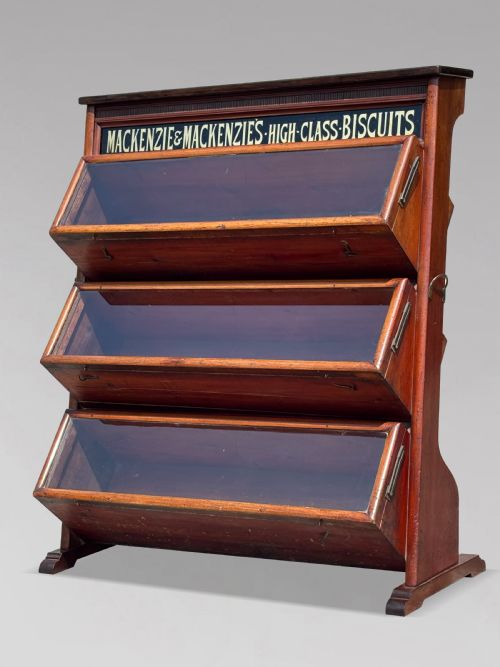
The selection here ranges from nineteenth-century mahogany shop display pen cabinets and grocers slabs to 1930s interwar commercial sweet shop cabinets and mechanical dispensing units. Common forms include desktop cabinets, hanging signs, and upright countertop display units.
Origins stretch from Victorian and Edwardian periods through the 1920s and 1930s, alongside French lingerie mannequins and American walnut showcases. Most examples function as countertop display cases designed to hold confectionery, tobacco, writing materials, and soap.
Materials and construction methods
Maker construction relies heavily on timber framing using mahogany, oak, walnut, and general hardwood paired with glass viewing panes. Metal and brass elements often reinforce the cabinetry, while plaster forms shape specialised display figures.
Surface treatments incorporate gold leaf lettering, hand-painted details, and sign-written decoration to display commercial brand names clearly. Polished wood finishes protect the grain across Victorian and Edwardian cabinetry.
Antique Advertising Counter Retail Price Guide 2026
Typical asking prices for advertising counter among the pieces listed under this phrase on Sellingantiques today, from the lower quarter to the upper quarter. They describe what is for sale here now, not the wider market.
The listings span from the 1850s through the 1930s, incorporating oak, mahogany, glass, and brass.
Factors that separate examples
Quality differences emerge through the clarity and survival of original sign-written decoration, where intact maker lettering on glass or wood holds greater commercial provenance than later additions. The integrity of original glazing and timber framing marks the distinction between standard utility boxes and fine retail display pieces.
The complexity of the mechanism or cabinet type also shifts the standing of a piece, separating simple glazed boxes from mechanical dispensing units and specialised mechanical soap cabinets. Superior joinery in hardwoods like mahogany and walnut distinguishes better workshop execution.
The Antique Advertising Counter Glossary
- Countertop display cabinet
- A glazed showcase built to sit upon a shop counter for customer browsing. These units typically feature timber frames and glass panels.
- Sign-written decoration
- Hand-painted lettering applied to glass, wood, or metal to advertise commercial brands. This technique identifies the product line associated with the shop.
- Mechanical dispensing unit
- A specialised retail cabinet equipped with a mechanism to release product upon purchase. These pieces combine cabinetry with functional dispensing hardware.
- Grocers slab
- A flat display tile or plate utilised in food shops for branding and product presentation. They frequently feature baked or painted lettering naming specific provisions.
- Galleried side table
- A low table fitted with a raised decorative rim around the top edge to prevent items from sliding off. This form appears in Victorian retail and domestic settings.
Antique Advertising Counter: Frequently Asked Questions
What did these counters hold?
These counters held retail goods such as chocolate, tobacco, sewing cottons, stationery, and soap. Shopkeepers used them to keep stock visible and secure on the sales floor.
Branded cabinets promoted specific makers directly to customers waiting at the counter. The interior shelving accommodated small packaged items ready for immediate purchase.
How do I date an advertising cabinet?
Dating relies on timber choices, construction techniques, and the typographic style of the painted lettering. Victorian and Edwardian pieces often use solid mahogany or oak with hand-cut joints.
Later 1930s interwar commercial pieces introduce different hardware and Art Deco stylistic elements. Sign-writing styles also shift from ornate nineteenth-century lettering to cleaner twentieth-century branding.
Are the signs on these cabinets original?
Some cabinets retain their original sign-written decoration applied during the period of manufacture, while others feature later sign-written decoration. Examining the wear around the lettering helps distinguish period applications from subsequent updates.
Both original and later decorated pieces served commercial purposes in period shops. Collectors assess the harmony between the cabinet age and the painted branding.
Where were these display cabinets used?
These cabinets operated in Victorian and Edwardian grocery shops, stationers, chemists, and tea rooms. Merchants placed them on counters where customers transacted business.
Specialised units served specific trades, including watchmakers, butchers, and haberdasheries. Their compact footprint maximised retail display space in busy commercial interiors.