






Antique 800 Silver
These pieces of antique 800 silver offer continental craftsmanship spanning utility and display, from novelty cruets to decorative table settings.
Antique 800 Silver
When you search for antique 800 silver, you encounter items shaped from continental standard silver holding slightly less pure metal content than British sterling. The selection here leans heavily towards European production, particularly German and Italian workshops working across the late nineteenth and mid-twentieth centuries.
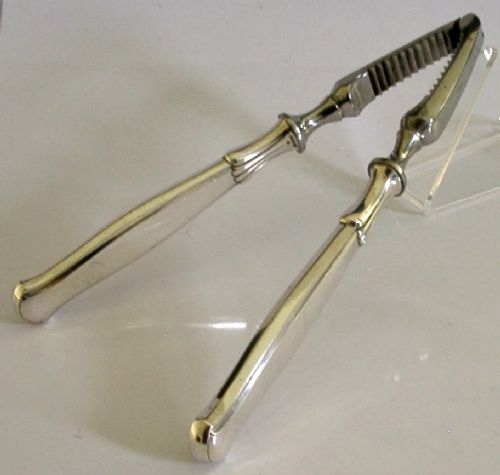
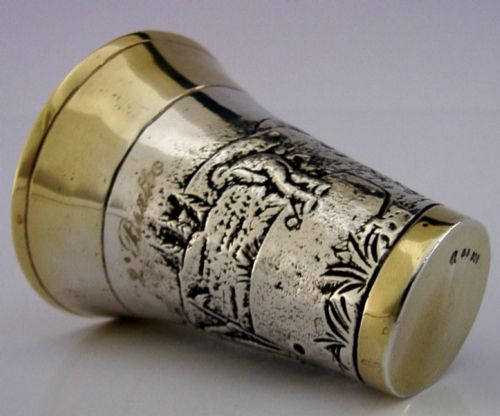
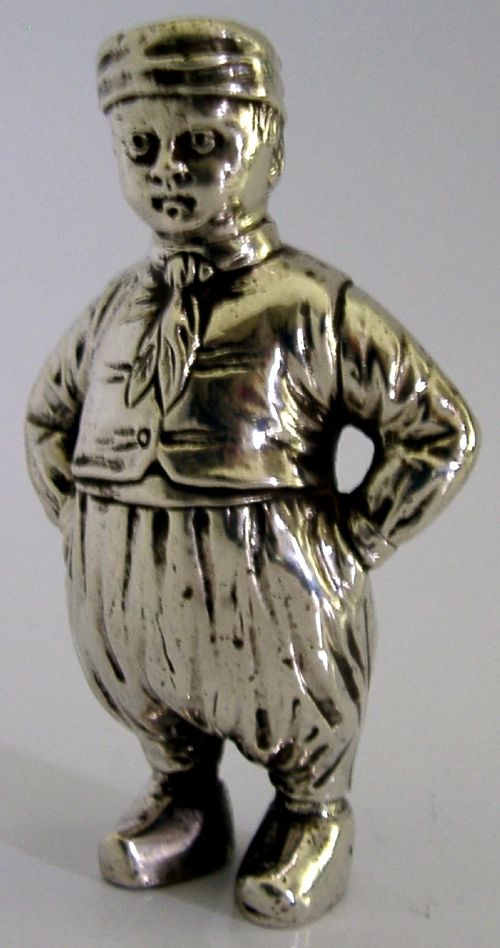
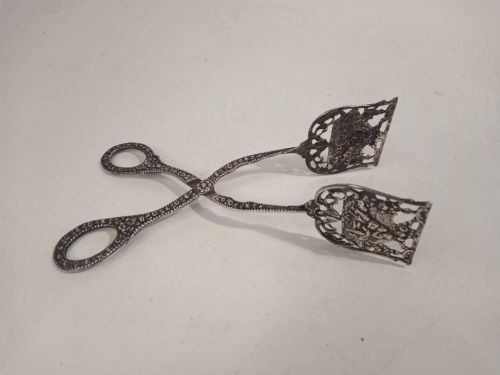
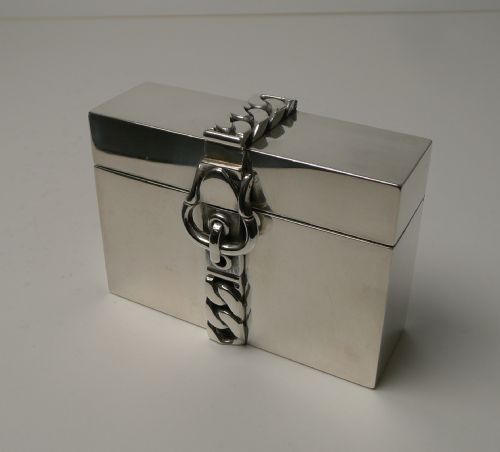
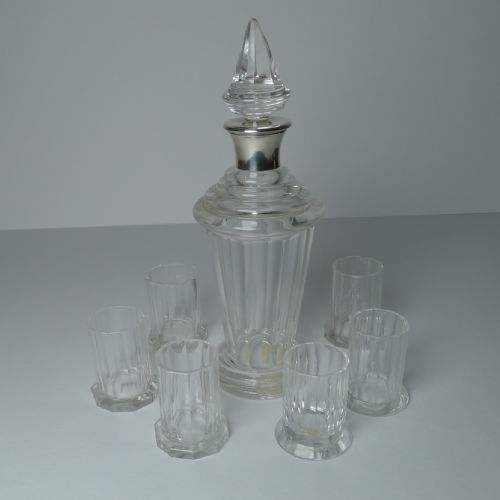
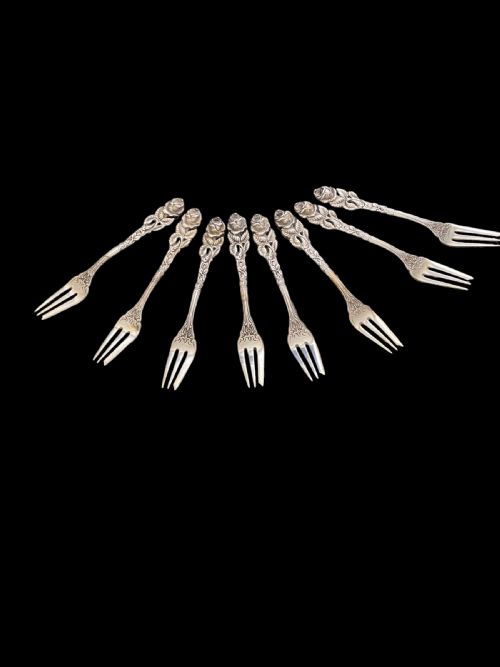
The forms vary widely between domestic utility and decorative display. You find barware, small boxes, powder compacts, and tableware such as nutcrackers, beaker cups, and pepper pots.
Continental items frequently display distinct regional styles, including German historicism, Jugendstil, and mid-century Italian design. These pieces served functional roles in European households while incorporating ornamental relief work, enamel, or glass.
How they were made
Silversmiths utilised 800 silver alloy alongside materials like steel for functional implements, parcel-gilt finishes, and vitreous enamel. Many items combine metal with contrasting substances such as cobalt blue glass inserts or Moser glass bodies.
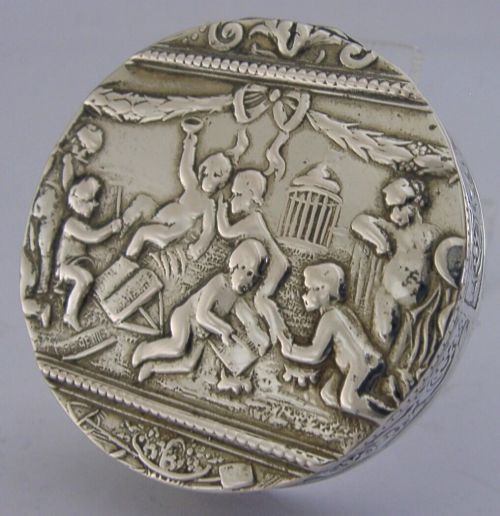
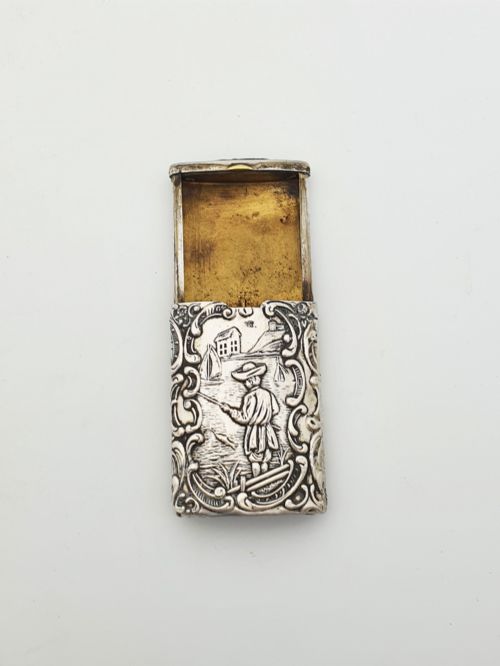
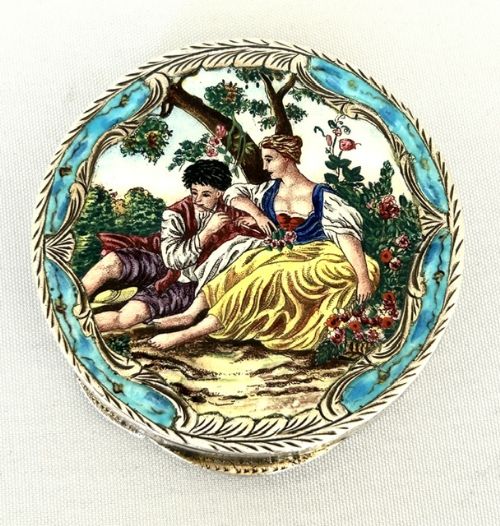
Techniques range from hand chasing and figural repoussé work to detailed enamel painting and glass sleeving. Artisans employed stamping, casting, and delicate filigree to achieve the ornate floral motifs and scenic reliefs seen on vestas and compacts.
Antique 800 Silver Retail Price Guide 2026
Typical asking prices for 800 silver among the pieces listed under this phrase on Sellingantiques today, from the lower quarter to the upper quarter. They describe what is for sale here now, not the wider market.
Listings feature items spanning the Edwardian era through the mid-twentieth century, including German historicism and mid-century Italian styles.
What varies in quality
The distinction between standard production and superior examples lies in the crispness of the chased detail and the preservation of secondary materials like enamel and glass. Pieces featuring complex figural scenes or specialised maker attribution demonstrate greater artistry than plain utilitarian vessels.
Integrity of construction matters significantly, particularly where silver sleeves meet glass bodies or where moving parts on compacts and nutcrackers function. Well-preserved gilding and undamaged vitreous enamel elevate a piece above worn counterparts.
Giuliano Spinelli Florence·Gioielleria Agliardi Cassino
The Antique 800 Silver Glossary
- 800 Silver
- A silver alloy containing 80 parts pure silver per 100 parts total weight, widely used as a standard for continental European silverware.
- Vermeil
- Sterling or continental silver coated with a thin layer of gold, adding a warm yellow tone to the interior or exterior of vessels.
- Vitreous Enamel
- Glass fused to the surface of metal through high-temperature firing, creating smooth coloured decoration on compacts and decorative items.
- Repoussé
- A metalworking technique where the smith pushes the design out from the reverse side to create raised relief patterns on the front.
- Jugendstil
- The continental German-language variant of Art Nouveau, characterised by flowing organic lines and stylised natural forms.
- Parcel-Gilt
- An object where only specific portions are gilded with gold while the remaining silver surfaces retain their natural metallic finish.
Antique 800 Silver: Frequently Asked Questions
What is 800 silver?
It is a continental silver standard containing eighty percent pure silver, which was widely adopted across Europe for decorative and domestic items.
This standard differs slightly from British sterling silver, which contains ninety-two and a half percent pure silver.
Are these items marked?
Many continental pieces feature standard silver purity stamps indicating the 800 designation alongside maker marks or workshop initials.
These small stamps help identify the country of origin and occasionally the specific silversmith responsible for the creation.
How were these items used?
They served various domestic and personal roles, from dining table accessories like pepper pots and nutcrackers to personal items like compacts and vesta cases.
Wealthier European households utilised these decorative silver pieces daily for dining, grooming, and entertaining guests.