
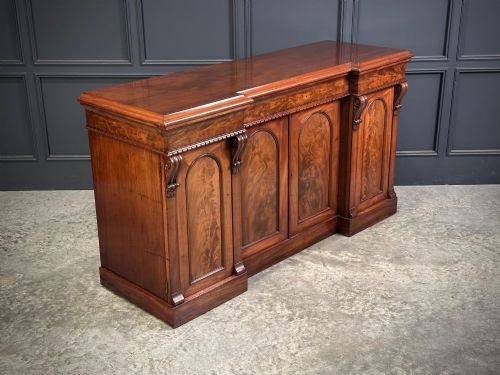
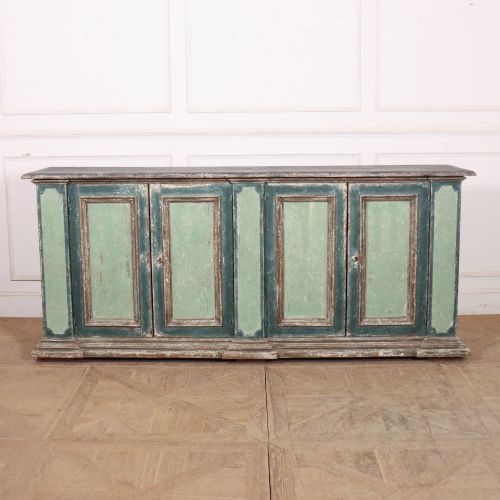


Antique 4 Door Sideboard
An antique 4 door sideboard offers substantial dining room storage through substantial timber construction and generous proportions.
Antique 4 Door Sideboard
An antique 4 door sideboard provides large-scale storage for dining rooms, typically encountered in Victorian flame mahogany or later oak forms. These pieces anchor a room with their length and provide heavy cupboards for tableware and linens.
The phrase brings up substantial timber furniture dating from the nineteenth and early twentieth centuries, spanning periods from William IV through to Edwardian and Cotswold School designs. Buyers look for these items to serve as principal storage units in period dining rooms or large hallways.
While many related forms appear with two or three doors, the four-door configuration delivers maximum internal capacity across multiple compartments. Examples range from breakfront layouts to polished flame mahogany carcasses fitted with internal shelving.
How they were made
Cabinet makers constructed these sideboards using solid timbers such as mahogany, oak, and walnut, often applying figured veneers to large flat surfaces like drawer fronts and doors. Carcasses relied on traditional joinery techniques to support the heavy weight of timber tops and internal shelves.
Decorative elements included applied brass mounts, ormolu details, and carved panels, particularly in Victorian and Regency examples. Pine and softer woods served for internal carcases and backing boards, while exterior display surfaces utilised rich grains of rosewood and burr walnut.
The inventory records related forms including chiffoniers, breakfront dresser bases, and glazed top cupboards utilising pine, padouk, and rosewood.
What varies in quality
Quality rests upon the choice of timber figure, such as flame mahogany or burr walnut, and how symmetrically the grain is matched across the four doors. Superior examples display continuous, carefully selected veneers that wrap evenly across the entire frontage.
Construction standards appear in the thickness of the secondary timbers, the precision of the dovetails in the internal drawers, and the integration of heavy stone or marble tops where fitted. Finer pieces maintain original mountings, locks, and polished finishes that reflect meticulous workshop execution.
The Antique 4 Door Sideboard Glossary
- Breakfront
- A cabinet design where the central section projects forward from the flanking outer cupboards. This layout creates depth and visual variety across large sideboards.
- Flame mahogany
- A veneer cut from timber fork joints that produces a distinctive flickering flame pattern. Cabinet makers prize this grain for formal nineteenth-century facades.
- Chiffonier
- A compact sideboard or low cabinet typically fitted with drawers above enclosed shelves. Many Victorian iterations include a raised back shelf supported by scroll brackets.
- Ormolu
- Gilt bronze mounts applied to furniture for decorative enrichment. These metallic ornaments appear frequently on high-status Victorian and Regency pieces.
- Burr walnut
- Timber harvested from tree growths that yield swirling, knotty grain patterns. This material forms highly decorative surfaces on late nineteenth-century salon cabinets.
Antique 4 Door Sideboard: Frequently Asked Questions
Where should I place a four door sideboard?
These large pieces suit spacious dining rooms or wide hallways where their extended length grounds the interior scheme. They require adequate wall space to ensure the four doors open fully without obstruction.
Positioning them away from direct heat sources protects the polished timber and delicate veneers from drying out or splitting over time.
How do I clean and maintain the wood?
Dust the surfaces regularly with a soft, dry cloth to prevent grit accumulation on the polished finish. Avoid using modern silicone sprays or harsh chemical cleaners that can damage historic polishes.
Apply a traditional beeswax polish sparingly once or twice a year to nourish the timber and maintain a deep, natural lustre.
What can I store inside them?
The deep internal compartments and fixed or adjustable shelving accommodate heavy ceramic dinner services, glassware, and table linens. Their robust construction supports heavy items without sagging the internal structure.
Avoid overloading the drawers with excessive weight to preserve the nineteenth-century dovetail joints and wooden runners.
How do I identify a Victorian sideboard?
Victorian examples often feature dark, heavily figured timbers like flame mahogany or burr walnut, accompanied by deep mouldings and substantial panelled doors. They frequently exhibit rich, dark patination built up over generations of use.
Examining the secondary woods inside, such as oak or pine, helps confirm the period construction methods used by nineteenth-century workshops.