




Antique 18k Pendant
An antique 18k pendant brings wearable art from the Victorian, Edwardian, and Art Deco eras directly to the neckline.
Antique 18k Pendant
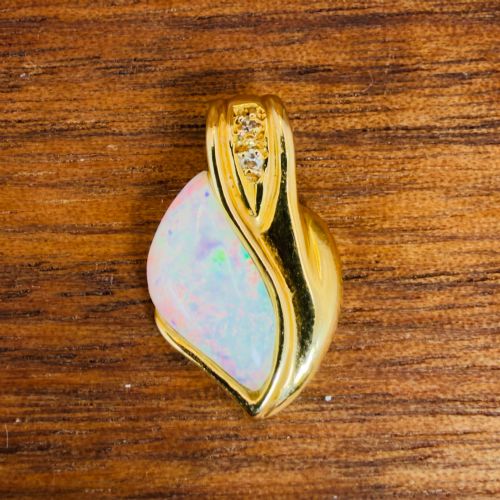
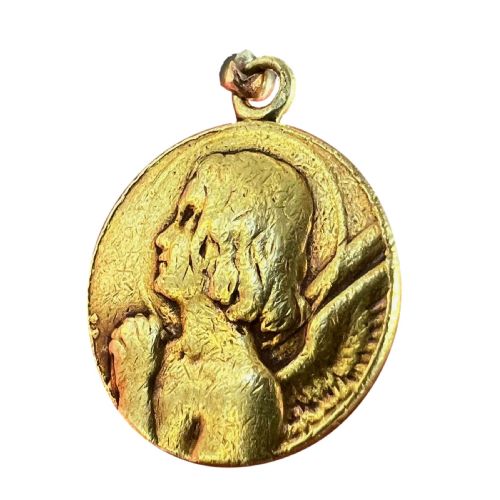
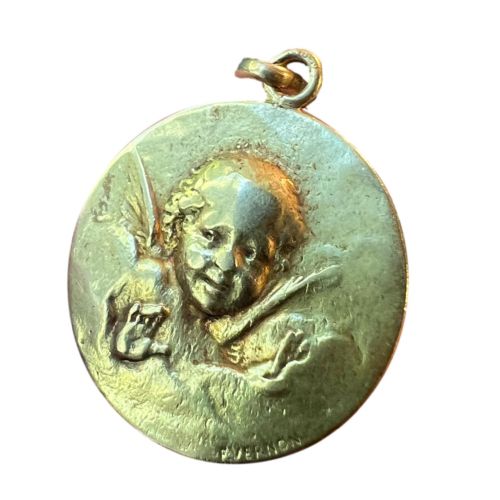
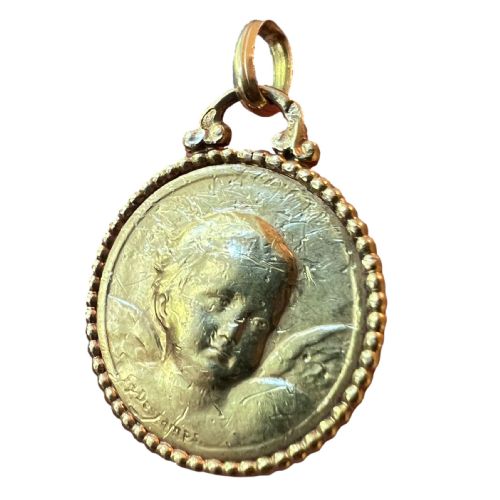
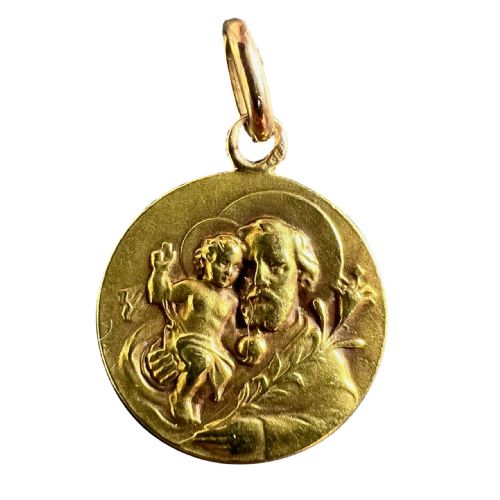
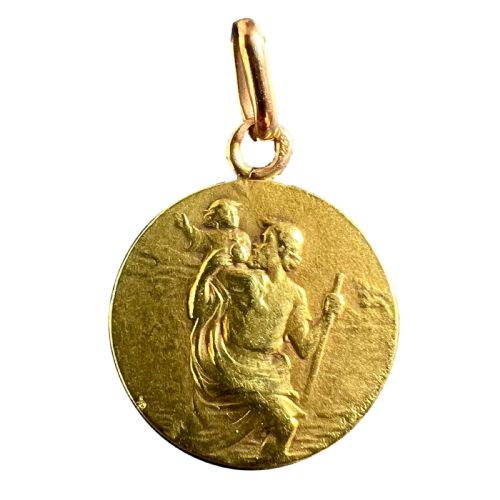
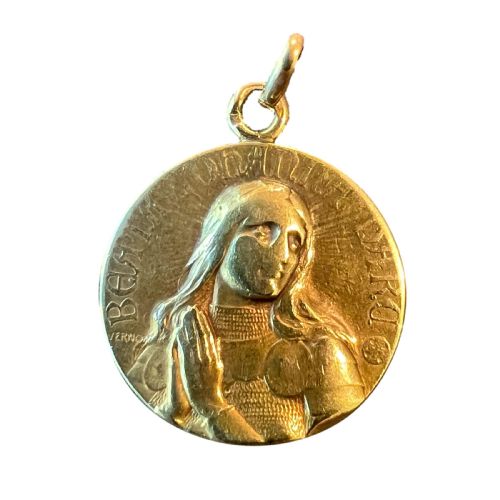
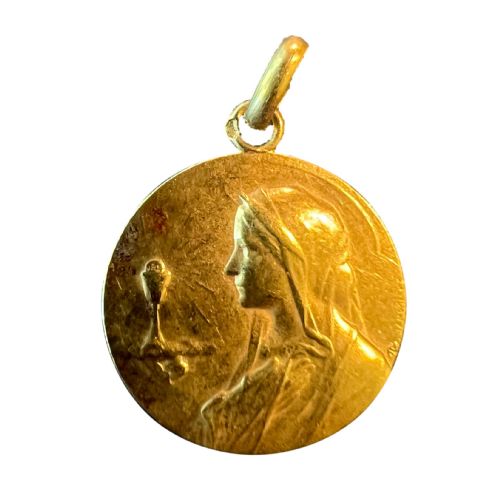
When you search for an antique 18k pendant, you encounter a curated selection of gold jewellery spanning the 18th century, Victorian period, Edwardian years, and the Art Deco movement. These pieces include religious medals, devotional charms, lockets, and drops originating largely from French workshops.
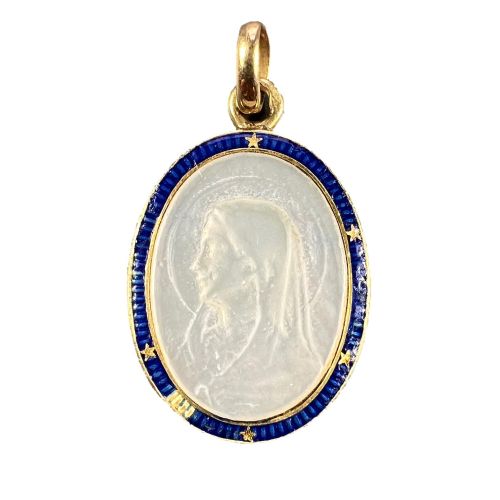
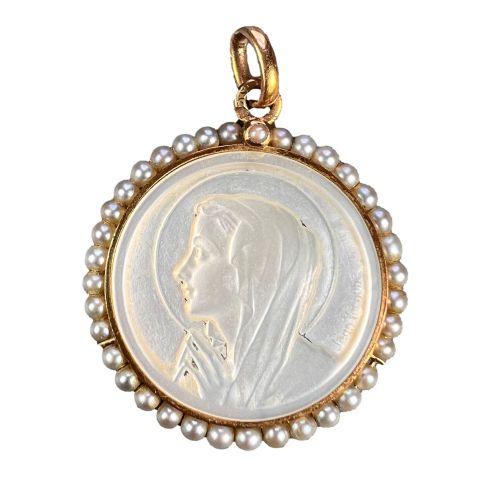
The most common examples on this page are French religious medals cast in high-karat gold, frequently depicting the Virgin Mary, Madonna and Child, or patron saints. These devotional items often incorporate delicate enamel work, seed pearls, and mother of pearl elements.
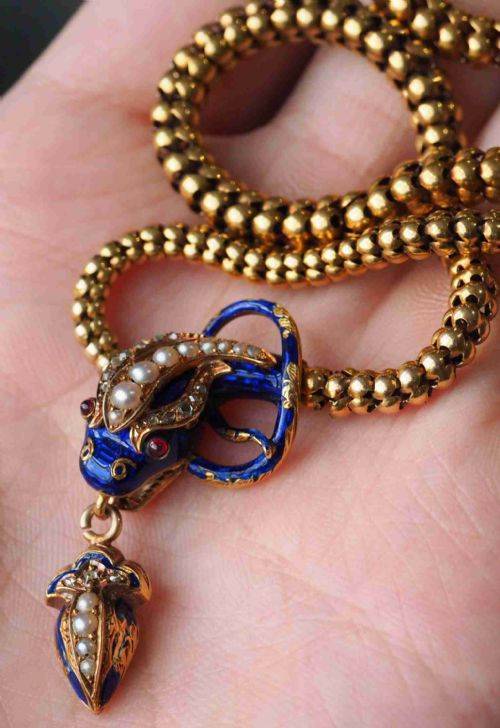
Alongside devotional pieces, the category encompasses secular designs such as snake serpent necklaces, lover's knots, lucky clovers, and citrine witch's hearts. Styles range from organic Art Nouveau motifs to geometric Art Deco shapes and ornate Victorian revivalism.
Materials and Techniques
Makers utilised 18ct yellow gold, rose gold, and occasionally platinum as the primary structural metal for these pendants. This high-karat gold provides a rich, warm tone and sufficient malleability for intricate hand-engraving and twisted wire frames.
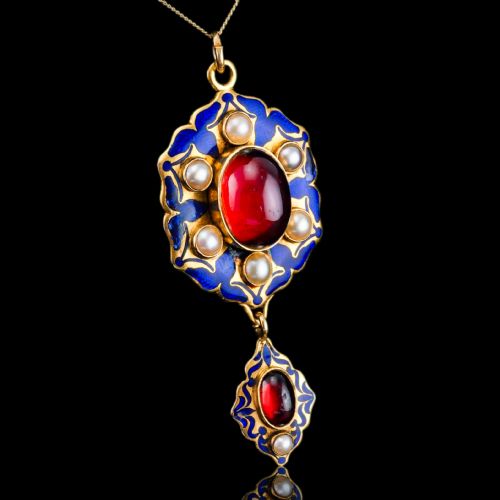
Decorative surface techniques define much of the visual interest, particularly plique-a-jour enamel which creates stained-glass effects without a backing metal. Craftsmen also integrated seed pearls, diamonds, garnets, aquamarines, and carved mother of pearl panels into the gold settings.
Antique 18k Pendant Retail Price Guide 2026
Typical asking prices for 18k pendant among the pieces listed under this phrase on Sellingantiques today, from the lower quarter to the upper quarter. They describe what is for sale here now, not the wider market.
Listings feature items from the 18th century, Victorian period, Edwardian era, 1910, 1920, and 1930 in yellow gold, rose gold, enamel, pearl, and diamond.
Assessing Quality
The distinction between standard examples and superior pieces rests on the complexity of the goldsmithing and the precision of the artisan's hand. Signed medals by known medallists demonstrate a sculptural depth in the facial expressions and drapery that unsigned mass-produced items lack.
Preservation of delicate enamel work and the integrity of tiny seed pearl settings dictate the overall desirability of a pendant. Pieces retaining crisp engraving marks on the reverse and intact translucent enamel display superior craftsmanship from the workshop.
Emile Monier·Paul Brandt·Mazzoni·Pageli Perriat·Emile Dropsy·Guilbert·Rasumny·Sellier·Tairac·Ovide Yencesse
The Antique 18k Pendant Glossary
- Plique-a-jour
- Enamelling technique where enamel is applied to open cells without a backing, allowing light to shine through the transparent colour much like stained glass.
- Holbeinesque
- A Victorian revival style inspired by 16th-century Tudor designs, characterised by heavy geometric goldwork set with table-cut gemstones and dangling pearls.
- Medal
- A flat metal disc stamped or cast with religious imagery, portraits, or commemorative symbols, often worn as a pendant.
- Witch's heart
- A talismanic pendant shape featuring an asymmetric, twisted heart symbol associated with romance and protection.
- Seed pearl
- Very small natural or cultured pearls, commonly threaded or seed-set into floral and devotional jewellery during the Victorian and Edwardian periods.
Antique 18k Pendant: Frequently Asked Questions
How were antique French medals used?
Antique French medals served primarily as devotional items worn close to the heart for spiritual protection and daily prayer. Citizens wore them on chains as personal expressions of faith.
Over time, many of these religious medals transitioned into cherished secular ornaments, appreciated today for their detailed miniature sculptures and historical associations.
How do I care for antique enamel jewellery?
Antique enamel jewellery requires careful handling because glass-based enamels can chip or crack under physical impact. Store these pendants individually in soft pouches away from harder metals.
Clean them gently with a dry or slightly damp soft cloth, avoiding harsh chemical dips, ultrasonic cleaners, and prolonged immersion in water that might damage pearls or gold settings.
How do I distinguish Edwardian from Victorian pendants?
Victorian pendants generally display heavier, more robust goldwork with sentimental motifs like snakes, garnet clusters, and deep hand-engraving. They reflect the romantic and revivalist sentiments of the nineteenth century.
Edwardian pieces shift towards lighter, airier constructions incorporating platinum, seed pearls, and plique-a-jour enamel, favouring lace-like aesthetics and brighter stone settings.