



Antiquarian Leather Books
Antiquarian leather books hold centuries of thought and design, offering a tangible connection to historical literature through period bindings and traditional materials.
Antiquarian Leather Books
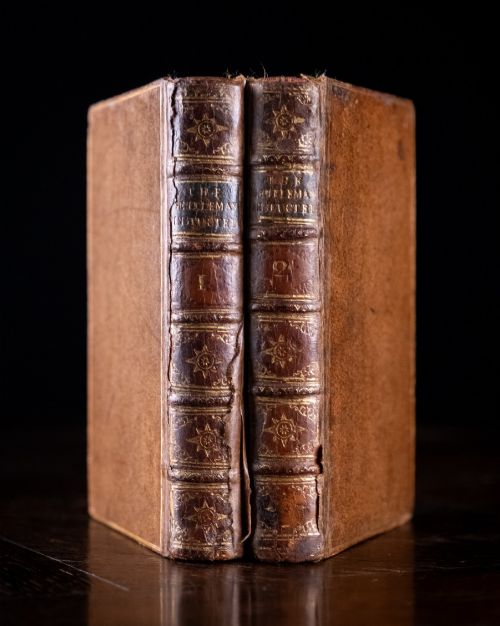
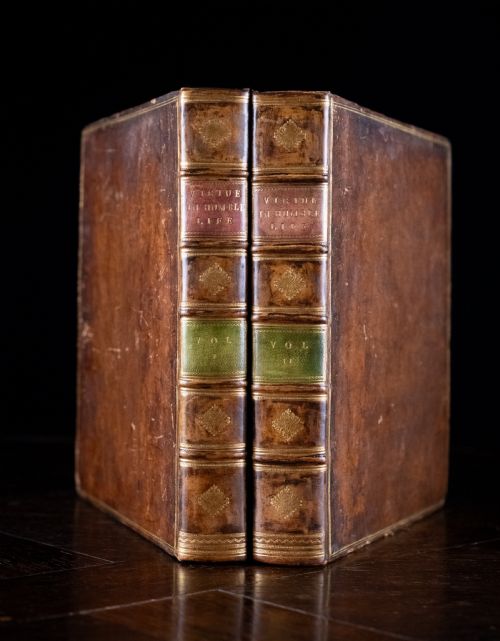
Antiquarian leather books encompass volumes originating from the seventeenth century through to the Edwardian era, featuring works ranging from poetry and plays to historical reference sets. You will regularly encounter multi-volume sets alongside single editions, spanning genres like philosophy, biography, and literature.
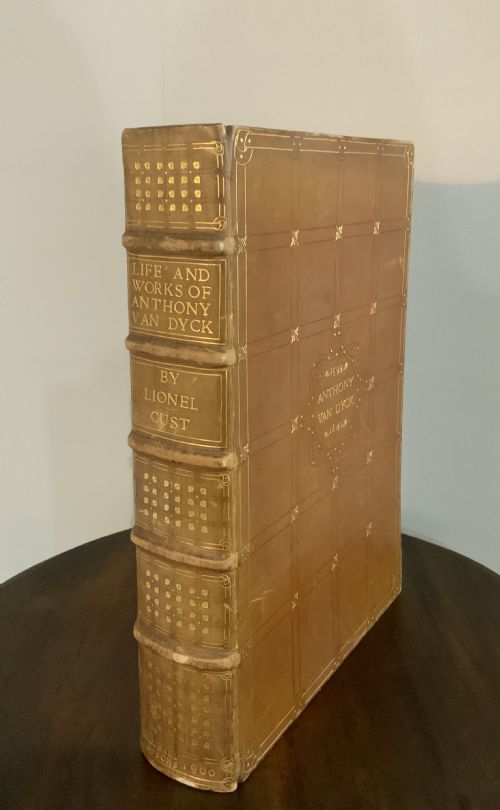
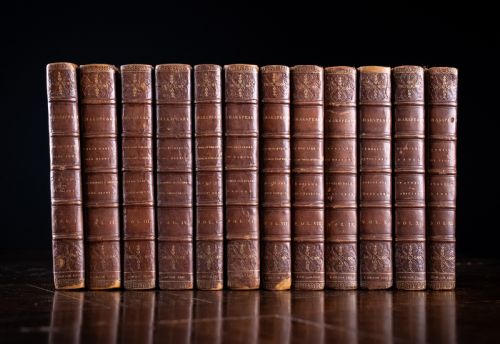
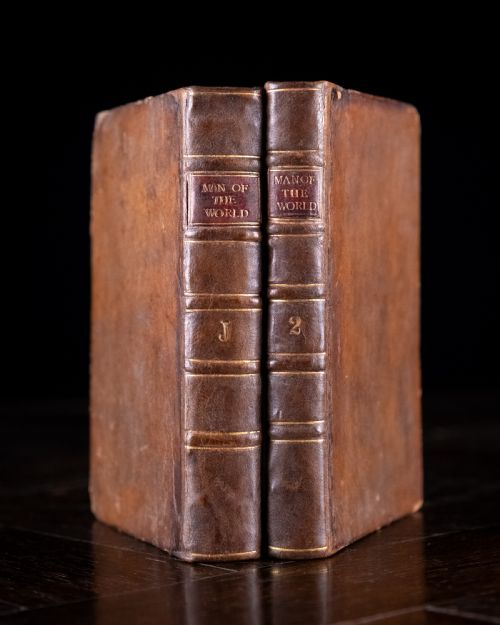
The selections on this page bridge multiple design movements, displaying Georgian, Regency, and Victorian aesthetics across various formats. These range from substantial multi-volume county histories and Shakespearean collections down to pocket-sized miniature books.
The physical objects combine literature with period craftsmanship, presenting uniform bindings alongside individual volumes marked by their publishing era. Each item carries the distinct typographic and binding conventions of its respective century.
Materials and Craftsmanship
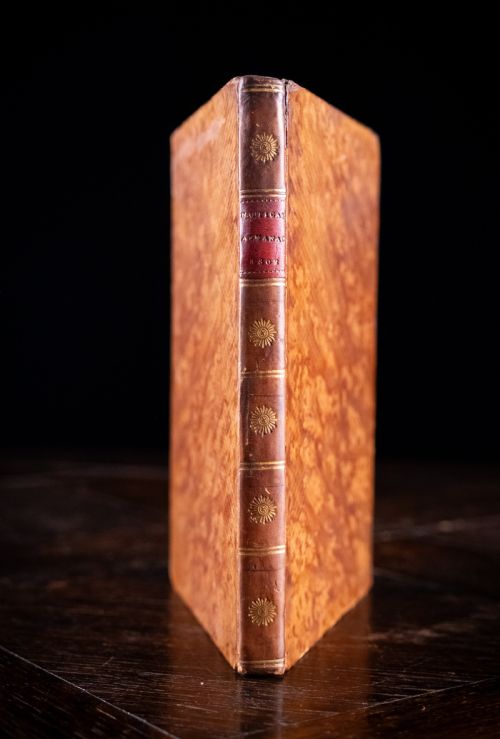
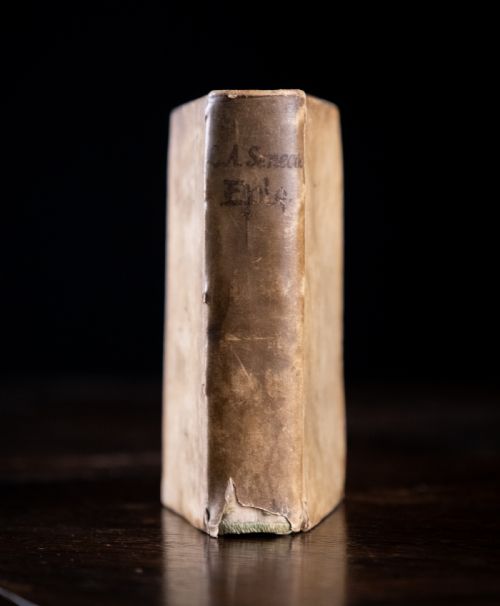
Binders utilised durable natural materials, predominantly covering boards in calfskin leather or vellum alongside marbled paper endpapers. These substances were selected for longevity, protecting the interior paper text blocks from excessive wear.
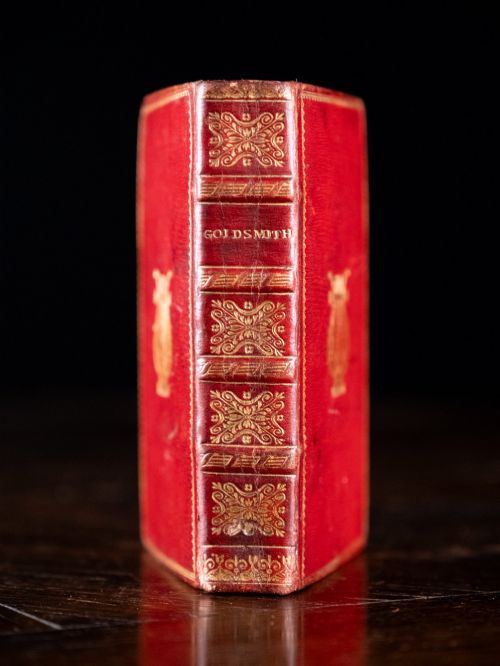
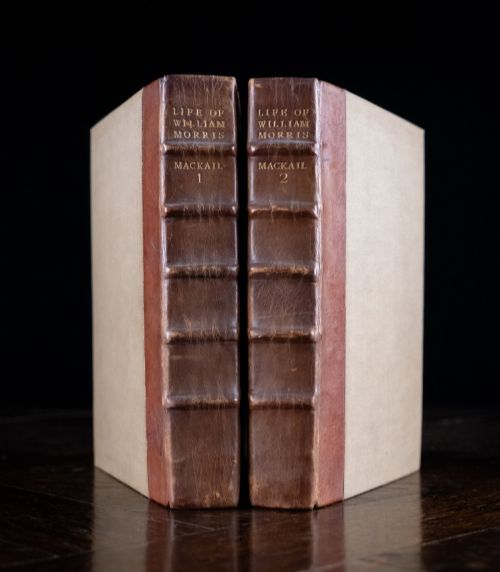
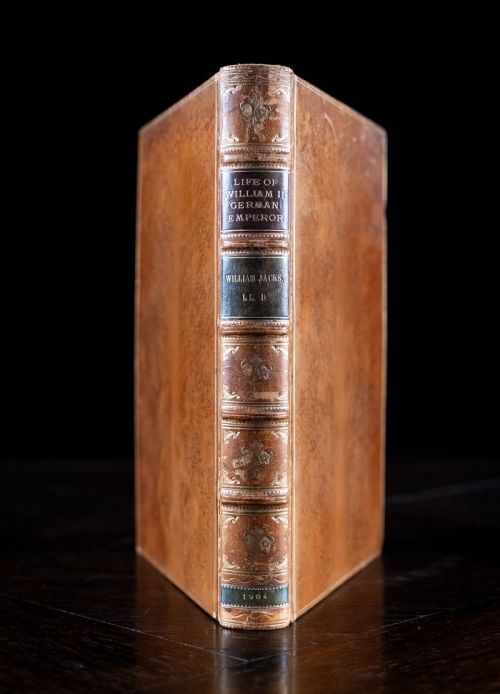
Spines and covers frequently received decoration through the application of gold leaf tooling, creating lustrous lettering and ornamental borders. Cloth also appears on later nineteenth-century publications as binding technology shifted.
Listings feature paper texts bound in calfskin, vellum, and cloth, decorated with gold leaf and marbled paper across multiple centuries.
Assessing Quality and Condition
Quality rests upon the integrity of the binding and the crispness of the gilt tooling applied to the leather surfaces. Superior examples retain firm structural hinges and clear, legible typography across both boards and spine.
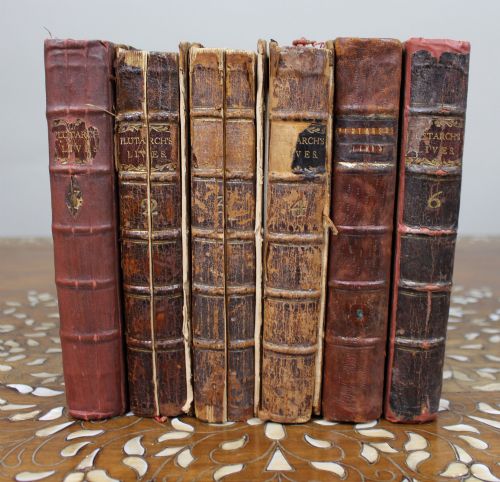
Completeness dictates value significantly, particularly within multi-volume sets where uniform matching bindings across all included books elevate the overall standard of the set.
J. and R. Tonson·Jean Dassier
The Antiquarian Leather Books Glossary
- Vellum
- A fine parchment prepared from calfskin, frequently utilised for durable historical book bindings. It offers a smooth, pale surface that ages distinctively.
- Gilt tooled
- A decoration technique applying gold leaf onto leather using heated metal tools. This method creates permanent metallic impressions along spines and covers.
- Calfskin
- A soft yet resilient leather derived from the skin of a calf, standard for quality bookbinding. It takes tooling and polishing exceptionally well.
- Marbled paper
- Coloured paper featuring swirling patterns resembling marble, traditionally pasted inside book covers as endpapers. It adds a decorative flourish to the interior.
Antiquarian Leather Books: Frequently Asked Questions
How should I care for antique leather books?
Keep volumes away from direct sunlight and excessive humidity to prevent the leather from drying out or warping. Ensure shelves allow adequate air circulation around the books.
Handle them gently by supporting the spine rather than pulling them from the shelf by the headcap. Avoid applying modern commercial leather dressings unless specifically required.
Are these books complete sets?
Many listings comprise multi-volume sets, such as Shakespeare collections or historical reference series, while others are offered as individual volumes. Check the specific title details to confirm the exact number of books included.
Some sets feature uniform bindings published together, whilst others represent assembled collections matched by style.
What periods do these books cover?
The collection spans from the seventeenth century through the eighteenth and nineteenth centuries, concluding around the Edwardian period. Regency and Victorian examples appear frequently.
Each era brings distinct typographic styles and binding preferences, from seventeenth-century leather to late-nineteenth-century cloth and gilt designs.
How do I identify a miniature book?
Miniature books are exceptionally small volumes, typically measuring under a few inches in height, designed for portability or private devotion. Despite their diminutive scale, they contain complete texts and detailed period bindings.
They often feature fine calligraphy or small movable type, requiring careful handling due to their delicate proportions.