

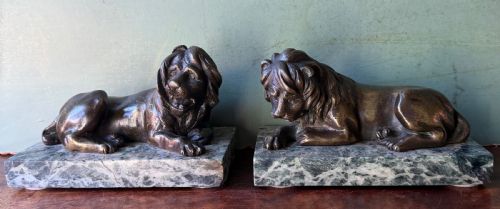


Animal Base Table
An animal base table or lamp combines naturalistic sculpture with functional surface design, offering collectors a distinctive sculptural accent for the home.
Animal Base Table
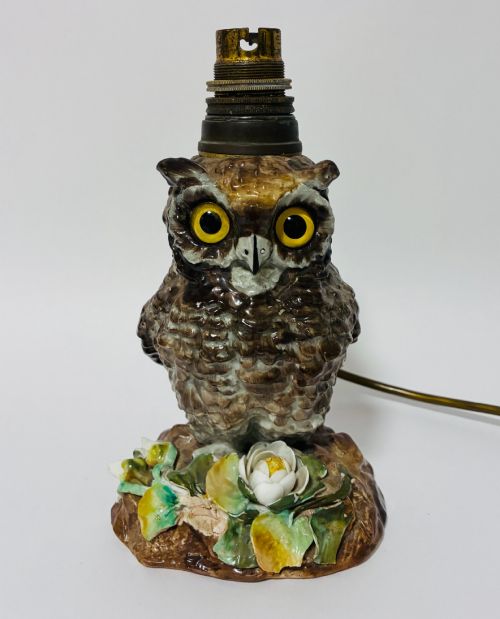
When you search for an animal base table or related lamp, you find objects supported by sculptural figures of creatures ranging from domestic dogs to wild birds. These pieces integrate taxidermy-adjacent artistry, metal casting, or carved wood directly into the furniture or lighting support.
The selections span several distinct eras, with Victorian novelty works and Art Deco French designs appearing most frequently alongside Edwardian brass and carved wooden examples. Forms vary from small night lights mounted on marble plinths to larger occasional furniture.
Makers utilised diverse animal subjects to anchor the design, creating a direct link between nineteenth-century animalier traditions and twentieth-century modernist stylisation.
How they were made
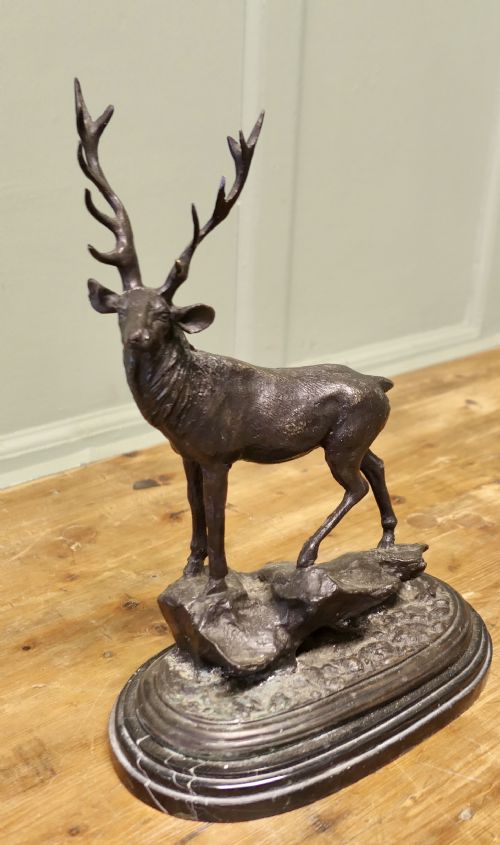
Foundries cast figures in bronze, brass, or spelter, mounting them securely onto heavy bases of marble, granite, or wood to provide stability for the upper structure. Metal components often received patination to highlight the musculature and texture of the animal subjects.
Artisans combined these varied materials using mechanical fixings such as threaded bolts and nuts to anchor the heavy sculptural elements to their respective stone or wooden plinths.
Animal Base Table Retail Price Guide 2026
Typical asking prices for animal base table among the pieces listed under this phrase on Sellingantiques today, from the lower quarter to the upper quarter. They describe what is for sale here now, not the wider market.
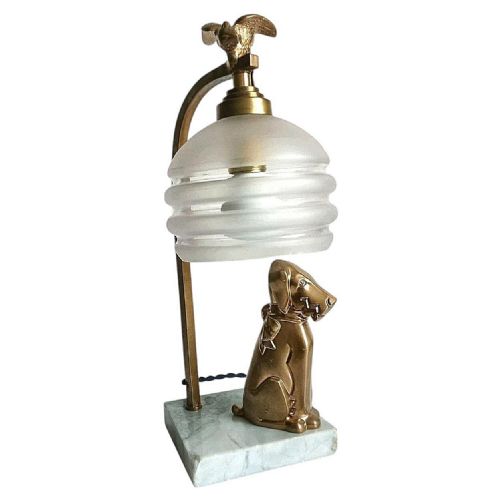
Dogs dominate the menagerie, appearing as spitzes, greyhounds, alsatians, and French novelty breeds alongside owls, eagles, serpents, stags, fish, camels, and seagulls.
What varies in quality
The sophistication of the casting and carving dictates the fidelity of the animal anatomy, separating master-modelled bronzes and porcelains from mass-produced commercial outputs. Finer examples display crisp detail in feather, fur, and facial expression without relying on heavy post-casting cleanup.
Material selection for the base significantly impacts the overall integrity of the piece, with dense veined marble or heavy granite providing superior weight and balance compared to lighter woods or composite alternatives. The harmony between the sculptural subject and the functional mount defines the success of the composition.
Ernst Bohne Sohn·Guido Cacciapuoti
The Animal Base Table Glossary
- Animalier
- A nineteenth-century artistic movement focused on the realistic portrayal of animals, particularly in sculpture. Practitioners captured creatures in motion or repose with careful attention to anatomical detail.
- Spelter
- An alloy of zinc and lead often used as a cost-effective substitute for bronze in decorative figures. It is softer than bronze and typically painted or electroplated to simulate a richer metal finish.
- Plinth
- A heavy slab or block acting as a solid base for a statue, lamp, or column. In these pieces, stone or marble plinths anchor the animal sculpture and add necessary weight.
- Opaline glass
- A semi-translucent glass type often tinted in pastel shades, frequently utilised for spherical or domed night light shades. It diffuses light with a soft, glowing quality.
Animal Base Table: Frequently Asked Questions
How do I date an animal lamp?
Dating relies on examining the manufacturing materials, artistic style, and electrical components if present. Victorian and nineteenth-century pieces often feature detailed hand-painted porcelain or traditional bronze casting.
Art Deco examples from the 1920s and 1930s tend to use streamlined geometric marble bases alongside stylised animal figures and mottled opaline glass.
Where were these pieces made?
The listings show origins spanning France, Germany, and Britain, alongside Anglo-Indian craftsmanship. European porcelain factories and continental bronze foundries produced many of the figural components.
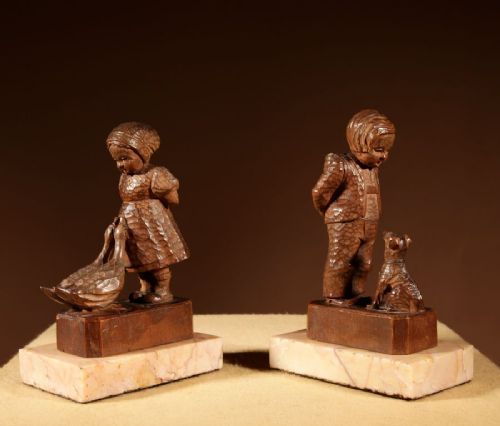
Regional workshops also contributed carved wooden furniture and Black Forest pieces during the late nineteenth and early twentieth centuries.
How should I clean marble bases?
Marble plinths require gentle dusting with a soft, dry cloth to prevent the accumulation of grime within the stone's natural pores. Avoid harsh chemical cleaners or abrasive pads that can etch or dull the polished surface.
For stubborn marks, a damp cloth with mild soap followed by immediate drying preserves the integrity of the stone.