




Anglo Indian Pedestal Stand
These robust pieces bring an anglo indian pedestal stand into a room, offering dense timber carving and intricate regional craftsmanship from the nineteenth and early twentieth centuries.
Anglo Indian Pedestal Stand
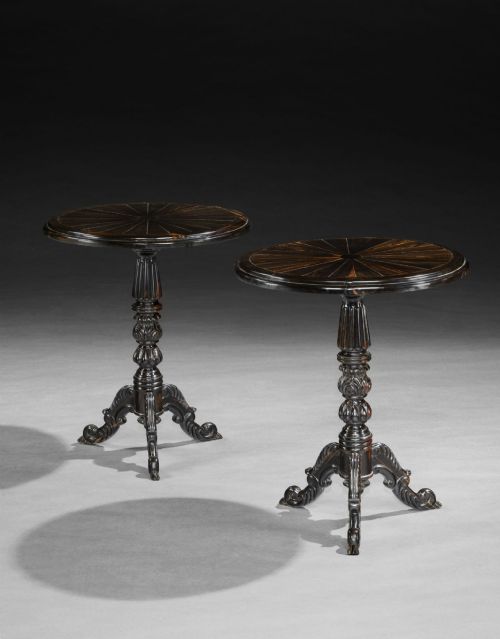
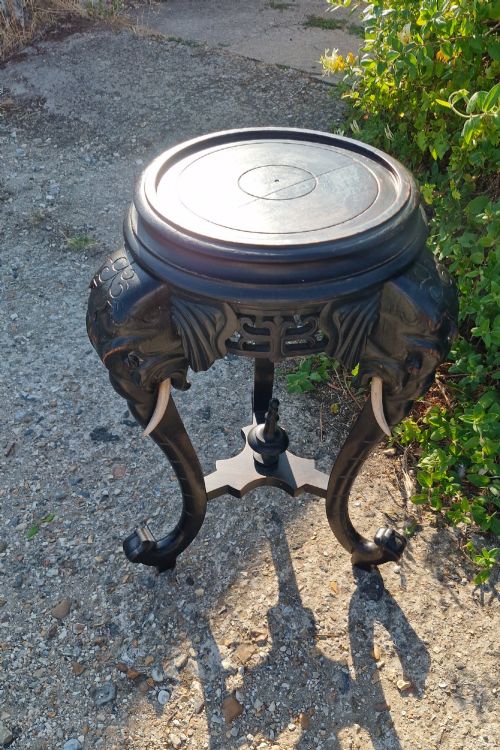
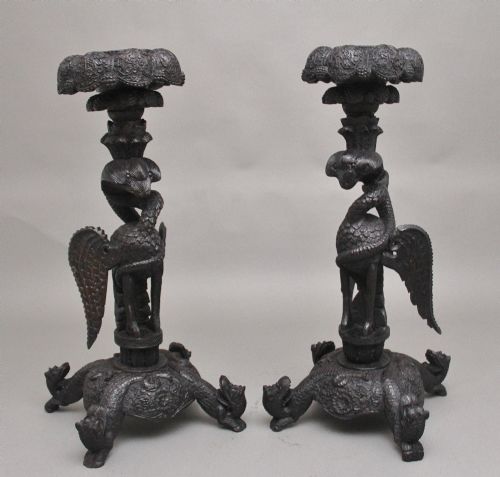
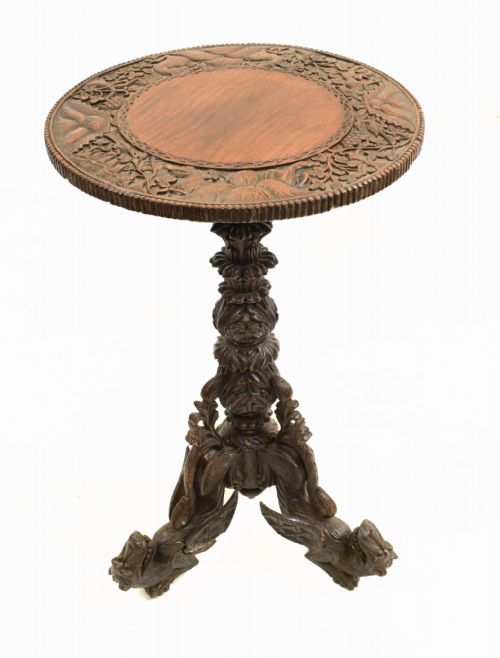
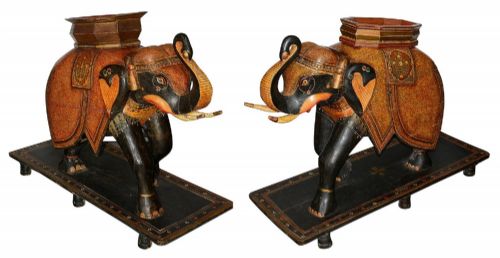
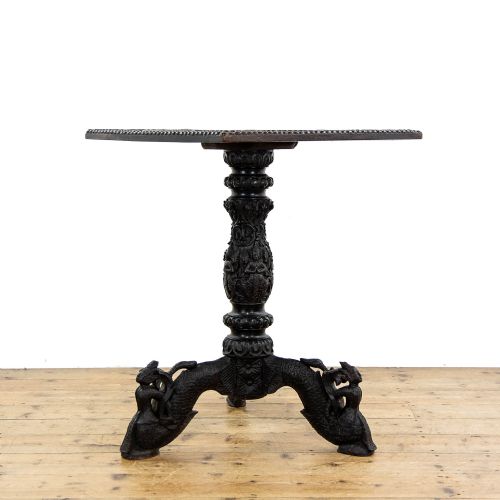
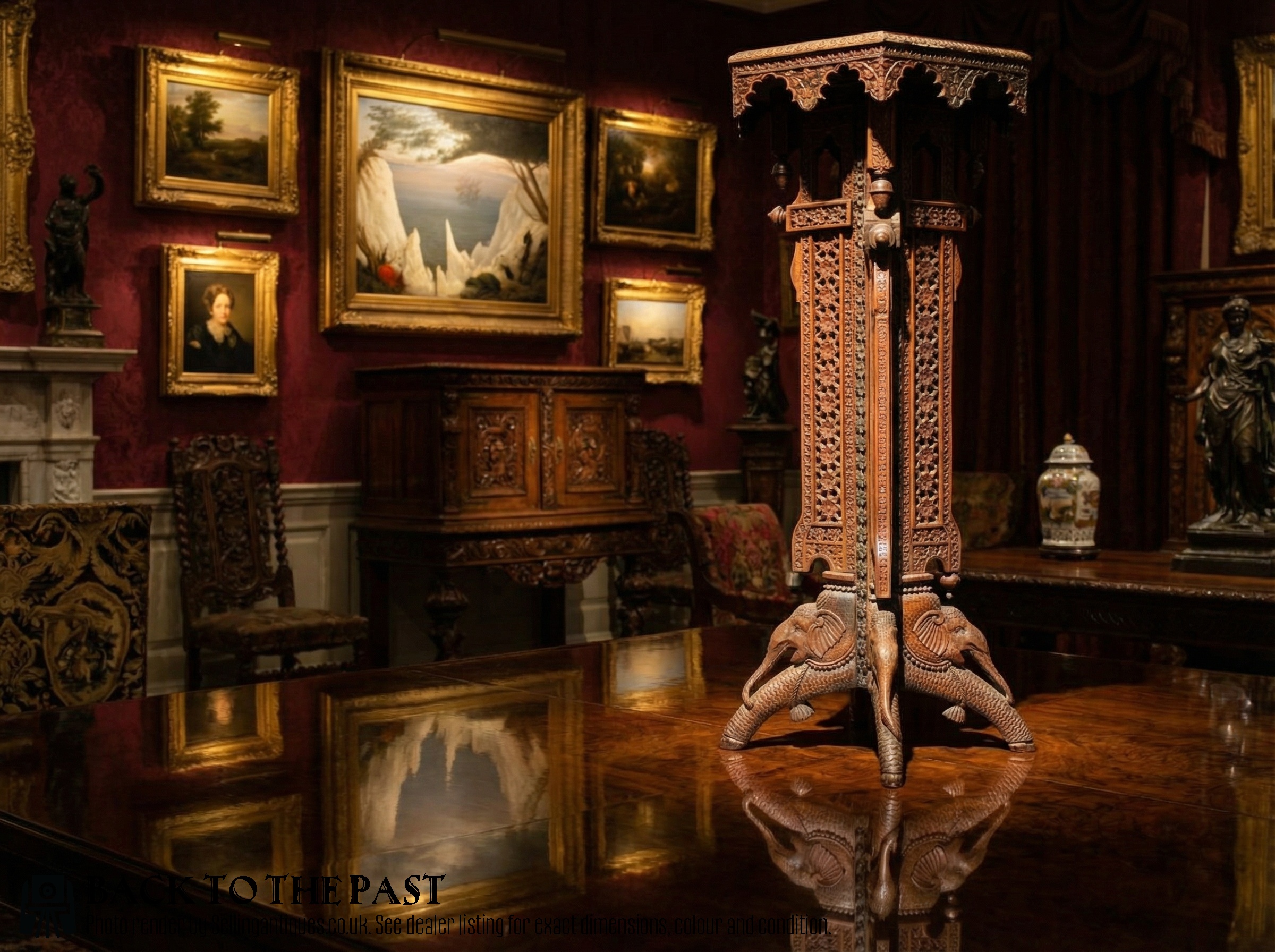
An anglo indian pedestal stand comprises low occasional tables, torcheres, and plant supports created during the colonial period for British domestic interiors. The forms range from tripod tables and hexagonal top stands to figural supports shaped as elephants and camels.
The pieces on this page span the nineteenth century up to the nineteen-twenties, incorporating styles such as Anglo-Burmese, Aesthetic Movement, and Moorish designs. Side tables and plant stands dominate the selection, often featuring deep relief carving across the timber surface.
Originating from workshops across the Indian subcontinent and Burma, these stands reflect a blend of traditional eastern woodworking techniques with European furniture forms. Buyers encounter both solid timbers and lacquered finishes designed to display decorative objects or lamps.
Materials and construction methods
Artisans constructed these stands from dense tropical timbers including teak, rosewood, padauk, and ebony, alongside ebonised wood and painted surfaces. These heavy hardwoods provided a stable foundation for intricate hand-carved ornamentation.
Carving technique defines the category, with deep relief work depicting floral motifs, foliage, and figural elements such as elephants with painted wooden tusks. Joinery methods varied from traditional pegged joints to folding mechanisms found on reading stands and book pedestals.
Listings feature teak, rosewood, ebony, and padauk alongside ebonised and painted wood forms.
Factors that determine quality
Depth and crispness of the hand-carving separate standard production from superior examples, as finer pieces display sharp undercut details rather than shallow, softened patterns. The choice of dense timbers like solid ebony or rosewood also elevates a piece above softer painted alternatives.
Proportion and structural integrity dictate the standing of a pedestal, with well-balanced tripod bases and intact figural elements retaining greater architectural coherence. The survival of original surface finishes, whether polished rosewood or intricate lacquer, preserves the physical integrity of the work.
Liberty
The Anglo Indian Pedestal Stand Glossary
- Torchere
- A tall stand designed to hold a lamp or candle. These slender supports frequently feature carved shafts and tripod bases.
- Padauk
- A heavy tropical hardwood valued for its reddish-brown colour and durability. Makers utilised this timber for solid occasional tables.
- Jardiniere
- An ornamental stand or container intended to hold a plant or flower pot. Examples in this category often incorporate a tripod base and raised rims.
- Ebonised
- Wood treated with a dark stain or finish to imitate ebony. This technique appeared on nineteenth-century aesthetic movement furniture.
- Compote
- A decorative footed bowl or dish used for serving fruit or displaying items. Silver wirework versions complement the timber stands.
Anglo Indian Pedestal Stand: Frequently Asked Questions
What is an anglo indian pedestal stand used for?
These pieces serve as occasional tables, plant stands, or lamp holders within a room. Their sturdy frames support decorative objects, books, or lighting while introducing distinct carved ornamentation.
Historically, they brought colonial design motifs into British homes. Today, buyers utilise them to anchor corners or display ceramics and plants.
How do I date a carved wooden stand?
Dating relies on examining the timber species, construction joinery, and stylistic markers such as Aesthetic Movement influences or Victorian proportions. Pieces often span the nineteenth and early twentieth centuries.
Makers frequently combined traditional regional carving styles with standard British furniture forms of the period. Documentation and specific regional traits help narrow the decade of production.
Are these stands made of solid wood?
The inventory includes items fashioned from solid timbers such as teak, rosewood, padauk, and ebony. Dense hardwoods provided the necessary weight and stability for heavy hand-carved surfaces.
Some examples feature painted wood, lacquer, or ebonised finishes applied over the structural base. The weight and grain visibility typically confirm the primary material used.
How do I care for antique tropical hardwood?
Maintenance involves dusting with a dry cloth and avoiding placement near direct heat sources or rapid temperature shifts. Excessive dryness can cause dense tropical timbers to split.
Applying appropriate wax sparingly helps preserve the natural sheen of rosewood or ebony. Avoiding harsh chemical cleaners protects the hand-carved details from degradation.