

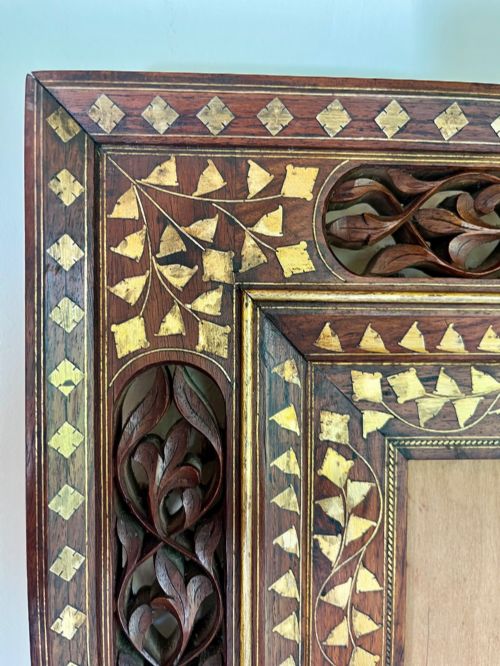


Anglo Indian Frame
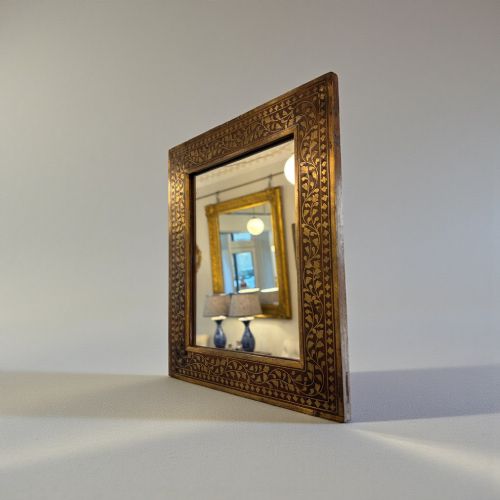
An anglo indian frame brings colonial craftsmanship and intricate indigenous carving directly into a room.
Anglo Indian Frame
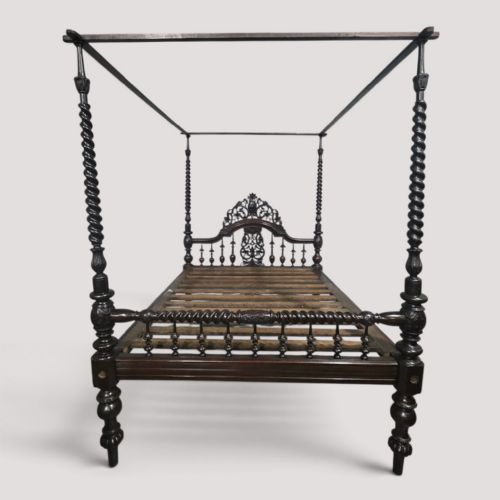
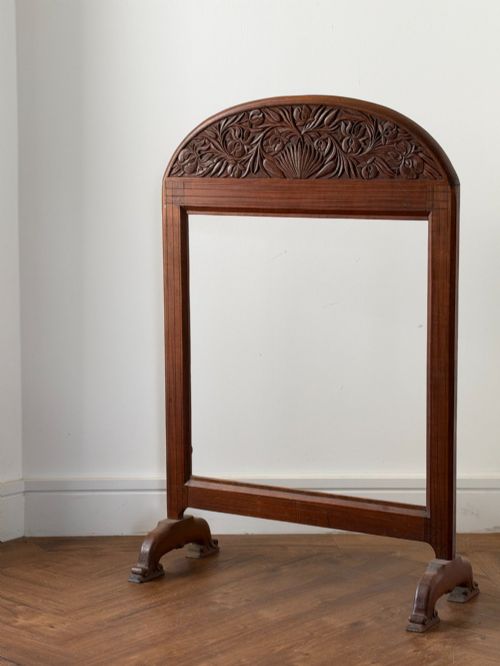
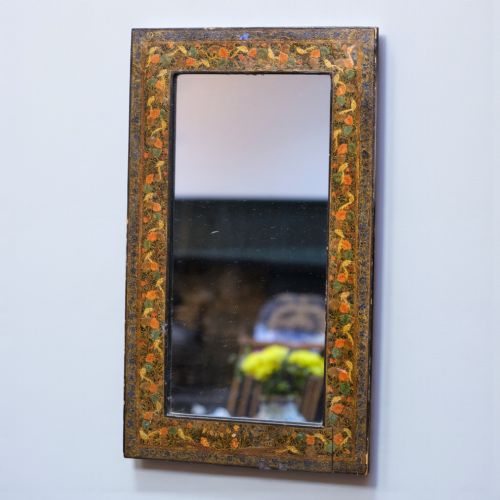
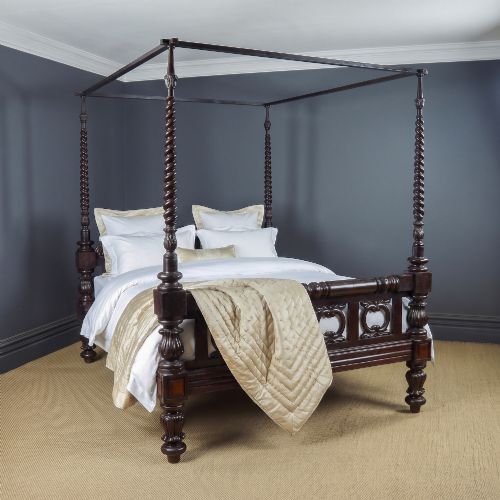
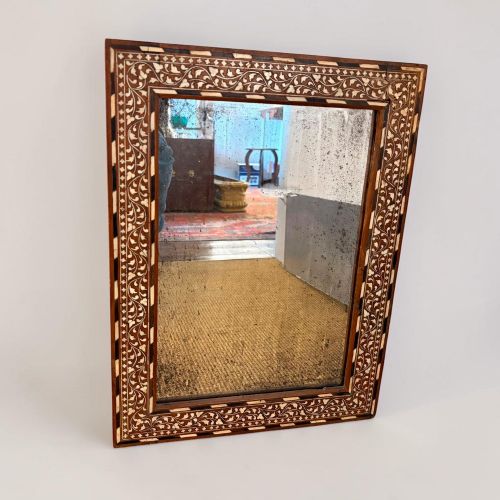
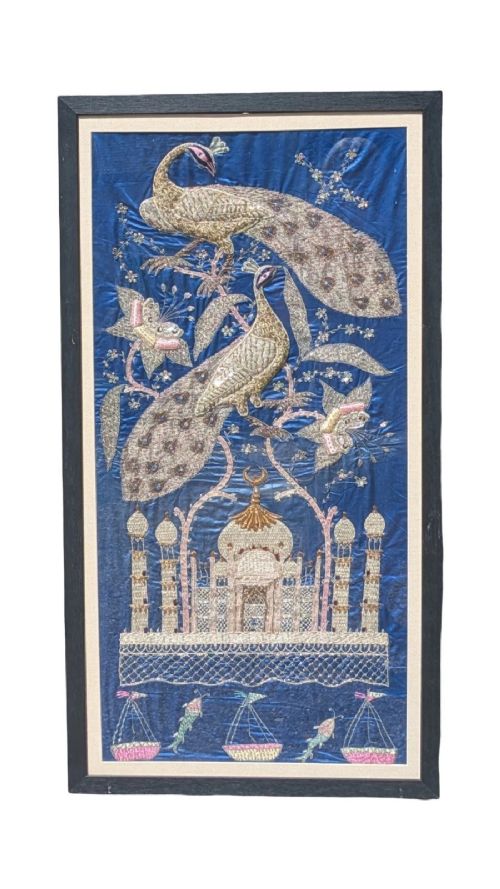
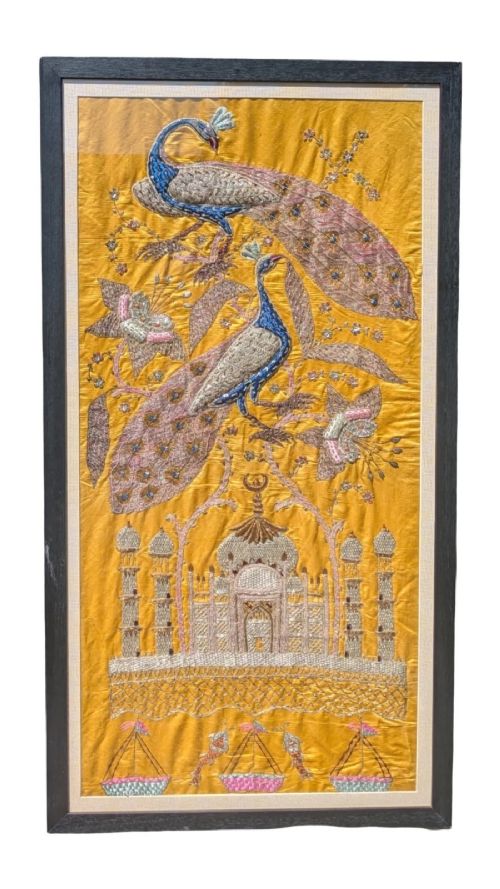
Makers utilised dense timbers and layered them with contrasting inlay work to create striking visual depth. Frames range from austere geometric borders to heavily pierced and deeply carved hardwood structures. Each piece demonstrates the adaptation of traditional Indian motifs to British furnishing requirements of the period.
How they were made
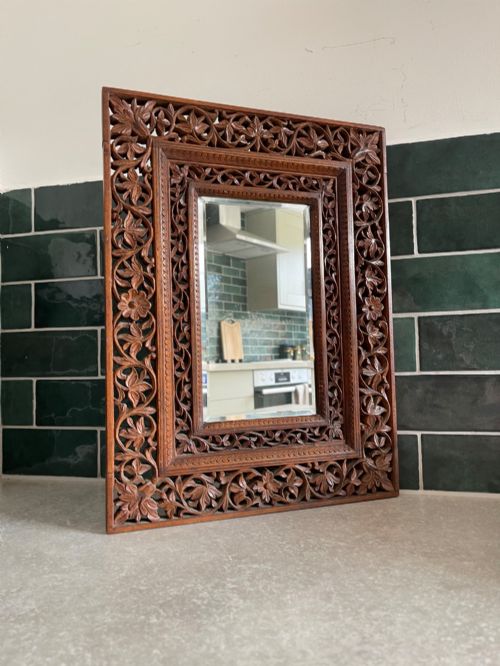
Artisans constructed these frames using regional hardwoods, predominantly teak, shisham, walnut, and ebony. These sturdy timbers provided a stable base for elaborate hand-carving and deep relief work.
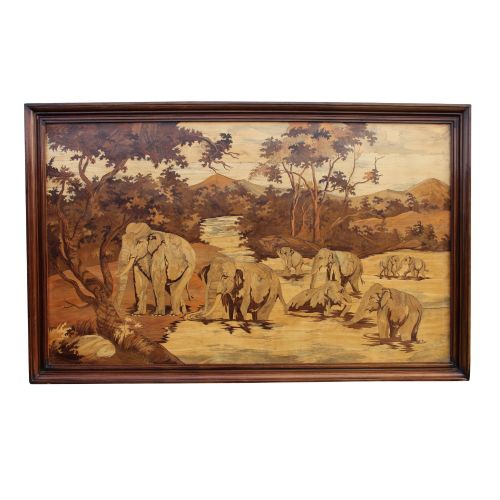
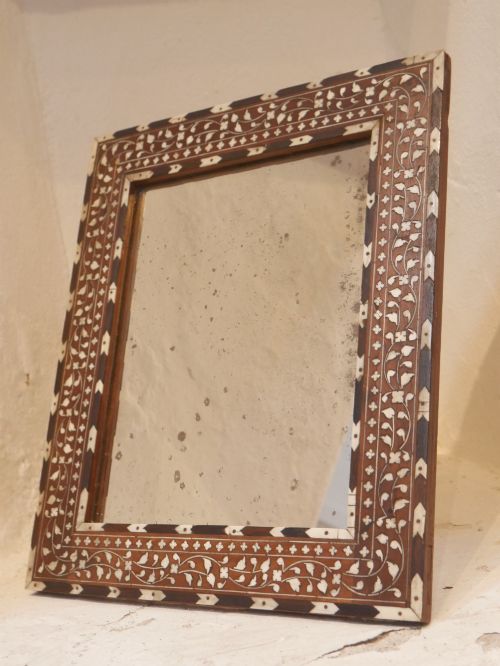
Decoration relied heavily on intricate brass and bone inlay, meticulous marquetry, and pierced piercing techniques. Craftsmen set these contrasting elements flush into the dark wood surfaces to accentuate the floral and geometric patterns.
Anglo Indian Frame Retail Price Guide 2026
Typical asking prices for anglo indian frame among the pieces listed under this phrase on Sellingantiques today, from the lower quarter to the upper quarter. They describe what is for sale here now, not the wider market.
Listings span the nineteenth and early twentieth centuries, featuring walnut, teak, ebony, and brass inlay across mirrors and panels.
What varies in quality
The standard of carving distinguishes superior examples from simpler production. Master carvers achieved crisp undercut details and perfectly symmetrical geometry, whereas lesser pieces display shallower relief and minor irregularities in the pattern.
The integrity of the inlay work further separates categories. Finely made items retain every piece of brass or bone tightly fitted into the timber ground without visible gaps or excessive filler.
The Anglo Indian Frame Glossary
- Hoshiarpur
- A town in Punjab renowned for its distinctive woodwork. Artisans here specialised in intricate brass and bone inlay set into shisham or other dark hardwoods.
- Marquetry
- The art of applying pieces of veneer to a structure to form decorative patterns. Craftsmen utilised this technique to depict figurative scenes and complex motifs on panels.
- Shisham
- An Indian rosewood frequently utilised for furniture and frames. This timber offers a dense, durable ground that accepts fine carving exceptionally well.
- Pierced work
- A technique where material is cut entirely through to create openwork patterns. This method gives heavy wood frames a lighter, lace-like edge.
Anglo Indian Frame: Frequently Asked Questions
Where were these frames manufactured?
These items were produced in various regions across the Indian subcontinent during the colonial era, often in specialist craft centres such as Hoshiarpur and Kashmir.
Local workshops combined traditional indigenous woodworking techniques with European furniture forms to satisfy the tastes of British residents.
How do I identify a Hoshiarpur piece?
Hoshiarpur pieces are typically characterised by extensive brass or bone inlay spread densely across a dark hardwood surface, such as shisham.
The patterns frequently incorporate complex floral and geometric motifs that cover the entire frame without leaving bare timber.
What woods were commonly utilised?
Carvers relied upon dense tropical hardwoods that could withstand intricate detailing without splintering. Teak, walnut, ebony, and shisham appear regularly across these listings.
These durable timbers naturally supported the heavy relief carving and flush inlay work characteristic of the period.
How should I hang a heavy wooden mirror?
Due to the substantial weight of dense hardwoods and glass, secure wall anchoring is essential. Fixing directly into masonry or locating a wall stud ensures proper support.
Professional hanging hardware rated for heavy loads will safely bear the mass of intricately carved frames.