







Anatolian Throw Rug
An anatolian throw rug brings genuine tribal character and enduring warmth into a room.
Anatolian Throw Rug
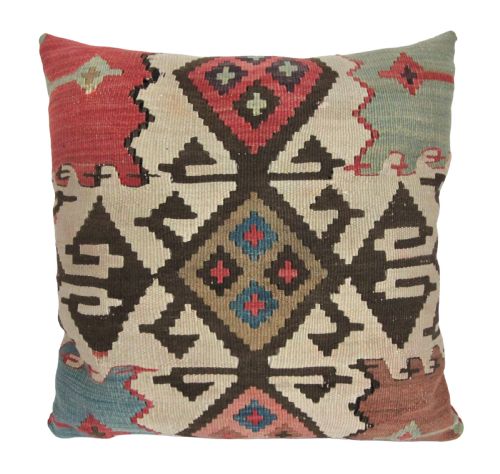
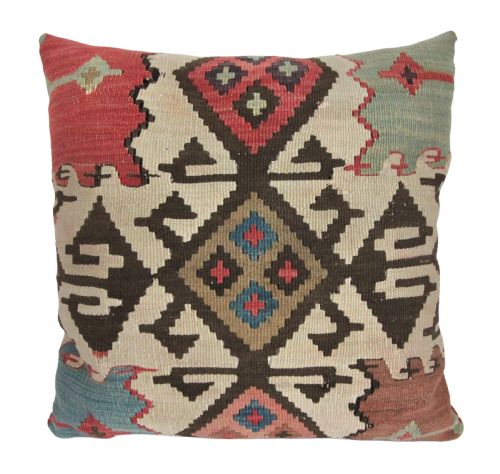
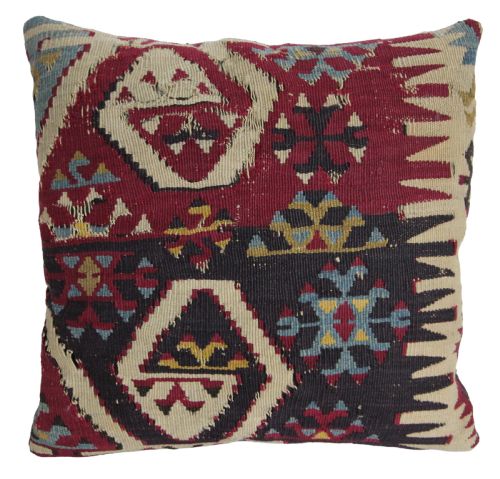
When you search for an anatolian throw rug, you encounter hand-woven textiles originating from Turkish weaving traditions, spanning the nineteenth and early twentieth centuries. These pieces encompass smaller floor coverings, village rugs, prayer rugs, and cushions fashioned from historic bag faces.
The version you are most likely to meet on this page is the antique kilim cushion or a smaller village and prayer rug format. They range from pieces dated in the eighteen-fifties and eighteen-seventies up to nineteen-thirty examples like the Turkish Kirsehir prayer rug or old Turkish village rugs.
Buyers seek these items for their rich geometric patterns and versatile scale, which allows them to function as floor rugs, throw cushions, or decorative interior accents. Each piece bears the distinct marks of nomadic tribal or traditional village craftsmanship.
Materials and construction
These textiles rely entirely on natural wool and cotton fibres, spun and woven by hand to create durable pile or flatweave surfaces. Artisans utilised traditional hand-knotting and flat-weaving techniques suited to nomadic life and village workshops.
The construction of bag face cushions and kilim cushions repurposes older woven fragments, retaining the original structural integrity of tribal weaving. Structural support and backing materials often incorporate sturdy cotton alongside traditional wool foundations.
Anatolian Throw Rug Retail Price Guide 2026
Typical asking prices for anatolian throw rug among the pieces listed under this phrase on Sellingantiques today, from the lower quarter to the upper quarter. They describe what is for sale here now, not the wider market.
Many cushions owe their existence to nomadic laundry day, having started life as practical camel bags.
Distinctions in quality
Quality in these textiles rests upon the tightness of the weave, the clarity of the tribal motifs, and the depth of the natural wool dyes. Finer examples display meticulous symmetry and precise geometric execution characteristic of skilled nomadic weavers.
The condition of the pile or flatweave surface determines the visual impact of the piece. Superior examples retain their original dimensions and structural firmness, particularly in cushion formats and bag faces.
The Anatolian Throw Rug Glossary
- Kilim
- A flat-woven carpet or rug produced without a pile. These pieces are created by tightly interweaving warp and weft strands.
- Bag Face
- The decorative front panel of a nomadic storage bag, repurposed into cushions or small decorative items. This portion often displays the most intricate tribal patterning.
- Prayer Rug
- A small rug featuring a niche design known as a mihrab, historically oriented towards Mecca during daily prayers. These formats display specific regional Anatolian iconography.
- Nomadic Tribal
- A descriptive term for textiles produced by wandering pastoral groups rather than settled town workshops. Their designs reflect ancestral motifs passed down through generations.
- Warp
- The vertical threads stretched on a loom before weaving begins. The weft threads are passed across and through these foundational strands.
Anatolian Throw Rug: Frequently Asked Questions
What is an anatolian throw rug?
An anatolian throw rug is a hand-woven textile originating from Turkey, encompassing traditional village rugs, prayer rugs, and flat-woven cushions.
These pieces reflect historic nomadic and tribal weaving traditions dating from the nineteenth and early twentieth centuries.
How were these rugs used?
Nomadic and village communities utilised these textiles as floor coverings, seating adornments, and functional storage bags.
Today, collectors use them as decorative floor rugs or throw cushions to add texture and history to interior spaces.
How do I care for wool textiles?
These wool and cotton pieces require gentle treatment, regular light vacuuming without a rotating brush, and professional cleaning when necessary.
Keeping them away from direct, prolonged sunlight preserves the natural dyes used in their construction.
How do I identify age in these pieces?
Age is determined by material wear, the character of the natural wool, and traditional dye palettes characteristic of nineteenth and early twentieth-century production.
Stylistic markers such as nomadic tribal motifs and regional weaving structures also point to specific historical periods.