





American Turned Chair
These american turned chair examples offer sturdy construction and heritage charm, bringing functional seating and historical presence into your home.
American Turned Chair
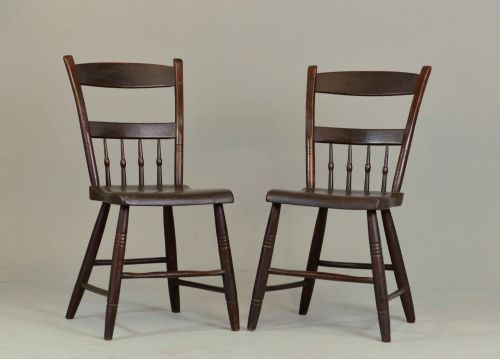
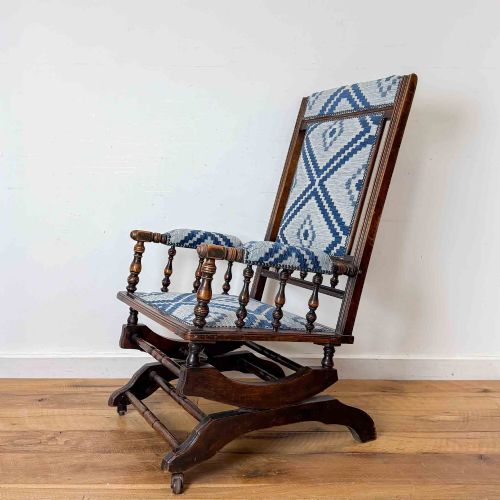
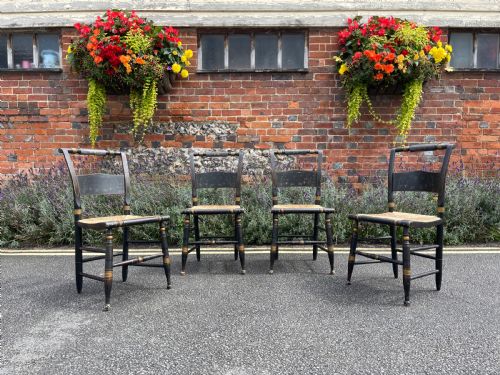
When you search for american turned chair, you encounter robust seating forms shaped by woodworking lathes across several periods. The selections span rocker designs, dining seats, armchairs, and side chairs shaped by traditional craft.
You frequently meet rocking chairs and side chairs reflecting colonial revival, Victorian, and American country styles. These pieces range from eighteenth century interpretations to early twentieth century reproductions and vernacular forms.
Makers utilised various regional timbers to build practical furniture for everyday domestic use. The inventory includes slat backs, bentwood elbows, and painted finishes suited to traditional interiors.
How they were made
Craftsmen shaped structural components using woodturning lathes, producing spindle legs, stretchers, and posts from hardwood, walnut, beech, and oak timber. These turned members provided rigid support without excessive weight.
Joinery relied on traditional pegging and mortise and tenon methods to secure the turned parts together. Surfaces often received coats of paint or simple finishes to protect the wood and enhance the appearance.
American Turned Chair Retail Price Guide 2026
Typical asking prices for american turned chair among the pieces listed under this phrase on Sellingantiques today, from the lower quarter to the upper quarter. They describe what is for sale here now, not the wider market.
Some nineteenth century makers added rocking rails to chairs simply because tired parents demanded motion in every room of the house.
What varies in quality
The refinement of the turning work distinguishes finer examples from simpler vernacular production. Crisp profiles on spindles and well-balanced proportions indicate skilled execution by the maker.
The choice of primary timber influences the structural integrity and visual character of each chair. Dense hardwoods and retained original painted surfaces elevate the desirability of a piece within this category.
The American Turned Chair Glossary
- Turned
- Shaped on a lathe by rotating timber against cutting tools. This method creates cylindrical, tapered, and decorative profile columns for legs and spindles.
- Carolean
- A style referencing the reign of Charles II characterised by rich ornamentation and scrolled elements. Pieces in this taste adapt British baroque motifs for American audiences.
- Slat back
- A chair design featuring horizontal wooden slats fitted between the rear upright posts. This traditional vernacular form provides simple back support.
- Bentwood
- Wood softened by steam and bent into curved structural shapes. This technique allows for flowing frames without traditional joints.
American Turned Chair: Frequently Asked Questions
What is an american turned chair?
An american turned chair is a traditional seating form featuring wooden components shaped on a lathe. These pieces include rockers, armchairs, and side chairs produced across various centuries.
Craftsmen built them using regional hardwoods and simple joinery for everyday utility. They remain popular for their robust construction and historical character.
How do I date these chairs?
Dating relies on examining the timber species, construction methods, and stylistic influences present in the frame. Eighteenth century examples often display different turning profiles compared to nineteenth century revivals.
comparing the finish, wear patterns, and joinery details helps establish the period of manufacture. Documentation and construction traits provide further clues to age.
Where were these chairs used?
These chairs served primarily in domestic settings such as kitchens, parlours, and halls. Rocking versions provided comfortable seating in living spaces while side chairs accompanied dining tables.
Their sturdy build suited busy household environments. Many designs originated from regional American workshops and vernacular traditions.
How do I care for turned wood?
Caring for turned wood involves maintaining stable indoor humidity levels to prevent timber movement. Dusting regularly with a soft cloth preserves the surface finish without causing abrasion.
Applying occasional wax feeds antique wooden surfaces and protects the patina. Direct sunlight should be avoided to prevent fading of paints and timbers.