



American Table
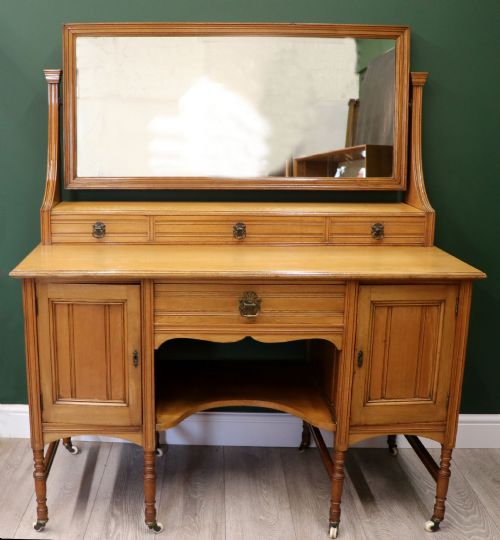
An American antique table brings distinct regional character to a room, spanning tea tables, dressing tables, and side tables in woods like mahogany and walnut.
American Table
An American antique table encompasses forms such as tea tables, lowboys, dressing tables, and side tables originating from the eighteenth century onward. You encounter various styles ranging from Federal and Chippendale to Victorian and Regency interpretations.
The pieces often feature native timbers like walnut, mahogany, and maple, sometimes paired with clever joinery or specific regional proportions. Identifying one relies on observing the combination of primary and secondary woods alongside period construction methods.
Materials and construction
Cabinetmakers utilised dense hardwoods such as mahogany and black walnut for primary visible surfaces, employing secondary timbers like maple or pine for internal framing and drawer construction. Timber selection often dictates the weight and overall visual depth of the furniture.
Joinery methods involved traditional hand-cut dovetails and mortise-and-tenon joints to ensure structural stability without relying on modern fasteners. Surface finishes applied by hand accentuate the natural grain patterns of the wood over centuries of use.
American Table Retail Price Guide 2026
Typical asking prices for american table among the pieces listed under this phrase on Sellingantiques today, from the lower quarter to the upper quarter. They describe what is for sale here now, not the wider market.
Materials span solid walnut, mahogany, maple, and brass, representing periods from 1750 through the Victorian era.
Distinguishing quality
Quality separates pieces by the crispness of carved details, the integrity of the original timber surfaces, and the retention of period hardware. Superior examples display thoughtful proportions and careful timber selection that remain intact from their period of origin.
Lesser items may show heavy alterations, replacement of primary structural elements, or refinishing that obscures the natural character of the wood. The presence of original secondary woods and uncompromised joinery elevates the standing of any piece.
Theodore B. Starr·International Silver Co·Quincy Showcase Works·The Charles Parker Company·Ansonia New York
The American Table Glossary
- Lowboy
- A small American chest table typically featuring one or more rows of drawers raised on four tall legs. These tables served various domestic functions in eighteenth-century households.
- Tea table
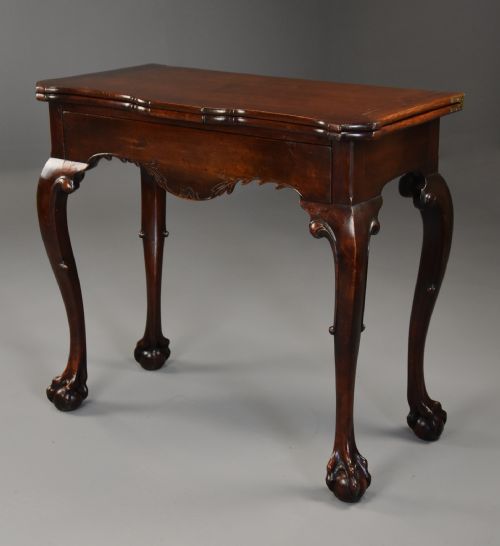
- A small form designed specifically to hold tea service equipment during the eighteenth century. They frequently feature moulded edges and slender legs terminating in pad or claw feet.
- Federal style
- The neoclassical design movement in the United States following the Revolution, lasting roughly from 1780 to 1830. It is characterised by clean geometry, delicate inlay, and classical motifs.
- Secondary wood
- The internal or unseen timber used in furniture construction, such as drawer linings or backboards. Identifying these woods often helps confirm the geographical origin of an American piece.
American Table: Frequently Asked Questions
How do I identify an American antique table?
Look closely at the choice of primary and secondary timbers, such as mahogany paired with native pine or maple. Construction techniques like hand-cut dovetails provide further clues to period origins.
Examine the style details, ranging from eighteenth-century Chippendale lines to nineteenth-century Victorian proportions, to narrow down the decade of manufacture.
Where were these tables typically placed?
Tea tables and lowboys found homes in parlours and formal reception rooms where domestic entertaining took place. Dressing tables and side tables occupied private bedchambers and hallways.
Their placement depended entirely on the specific form and the functional needs of the household during their period of use.
How should I care for a wood surface?
Keep wooden tables away from direct heat sources and strong sunlight to prevent the timber from drying out or splitting. Maintain a stable indoor climate to protect the historical finish.
Apply microcrystalline wax periodically to nourish the surface, avoiding silicone-based polishes that can damage antique polishes over time.