


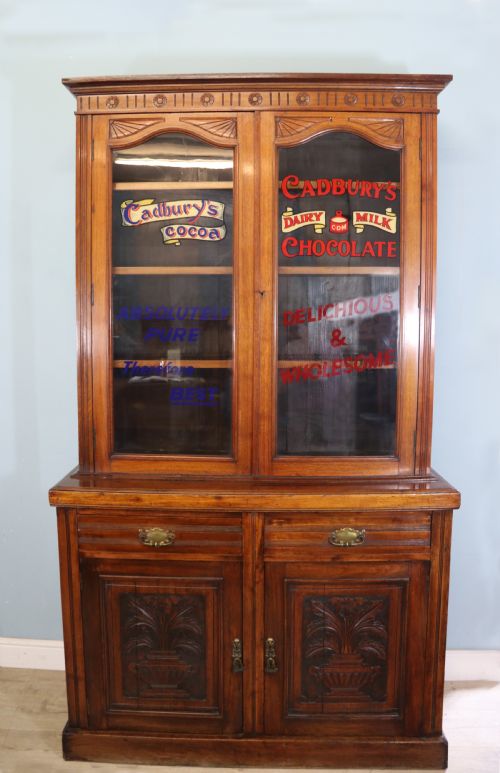
American Dresser
An american antique dresser brings substantial character to a room, offering practical storage through pieces built across the eighteenth, nineteenth, and twentieth centuries.
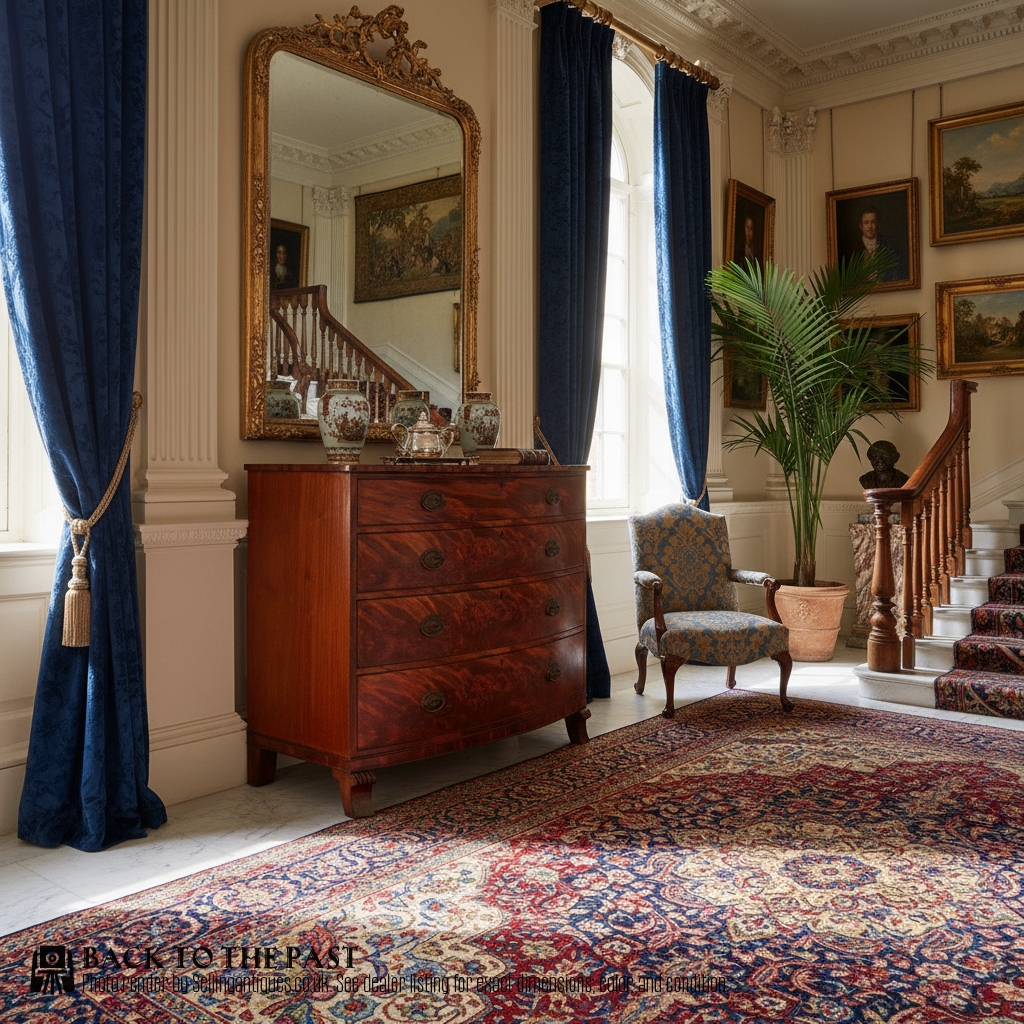
American Dresser
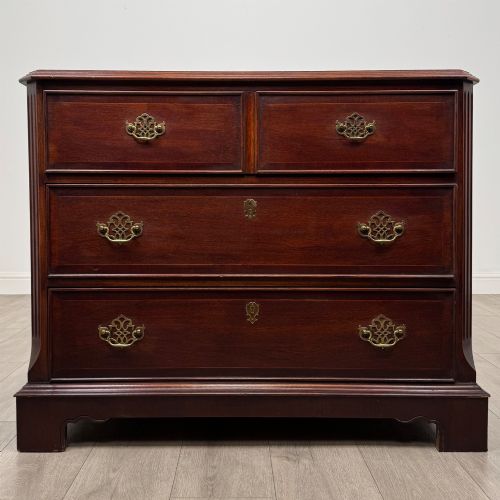
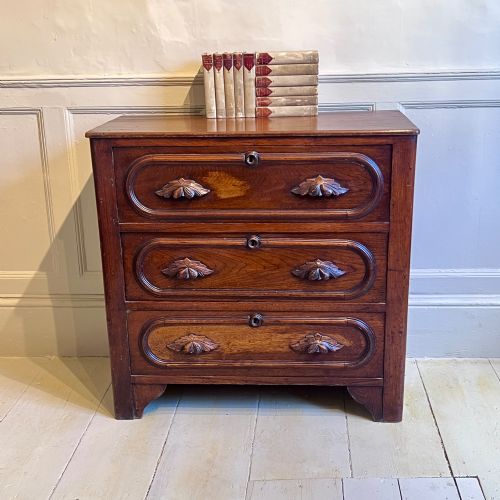
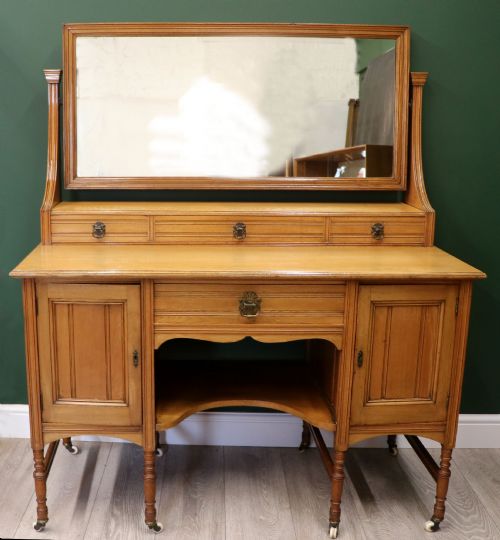
An american antique dresser encompasses various storage and display forms originating from the United States, appearing primarily as chests of drawers, dressing tables, sideboards, and kitchen cabinets. These items emerge across distinct periods, including the eighteenth century, the nineteenth century, and the Edwardian era, showing styles such as Victorian, Late Victorian, Colonial, and Federal.
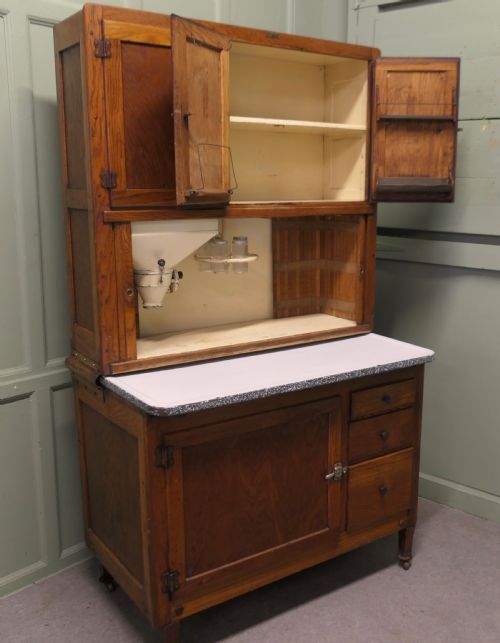
The pieces on this page lean heavily toward nineteenth-century production, particularly Victorian walnut chests and drawer units. Alongside standard drawer configurations, the selection includes specialised forms like oak kitchen cabinets, bookcase cabinets, and maple wood dressers featuring integrated racks.
Materials and Construction
Cabinetmakers utilised robust native and imported timbers, notably walnut, mahogany, oak, and solid maple wood. These woods provided both the structural integrity required for heavy drawer units and the fine surfaces needed for polished display furniture.
Hardware and secondary elements incorporate brass fittings and glass components, while kitchen cabinets utilise enamel surfaces alongside traditional timber framing. Joinery methods reflect the period of manufacture, supporting the longevity of each chest or cabinet.
Listings feature woods including walnut, mahogany, oak, and maple, paired with hardware in brass, glass, and enamel.
Assessing Quality and Character
Quality rests in the selection of timber grain, the crispness of mouldings, and the integrity of the original form, whether observing a bow-front chest or a fitted kitchen cabinet. Pieces executed in solid maple or figured walnut demonstrate superior material choice compared to standard utility builds.
The preservation of original surface finishes and hardware distinguishes finer examples from heavily altered pieces. Proportion and regional stylistic adherence, such as Federal or Colonial Revival details, further divide standard utility furniture from distinguished workshop production.
Hudson Bros
The American Dresser Glossary
- Bow front
- A cabinet or chest front that curves outward in a convex shape. This configuration demands advanced woodworking skill to shape drawers and frames accurately.
- Federal style
- An American neoclassical design movement spanning the late eighteenth and early nineteenth centuries. It emphasises balanced proportions and classical ornamentation.
- Colonial revival
- An architectural and decorative style drawing inspiration from early American colonial design. It appears frequently in twentieth-century furniture production.
- Walnut
- A dense, dark hardwood prized for its rich grain patterns. It serves as a primary material for numerous Victorian-era chests and cabinets.
American Dresser: Frequently Asked Questions
What defines an american antique dresser?
An american antique dresser refers to storage furniture originating from the United States, spanning chests of drawers, sideboards, and dressing tables.
These pieces date from the eighteenth century through the Edwardian period, constructed in woods like walnut, mahogany, and oak.
How do I date an antique chest?
Dating relies on identifying the prevailing style, such as Victorian, Federal, or Colonial Revival, alongside the primary timber used.
Nineteenth-century examples frequently employ walnut or oak, while earlier eighteenth-century pieces often feature solid maple and distinct construction methods.
Where were these cabinets used?
Such furniture served utilitarian and display functions across domestic rooms, including bedrooms, dining spaces, and kitchens.
Specialised forms like Hoosier kitchen cabinets provided dedicated workspace and storage, while bookcase cabinets housed household libraries.
How do I care for antique wood?
Preserving these surfaces requires maintaining stable indoor humidity levels and keeping furniture away from direct heat sources.
Regular dusting with a soft cloth protects the polished timber without resorting to heavy chemical polishes.