

Amber Glass Lighting
Amber glass lighting brings warmth and colour to a room through pieces shaped across the Victorian, Edwardian, and Art Deco periods.
Amber Glass Lighting
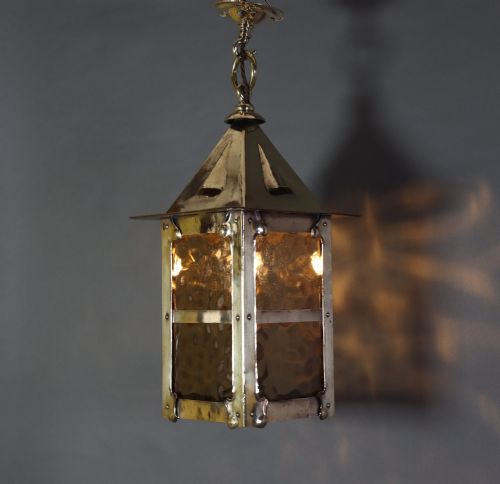
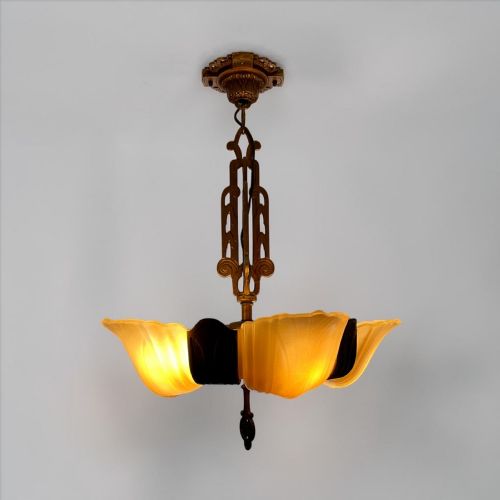
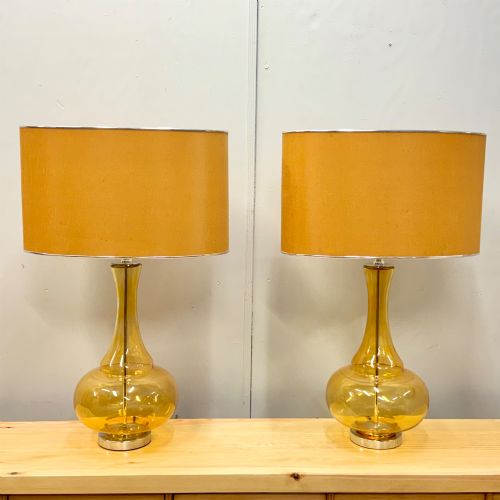
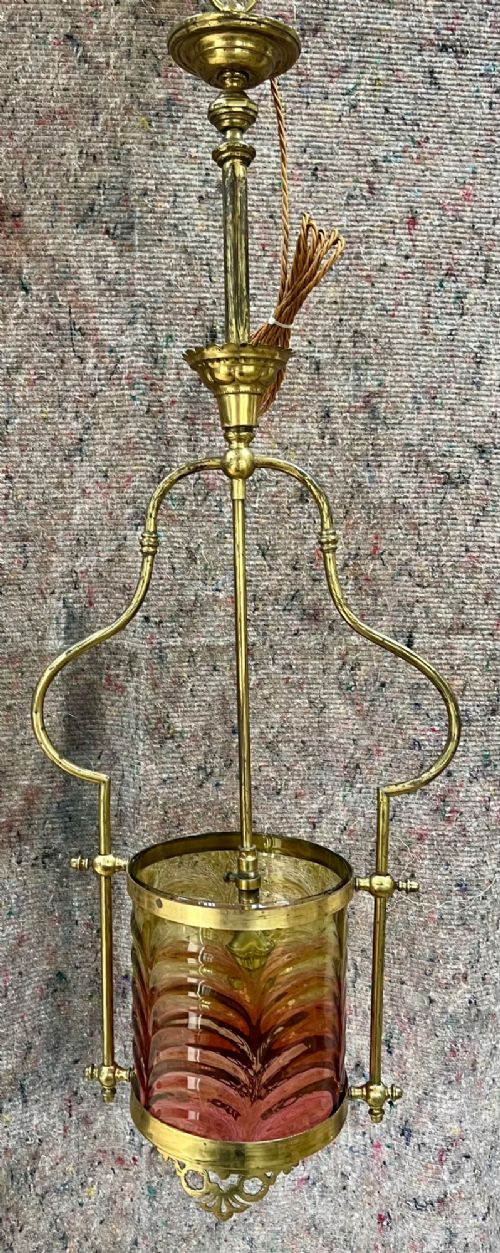
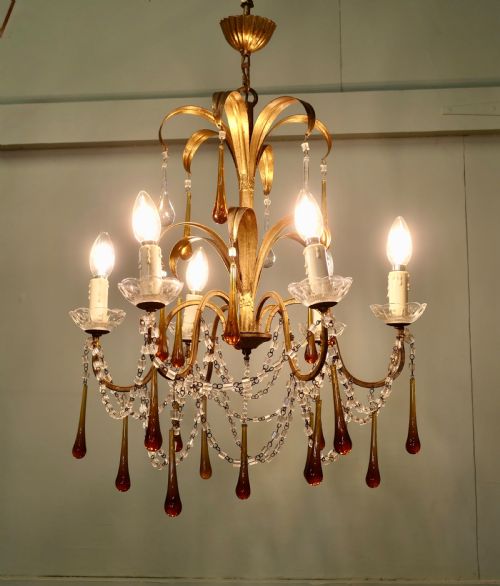
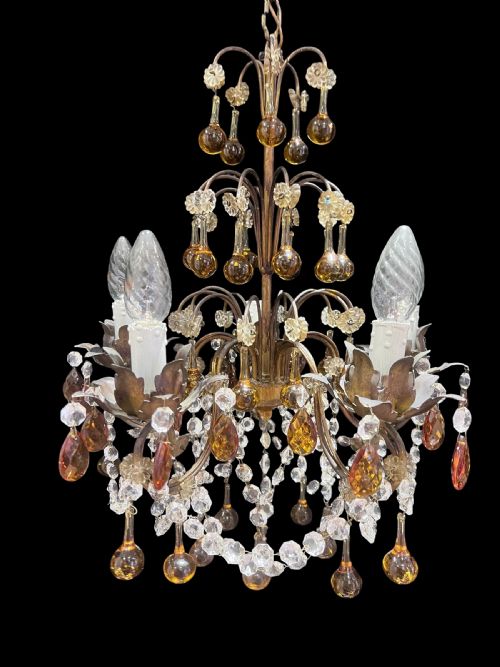
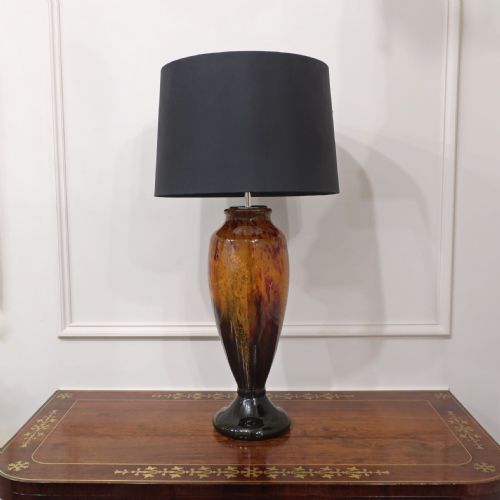
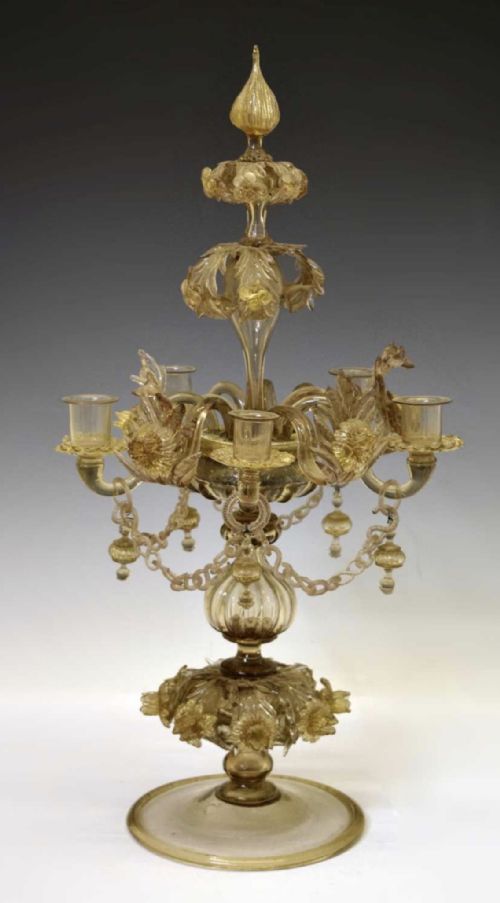
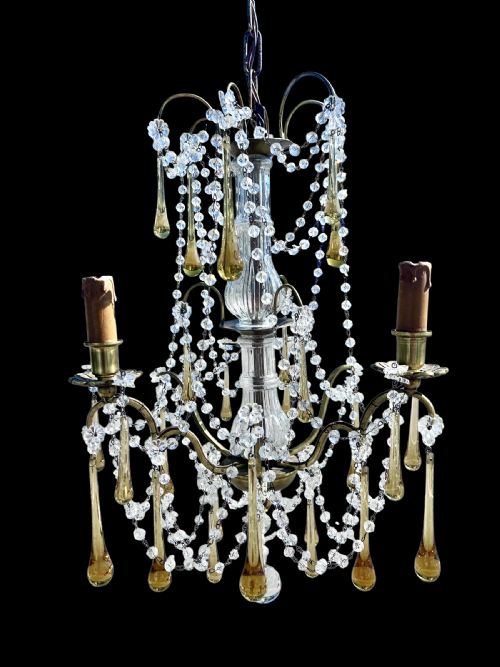
Amber glass lighting encompasses a diverse selection of fixtures designed to illuminate interiors with rich, honey-toned hues. When exploring amber glass lighting, buyers encounter everything from modest wall sconces and table lamps to grand chandeliers hung with crystals.
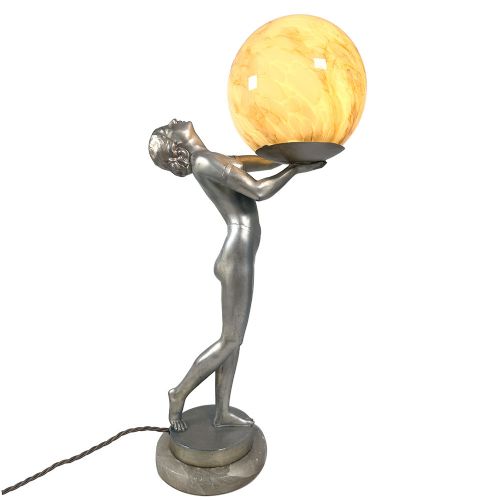
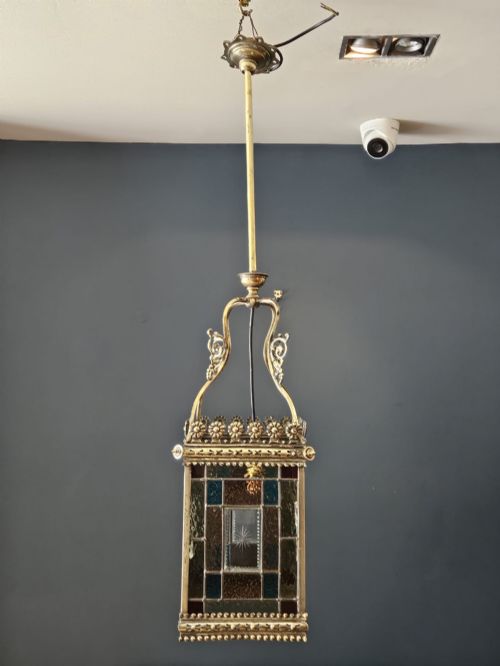
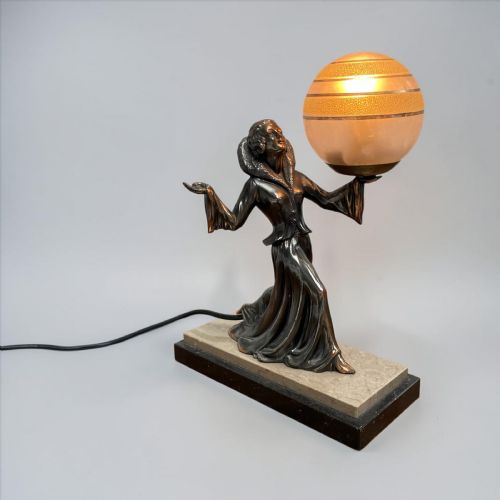
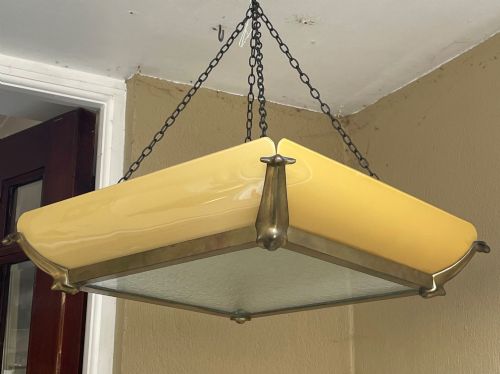
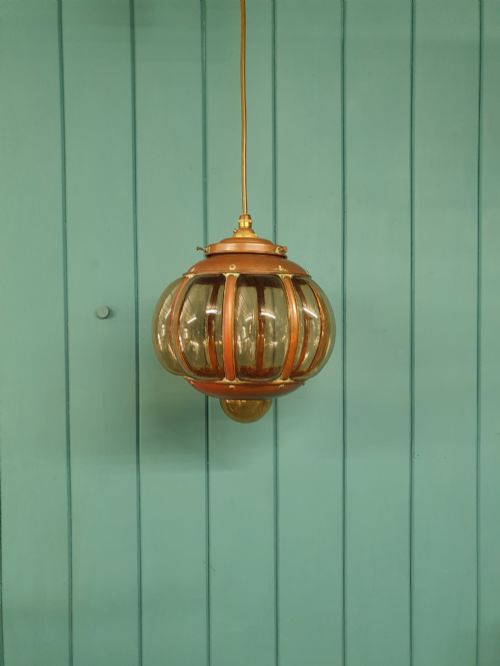
The objects span multiple eras, with strong representation from the Art Deco period alongside Victorian and Edwardian examples. Forms range from ceiling pendants and hall lanterns to specialised figural lamps featuring standing ladies.
Materials and Construction
Maker construction relies heavily on combinations of glass and metal, utilising brass, copper, wrought iron, and chrome alongside leaded, frosted, and mottled glass. Many pieces incorporate decorative crystals and beads formed into fruit or teardrop shapes.
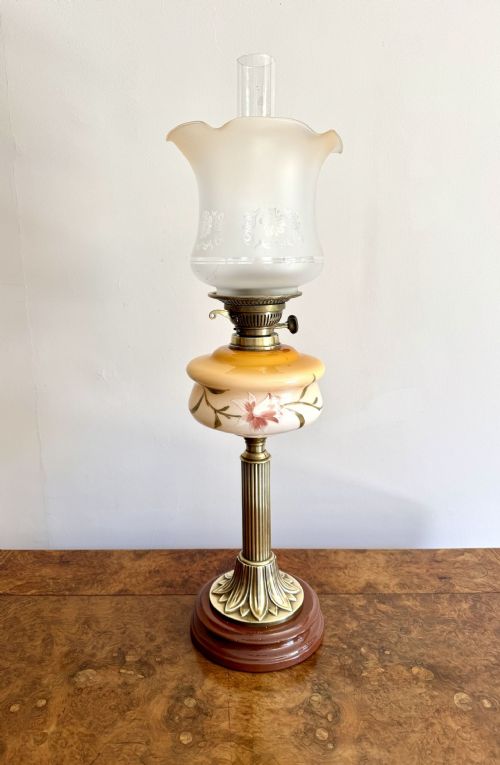
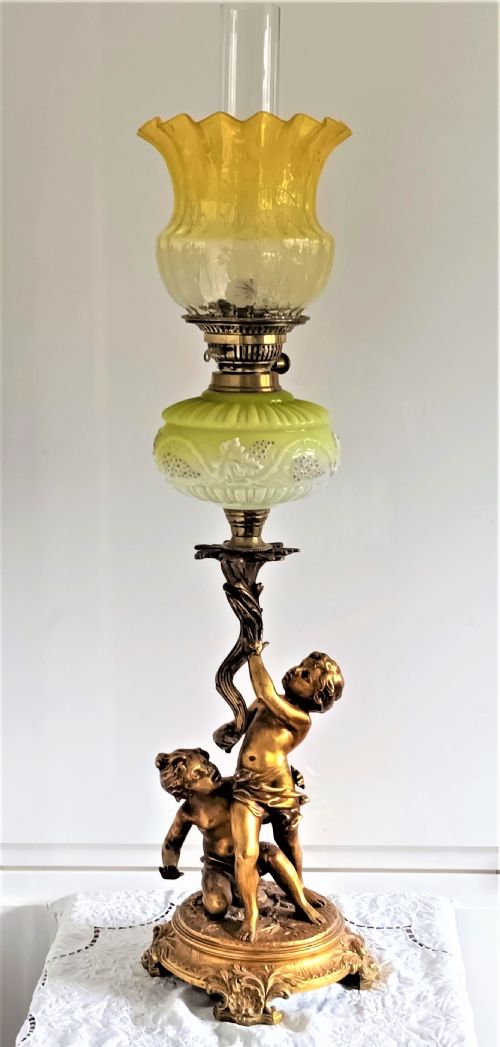
Lighting fixtures from the early twentieth century often pair moulded or slipped glass shades with patinated metal frames, while oil lamps from the nineteenth century integrate heavy brass and gilt tolewear.
Amber Glass Lighting Retail Price Guide 2026
Typical asking prices for amber glass lighting among the pieces listed under this phrase on Sellingantiques today, from the lower quarter to the upper quarter. They describe what is for sale here now, not the wider market.
Materials span glass, brass, crystal, frosted glass, lead, chrome, bakelite, and metal.
Distinctions in Quality
Quality reveals itself in the depth of the glass colour and the intricacy of the metalwork frames, such as hand-soldered leaded panels or finely chased brass. Pieces associated with named glassworks display superior handling of shade mottling and enamelling compared to standard utility items.
The integration of decorative elements like crystal drops, amber bullseyes, or figural spelter supports determines the overall sophistication of the lighting fixture.
The Charles Parker Company·Verrerie Des Vosge
The Amber Glass Lighting Glossary
- Slip shade
- A type of moulded glass shade that slots directly into a metal frame, common in Art Deco ceiling and wall lights.
- Tolewear
- Painted or lacquered metalware used frequently in French chandeliers and decorative lamp components.
- Spelter
- An alloy of zinc and other metals cast into figural bases for table lamps, often given a patinated bronze finish.
- Lead glass
- Glass manufactured with lead oxide to increase clarity and weight, utilised in Victorian and Edwardian lanterns.
- Bullseye
- A thick, circular piece of glass with a central protrusion, often seen integrated into leaded windows and hanging fixtures.
Amber Glass Lighting: Frequently Asked Questions
What periods do these lights come from?
The available lighting spans from the Victorian and Edwardian eras into the early twentieth century. Art Deco pieces from the 1930s are particularly common.
Earlier nineteenth-century examples tend to be oil lamps and brass-framed lanterns.
How do I identify an Art Deco light?
Art Deco lights frequently utilise geometric slip shades, mottled glass, and stylised figural elements such as standing lady lamps. Chrome and brass are common metal pairings for these designs.
Their forms emphasise symmetry and industrial modernity.
Where should I hang a hall lantern?
Hall lanterns work best in entranceways or corridors where their enclosed glass panels can diffuse light evenly. Brass and leaded glass models suit period hallways.
Ceiling height dictates the drop length required for suspension.
Are these lights compatible with modern wiring?
Most antique and vintage fixtures require professional assessment and rewiring to meet current electrical standards. Adapting them for contemporary use is standard practice.
Original brass and copper components can usually be retained during updates.