



Allegorical Figurine
An allegorical figurine turns abstract concepts like seasons, continents and virtues into tangible porcelain and bronze characters for the room.
Allegorical Figurine
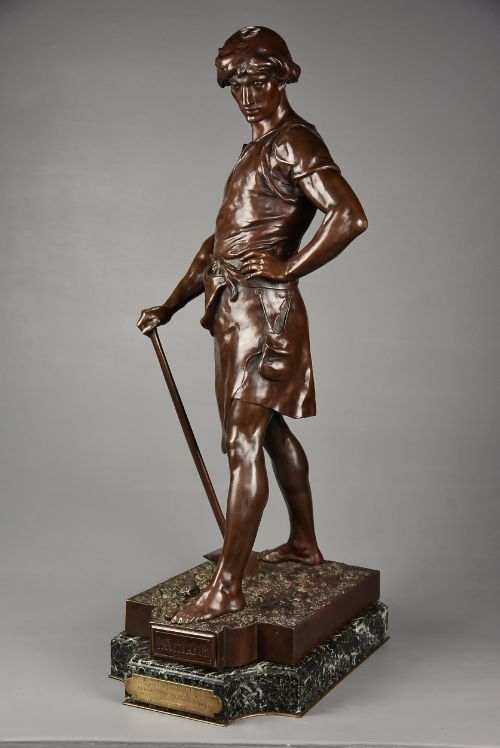
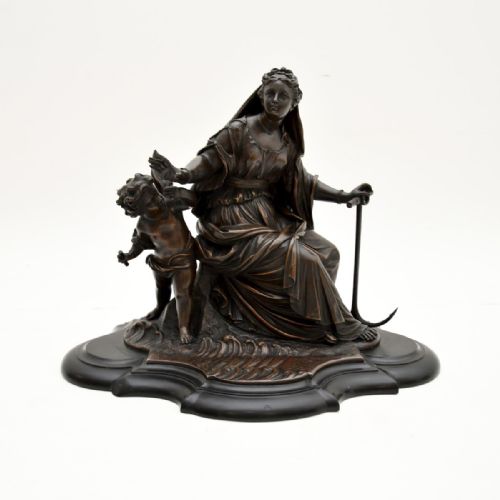
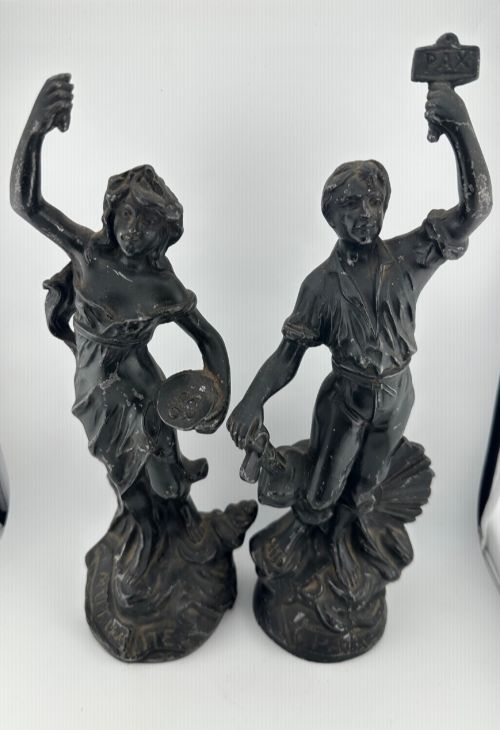
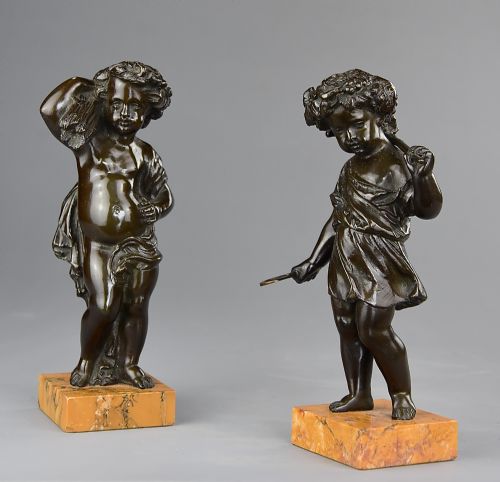
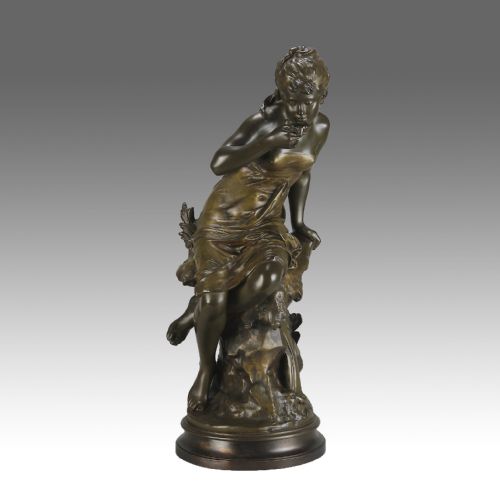
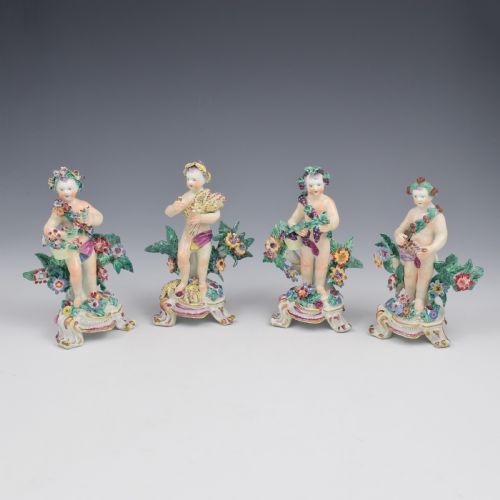
An allegorical figurine personifies themes such as the Four Seasons, the elements, or continents through human or putti figures holding symbolic attributes.
The selections span from eighteenth-century soft-paste porcelain models by factories like Bow, Chelsea and Derby to nineteenth-century French bronzes and continental porcelain groups.
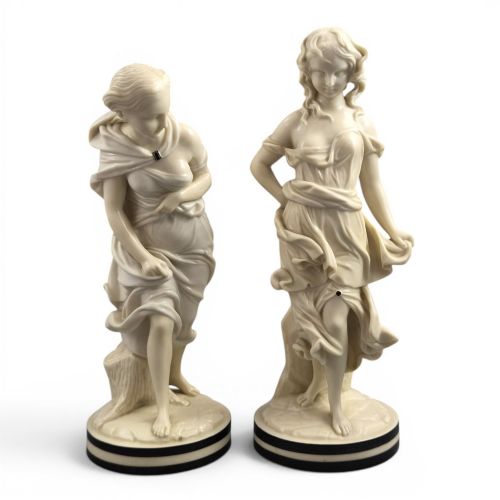
Buyers most frequently encounter pairs and complete series representing seasons or elements, cast in bronze or moulded in porcelain during the eighteenth and nineteenth centuries.
Materials and methods of manufacture
Porcelain examples utilise hard-paste or soft-paste bodies, often enriched with hand-painted enamel colours and gilding before being fired in kilns.
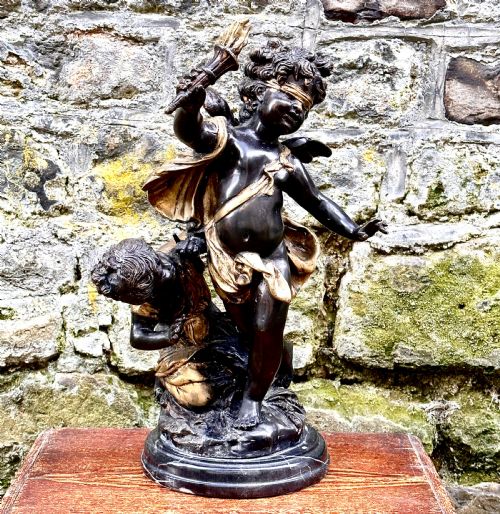
Metal sculptures rely on the lost-wax or sand casting method for bronze and cast metal, finished with patination, cold painting or mounted on marble plinths.
Allegorical Figurine Retail Price Guide 2026
Typical asking prices for allegorical figurine among the pieces listed under this phrase on Sellingantiques today, from the lower quarter to the upper quarter. They describe what is for sale here now, not the wider market.
Father Time occasionally stops clipping cupid's wings long enough to feature in eighteenth-century porcelain table groups.
Distinctions in manufacture and modelling
In porcelain pieces, the delicacy of applied floral details and the precision of the enamel painting separate standard factory output from master modeller work.
Meissen·Bow Porcelain·Royal Worcester·Emile Louis Picault·Mathurin Moreau·Carl Thieme·Derby Porcelain·Chelsea·Volkstedt·Aug Moreau
The Allegorical Figurine Glossary
- Putto
- A plump, naked child figure, frequently winged, used to personify allegorical subjects like harvest or the seasons. These chubby attendants populate both porcelain sets and bronze groups.
- Soft-paste porcelain
- An artificial porcelain body composed of white clay and glass frit, fired at lower temperatures than hard-paste. Eighteenth-century English factories relied on this formula for their early figures.
- Patination
- The surface colour, texture or oxidation developed on bronze sculpture over time or through chemical treatment. This finish highlights the underlying cast details and modelling.
- Soft-paste
- A ceramic composition characteristic of early European porcelain production. It creates a warm, slightly translucent body that interacts distinctively with enamel colours.
Allegorical Figurine: Frequently Asked Questions
How do I identify the subject of an allegorical figurine?
Look for specific attributes held by the character, such as wheat sheaves for autumn, torches for fire, or globes and animals representing the continents.
Factory marks on the underside or incised numbers often confirm the series and the intended allegorical title.
Were these figures made as pairs or single pieces?
Many allegorical figures were produced as complete sets representing the four seasons, elements, or continents.
Pairs depicting contrasting concepts like spring and autumn or water and land remain common survivals from the eighteenth and nineteenth centuries.
What is the difference between porcelain and bronze allegorical figures?
Porcelain figures offer intricate painted enamel details, delicate floral encrustations, and translucent ceramic bodies typical of tabletop decorative arts.
Bronze sculptures provide heavier, patinated metal forms often mounted on marble plinths, suited for mantelpieces and larger displays.
How should I clean antique porcelain and bronze figures?
Dust porcelain gently with a soft dry brush, avoiding water or solvents that might damage delicate hand-painted enamel and gilt highlights.
Bronze sculptures require only occasional light dusting to preserve the patination without stripping the protective surface finish.