

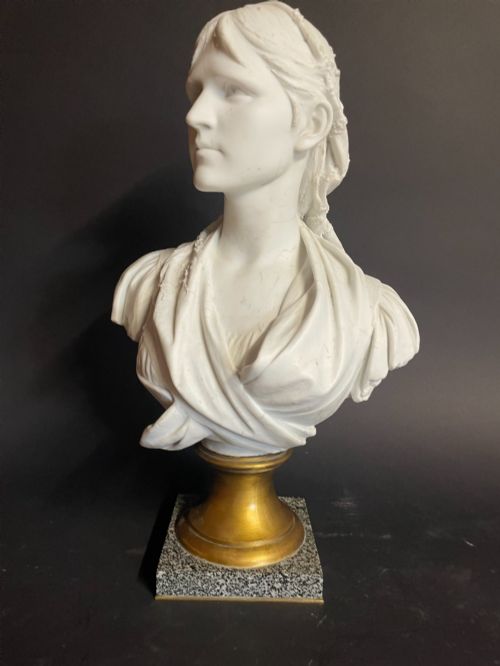



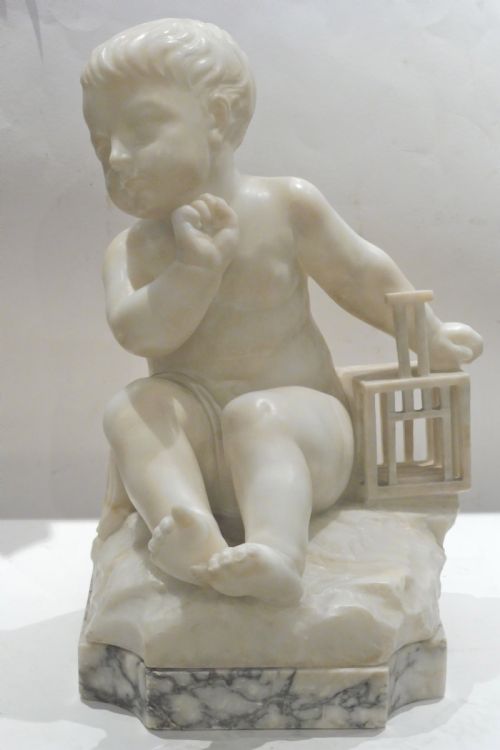

Alabaster Base Statue
An alabaster base statue brings solid mineral weight and finely carved detail to a room, offering a classic focal point for a collector.
Alabaster Base Statue
When you search for an alabaster base statue, you are looking at figural sculptures and functional items mounted on pale, translucent stone plinths. These pieces range from Victorian classical figures to Art Deco studies of women.
The versions you are most likely to meet on this page pair metal figures, such as bronze or spelter, with pale stone foundations. They date predominantly from the nineteenth century through the early twentieth century.
Makers utilised the dense, fine-grained stone to elevate the figures above ordinary wooden mounts. This combination of materials provides a stable footing while contrasting the dark metal with glowing white or amber mineral.
How they were made
The structural foundation of these pieces relies on carved alabaster or marble, shaped into plinths, pools, or stepped bases. Artisans turned or chiselled the soft stone to support heavier metal work.
Figures mounted on the stone were cast in bronze or spelter, sometimes finished with a dark bronze patina or painted details. These metal components were then secured to the mineral base using threaded bolts or pins.
Alabaster Base Statue Retail Price Guide 2026
Typical asking prices for alabaster base statue among the pieces listed under this phrase on Sellingantiques today, from the lower quarter to the upper quarter. They describe what is for sale here now, not the wider market.
Several ladies found themselves standing permanently in miniature stone swimming pools.
What varies in quality
Proportion and material integrity separate ordinary production pieces from superior works. A well-balanced composition where the metal figure and the stone plinth complement each other indicates higher workshop standards.
Emile Guillemin·Pugi
The Alabaster Base Statue Glossary
- Alabaster
- A fine-grained, translucent stone used historically for carving figures and architectural ornaments. Its soft nature allows for delicate detail work.
- Spelter
- A zinc alloy commonly utilised as an economical alternative to bronze for nineteenth-century decorative figures. It is often given a bronze-finish coating.
- Patina
- The surface sheen or colour developed on metal over time through age and handling. It helps indicate the genuine age of a cast sculpture.
- Plinth
- A heavy block or base upon which a statue or lamp is mounted. It provides both physical stability and visual elevation.
Alabaster Base Statue: Frequently Asked Questions
What is an alabaster base statue?
These works comprise sculptural figures or lamps mounted on solid mineral plinths. They frequently combine cast metals with carved stone.
Most examples date from the Victorian era to the Art Deco period. They were created primarily for domestic display on mantelpieces or tables.
How do I clean alabaster?
Alabaster is a soft and water-soluble mineral that requires careful handling. Dusting with a dry, soft cloth is normally sufficient for routine maintenance.
Avoid using water, commercial cleaners, or chemical solvents on the stone surface. Moisture will permanently stain or dissolve the delicate material.
Are spelter and bronze different?
Spelter is a zinc-based alloy that is lighter and softer than bronze. It was widely used for European decorative figures during the nineteenth century.
Bronze is a heavier copper alloy that takes a finer cast and withstands wear better. Sculptures cast in bronze generally command higher regard among collectors.
How do I date these pieces?
Stylistic indicators such as Neoclassical, Art Nouveau, and Art Deco designs help narrow the period of manufacture. Costume, hair styling, and lettering on the base also offer clues.
Construction methods, including the type of fixing hardware used to secure the figure to the stone, assist in confirming age.