



African Wooden Sculpture
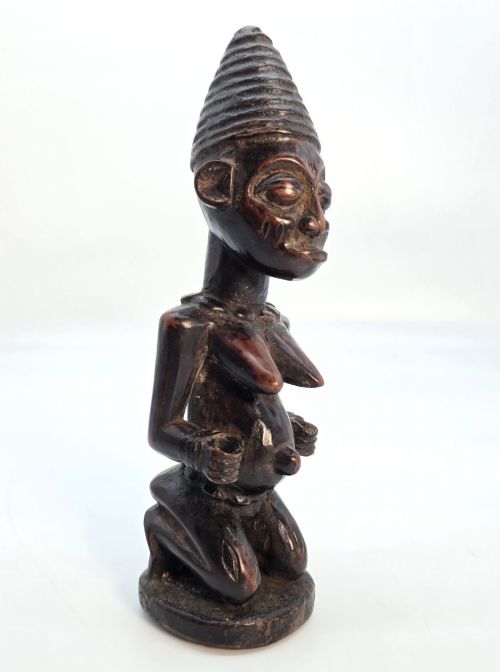
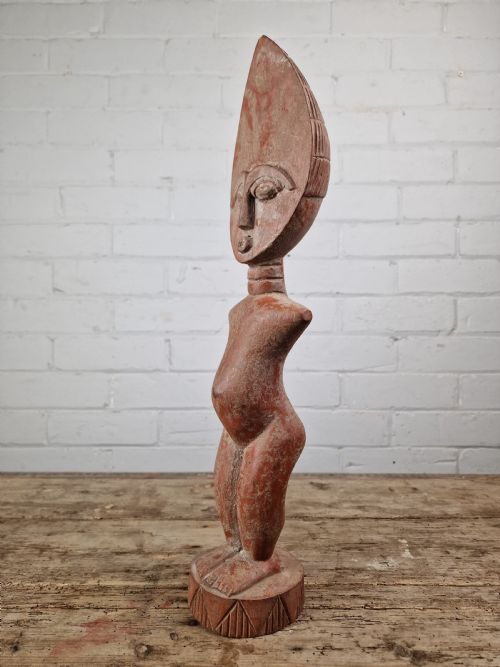
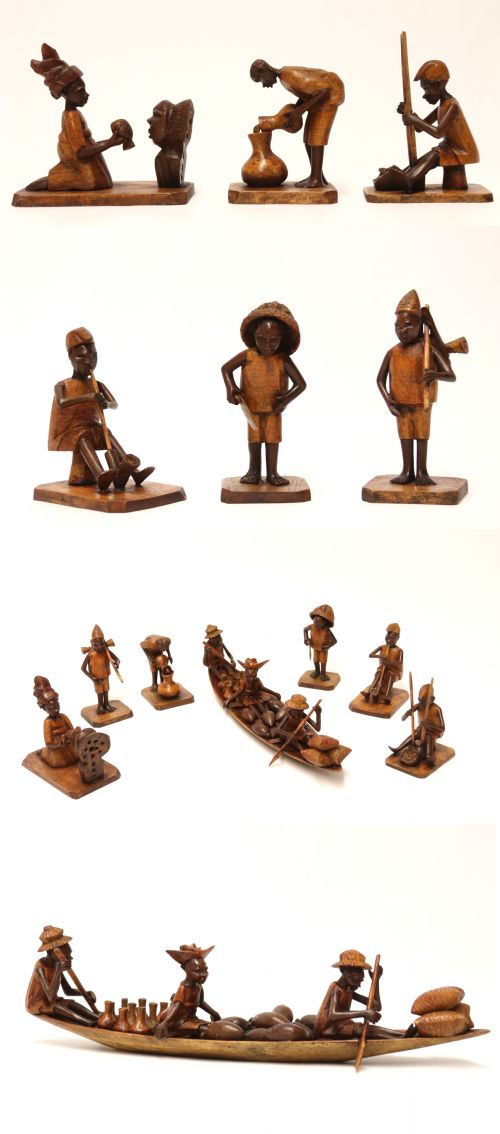
These pieces of african wooden sculpture range from figural reliquary heads to ceremonial masks, offering distinct traditional artistry from across the continent.
African Wooden Sculpture
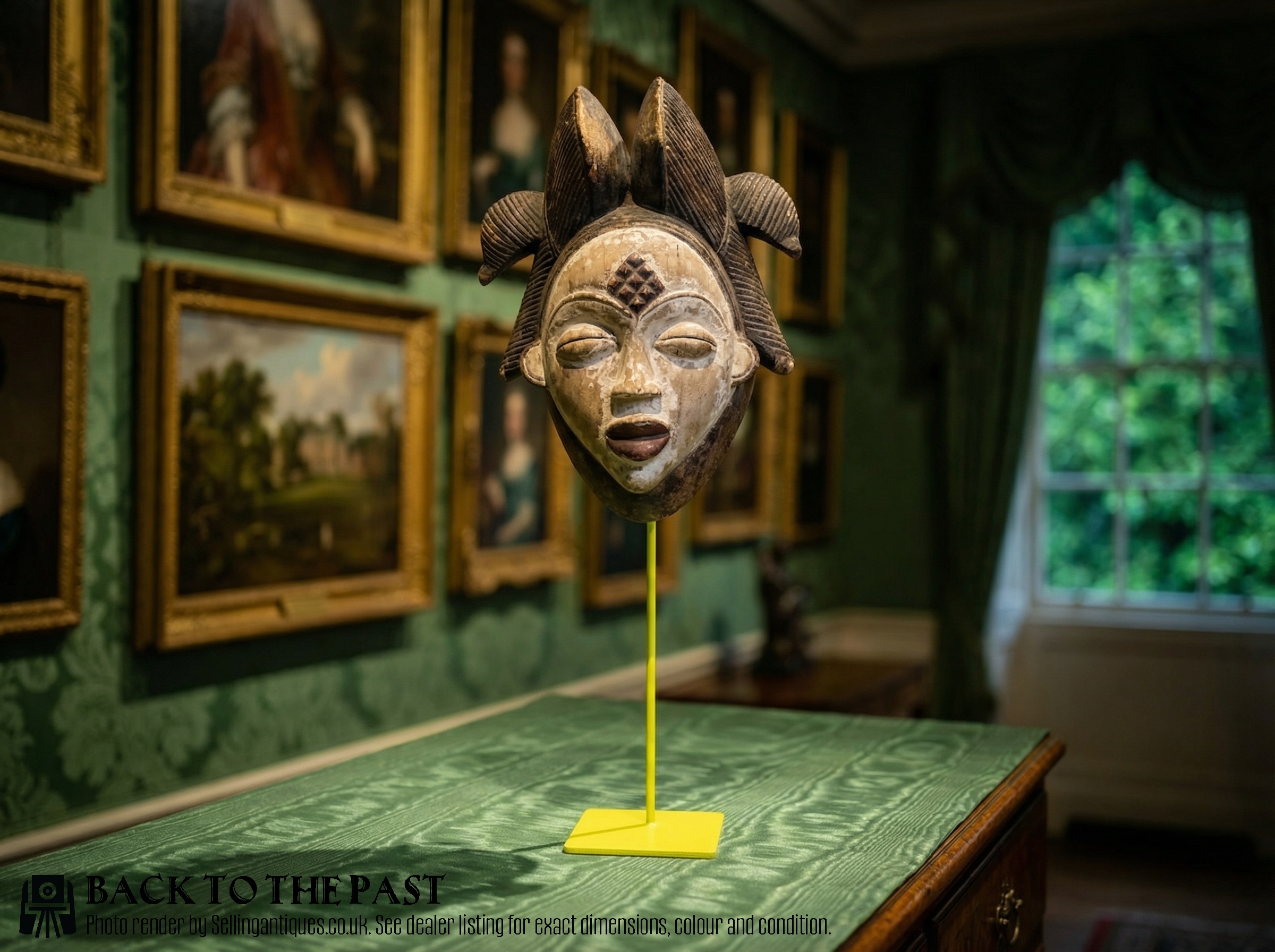
African wooden sculpture encompasses a diverse array of traditional artefacts, ranging from figural reliquary guardian heads and fertility figures to ceremonial masks, headdresses, and utilitarian objects. When exploring african wooden sculpture, you encounter works originating from specific cultural groups such as the Yoruba, Dogon, Baule, Fang, and Kuba. These pieces reflect the spiritual, social, and ritual lives of their makers, capturing ancestral connections and community traditions.
How they were made
Makers of african wooden sculpture predominantly utilised local timbers, shaping the material with adzes, chisels, and knives to achieve complex forms. Hardwood and general carved wood form the structural foundation of these items, often selected for durability and grain pattern. Artisans worked directly with the natural properties of the timber, allowing the grain to enhance the expression of a figure or the contours of a mask.
Listings feature works from the 19th century through the 1950s, created in hardwood, carved wood, and pigment.
What varies in quality
The distinction in quality across african wooden sculpture rests upon the fluidity of the carving, the balance of the proportions, and the depth of the expression achieved by the carver. Superior pieces display confident handling of the material where tool marks are purposefully integrated into the form rather than appearing hesitant or crude. The strength of the silhouette and the harmony between functional elements and sculptural detail separate standard workshop output from exceptional artistry.
Surface integrity and age-related patina significantly influence the character of each piece. An authentic patination developed through ceremonial use and handling provides visual depth that cannot be replicated by artificial ageing. The retention of original pigments and the preservation of delicate carved details further distinguish finer examples within the category.
Abegunde of Ede
The African Wooden Sculpture Glossary
- Patina
- The surface sheen and colour acquired by wood through age, handling, and exposure to oils or smoke over decades. This quality indicates the authentic history and use of an artefact.
- Reliquary
- A container or guardian figure designed to hold ancestral remains or sacred relics. In certain traditions, these figures protect the contents while connecting the living to their lineage.
- Ibeji
- A wooden figure carved by the Yoruba people to represent a deceased twin. These sculptures receive ritual care and reflect beliefs surrounding duality and family lineage.
- Asen
- A ritual altar or staff fashioned in metal or wood. These objects serve as focal points for offerings and communication with spirits or ancestors.
- Byeri
- A reliquary guardian system associated with the Fang people of Gabon. Sculptural heads or figures from this tradition sit atop bark boxes containing ancestral bones.
African Wooden Sculpture: Frequently Asked Questions
What is an african wooden sculpture?
These sculptures are traditional carved artefacts created by various cultural groups across Africa for ceremonial, spiritual, or utilitarian purposes. They include figures, masks, and ritual objects made from timber.
Items range from ancestral guardian figures and fertility statues to dance masks and carved household items, reflecting the distinct artistic traditions of regions such as Nigeria, Gabon, and the Ivory Coast.
How were these tribal sculptures used?
Tribal sculptures served active roles in community rituals, ancestral veneration, agricultural rites, and initiations. Many pieces were worn during dances or placed upon shrines.
Other objects functioned in daily life, such as carved headrests, stools, and spoons, combining practical utility with symbolic carving that denoted status or tribal identity.
How do you care for wooden sculptures?
Preserving these wooden items requires stable indoor environments away from direct sunlight and extreme humidity fluctuations. Keeping the atmosphere consistent prevents the timber from splitting or warping.
Cleaning should be limited to gentle dusting with a soft, dry cloth. Avoid applying oils, waxes, or chemical cleaners, as these can disturb the historic patina and accumulated pigments on the surface.
How can you tell the age of these carvings?
Determining the age of a carving involves examining the tool marks, the nature of the wood wear, and the depth of the surface patina. Natural ageing leaves distinct traces of handling and oxidation.
Stylistic conventions and tribal attribution also provide context for dating, aligning specific carving methods and iconography with documented periods from the nineteenth and early twentieth centuries.