





African Mask Sculpture
These african mask sculpture pieces bring carved tribal presence into a room, offering historic artistry and powerful ritual forms.
African Mask Sculpture
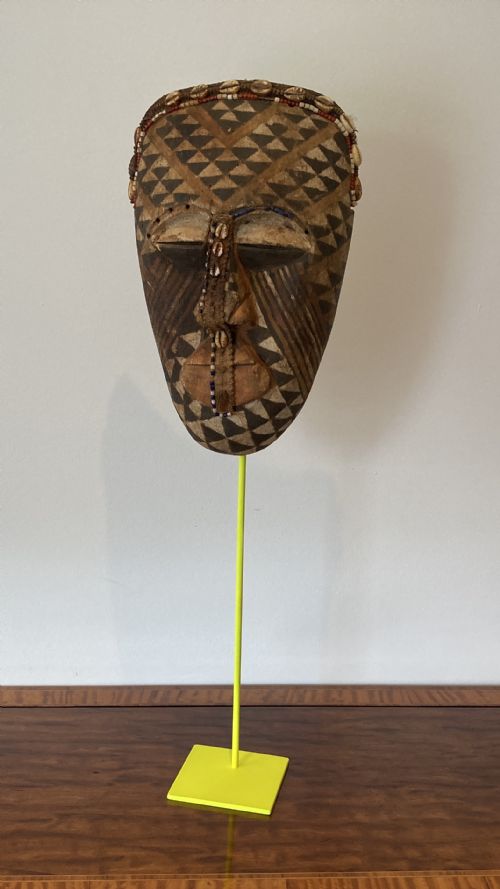
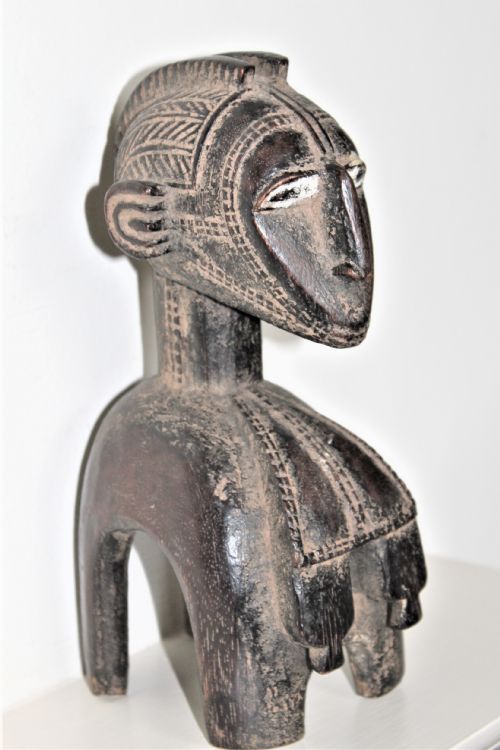
An african mask sculpture brings together traditional tribal artefacts and sculptural forms originating from distinct regions and indigenous communities across the continent. These works embody cultural heritage, often serving ceremonial functions within their original societies before entering the decorative sphere.
Buyers encountering this selection will frequently find items associated with specific groups such as the Baule, Gouro, Ligbi, and Punu peoples. These pieces range from compact wooden face masks to larger shoulder masks and bronze portrait busts.
The objects span multiple eras, with nineteenth-century examples sitting alongside Edwardian-era pieces and later twentieth-century works. Forms include dance masks, reliquary guardians, and figurative wall sculptures that reflect diverse sculptural traditions.
Materials and construction
Many examples incorporate applied surface treatments including natural pigments, kaolin pigment, and fibre attachments. These organic materials enhance the visual depth of the sculpture and complete the intended ceremonial appearance.
African Mask Sculpture Retail Price Guide 2026
Typical asking prices for african mask sculpture among the pieces listed under this phrase on Sellingantiques today, from the lower quarter to the upper quarter. They describe what is for sale here now, not the wider market.
A solitary warthog mask manages to bring an entire Ivorian menagerie indoors with surprising dignity.
Assessing quality and character
Quality rests upon the sculptural confidence of the carving and the fidelity of the regional style. Stronger examples demonstrate assured handling of facial proportions and balanced symmetry.
The presence of authentic surface wear and original pigment adds significant depth to a piece. Handling marks and accumulated patination reveal the history of the object beyond its basic form.
The African Mask Sculpture Glossary
- Patina
- The surface sheen and coloration developed through handling, age, and exposure to the elements over time. It provides visual evidence of an object's history and use.
- Kaolin
- A fine white clay used historically as a pigment on ceremonial masks and sculptures. It creates high-contrast markings against darker carved wood surfaces.
- Reliquary
- A container or guardian figure designed to hold ancestral relics or sacred items. These wooden figures watch over sacred materials within specific tribal traditions.
- Shoulder mask
- A large ceremonial headpiece designed to rest directly upon the wearer's shoulders rather than covering the face. These impressive structures often feature elaborate crests and extensive framing.
African Mask Sculpture: Frequently Asked Questions
What is an african mask sculpture?
An african mask sculpture is a traditional carved object created by various indigenous groups for ceremonial, ritual, or decorative purposes. These pieces represent ancestral spirits, animals, or idealized human traits within their originating cultures.
Over time, these artefacts transitioned into appreciated works of art collected for their powerful aesthetic impact and cultural significance. Each item reflects the distinct artistic language of the region and community that produced it.
How were these masks used?
Many of these masks served active roles in community rituals, dances, and agricultural ceremonies. Wearers performed wearing them to invoke ancestral protection, mark seasonal changes, or mediate disputes.
Dance masks were accompanied by elaborate textile costumes and body movements that brought the wooden sculpture to life. The physical wear visible on many pieces often stems from this active ceremonial participation.
How do I display a tribal mask?
Displaying a tribal mask requires stable placement on a dedicated custom metal stand or secure wall mounting. Keeping the piece away from direct sunlight and dramatic humidity shifts protects the organic wood and applied pigments.
Allowing sufficient surrounding space lets the strong sculptural lines and facial expressions command attention. Proper lighting can accentuate the carved depth and surface texture without harming the materials.