





Advertising Display Case
An advertising display case brings commercial history into the home, offering glazed frontage to showcase small collections or keepsakes.
Advertising Display Case
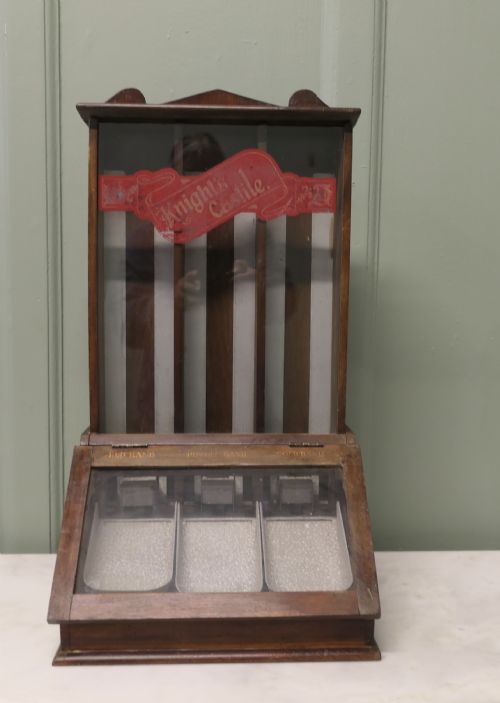
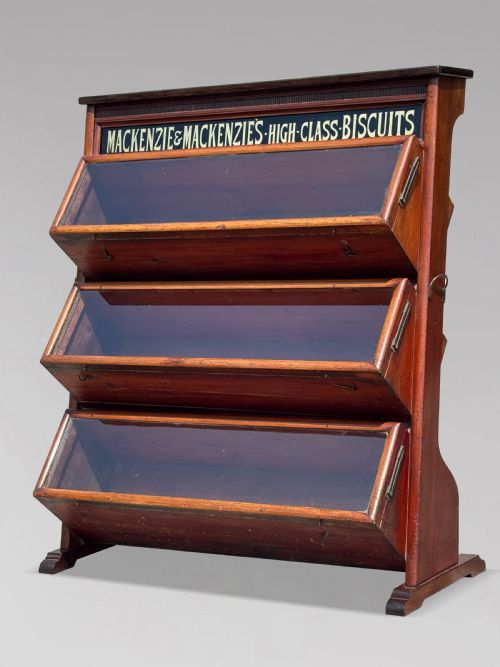
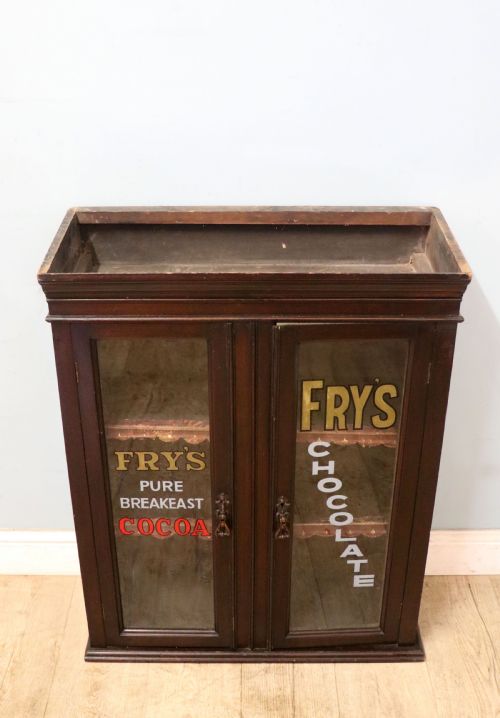
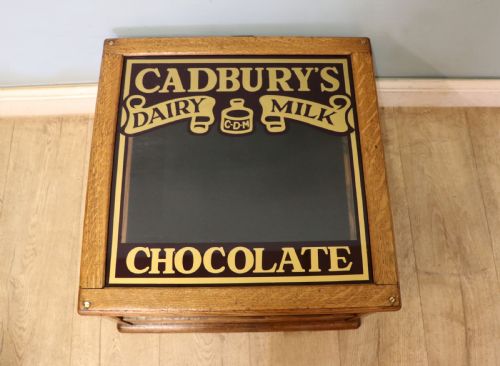
An advertising display case serves as a countertop or wall-mounted unit originally built to promote and vend confectionery, soaps, writing implements, or pharmaceuticals in shops. When you search for an advertising display case, you encounter specialised wooden cabinets bearing brand names like Cadbury's, Fry's, and Rowntree's.
The pieces span the Victorian, Edwardian, and Art Deco eras, alongside mechanical dispensing variations from the 1930s. Countertop shop display cabinets and wall-mounted vitrine types dominate the available forms.
Makers produced these enclosures for grocers, chemists, and stationers, utilising glass panels so customers could inspect goods while merchants kept them secure.
Materials and construction
Craftsmen built these cabinets primarily using solid mahogany, walnut, oak, and other hardwoods, paired with glazed viewing doors. Brass hardware, such as hinges and catches, frequently secures the access points.
Makers applied hand sign writing directly to the glass or timber surfaces to display brand lettering, sometimes complemented by gold leaf detailing or satinwood inlay.
Several cabinets were specifically engineered to dispense sewing cottons and castile soap right beside the till.
Distinctions in quality
Superior examples employ solid hardwoods like mahogany and American walnut rather than simpler timber framing, offering heavier construction and more refined joinery. The crispness and originality of the hand sign written lettering significantly influence the character of each piece.
Finer specimens retain their original mechanical dispensing mechanisms or interior fittings, whereas other units depend on simpler fixed shelving.
Ermen & Roby·Aitchison
The Advertising Display Case Glossary
- Countertop display cabinet
- A glazed box designed to sit upon a shop counter for customer browsing. These units placed goods directly before the buyer at eye level.
- Sign written
- Lettering applied by hand to glass or wood surfaces to advertise a brand or product. This technique provided bespoke branding before mass-printed panels became common.
- Vitrine
- A glass-fronted cabinet used for displaying fine objects or curiosities. Versions in these listings follow specific revival styles such as Louis XV.
- Mechanical dispensing cabinet
- A unit fitted with internal mechanisms to release items upon operation. These tend to date from the 1930s.
- Apothecary box
- A specialised storage chest for medicinal substances and pharmacy goods. They often feature multiple internal compartments.
Advertising Display Case: Frequently Asked Questions
What were advertising display cases used for originally?
Merchants utilised these glazed cabinets on shop counters and walls to hold and market everyday goods such as chocolate, soap, sewing cottons, and pencils.
The transparent glass protected stock from dust and handling while permitting customers to view the merchandise clearly.
How do I date an advertising display case?
Dating relies on stylistic clues, timber choices, and the specific brands or typographic styles painted on the glass and wood. Victorian and Edwardian pieces often display heavier hardwood frames and traditional serif lettering.
Later 1930s examples shift towards Art Deco geometries and mechanical dispensing functions.
Are the brand sign writings original?
Listings frequently note whether lettering is original to the piece or added later as hand sign written decoration. Many surviving shopfitting cabinets received promotional text long after their initial manufacture to serve new marketing campaigns.
Inspect the surface wear around the lettering to understand its relationship to the wood or glass beneath.
Where should I place one in a modern home?
These cabinets suit kitchen countertops, living room walls, or studies where their glazed doors protect small collections from dust. Their shallow depths allow them to sit comfortably on sideboards or tables.
Ensure adequate clearance for hinged doors to open fully during use.