


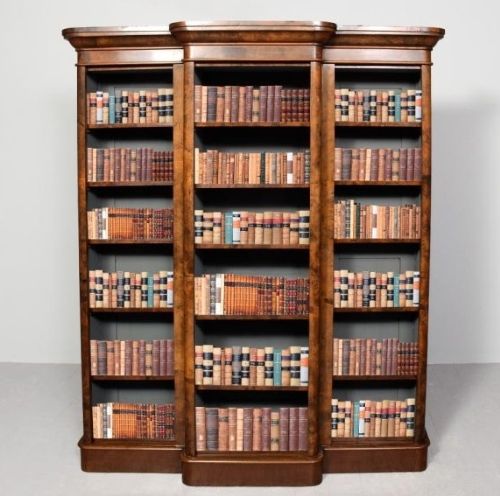


Adjustable Shelf Cabinet
An adjustable shelf cabinet brings order to a room, offering adaptable storage shaped by the periods from the Regency era through to the twentieth century.
Adjustable Shelf Cabinet
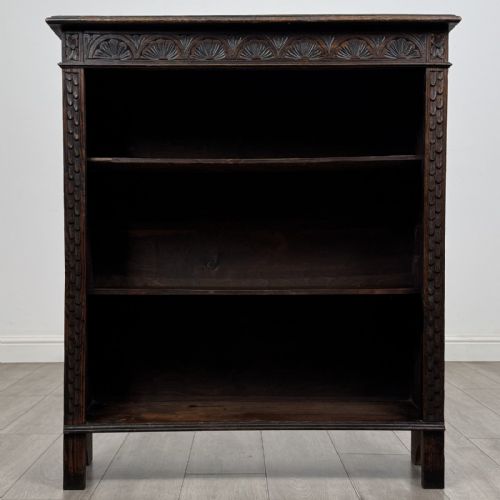
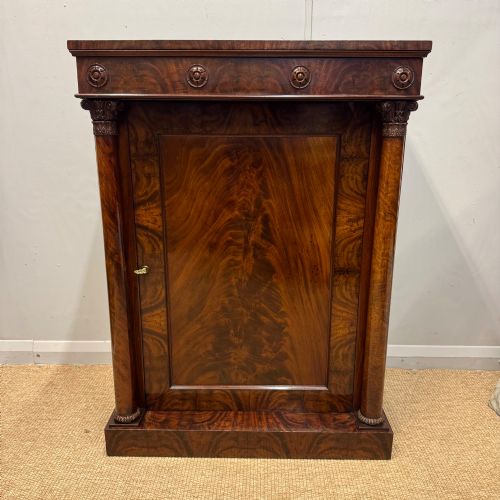
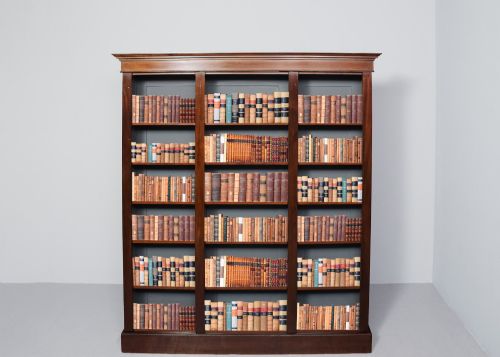
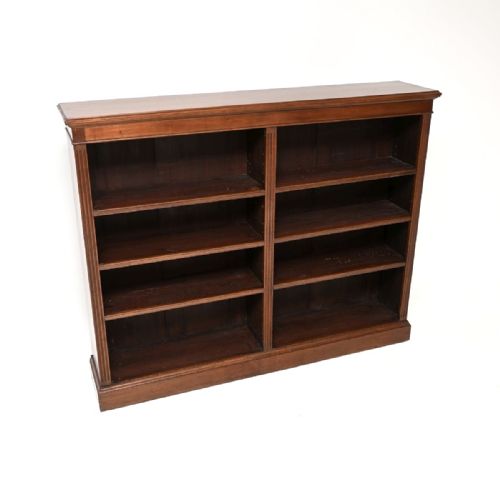
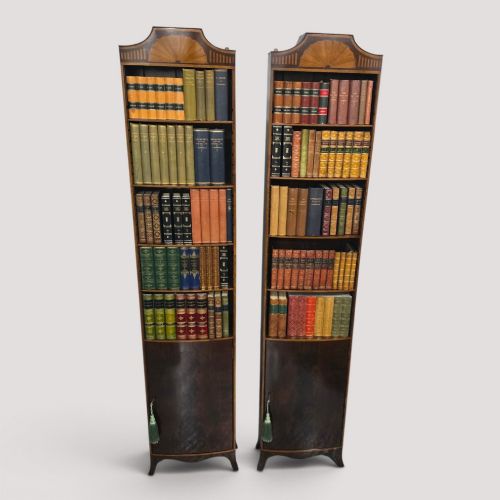
When searching for an adjustable shelf cabinet, you encounter diverse forms designed to house books, display objects, or store household items. The selections on this page span several centuries, with prominent representation from the Victorian and Edwardian eras alongside nineteenth-century works.
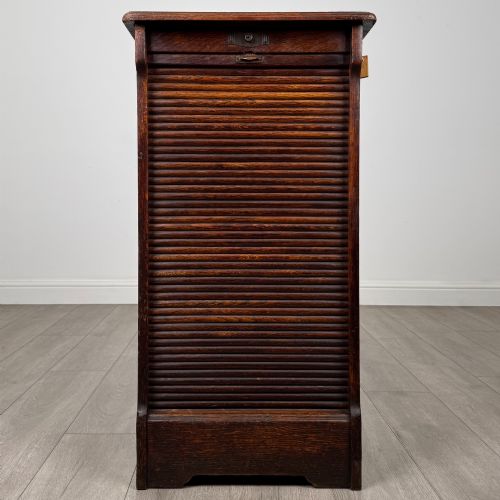
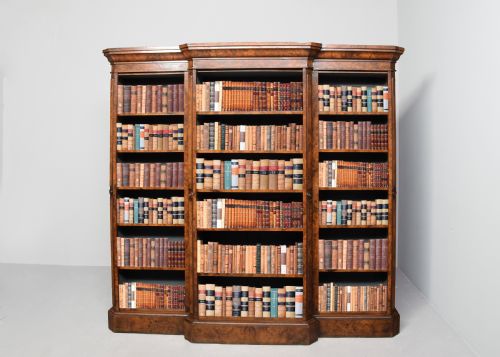
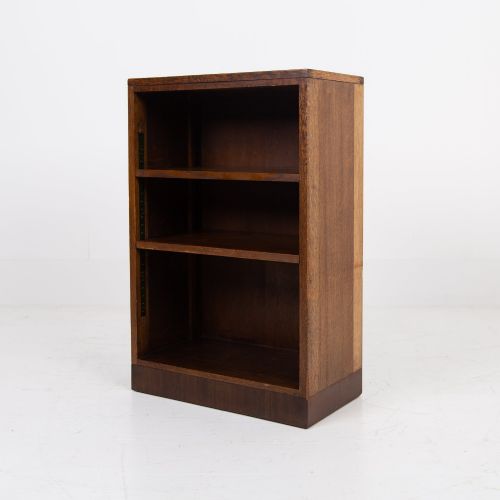
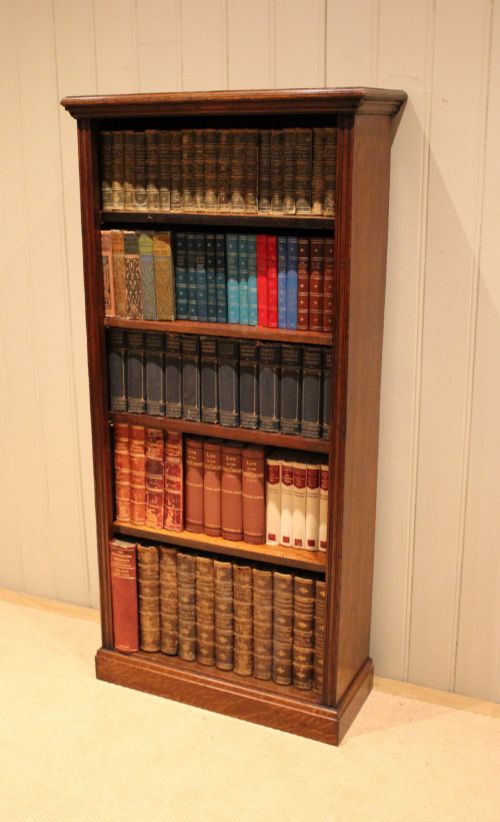
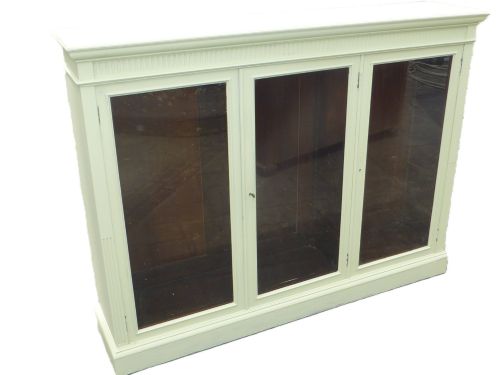
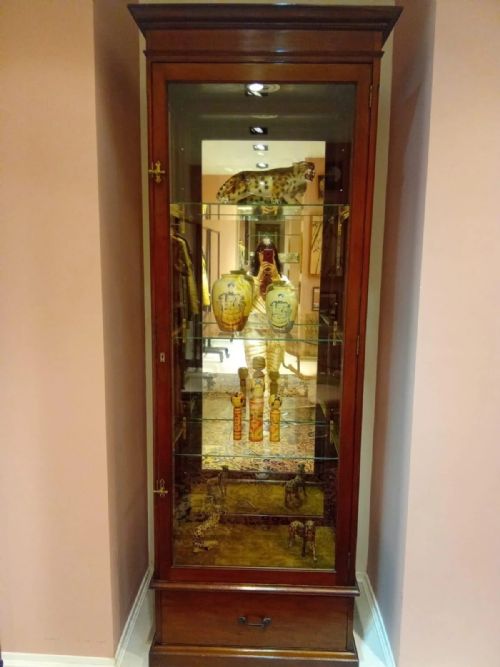
The primary forms appearing here include open bookcases, glazed display cabinets, pier cabinets, breakfront libraries, and tambour storage units. Many pieces utilise timber shelving that repositions via internal tracks or ratchets to accommodate volumes of varying heights.
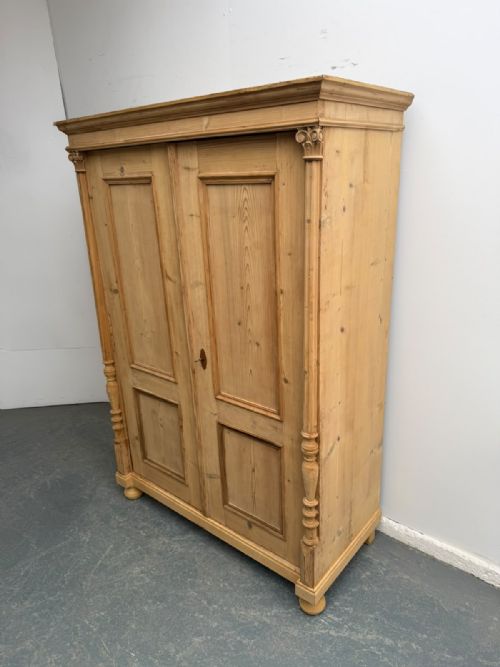
Origins range from straightforward rustic pine country furniture to polished mahogany and burr walnut library pieces created with classical proportions. You will frequently find multi-section breakfront bookcases and tall oak shelving units equipped with the adaptable interior space that defines the genre.
How they were made
Cabinet makers constructed these pieces predominantly using solid hardwoods and selected veneers, with oak, mahogany, walnut, and pine forming the structural carcasses. Workshops applied fine details such as satinwood inlay, brass hardware, and patinated marble tops to elevate the finish of the cabinets.
Interior flexibility relies on mechanical ingenuity, utilising slotted wooden uprights, metal rack strips, or concertina mechanisms to alter shelf heights. Glazed doors feature timber framing enclosing glass panels, while tambour fronts employ narrow slats running on tracks to conceal storage compartments.
Adjustable Shelf Cabinet Retail Price Guide 2026
Typical asking prices for adjustable shelf cabinet among the pieces listed under this phrase on Sellingantiques today, from the lower quarter to the upper quarter. They describe what is for sale here now, not the wider market.
Some nineteenth-century cabinets include leather-topped writing slides that pull out smoothly from beneath the adjustable shelves.
What varies in quality
The distinction between standard utility furniture and superior cabinet work rests on timber selection and decorative ambition. Finer examples display figured burr walnut, rich mahogany grains, or crisp Sheraton-style inlay, whereas everyday pieces rely on plain pine or straightforward oak construction.
Execution of the mechanical elements also separates grades of production, from basic fixed notches to smoothly engineered adjustable brass racking and concertina door actions. The presence of architectural elements like breakfront cornices, glazed tracery, and harmonious proportions marks the upper tier of maker output.
Bowman Brothers, London
The Adjustable Shelf Cabinet Glossary
- Breakfront
- A cabinet design where the central section projects forward from the flanking wings. This configuration creates visual depth in larger library bookcases.
- Tambour
- A flexible sliding door constructed from narrow vertical strips of wood glued to a fabric backing. It runs within a grooved track to enclose storage spaces neatly.
- Pier cabinet
- A low freestanding cabinet designed to fit into the wall space or pier between windows. These often feature glazed doors and decorative wood veneers.
- Concertina door
- A folding door mechanism that expands and retracts in a zig-zag motion. It allows wide access to the interior of a bookcase or cabinet.
- Satinwood inlay
- Decorative woodwork where contrasting light-coloured satinwood is inserted into recesses of a darker primary timber. It creates geometric or floral patterns.
Adjustable Shelf Cabinet: Frequently Asked Questions
How do adjustable shelves work?
Internal shelving rests on moveable supports, allowing you to reposition boards up or down to fit books of various sizes.
Older cabinets typically employ wooden notches, metal rack strips, or mechanical concertina actions to achieve this flexibility.
Where should I place a cabinet?
These pieces suit living rooms, studies, and libraries where adaptable storage for books or display items is required.
Tall breakfront units need substantial wall space, while slim pier cabinets fit well into narrower alcoves.
Are these pieces solid wood?
Construction varies by period and workshop, incorporating both solid timbers like oak and pine alongside decorative wood veneers.
Finer library bookcases often feature mahogany or walnut veneers laid over stable secondary woods to showcase rich grain patterns.
How do I date a cabinet?
Stylistic clues such as Regency classical lines, Victorian Gothic details, or Edwardian satinwood inlay help indicate the period of manufacture.
Construction methods and the specific type of internal shelf adjustment hardware also provide guidance on age.