



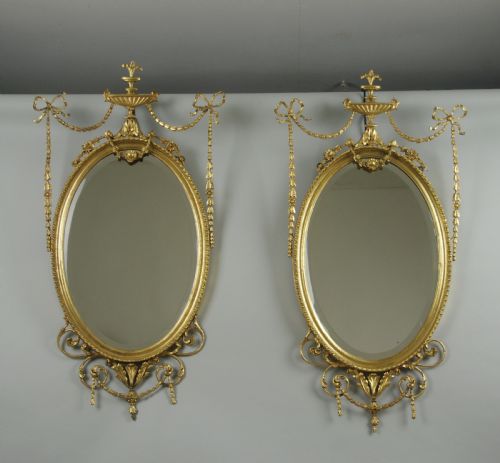


Adam Style Urn
These adam style urn pieces bring neoclassical symmetry and classical urn motifs into period interiors.
Adam Style Urn
When searching for an adam style urn, you encounter objects spanning the nineteenth and twentieth centuries, including wall mirrors, side tables, and tea urns. The selection on this page relies heavily on revival pieces from the Victorian, Edwardian, and late nineteenth centuries, alongside earlier Georgian examples.
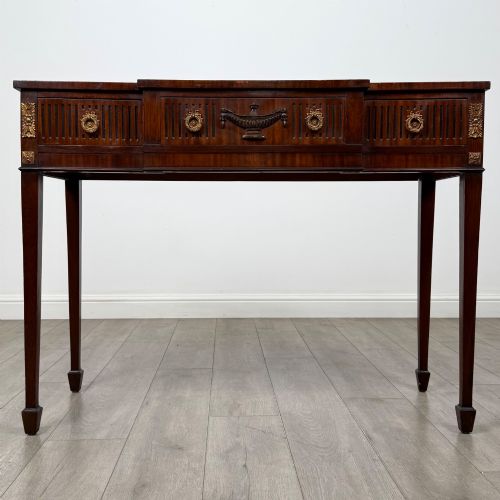
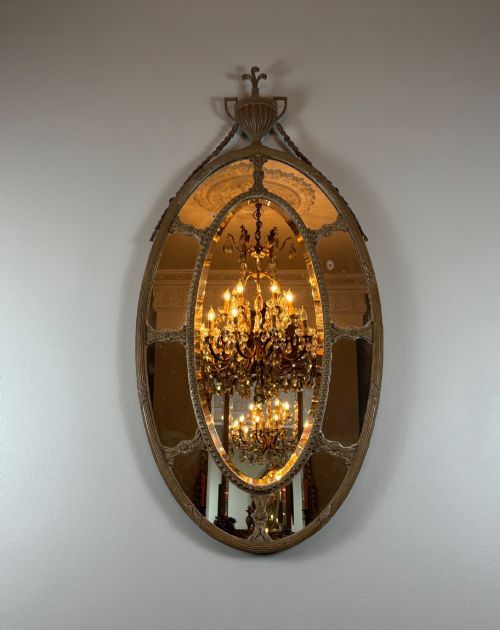
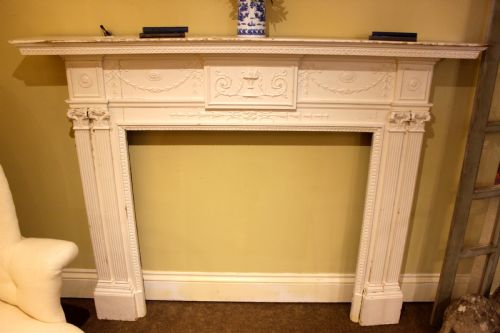
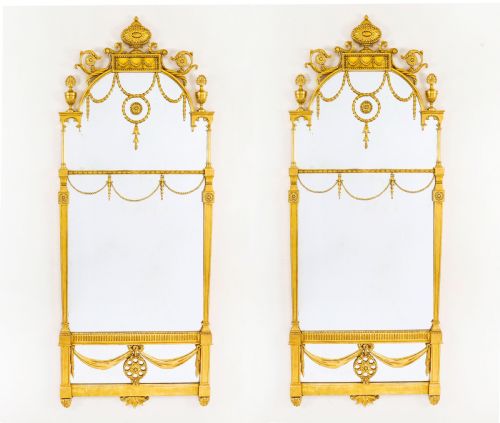
The decorative vocabulary draws directly from neoclassical design, featuring carved urns paired with swags, husks, and delicate scrolling frames. These items appear across domestic settings as mirrors, console tables, fire baskets, and occasionally functional vessels like silver plated tea urns.
Distinctions in craftsmanship and finish
Quality reveals itself in the sharpness of the carving and the application of gesso ornament. Superior pieces display finely articulated swags and urn details that remain crisp under layers of period gilding.
Timber selection and joinery define the furniture pieces, where solid mahogany and well-proportioned side tables separate standard production from finer cabinet work. The depth and integrity of the original gilt surface also dictate the standing of wall mirrors and pier glasses.
Adam Style Urn Retail Price Guide 2026
Typical asking prices for adam style urn among the pieces listed under this phrase on Sellingantiques today, from the lower quarter to the upper quarter. They describe what is for sale here now, not the wider market.
Tea urns remind us that nineteenth-century hosts took their hot water very seriously indeed.
Hutton & Sons
The Adam Style Urn Glossary
- Gesso
- A plaster-based mixture applied to wooden frames and moulded to create low-relief classical ornament before gilding. It provides the crisp base for intricate swags and urn details.
- Giltwood
- Timber carved and coated with gold leaf. This surface treatment defines the grander neoclassical wall mirrors.
- Pier glass
- A tall mirror designed to hang on the wall space between windows. These frequently incorporate adam style urns and floral drops.
- Torchere
- A tall stand or pedestal intended to support a light or decorative urn. They appear in nineteenth-century revival forms.
- Swag
- A decorative drape or garland of fruit, flowers, or fabric carved in relief. It forms a central motif in neoclassical design alongside the urn.
Adam Style Urn: Frequently Asked Questions
What is an adam style urn?
An adam style urn refers to decorative objects and furniture featuring classical urn motifs popularised by the Adam brothers in neoclassical design.
These pieces range from wall mirrors topped with carved urns to freestanding tea urns and pedestals.
How do I date an adam style mirror?
Dating relies on examining the backing timbers, the composition of the gesso, and the style of the glass plate. Victorian and Edwardian revival pieces often use machine-sawn pine alongside moulded gesso ornamentation.
Earlier eighteenth-century examples show hand-cut joinery and heavier, distinct carving techniques compared to later nineteenth-century interpretations.
Where were these pieces used in a home?
Mirrors and console tables typically hung in formal reception rooms, entrance halls, or above mantelpieces to reflect light and symmetry. Tea urns functioned in dining spaces during formal tea service.
Smaller decorative pieces like torcheres and wall lights accented corners and architectural focal points.
Are these pieces solid wood?
Furniture forms utilise solid timbers like mahogany or painted pine for their primary structures. Wall mirrors generally combine a pine or softwood foundation with applied gesso and composition ornament.
Metal items such as fire baskets and tea urns use brass or silver plating over base metals.