

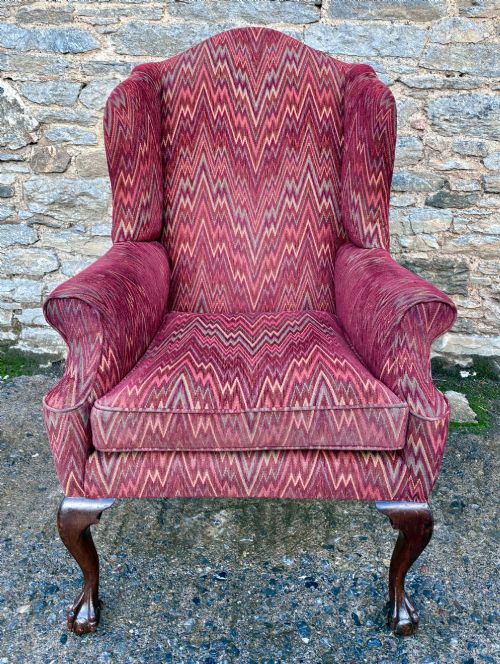
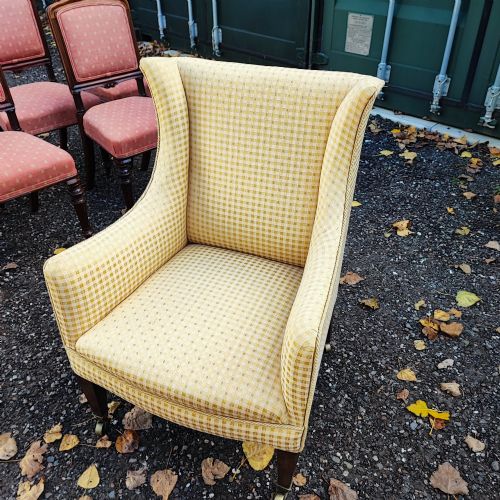
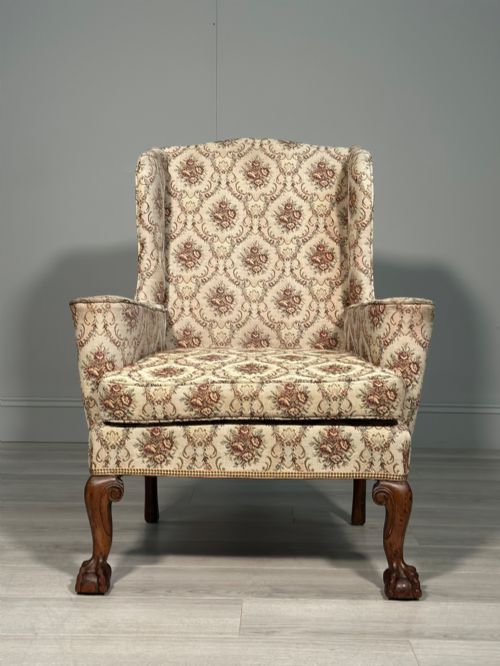
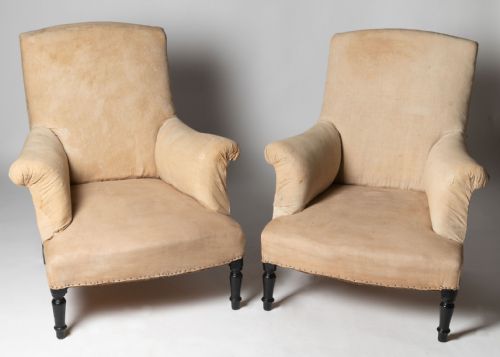
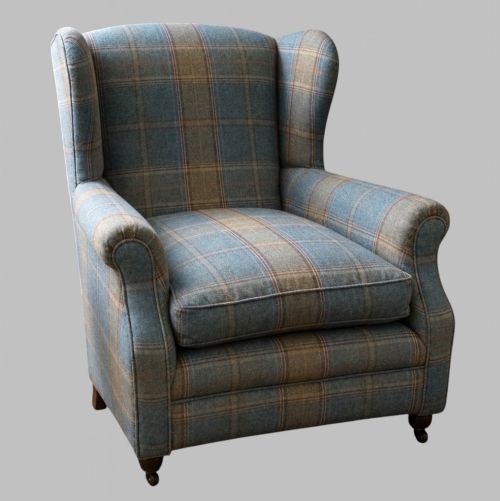
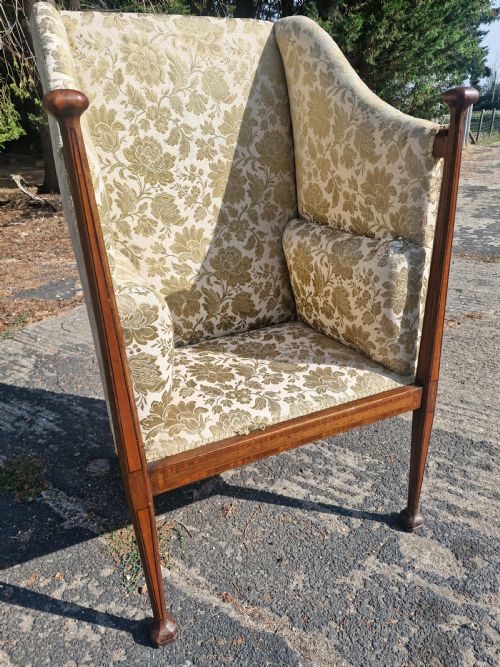
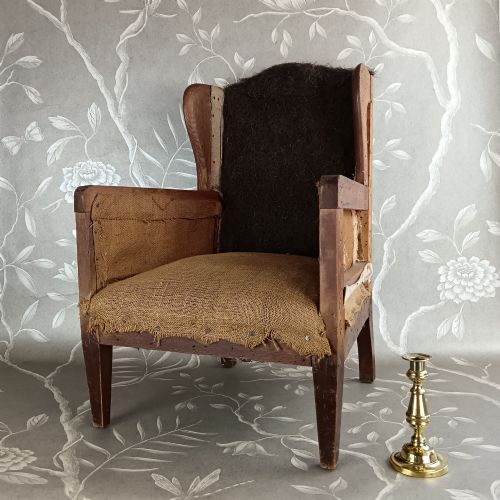
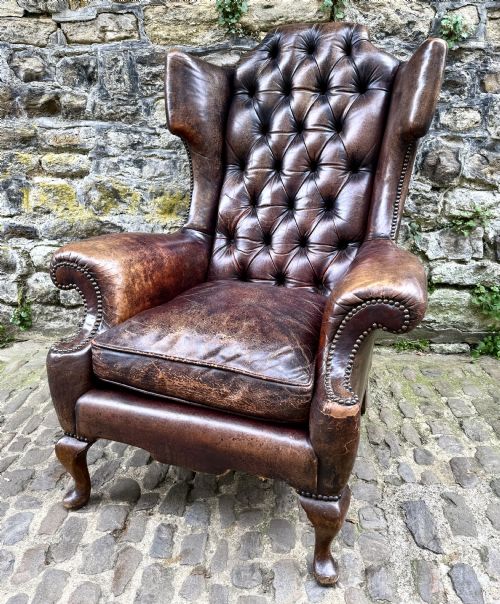
Accent Wing Chair
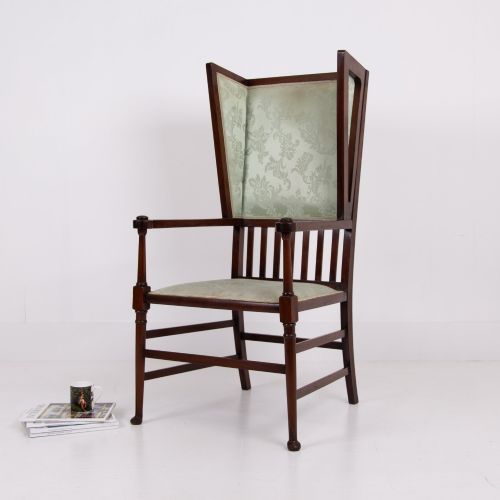
An accent wing chair provides high-backed comfort and draught protection, uniting period timber frames with varied upholstery.
Accent Wing Chair
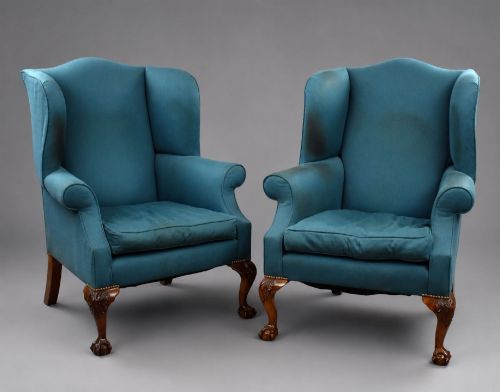
The accent wing chair encompasses a range of high-backed upholstered seating designed historically to shield the sitter from draughts. Buyers exploring this selection encounter forms spanning the Georgian, Victorian, and Edwardian eras alongside early twentieth-century interpretations.
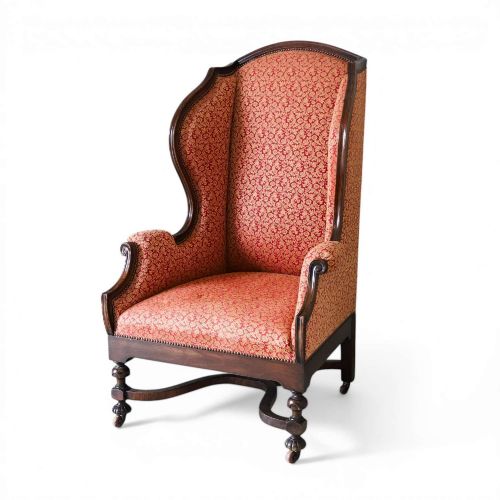
The inventory on this page relies heavily on Edwardian and nineteenth-century examples, supplemented by Georgian period and style pieces. These chairs frequently manifest as armchairs with distinct side wings, sometimes constructed as barrel-backed or library variants.
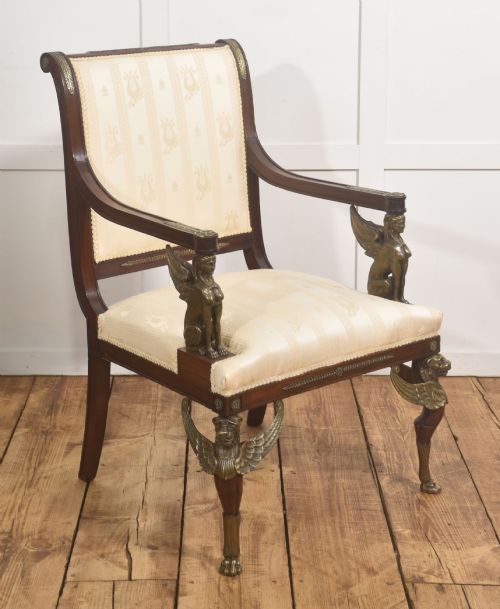
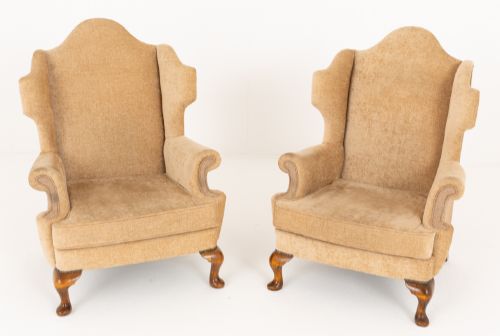
Origins vary across English, Scottish, and Continental workshops, drawing on stylistic vocabularies from Queen Anne to French Empire. Makers ranging from Thomas Sopwith to Whytock & Reid contribute to a diverse assortment of seating forms.
Assessing Quality and Execution
The distinction between standard and superior pieces rests in the integrity of the wooden frame and the precision of the carving. Original timber frames bearing detailed craftsmanship command greater attention than later reproductions.
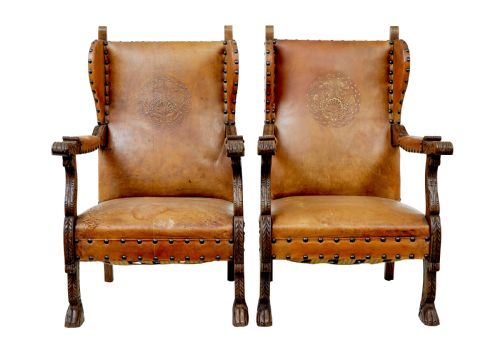
Upholstery choices and the execution of traditional stuffing methods significantly influence the integrity of the piece. Chairs retaining period textiles or utilising high-grade leather and tailored fabric display superior adherence to historical standards.
Accent Wing Chair Retail Price Guide 2026
Typical asking prices for accent wing chair among the pieces listed under this phrase on Sellingantiques today, from the lower quarter to the upper quarter. They describe what is for sale here now, not the wider market.
Listings feature woods including mahogany, walnut, oak, and general timber alongside brass and giltwood.
Thomas Sopwith·Whytock & Reid·William Morris
The Accent Wing Chair Glossary
- Wingback
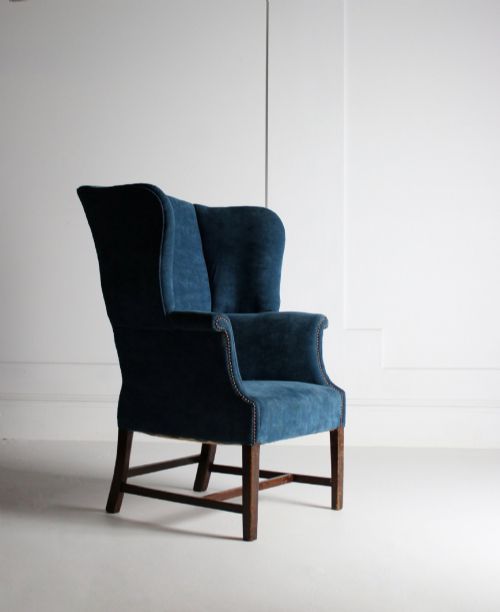
- A chair design featuring protective side panels attached to the arms and back to block indoor draughts. This form originated in the seventeenth century and remains central to the accent wing chair category.
- Bergère
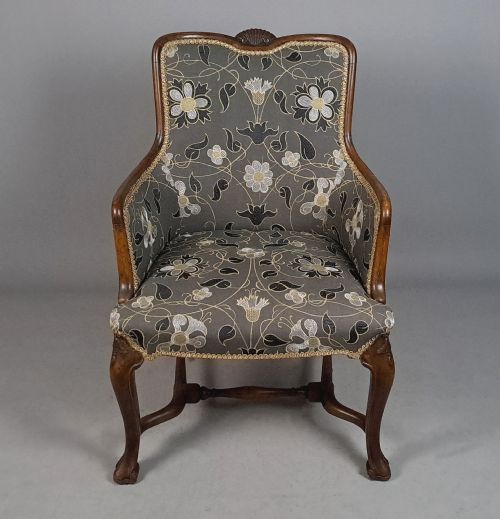
- An enclosed upholstered armchair with wooden framing exposed around the sides and back. Edwardian iterations often incorporate cane or upholstered panels within this enclosed structure.
- Giltwood
- Timber treated with a thin layer of gold leaf or metallic gilt for decorative effect. This finish appears frequently on Continental and French Empire style armchairs.
- Inlay
- A decorative technique where contrasting strips of wood or other materials are embedded into the primary surface of the furniture. Edwardian mahogany frames make regular use of this embellishment.
- Barrel Back
- A seating form where the curved back rail flows continuously into the arms in a circular sweep. These chairs offer an enveloping shape distinct from traditional flat-backed wing chairs.
Accent Wing Chair: Frequently Asked Questions
What is an accent wing chair?
An accent wing chair is a high-backed seating option defined by protective side wings designed to retain heat and block draughts.
These pieces combine functional wooden framing with varied textile upholstery, serving as statement seating within a room.
How do I date a wing chair?
Dating relies on examining the underlying timber, carving styles, and structural joinery characteristic of periods like the Georgian era or Edwardian times.
Upholstery fabrics often reflect later interventions, so the underlying frame provides the most reliable chronological indicator.
Where were these chairs placed originally?
Historically, wing chairs stood near fireplaces or in drafty hallways to protect sitters from cold air currents.
Library spaces and formal parlours also accommodated these high-backed seats for reading and quiet occupation.
Are these chairs suitable for daily use?
Period and antique wing chairs function effectively for daily seating provided the internal support and frame remain stable.
Many examples feature modern or restored upholstery to ensure comfort while preserving the historic timber structure.