




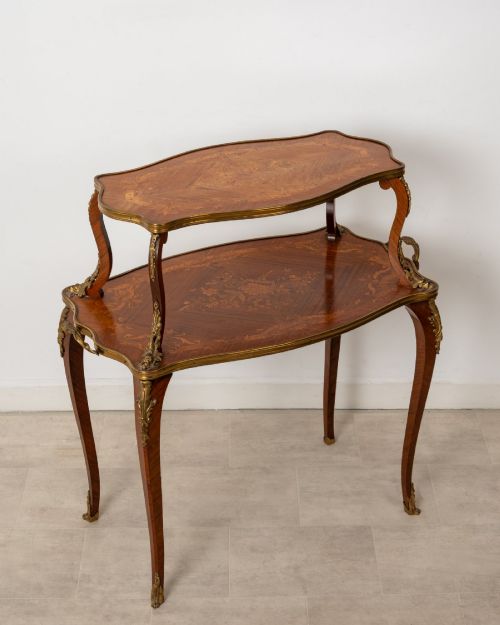
Accent Display Table
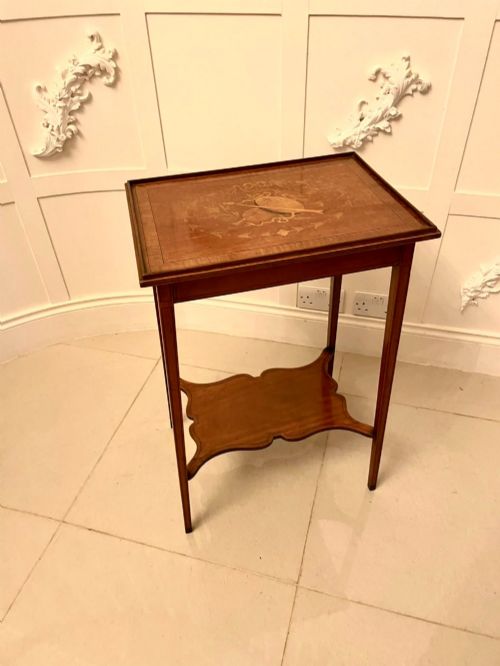
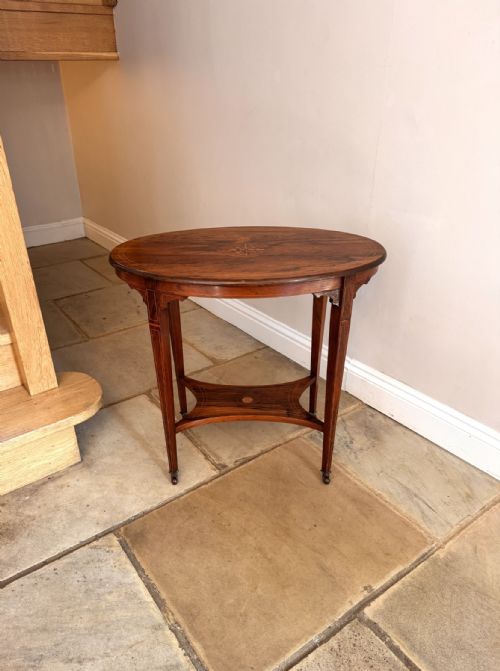
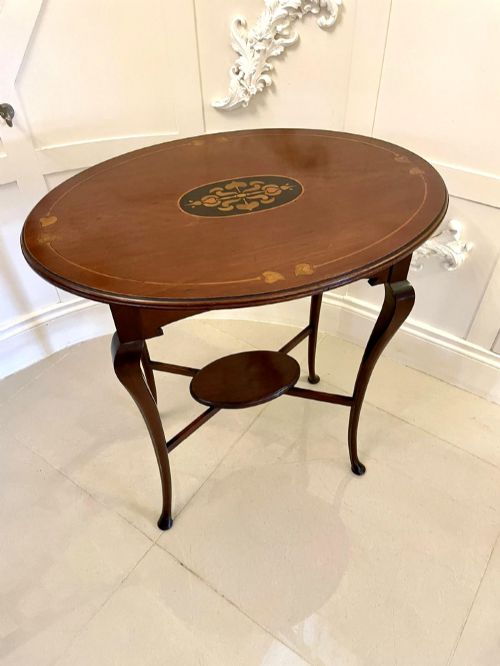
An accent display table brings useful surface space and decorative presence to a room, ranging from Edwardian mahogany lamp tables to carved walnut plant stands.
Accent Display Table
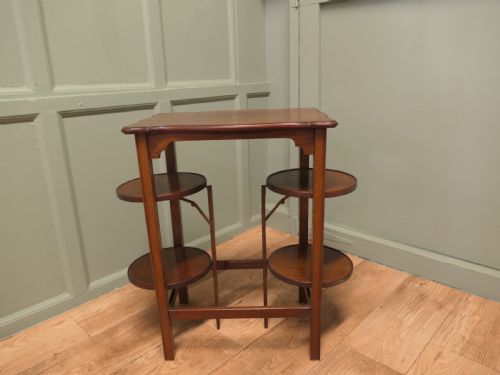
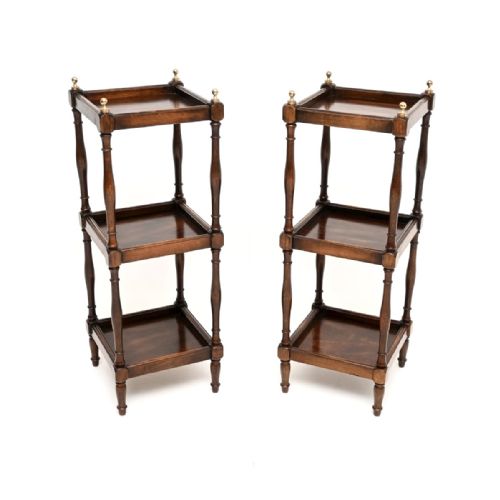
An accent display table serves primarily to hold lamps, plants, and decorative objects while adding distinct character to a room. When you examine an accent display table on this page, you encounter forms such as occasional tables, plant stands, etageres, and two-tier side tables.
The pieces span periods from the nineteenth century through the Edwardian era into the nineteen-thirties, reflecting diverse influences from Chinese export designs to French styles and Arts and Crafts principles. Edwardian inlaid mahogany tables and late nineteenth century walnut stands appear frequently among the listings.
Materials and construction
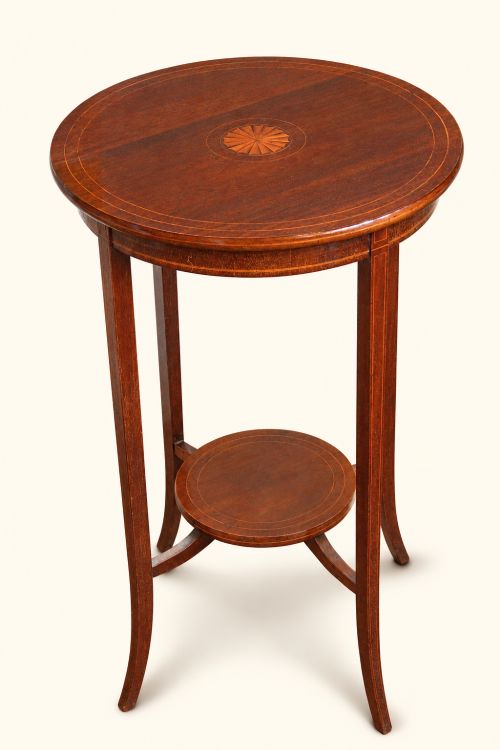
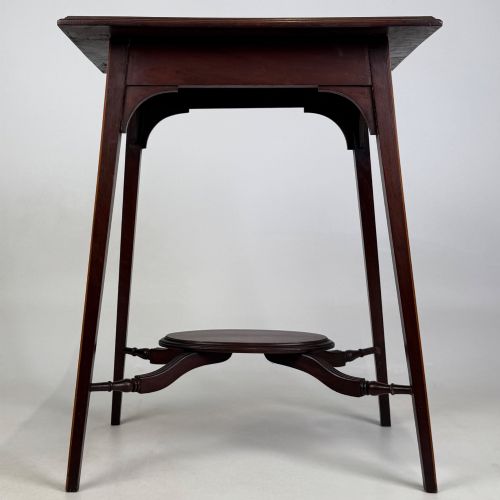
Cabinetmakers utilised timber such as mahogany, walnut, satinwood, oak, and ebonised wood, frequently incorporating brass fittings, mother of pearl inlay, or marble tops. Marquetry and delicate string inlay decorate many of the mahogany and satinwood surfaces from the Edwardian period.
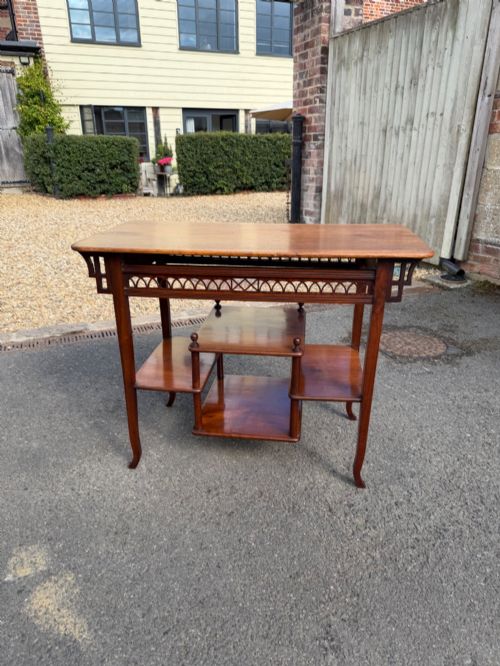
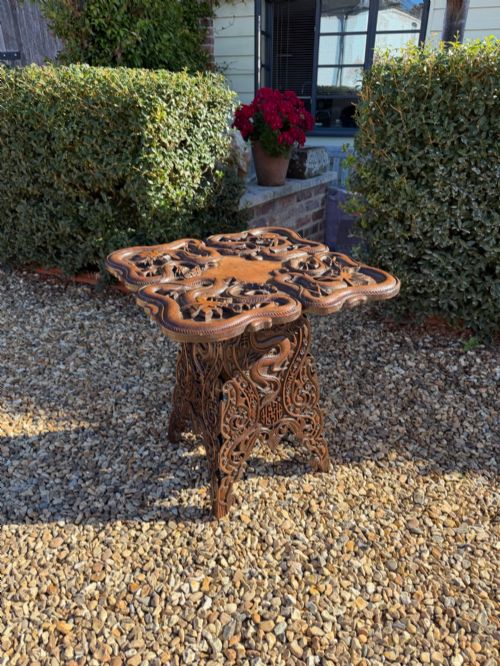
Construction methods range from turned bamboo and joined hardwood to structural oak framing and French style marquetry on etageres. Specific examples demonstrate regional techniques, including Kashmiri wood carving and Chinese hardwood joinery.
Accent Display Table Retail Price Guide 2026
Typical asking prices for accent display table among the pieces listed under this phrase on Sellingantiques today, from the lower quarter to the upper quarter. They describe what is for sale here now, not the wider market.
Periods represented span the nineteenth century, Victorian era, Edwardian period, and the nineteen-thirties.
Distinctions in quality
Quality rests upon the crispness of timber carving, the precision of marquetry inlay, and the structural integrity of joints across multiple tiers. Pieces described as exhibition quality display finer detail in their satinwood inlays and more sophisticated contouring in shapes like kidney-topped lamp tables.
Simpler vernacular examples rely on solid oak or beech construction without elaborate decoration, whereas finer iterations integrate imported materials such as mother of pearl or incorporate matched pairs with integrated shelving and original castors.
Edwards and Roberts
The Accent Display Table Glossary
- Étagère
- A piece of furniture consisting of open shelves for displaying small objects or ornaments. These often feature multiple tiers supported by slender uprights.
- Guéridon
- A small French table, typically circular, supported by one or more columns or a pedestal base. Many examples feature marble tops and decorative mounts.
- Whatnot
- A tall, multi-shelved open cabinet or stand used for displaying bric-a-brac. The form gained popularity in the Georgian and Victorian periods.
- Marquetry
- Decorative veneer applied to furniture in patterns using different woods, metals, or other materials. It creates pictorial or geometric designs on tabletops and shelves.
- Chinoiserie
- European decorative art influenced by Chinese artistic traditions and motifs. This style appears frequently on nineteenth-century bamboo and lacquered furniture.
Accent Display Table: Frequently Asked Questions
What is an accent display table used for?
These tables provide compact surfaces for lamps, photographs, vases, and small decorative objects in living spaces or hallways. Multi-tiered versions and etageres allow for layered arrangements of plants and ornaments.
Their smaller footprint enables placement beside seating or in corners where standard furniture would overwhelm the floor plan.
Where were Chinese plant stands used?
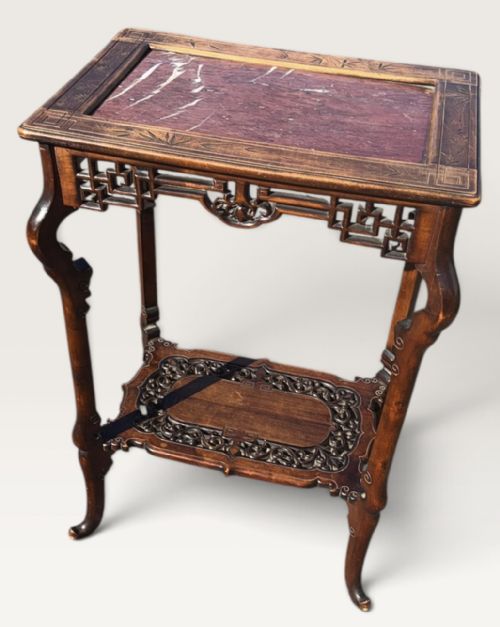
Late nineteenth-century Chinese hardwood and marble-topped stands served to elevate heavy ceramic vases, jardinières, and decorative plants. They functioned as focal points in traditional rooms or Victorian conservatories.
The heavy hardwoods and inset marble or mother of pearl tops provided stable platforms for display.
What defines an Arts and Crafts table?
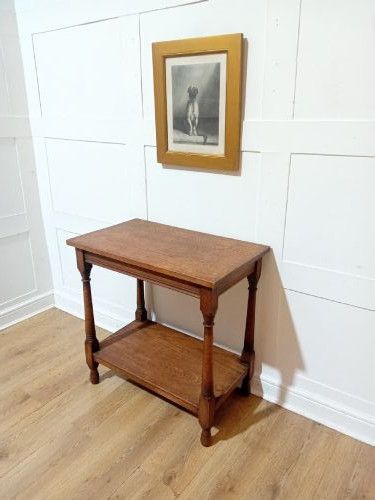
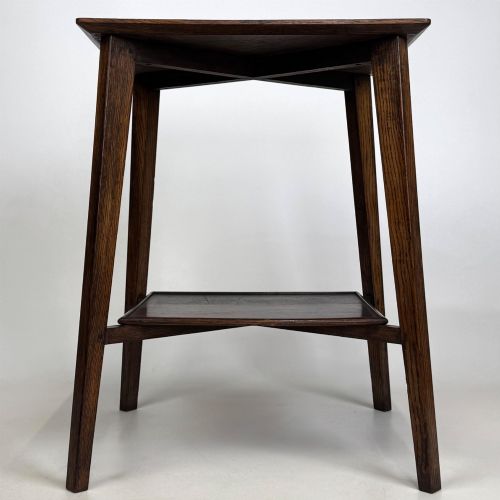
Arts and Crafts tables emphasise honest construction, exposed joinery, and the natural grain of solid oak or other hardwoods. Ornamentation remains minimal, focusing instead on proportion and utility.
These pieces often include lower shelves for storage and reflect a rejection of mass-produced factory decoration.