







Academic Sculpture
Academic sculpture represents the rigorous academic training of the nineteenth century, delivering finely detailed figures and busts that bring classical proportion into domestic spaces.
Academic Sculpture
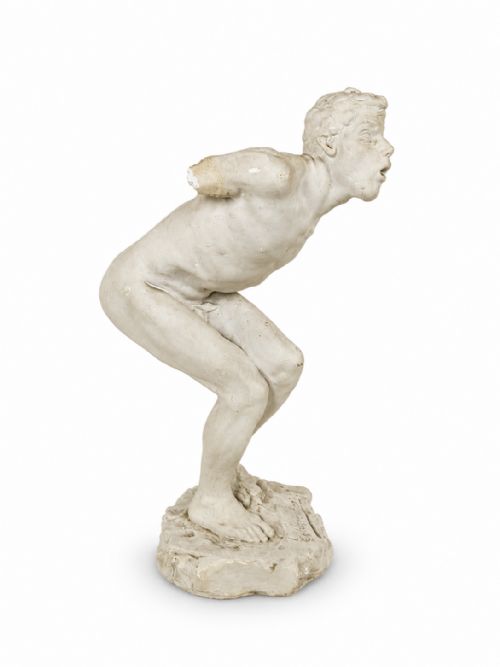
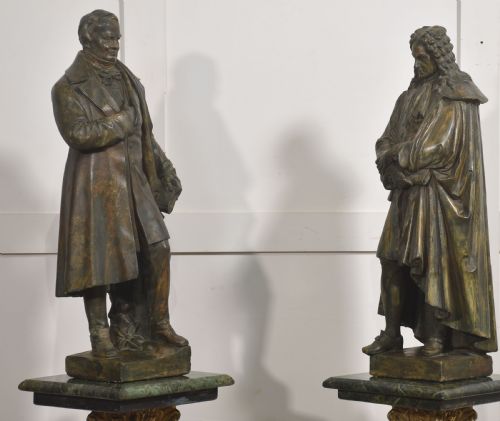
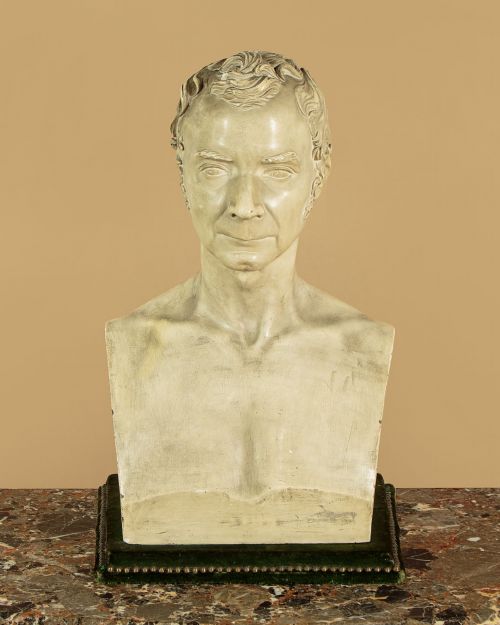
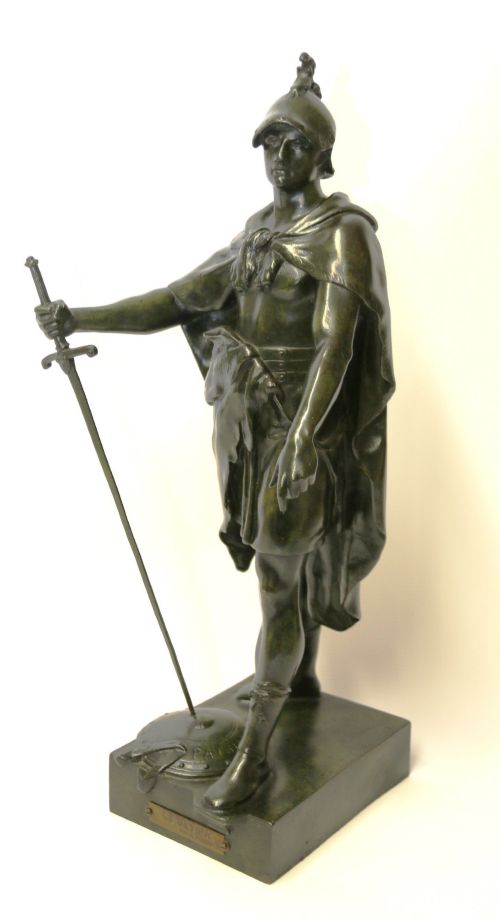
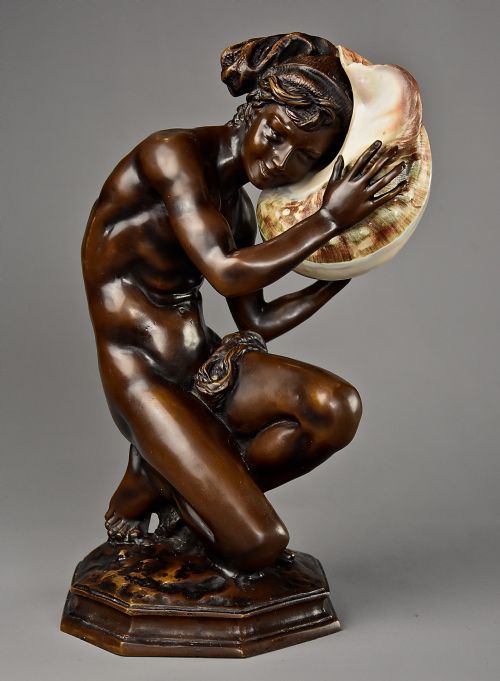
Academic sculpture encompasses figures, busts, statues, and plaster casts produced under the influence of nineteenth-century European academies. These works draw heavily on mythological, historical, and classical subjects, reflecting strict standards of proportion and narrative clarity. Collectors encounter these pieces primarily in patinated bronze and plaster, spanning the Victorian era through the early twentieth century.
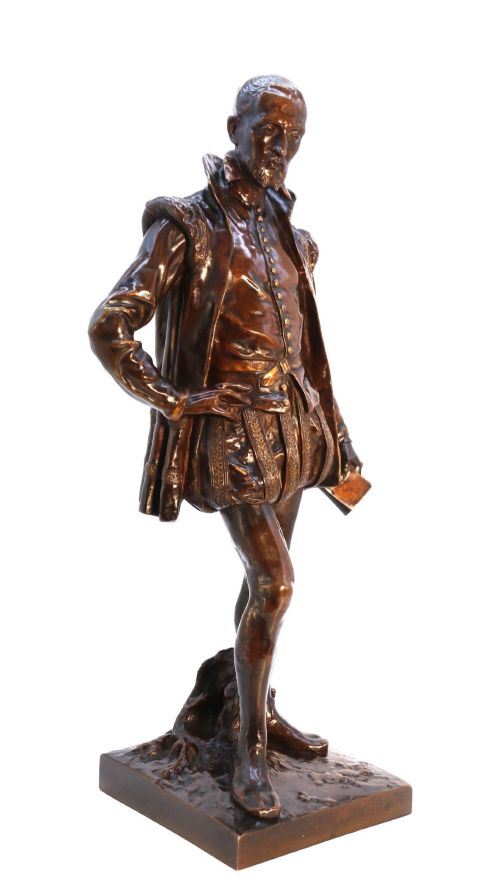
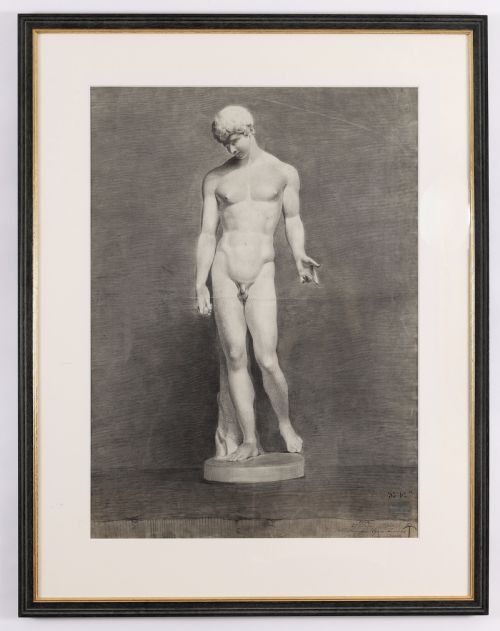
The objects available range from monumental bronze studies of classical heroes and musicians to intimate chalk drawings and plaster casts derived from antique sculpture. French ateliers dominate the selection, producing signed works by notable nineteenth-century artists that showcase detailed historical costumes and anatomical precision. Buyers also find utilitarian adaptations such as bronze table lamps incorporating classical figures.
How They Were Made
Bronze casting relies on the lost-wax technique, allowing artists to capture intricate details in costume, hair, and musculature before applying patination to achieve varied surface tones. Many nineteenth-century works utilise foundry marks and signatures to record the precise metallurgical process and the maker involved.
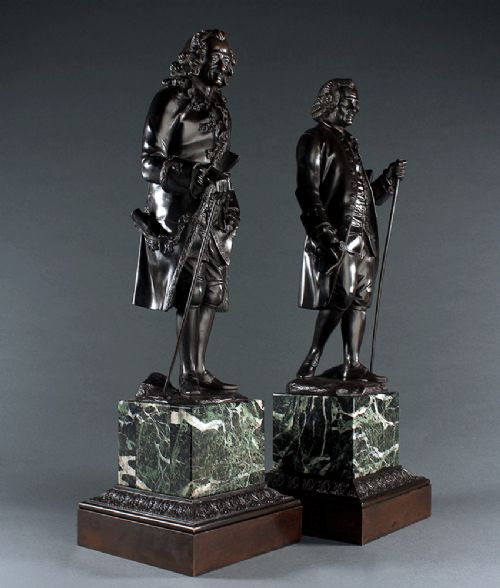
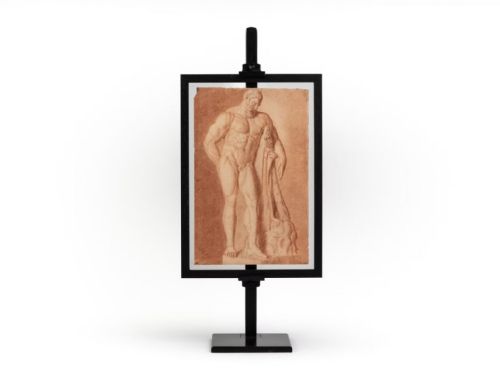
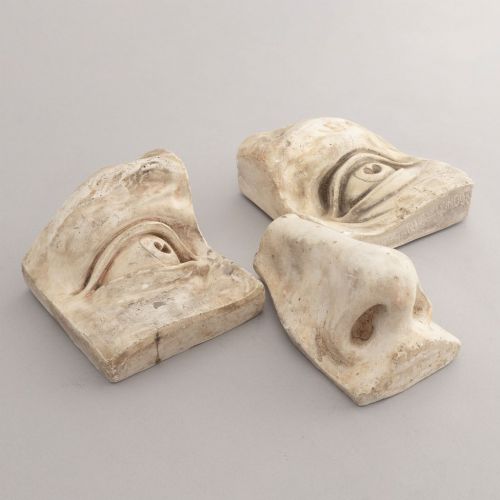
Plaster casts and chalk drawings serve as preparatory or study mediums, utilising traditional modelling and drawing techniques to record classical forms. Marble bases often support bronze busts, providing stability and a contrasting tonal anchor for the metalwork above.
Academic Sculpture Retail Price Guide 2026
Typical asking prices for academic sculpture among the pieces listed under this phrase on Sellingantiques today, from the lower quarter to the upper quarter. They describe what is for sale here now, not the wider market.
Several nineteenth century bronzes depict unexpected subjects, including comedia dell arte characters and muscular figures wrestling with snakes.
What Varies in Quality
The definition and crispness of the chasing on bronze figures separate standard commercial castings from exceptional foundry output. Master chasers refined the raw metal after casting, sharpening facial expressions, drapery folds, and surface textures to maintain the sculptor's original intent.
The depth and uniformity of the patination contribute significantly to the visual weight of a piece, while the quality of the marble base or signature engraving indicates the standing of the foundry and artist.
Émile Louis Picault·Jean-Baptiste Carpeaux·Julien Lorieux·A. Mercie·Emile-Coriolan Guillemin·Charles Anfrie·Edouard Drouot·Justo de Gandarias·S. Kinsburger·Jean Jules Salmson·Auguste Moreau·Alajos Strobl·Charles Arthur Bourgeois·Lucien Madrassi·Antonin Mercié·Barbedienne·Adolphe Jean Lavergne·Raoul Francois Larche·Houdebine·Ernest-Eugène Hiolle·Devaulx
The Academic Sculpture Glossary
- Patination
- The chemical treatment or natural ageing applied to the surface of bronze to produce specific colours and tones. This process protects the metal while enhancing the sculptural contours.
- Lost-wax casting
- A method of metal casting in which a molten metal is poured into a mould that has been created by means of a wax model. Once the mould is filled, the wax is melted away.
- Plaster cast
- A copy of a sculpture made by pouring plaster of Paris into a mould taken from the original work. These served as essential educational tools in nineteenth-century art academies.
- Chasing
- The manual finishing of a metal casting using hammers and punches to refine details and remove surface imperfections. This step distinguishes high-grade nineteenth-century bronzes.
- Neoclassical
- A style reviving the classical ideals of ancient Greece and Rome, prioritising line, proportion, and restraint. This aesthetic heavily influences academic sculpture subjects.
Academic Sculpture: Frequently Asked Questions
What is academic sculpture?
Academic sculpture refers to works created under the strict technical and aesthetic rules of nineteenth-century European art academies. These pieces emphasise anatomical accuracy, classical narratives, and highly finished surfaces.
Found primarily in bronze and plaster, these works reflect the dominant artistic training of the Victorian period and feature historical, mythological, or allegorical subjects.
How do I identify a nineteenth century bronze?
Nineteenth century bronzes often feature artist signatures, foundry stamps, and rich chemical patinations developed during the casting process. Examining the crispness of the chasing helps determine the production period and workshop quality.
Base materials such as marked marble plinths and specific fastening screws also assist in dating these sculptural works accurately.
Are plaster casts authentic artworks?
Plaster casts produced in the nineteenth century served as important study objects for academies and collectors, capturing classical antiquities with high fidelity. While not unique metal models, historical casts hold independent value as period artefacts.
Their quality depends on the sharpness of the original mould and the preservation of the plaster surface over time.