




Academic Realism Artwork
Academic realism artwork brings rigorous technical precision and narrative depth to your walls, spanning nineteenth-century portraits and genre scenes.
Academic Realism Artwork
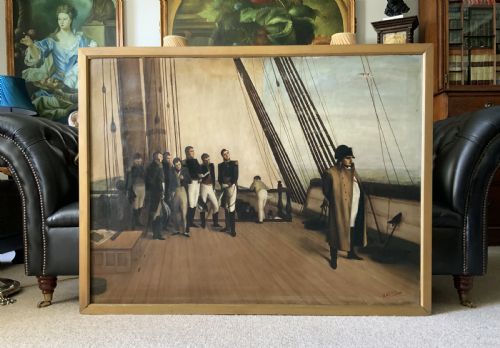
Academic realism artwork captures subjects with lifelike accuracy, drawing on the rigorous training of nineteenth-century European academies. You will encounter framed portraits, historical genre scenes and maritime compositions among these selections.
The pieces on this page originate predominantly from the nineteenth and early twentieth centuries, reflecting French, Victorian and continental European traditions. Canvas and wood panels serve as the primary supports for these detailed paintings.
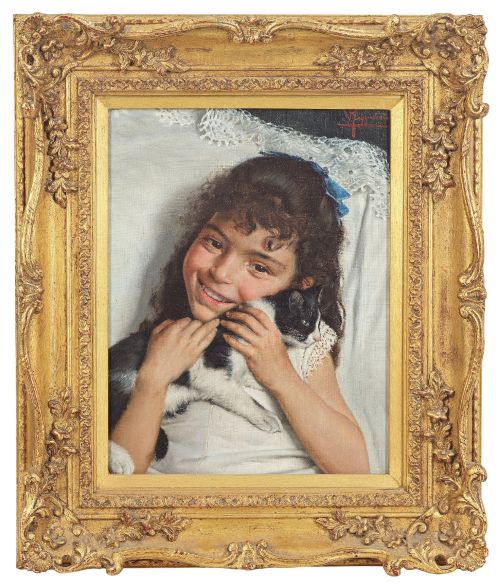
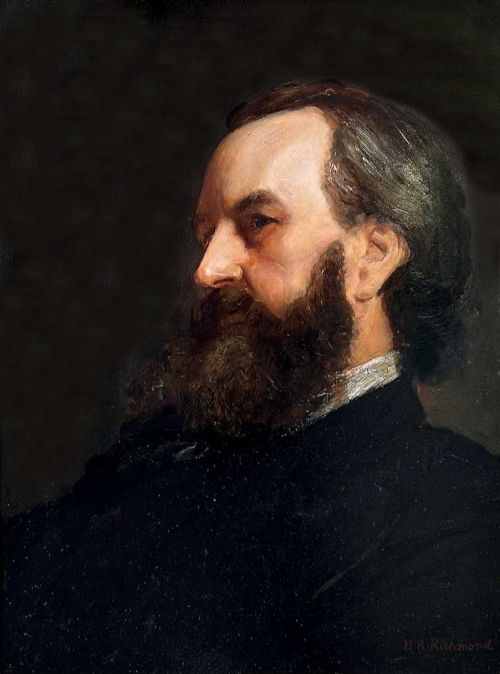
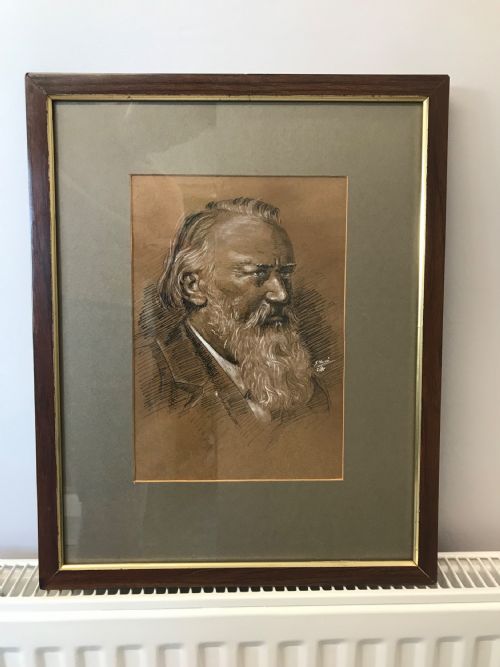
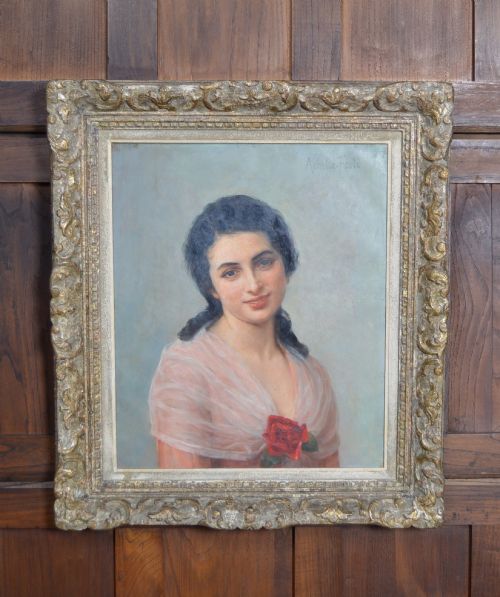
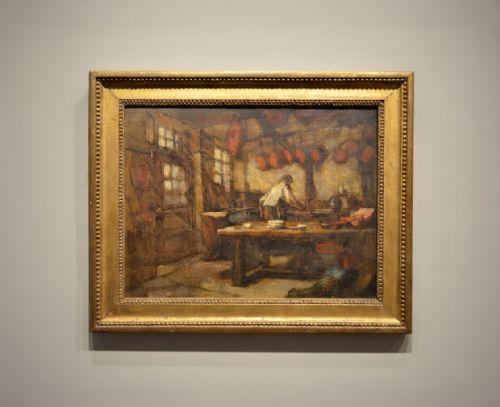
Portraits of gentlemen, actors and musicians sit alongside domestic interiors and animal studies. Each work demonstrates the meticulous brushwork and structured composition expected of academic training.
Assessing quality
Quality rests in the handling of light, expression and anatomical precision. Stronger pieces reveal subtle tonal gradations and lifelike textures in fabric, skin and hair.
The sophistication of the composition and the preservation of the original painted surface separate fine examples from standard works. Original frames matching the period of the artwork enhance the integrity of the piece.
Listings feature oil on canvas, wood, giltwood and gesso materials across nineteenth-century and early twentieth-century periods.
Vittorio Reggianini·William Blake Richmond·Achille Fould·Johann Hamza·Charles Zacharie Landelle·Ferdinand Victor Leon Roybet·Thomas Couture·Antonietta Brandeis·Hans Temple·Arthur Spooner·Geza Vastagh·Alfred Seifert·George R Havelka
The Academic Realism Artwork Glossary
- Academic Realism
- A style of painting produced under the influence of European academies of art. It emphasises traditional techniques, accurate anatomy and polished finishes.
- Oil on Canvas
- Pigment suspended in drying oil applied to a woven fabric stretched across a wooden frame. This medium allows for smooth blending and deep colour saturation.
- Gesso
- A paint mixture consisting of a binder mixed with chalk, gypsum or pigment. It was applied to wood panels or frames to create a smooth surface for gilding and painting.
- Genre Painting
- Pictorial representation of scenes from everyday life. These works depict ordinary people engaged in common activities or social interactions.
- Giltwood
- Wood that has been coated with thin gold leaf or gold dust. This decorative finish appears frequently on period frames enclosing nineteenth-century canvases.
Academic Realism Artwork: Frequently Asked Questions
What is academic realism artwork?
Academic realism artwork refers to paintings created following the strict technical standards of nineteenth-century European art academies. These pieces prioritise accurate proportions, lifelike textures and structured narrative compositions.
Subjects range from formal portraits of musicians and gentlemen to intimate domestic scenes and historical narratives. Artists utilised traditional oil paints on canvas or wood panels to achieve smooth finishes and realistic lighting.
How do I hang and display these paintings?
These framed works suit traditional or transitional interiors where detailed figurative art commands attention. Ensure you place the painting away from direct sunlight to protect oil pigments and gilded frames.
Most pieces arrive in period gesso or giltwood frames designed to support the canvas weight securely. Use appropriate wall fixings rated for framed wooden artwork to hang your piece safely.
How can I tell the period of a painting?
Dating relies on examining the stretcher frames, canvas type, costume details and artist signatures recorded in the evidence. Nineteenth-century works often feature hand-carved gesso frames and traditional oil on canvas supports.
Signatures, dates and biographical records of European painters help confirm the exact decade of creation. Stylistic markers such as romantic or Victorian dress provide additional chronological context.
What subjects are most common?
Portraits form a significant portion of the selection, depicting individuals from actors and composers to gentlemen and young women with accessories. Historical genre scenes and domestic interiors also appear frequently.
Maritime history, animal studies and classical figures complete the range of subjects. Each genre showcases the meticulous draughtsmanship valued by nineteenth-century academies.