

Abattant Desk
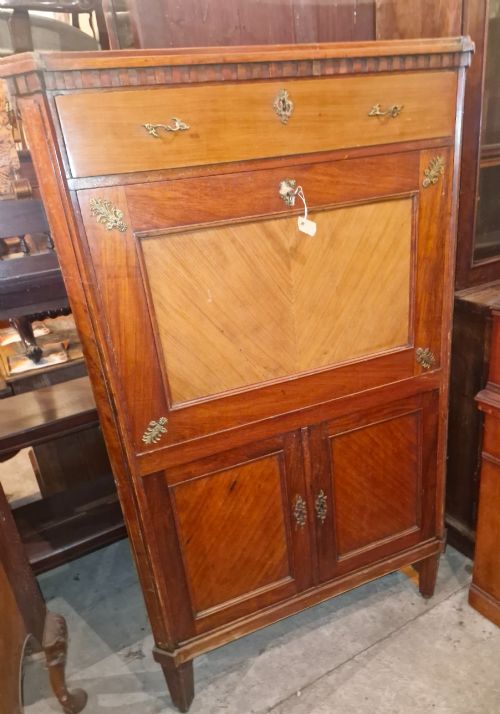
An abattant desk brings upright elegance to a room, concealing a fitted writing surface behind a drop-down front.
Abattant Desk
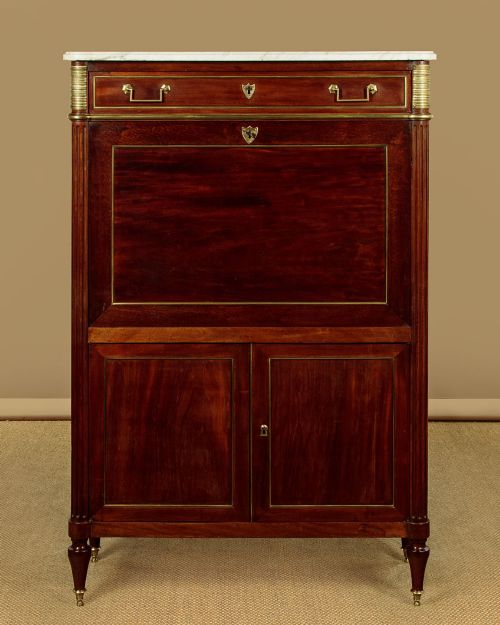
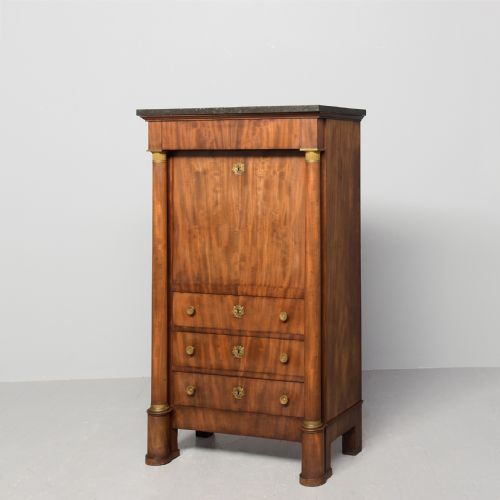
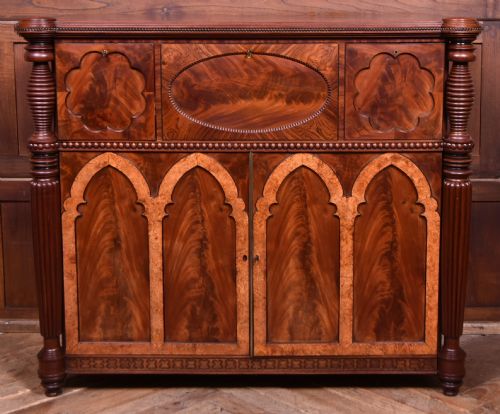
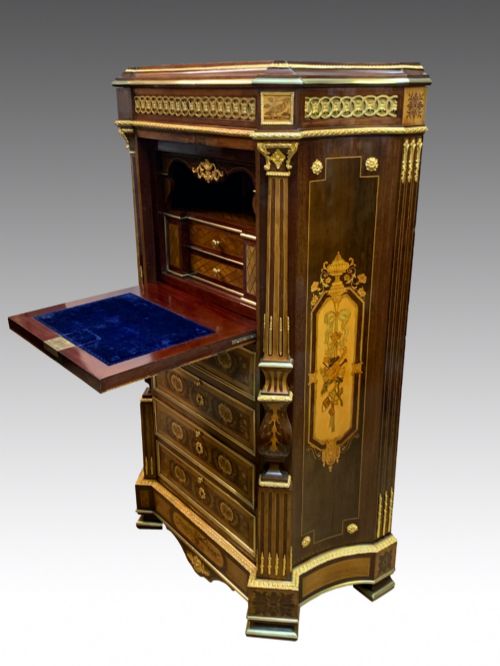
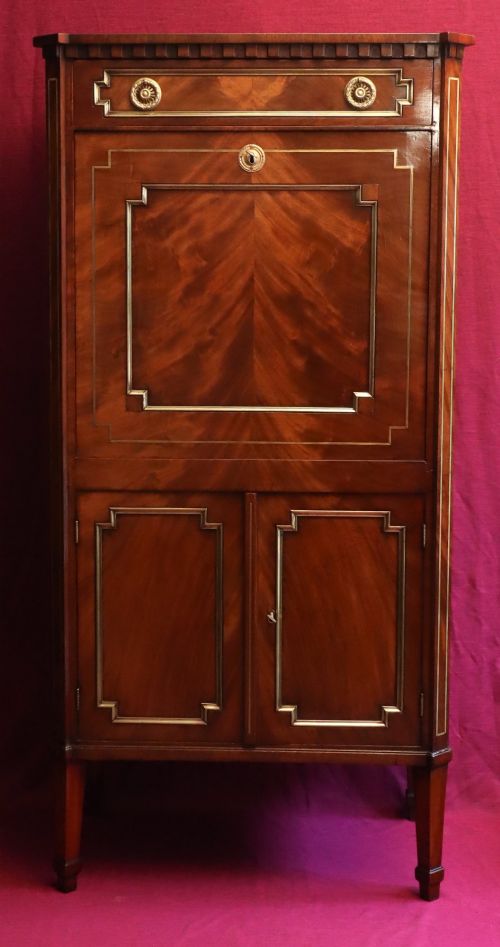
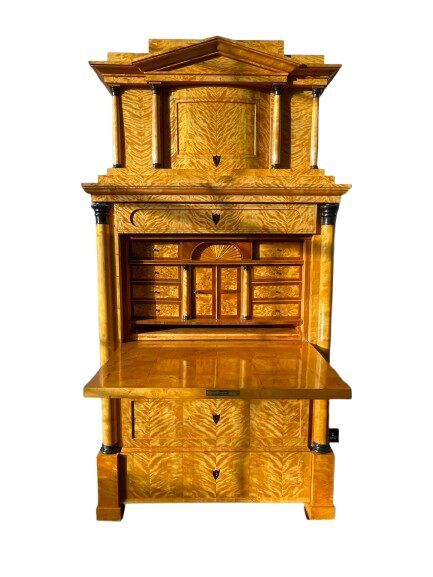
An abattant desk, also known as a secretaire à abattant or escritoire, stands as a tall cabinet concealing a drop-front writing surface and internal drawers. These pieces appear frequently in nineteenth-century French, Biedermeier, and Regency designs, alongside earlier eighteenth-century examples.
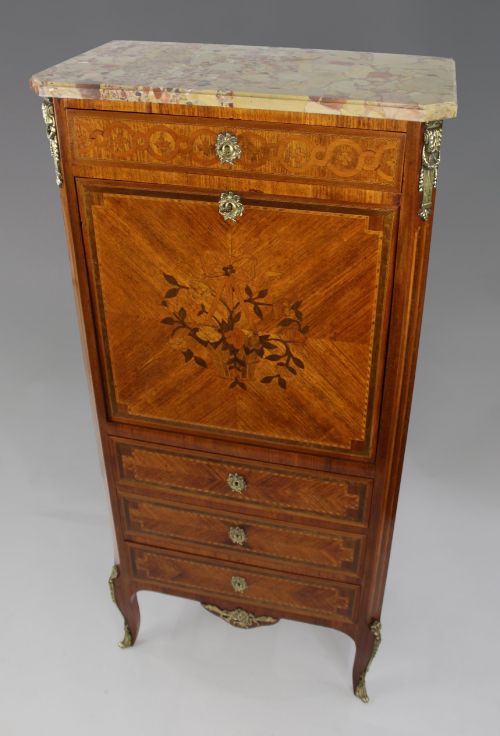
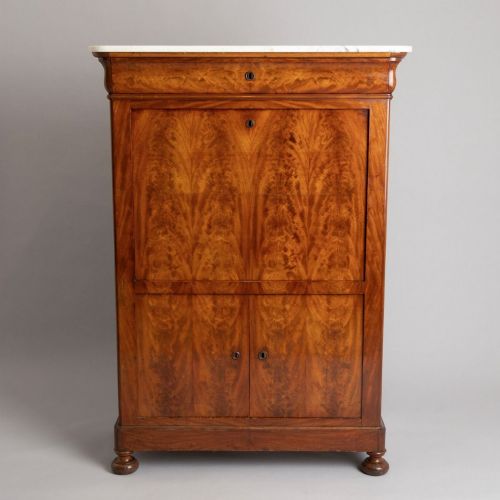
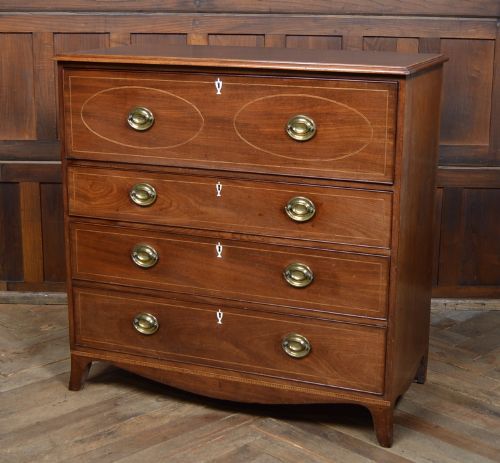
The form combines storage capacity with a compact writing ledge, making it a practical choice for studies and drawing rooms. Varieties range from plain mahogany and pine models to ornate marquetry cabinets topped with marble.
Makers produced these desks in diverse regional tastes, incorporating secret compartments, mirror fittings, and slender proportions suitable for domestic use.
Materials and construction
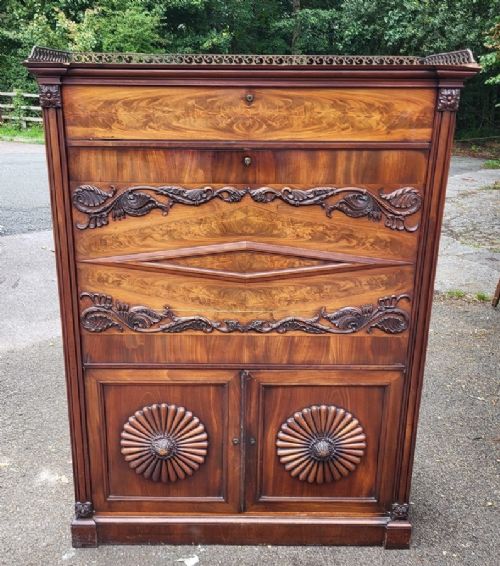
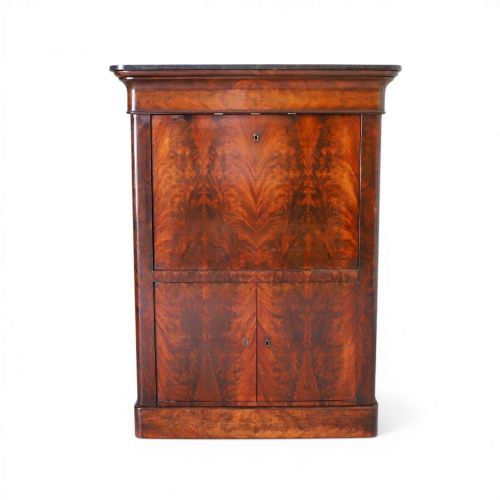
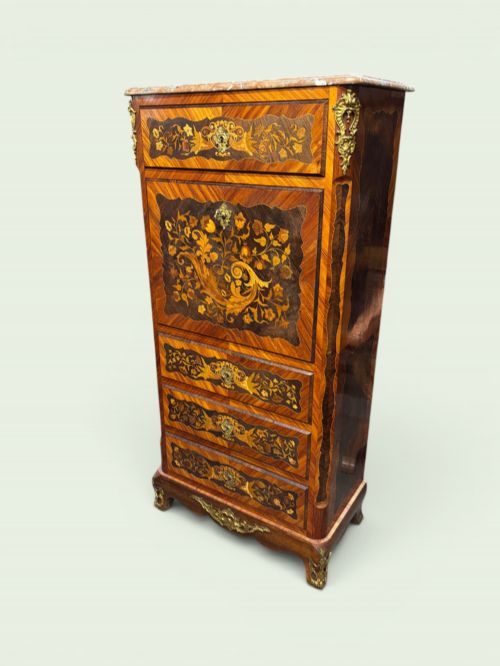
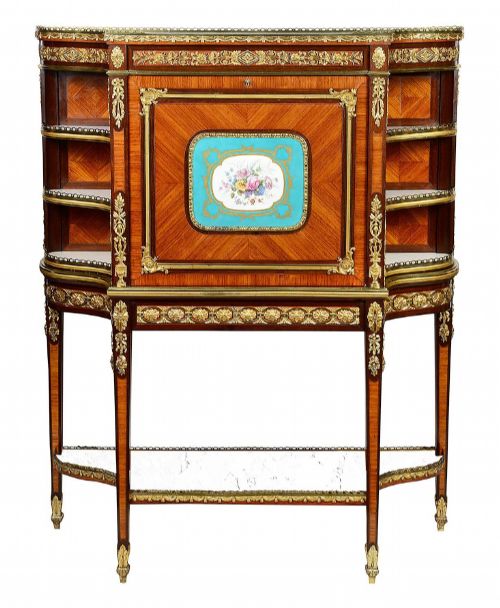
Cabinet makers utilised dense hardwoods such as mahogany, rosewood, walnut, and kingwood, frequently applying flame mahogany and marquetry veneers over secondary timbers. Surfaces often received marble tops and cast or chased ormolu and gilt bronze mounts.
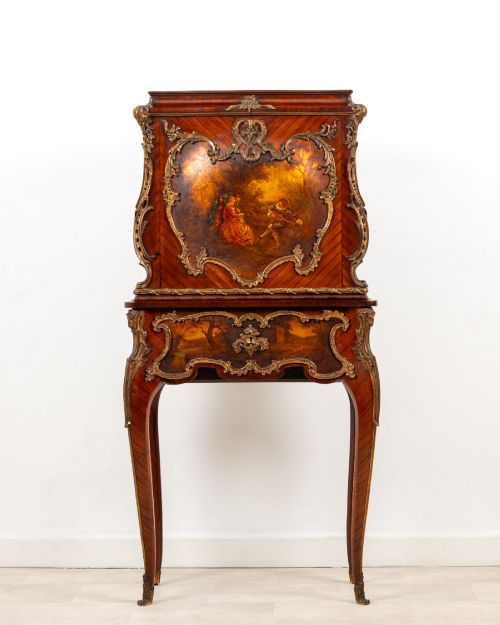
Internal construction involved secret drawers, pigeonholes, and fitted writing slopes lined with leather or wood. Cabinetry techniques included parquetry patterns and Vernis Martin finishes on specialised panels.
Judging execution and finish
Quality rests in the precision of the veneer work, the fluidity of marquetry or parquetry layouts, and the weight of the ormolu mounts. Superior pieces display thoughtful grain matching across the fall-front panel and internal drawer fronts.
The integration of original marble tops and the smooth operation of concealed mechanisms distinguish finer examples from standard production items.
Gillows·Maison Krieger·Blake London·Adriano Brambilla
The Abattant Desk Glossary
- Abattant
- A drop-down front panel that opens to reveal a writing surface and internal compartments. This vertical format saves floor space while providing substantial storage.
- Ormolu
- Gilded bronze mounts applied to furniture for decorative enrichment. These accents catch the light and frame the primary wood veneers.
- Marquetry
- Decorative patterns formed by fitting together thin slices of various woods and other materials. Artisans create floral or geometric scenes across the exterior surfaces.
- Parquetry
- Geometric wood inlay arranged in regular patterns such as cubes or chequers. This technique demonstrates precision in woodworking.
- Escritoire
- A writing cabinet or desk, often used interchangeably with secretaire. The term covers both upright and slope-front writing furniture.
Abattant Desk: Frequently Asked Questions
What is an abattant desk?
An abattant desk is a tall, upright cabinet featuring a hinged fall-front panel that lowers to create a writing surface. Inside, users find an arrangement of small drawers and pigeonholes for correspondence.
These pieces offer a combination of concealed workspace and vertical storage, making them suitable for traditional interiors where floor space is limited.
How do you use the fall front?
The fall front drops down into a horizontal position, supported by internal catches or quadrants to bear the weight of writing. It provides a stable ledge for letters and paperwork.
When closed, the panel conceals the contents entirely, presenting a neat cabinet facade to the room.
Where were these desks made?
Cabinet makers across Europe produced these desks, with significant output coming from French workshops in Paris and regional English makers. Biedermeier examples originated in Central Europe and Scandinavia.
French pieces frequently feature marble tops and gilt bronze mounts, while Biedermeier variants emphasise clean wood grains.
How do you spot secret drawers?
Secret drawers typically hide behind dummy partitions, spring-loaded panels, or removable sections within the internal pigeonhole assembly. Finding them requires understanding the internal symmetry of the carcase.
Cabinet makers designed these compartments to secure valuables and private documents.