
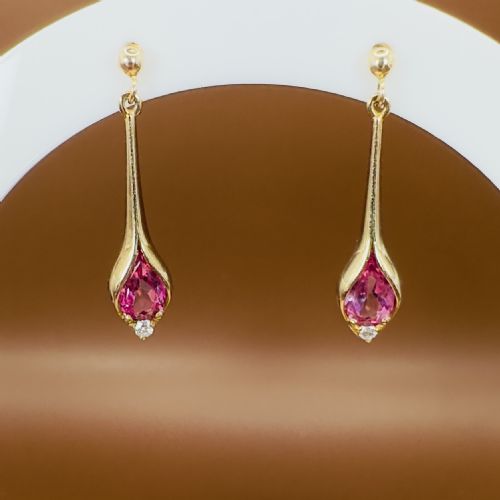

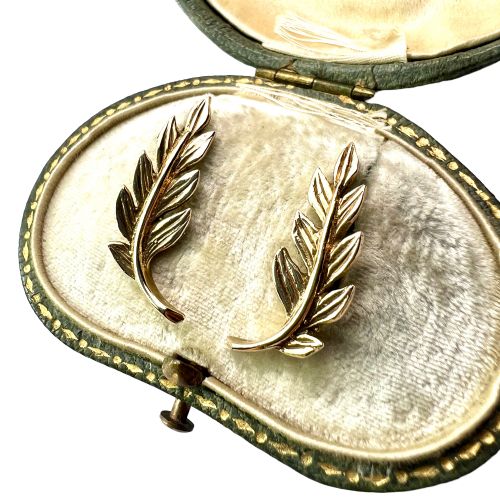


9ct Yellow Gold Studs
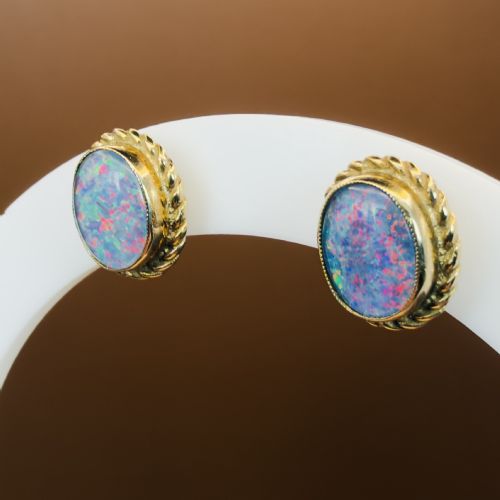
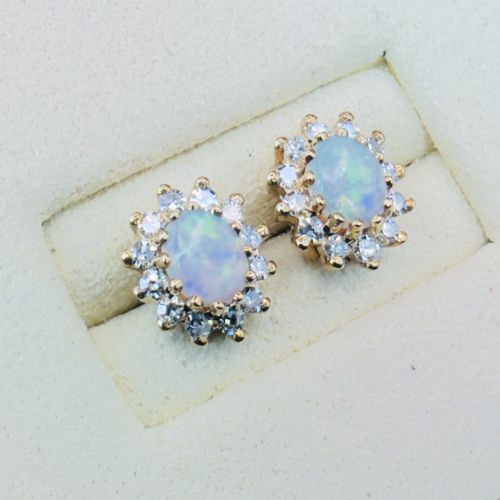
These 9ct yellow gold studs encompass vintage and antique designs featuring gemstones from pearls to opals.
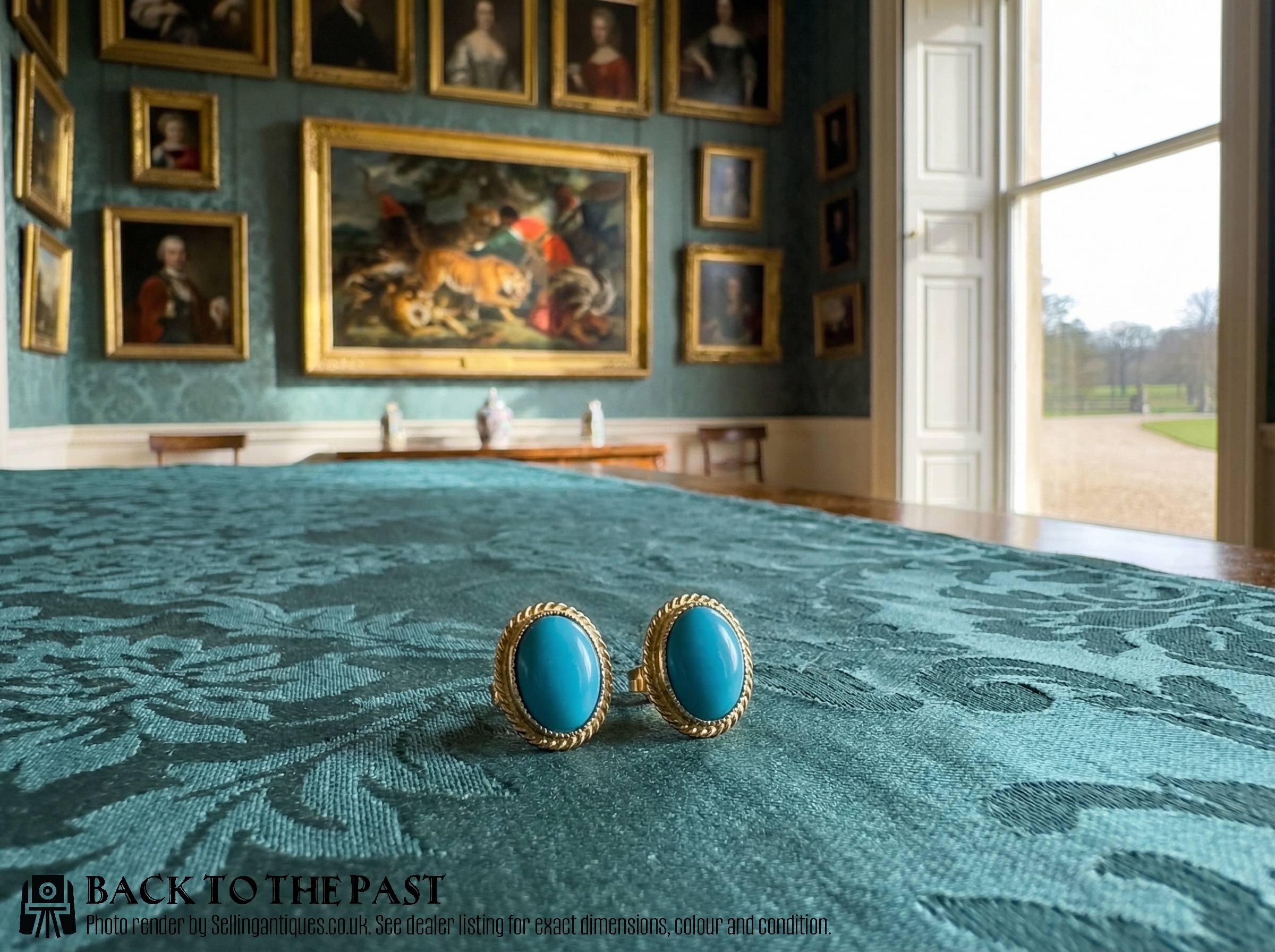
9ct Yellow Gold Studs
When searching for 9ct yellow gold studs, buyers encounter earrings fashioned from nine-carat gold incorporating gemstone settings and diverse structural forms. The selection contains vintage and antique pieces originating from periods including the Victorian era, Edwardian times, and mid-century decades.
The objects span simple solitaire stones and intricate cluster configurations, alongside drop variations and screw-on fasteners. Mid-century and vintage iterations from the nineteen-fifties and nineteen-sixties predominate among the items available.
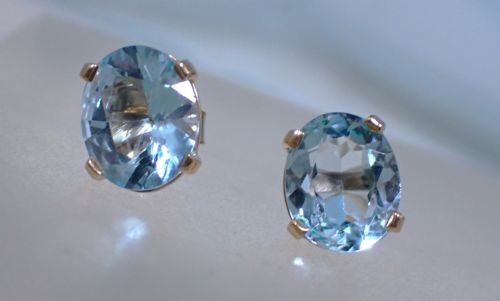
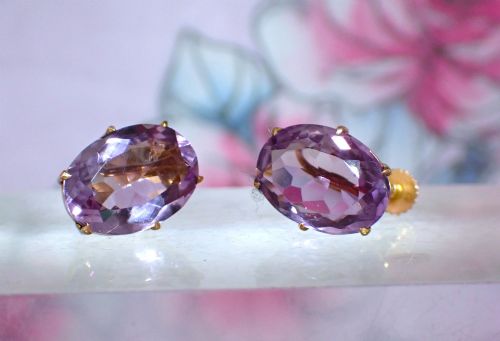
Makers utilised traditional goldsmithing techniques to produce everything from floral cluster motifs to geometric square frames and filigree work. Gemstones set within the gold framework include aquamarine, garnet, amethyst, opal, and diamond.
How they were made
The construction relies fundamentally on nine-carat gold worked into sheet wire and cast components, paired with securely set gemstones. Jewellers employed claw settings, bezel enclosures, and delicate filigree wirework to hold stones such as turquoise, coral, topaz, and tourmaline firmly in place.
Earrings from the Victorian and Edwardian periods often feature hand-assembled floral clusters and screw-on mechanisms tailored for non-pierced lobes. Mid-century examples incorporate structured halo clusters and drop elements attached securely to the primary stud fixture.
9ct Yellow Gold Studs Retail Price Guide 2026
Typical asking prices for 9ct yellow gold studs among the pieces listed under this phrase on Sellingantiques today, from the lower quarter to the upper quarter. They describe what is for sale here now, not the wider market.
Materials documented across the inventory comprise nine-carat gold paired with stones such as amethyst, garnet, opal, aquamarine, and pearl.
What varies in quality
The standard of execution depends heavily on the precision of the gemstone cutting and the neatness of the metalwork surrounding the settings. Superior examples display well-matched stones with vibrant colour saturation, secure claw or bezel retention, and crisp detailing in filigree or leaf motifs.
Wear and tear on older pieces alters the integrity of screw-backs and butterfly clips, whilst the polish of the nine-carat gold reflects the degree of previous care. Heavier castings and substantial gemstone weight distinguish the most robust specimens from lighter production runs.
The 9ct Yellow Gold Studs Glossary
- 9ct Gold
- An alloy containing thirty-seven point five percent pure gold mixed with other metals for durability. This composition provides a traditional warm yellow tone suitable for daily wear.
- Cluster
- An arrangement where a central gemstone is surrounded by a ring of smaller stones. This layout maximises visual impact and light reflection.
- Cabochon
- A gemstone shaped and polished with a smooth convex surface rather than faceted edges. Opals and amethysts frequently utilise this cut.
- Filigree
- Ornamental work consisting of fine wire twisted into open lace-like patterns. Artisans solder these delicate threads onto the gold base.
- Doublet
- A composite gemstone comprising two joined sections, often pairing a thin slice of precious opal with a supportive base. This technique creates durable stones with strong colour play.
9ct Yellow Gold Studs: Frequently Asked Questions
How do I clean vintage gold earrings?
Clean nine-carat gold pieces gently using warm soapy water and a soft brush to remove accumulated surface dust. Avoid harsh chemical dips, particularly when dealing with porous stones like opals, pearls, or turquoise.
Dry the metal and stones thoroughly with a lint-free cloth before storage. Regular maintenance preserves the polish of the gold without harming delicate settings.
Are screw-back earrings easy to wear?
Screw-back fasteners provide a secure method for securing earrings on non-pierced or pierced lobes. The threaded post receives a small nut that winds down to the desired tension.
Some users find them slower to put on than modern butterfly backs, but they offer reliable security during extended wear. Adjusting the tension requires care to avoid stripping the fine threads.
What periods do these earrings represent?
The available selection spans the Victorian and Edwardian eras alongside mid-century decades from the nineteen-forties to the nineteen-sixties. Each period brings distinct aesthetic choices, from floral pebble clusters to modernist geometric shapes.
Design cues and hallmark evidence help distinguish nineteenth-century creations from post-war vintage pieces. Understanding these eras aids in appreciating the craftsmanship behind each style.
How do cluster studs differ from drops?
Cluster studs sit directly and compactly against the earlobe, focusing attention on a central stone framed by smaller gems. Drop variations introduce a suspended element that hangs below the main stud.
Both formats utilise identical nine-carat yellow gold foundations but create distinct silhouettes upon the wearer. The choice between them depends on personal preference for movement and scale.