



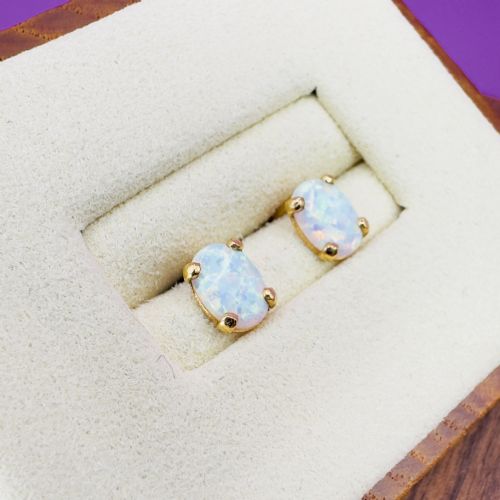
Vintage Gold Stud Earrings
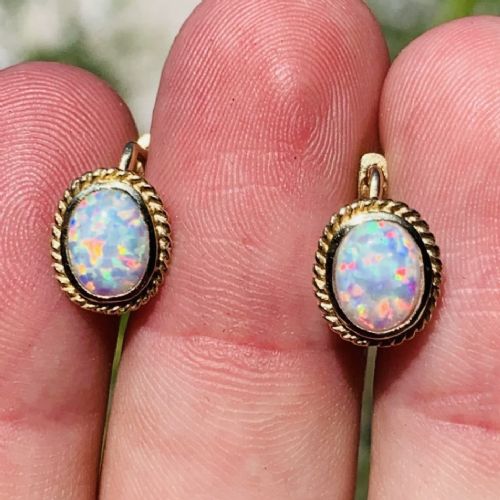
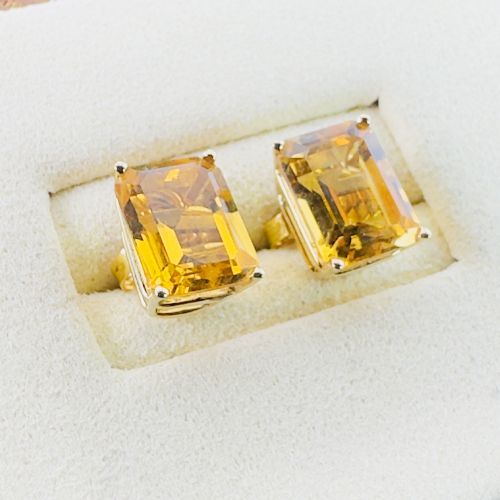
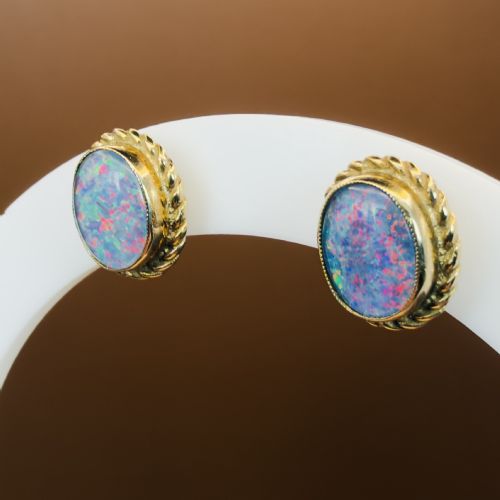
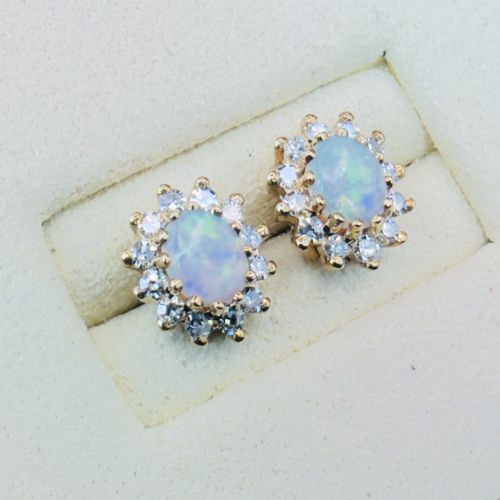
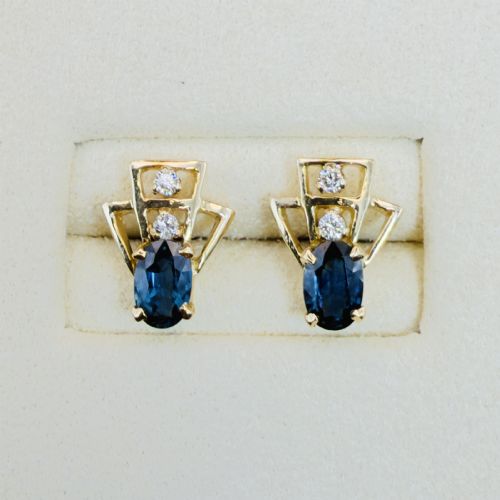
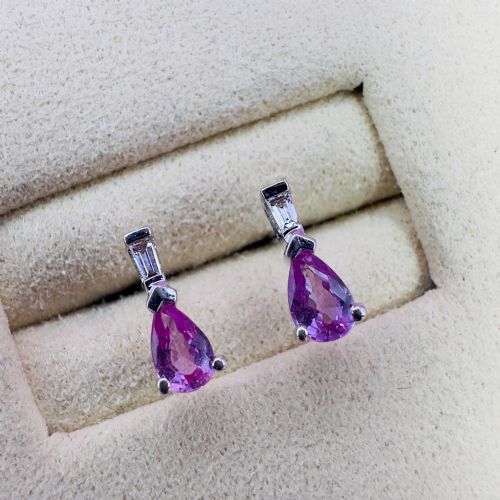
These vintage gold stud earrings bring mid-century colour and classic stone settings to everyday wear.
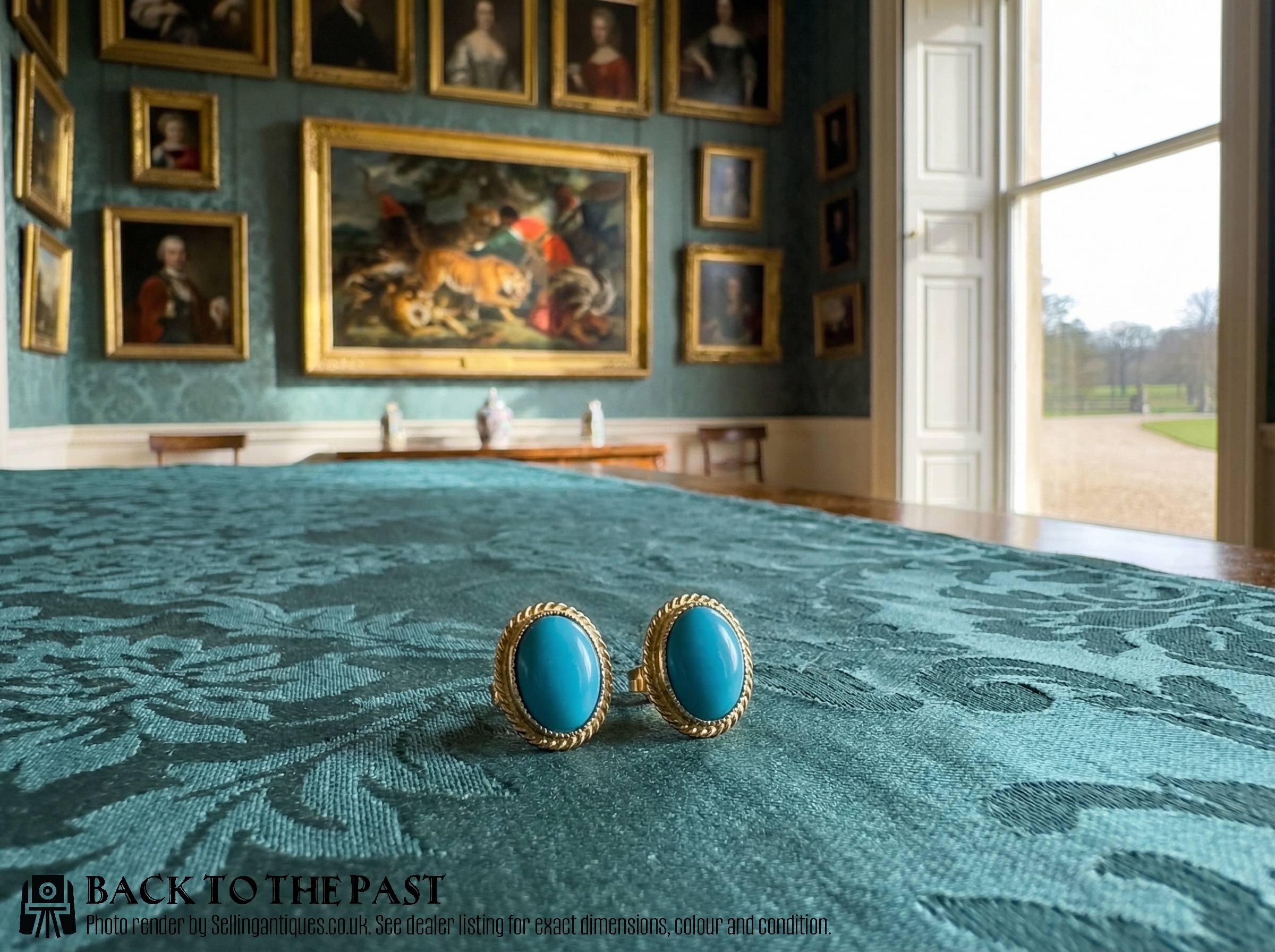
The Nature of Vintage Gold Stud Earrings
Vintage gold stud earrings encompass mid-century designs featuring precious metals paired with coloured stones, pearls, and enamel work. The selection spans pieces from the 1950s and 1960s alongside earlier revivals, showcasing traditional craftsmanship and regional styles.
Buyers encounter cluster configurations, solitaire gems, and floral motifs set securely against the earlobe. The predominant materials recorded in these pieces include standard nine-carat yellow gold and higher-purity options such as 19.2ct gold.
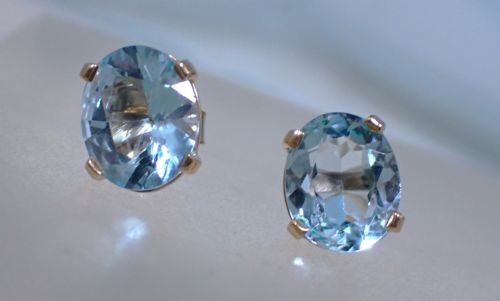
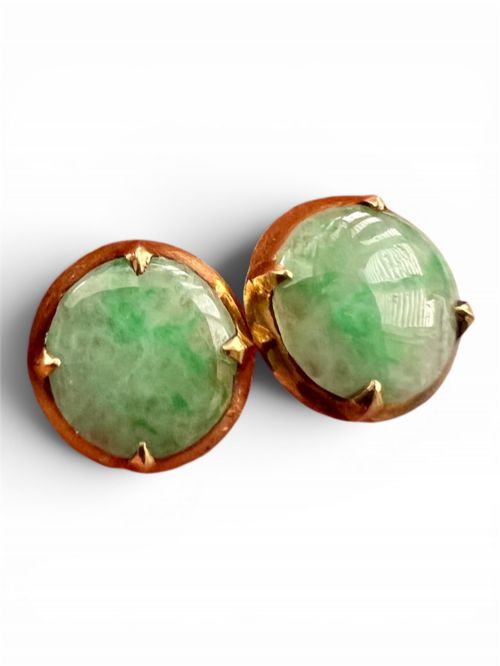
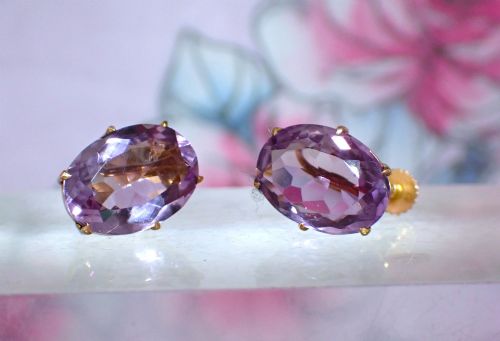
The assortment reflects mid-century jewellery production where gemstones like amethyst, turquoise, black onyx, and blue topaz take centre stage. Clean geometric lines and floral silhouettes dominate the available forms.
Manufacturing and Materials
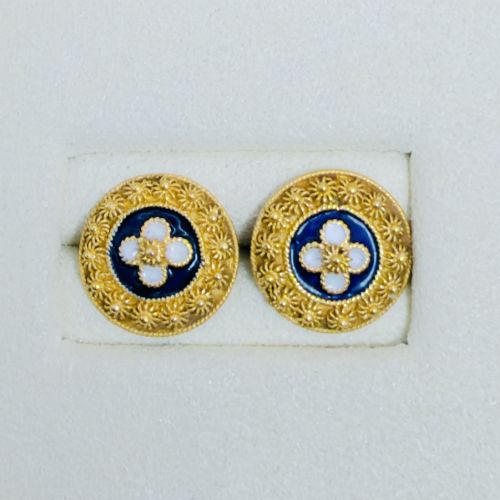
Goldsmiths constructed these earrings using traditional casting and hand-assembly techniques to mount stones in secure settings. Bezel rims, prong claws, and intricate filigree wirework hold individual gems firmly in place.
Surface decoration frequently incorporates vitreous enamel or textured gold finishes, adding depth and tonal contrast to the metalwork. Post backs and omega fittings provide structural support for daily wear.
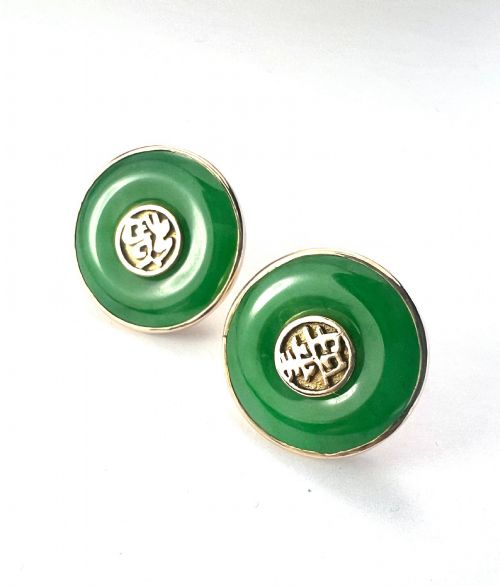
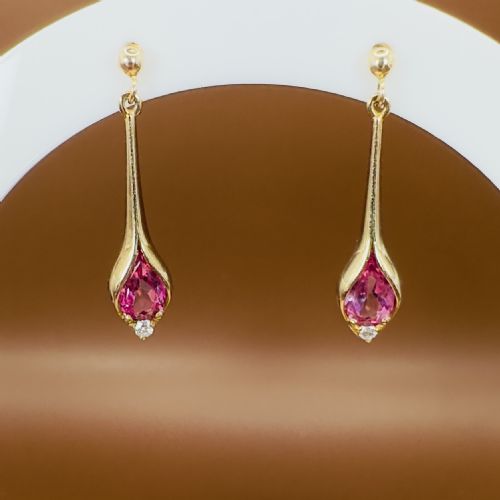
Listings feature pieces fashioned from nine-carat and 19.2ct gold, incorporating amethyst, turquoise, black onyx, and blue topaz.
Distinctions in Quality
Quality rests in the precision of the stone cutting, the weight of the gold chassis, and the crispness of any decorative filigree. Higher-tier examples demonstrate uniform gemstone matching and robust structural joinery.
The purity of the gold alloy and the complexity of supplementary decorative elements, such as enamel work or multi-stone cluster arrangements, distinguish standard productions from finer workshop creations.
Mikimoto
The Vintage Gold Stud Earrings Glossary
- Stud
- An earring design featuring a decorative front mounted on a straight post that pierces the earlobe and secures with a back.
- Filigree
- Delicate ornamental work consisting of fine gold wire twisted and soldered into openwork patterns.
- Cluster
- An arrangement of multiple gemstones grouped closely together around a central stone to create a concentrated focal point.
- Cabochon
- A gemstone shaped and polished with a smooth, convex surface rather than faceted planes.
- Bezel
- A metal collar that encircles the outer edge of a gemstone to hold it securely in its setting.
Frequently Asked Questions
How do I care for vintage enamel earrings?
Enamel surfaces require gentle cleaning with a soft cloth and warm soapy water to avoid scratching the vitreous glass layer. Harsh chemical dips can damage both the enamel and the surrounding gold mount.
Store each pair separately in a lined box to prevent friction from other jewellery items. Regular inspection of the settings ensures the enamel and stones remain firmly anchored.
What periods do these earrings represent?
The pieces span mid-century periods from the 1950s and 1960s, alongside Revival styles referencing earlier eras. Design cues often point to the specific decade of manufacture through distinct stone cuts and metalworking techniques.
Examining the metal hallmarks and post configurations helps verify the chronological origin of each pair. Mid-century examples frequently combine clean geometric forms with vibrant coloured gems.
Are post backs original to mid-century studs?
Post backs and friction clutches were standard fasteners for secure daily wear during the mid-century period. Some heavier designs utilise omega backs to distribute weight evenly across the earlobe.
Replacements do occur over decades of use, so checking the connection between the post and the earring body provides insight into the piece's history.
How are different gold purities identified?
Gold purity is typically stamped on the post or the reverse of the earring using standard hallmark symbols. These marks indicate the exact alloy proportion, such as nine-carat or higher purity standards.
Regional assay offices often stamp specific symbols that reveal the geographic origin of the metalwork. Professional testing confirms the gold content when hallmarks are worn or absent.