

9ct Gold Vintage Watch
When you handle a 9ct gold vintage watch, you are holding decades of horological heritage forged in solid precious metal.
9ct Gold Vintage Watch
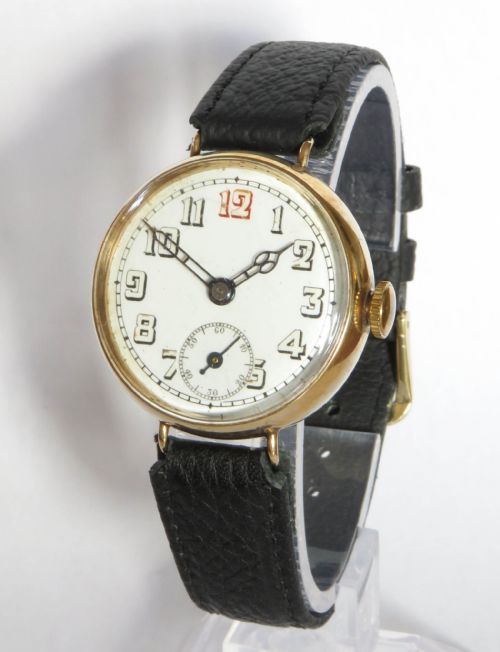
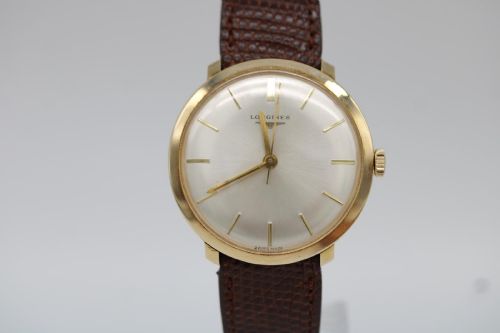
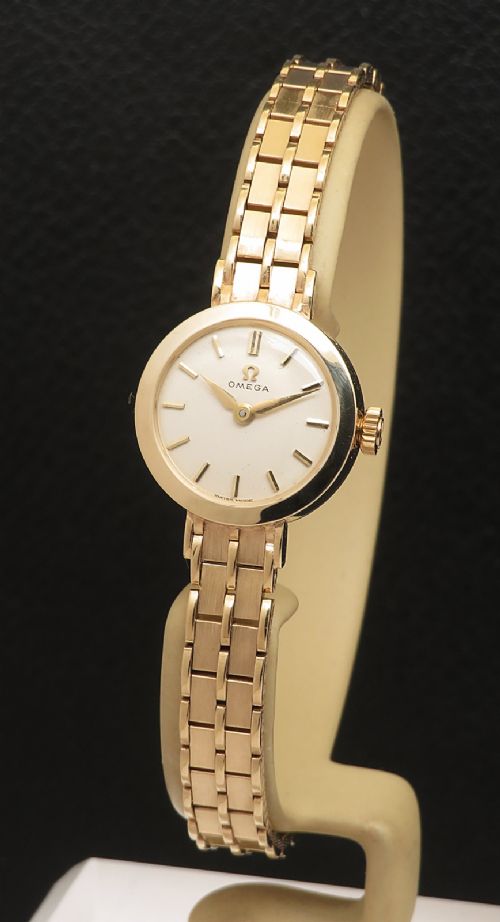
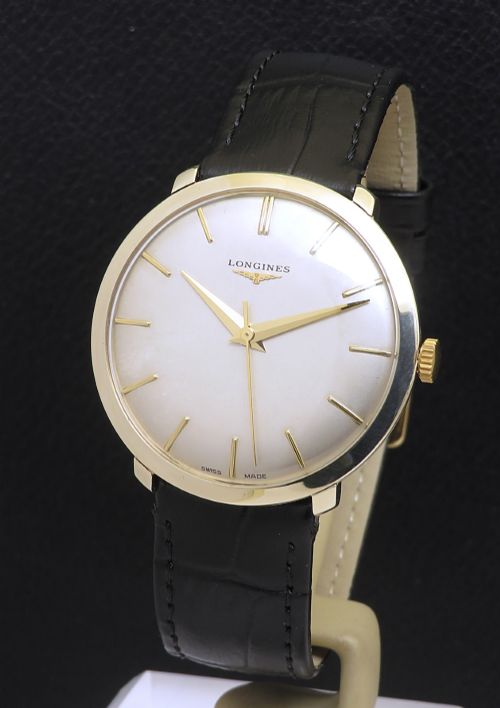
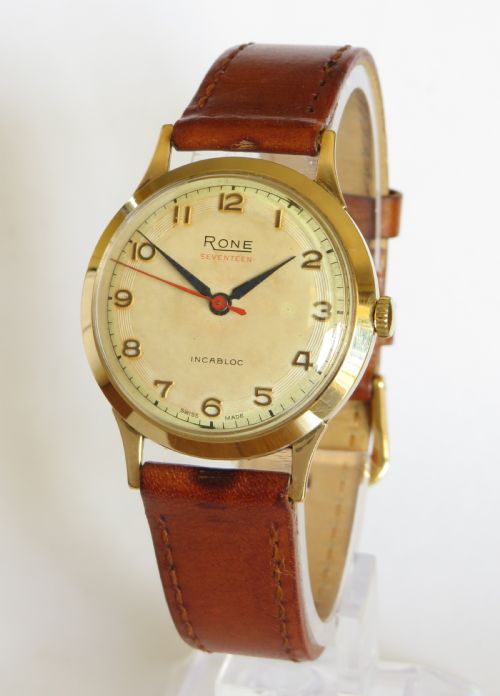
A 9ct gold vintage watch encompasses mechanical wristwatches, automatic dress pieces, and cocktail timepieces produced by notable makers from the early twentieth century through the late nineteen-sixties. Buyers searching this phrase typically encounter robust yellow and rose gold models originating from eras such as the nineteen-fifties and nineteen-sixties, alongside earlier Edwardian and Art Deco examples.
How they were made
Cases are formed from solid 9ct gold, often bearing hallmarks from assay offices like London, Birmingham, or Chester, and occasionally paired with matching gold bracelets or leather straps. Movements rely on traditional mechanical engineering, utilising manual wind or automatic calibres with jewelled pivots to ensure precision.
Dials incorporate protective layers of glass or acrylic crystals over metal faces, sometimes featuring specialised textures or complications such as date displays and sweep seconds hands.
9ct Gold Vintage Watch Retail Price Guide 2026
Typical asking prices for 9ct gold vintage watch among the pieces listed under this phrase on Sellingantiques today, from the lower quarter to the upper quarter. They describe what is for sale here now, not the wider market.
Listings span the Victorian era through the nineteen-sixties, utilising yellow gold, rose gold, leather, glass, and acrylic.
What varies in quality
Quality separates along the line of mechanical complexity and overall preservation, distinguishing standard production models from chronometer-grade pieces equipped with high-jewel movements. Originality dictates the upper tier, where unworn examples retaining factory boxes, papers, and untouched dials command greater attention.
The weight and gauge of the solid gold case further define the standard, alongside the renown of the manufacturer and the precision of the internal calibre.
Omega·Rolex Wilsdorf and Davis·IWC·Longines·Zenith·Eterna Matic·JW Benson·Girard Perregaux·Bueche Girod·Garrard·Asprey
The 9ct Gold Vintage Watch Glossary
- Calibre
- The specific internal mechanism or movement model created by a watch manufacturer. Collectors often reference these numbers to date and assess the grade of a timepiece.
- Automatic
- A self-winding mechanical movement that harnesses the natural motion of the wearer's wrist to power the mainspring. This system removes the need for daily manual winding.
- Manual wind
- A traditional mechanical movement wound by hand via the crown to tension the mainspring. These movements allow for much slimmer case profiles.
- Hallmark
- An official stamp struck into precious metal indicating its purity and origin. British items typically display symbols denoting the assay office and carat standard.
- Albert chain
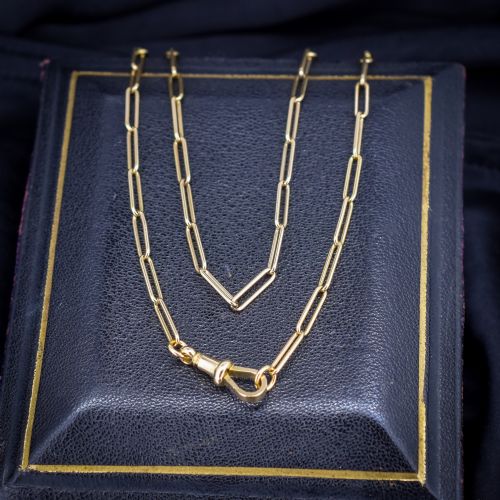
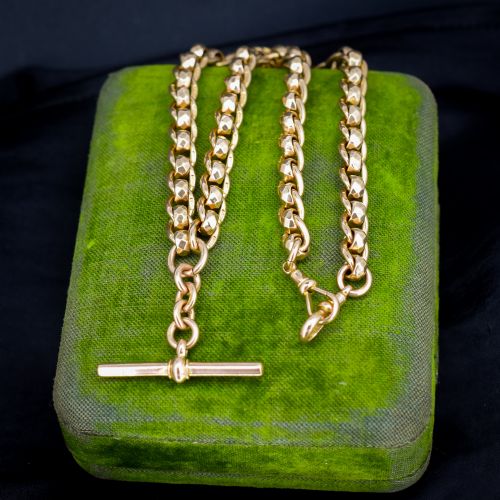
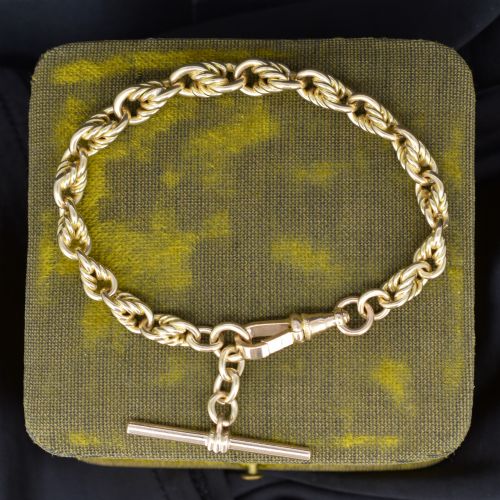
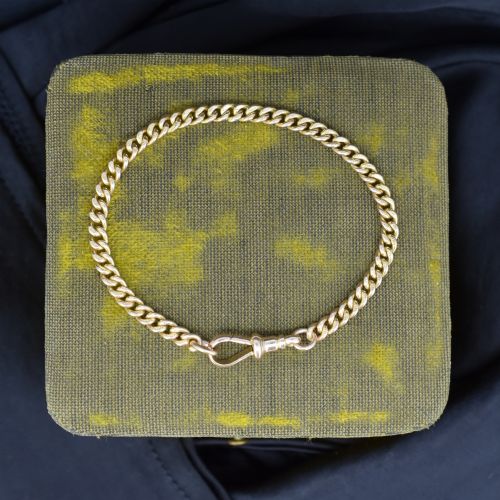
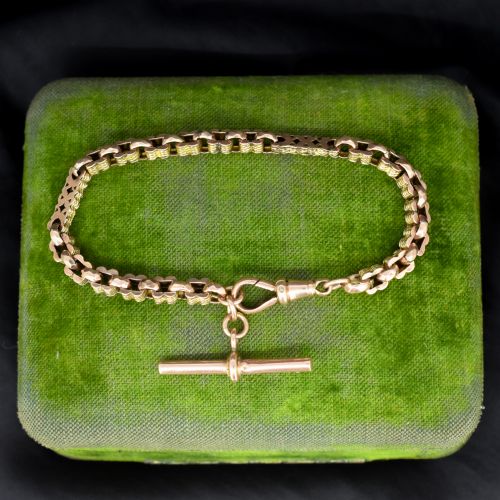
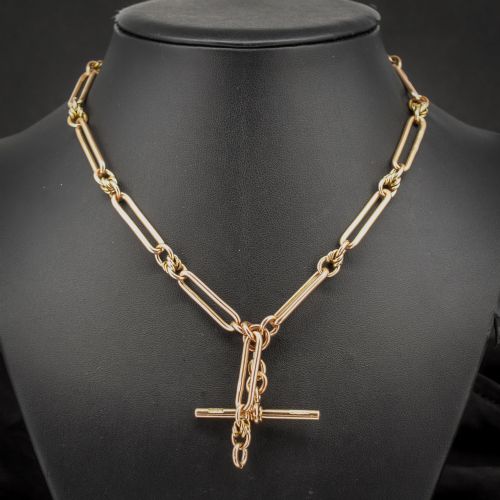
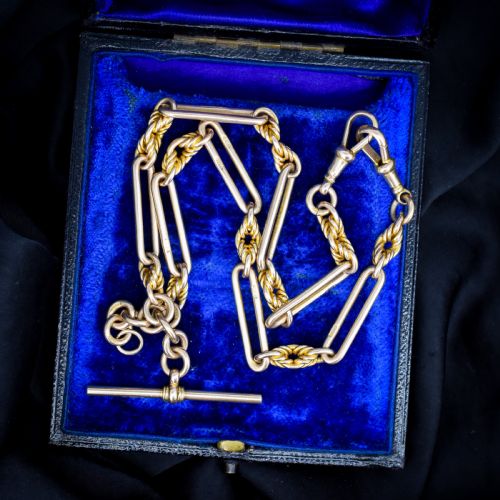
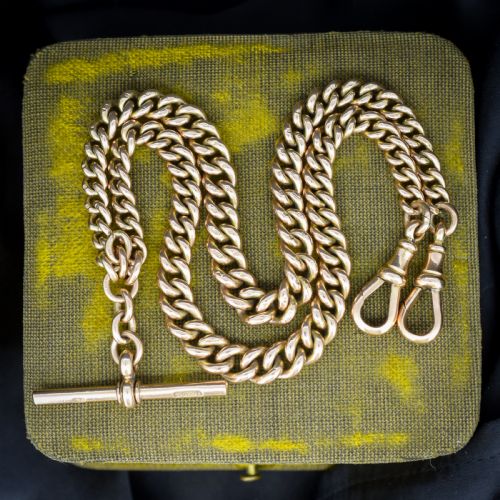
- A pocket watch chain designed to be secured across a waistcoat or worn as a bracelet. These are frequently encountered in matching 9ct yellow or rose gold links.
9ct Gold Vintage Watch: Frequently Asked Questions
How do I wind a manual watch?
Turn the crown clockwise between your thumb and forefinger until you feel gentle resistance. Stop immediately to avoid damaging the internal mainspring.
Wind the watch at the same time each day to maintain consistent tension and accurate timekeeping.
Are these watches waterproof?
Vintage gold timepieces lack modern rubber gaskets and screw-down crowns. Exposure to moisture can easily compromise the delicate paper dials and unsealed movements.
Treat these items as strictly non-waterproof and remove them before swimming or washing hands.
What is 9ct gold?
An alloy containing thirty-seven point five percent pure gold mixed with other metals to increase durability. This standard has been widely used in British jewellery and watchmaking for centuries.
It offers a durable structure suited to daily wear while retaining a warm precious metal lustre.
How do I read hallmarks?
Examine the inside of the case back or the exterior of the lugs for tiny stamped symbols. These marks indicate the gold purity, the assay office city, and the year of manufacture.
Consulting a standard assay guide helps decode these small stamps accurately.