


9ct Gold Sapphire Jewellery
These pieces of 9ct gold sapphire jewellery bring together deep blue and coloured stones in rings, pendants, and brooches that suit everyday wear.
9ct Gold Sapphire Jewellery
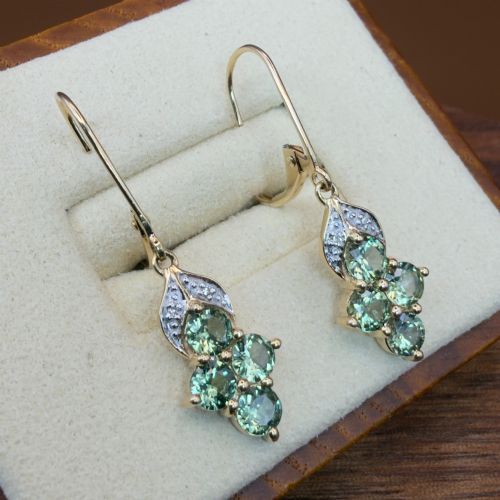
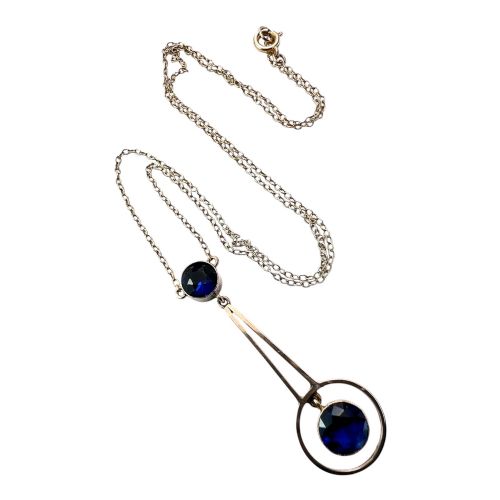
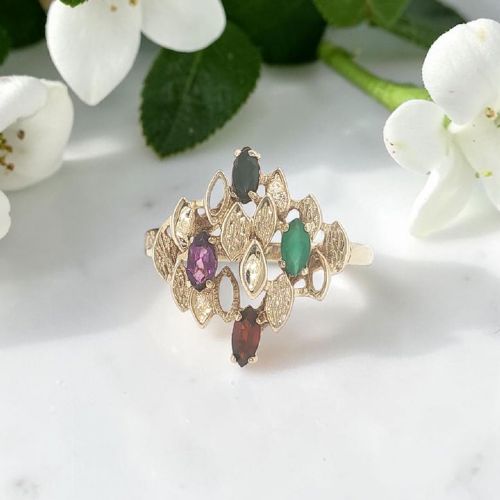
When you search for 9ct gold sapphire jewellery, you encounter a diverse range of items spanning the nineteenth century, Edwardian era, Art Deco period, and mid-twentieth century designs. The selection predominantly includes rings, cluster pendants, drop earrings, and pearl necklaces with sapphire clasps.
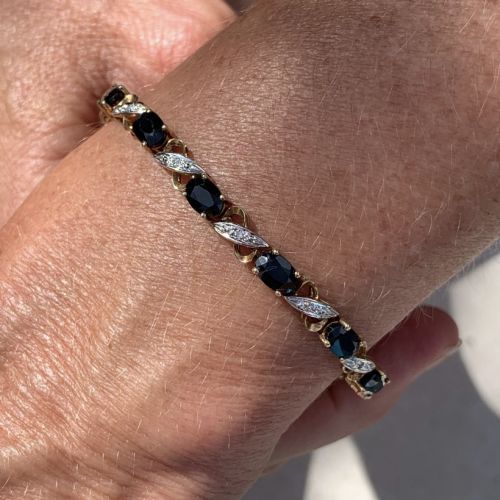
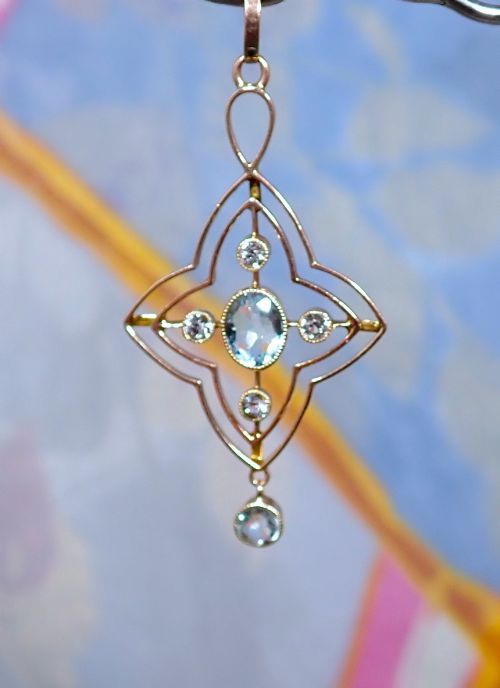
Edwardian and Victorian examples often pair sapphires with seed pearls, aquamarines, or diamonds in crescent brooches and delicate pendants. Later twentieth-century pieces lean towards bolder cluster rings, hinged drop earrings, and heavy gemstone bracelets set in standard yellow or rose 9ct gold.
Materials and construction
The foundation of these items relies on 9ct yellow, rose, or standard gold, which provides a durable and accessible alloy for intricate stone settings. Goldsmiths combine this metal with natural and synthetic sapphires, often accompanied by accent diamonds, emeralds, pearls, or pastes.
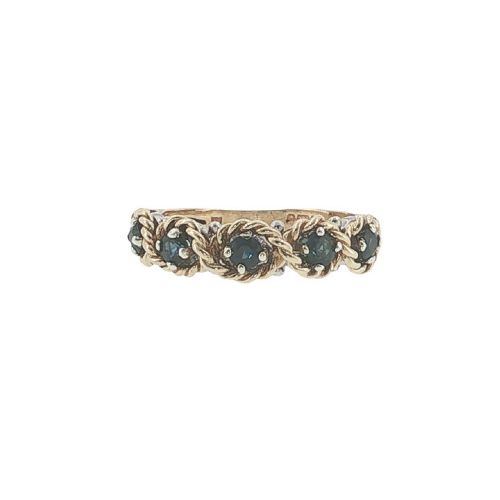
Setting techniques vary from secure claw and prong mounts for solitaire stones to delicate grain and bezel settings used in cluster rings and Edwardian openwork pendants.
A playful dolphin-shaped ring swims alongside traditional floral clusters and geometric Art Deco brooches.
Evaluating quality and craftsmanship
Quality in these pieces rests upon the saturation and clarity of the sapphire stones, alongside the crispness of the surrounding goldwork. Well-balanced cluster arrangements and secure, tidy stone settings separate finer examples from mass-produced items.
The integrity of the original mounts, minimal wear to the gold claws, and the harmonious combination of secondary gems like diamonds or pearls dictate the standing of each piece.
Asprey
The 9ct Gold Sapphire Jewellery Glossary
- Cluster ring
- A ring featuring a central stone surrounded by a margin of smaller gems, typically diamonds or pearls framing a sapphire.
- Hinge back
- A type of earring closure featuring a hinged wire that clicks securely into a small notch behind the earlobe.
- Solitaire
- A piece of jewellery featuring a single mounted gemstone, such as an emerald cut purple sapphire.
- Witches heart
- An asymmetrical looped pendant design popular in the Edwardian period, symbolising romantic devotion.
- Trilogy
- A three-stone setting often used for rings, representing the past, present, and future.
9ct Gold Sapphire Jewellery: Frequently Asked Questions
How do I care for 9ct gold sapphire jewellery?
Clean your items gently using warm soapy water and a soft brush to remove everyday oils from the stone facets. Avoid harsh chemical dips, particularly if the piece incorporates pearls or softer accent stones.
Store each item in a separate fabric pouch or a lined jewellery compartment to prevent the harder sapphires from scratching the 9ct gold or neighbouring gems.
Can I wear a 9ct gold sapphire ring daily?
Sapphire ranks nine on the Mohs hardness scale, making it exceptionally resilient and well suited for regular ring wear. The 9ct gold alloy also offers good durability against everyday knocks compared to higher-carat softer golds.
Inspect the claw settings periodically with a loupe to ensure the stones remain secure, especially on older Edwardian or Victorian rings.
How do I identify an Edwardian sapphire piece?
Edwardian items frequently utilise yellow gold or platinum-topped gold, often featuring delicate openwork motifs like crescent brooches or witches hearts. They commonly pair sapphires with split pearls, seed pearls, or old-cut diamonds.
Examine the back of the piece for hand-finished construction details and traditional pin mechanisms typical of the early twentieth century.
What is the difference between natural and synthetic sapphires here?
Listings occasionally specify synthetic stones, particularly in mid-century or Art Deco revival items where laboratory-grown gems provided uniform colour and flawless clarity. Natural sapphires show characteristic internal inclusions visible under magnification.
Both types occupy this category, with value and appeal depending on the overall design, age, and aesthetic merit of the mounting.