


9ct Gold Box
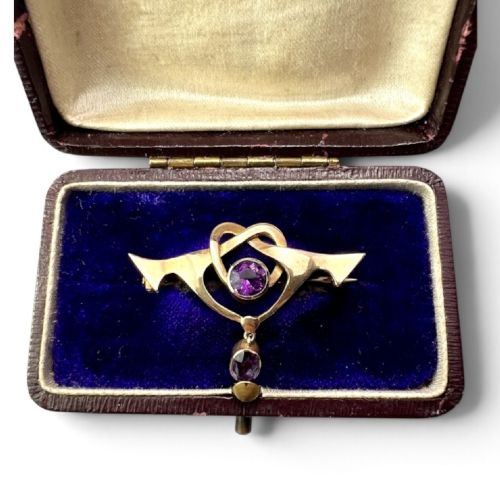
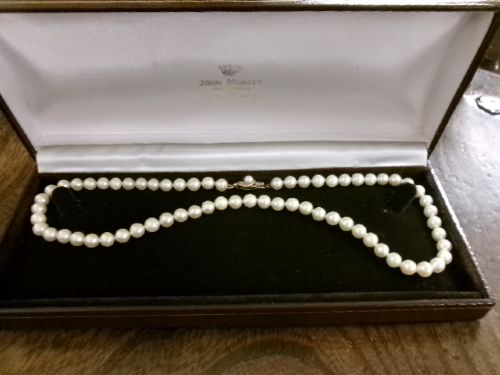
These pieces associated with a 9ct gold box are predominantly fitted cases accompanying watches, brooches, necklaces, and cufflinks across Victorian, Edwardian, and mid-century periods.
9ct Gold Box
When you search for a 9ct gold box, you encounter presentation and storage containers that house period items such as watches, brooches, necklaces, and cufflinks. These fitted receptacles span from the late nineteenth century through to the mid-twentieth century.
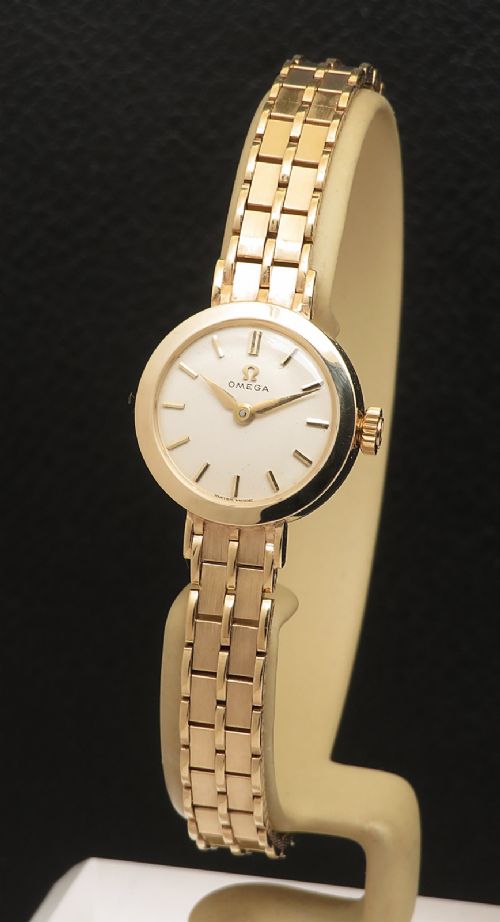
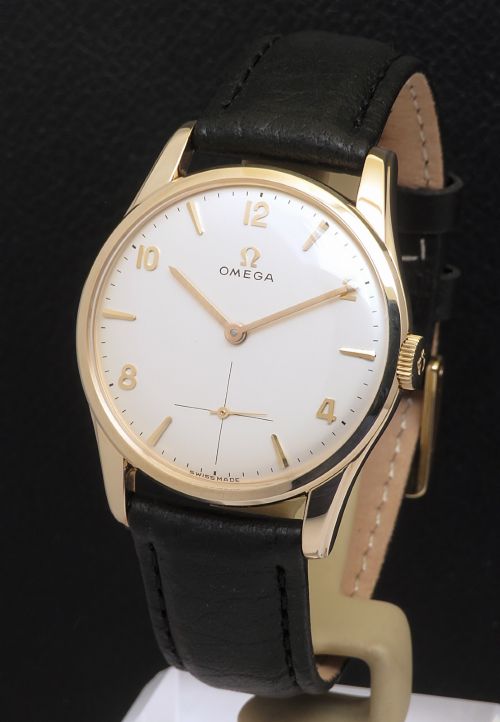
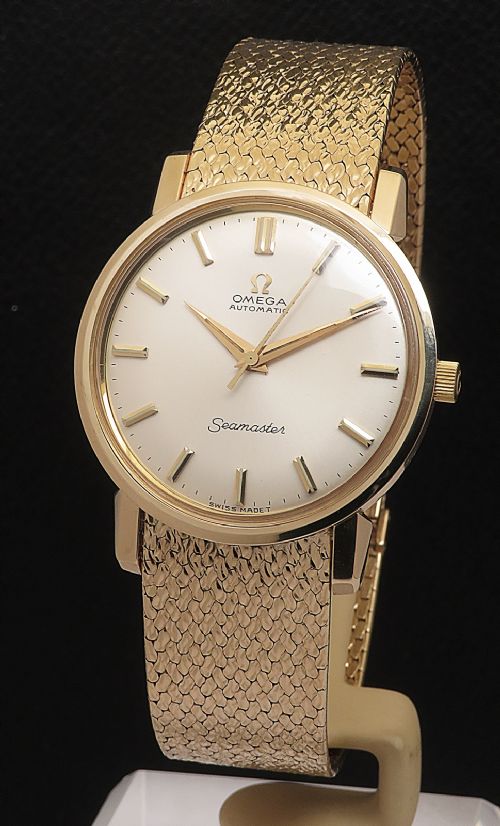
The listings on this page most commonly present vintage and antique boxes that accompany wristwatches from the 1950s and 1960s, alongside fitted cases for Victorian and Edwardian jewellery pieces.
Materials and construction
The physical construction of these pieces relies on a combination of precious metals, interior linings, and exterior protective coverings. Makers utilised 9ct gold for structural components, clasps, or decorative mounts, often pairing the metal with leather outer cases.
Interiors frequently feature satin or similar fine fabrics designed to cushion items like wristwatches, necklaces, and brooches. Glass and enamel elements occasionally appear within the jewellery housed inside these boxes, while structural elements incorporate solid gold or silver components.
Some watches arrive with paperwork intact, proving that paperwork has occasionally survived longer than the original owner's punctuality.
Distinctions in quality
The standard of a 9ct gold box or its accompanying fitted case rests upon the integrity of its materials and the precision of its original construction. Pieces that retain their original fitted elements and protective outer casing demonstrate higher preservation.
Makers such as Deakin & Francis or established watch houses produced fitted boxes that reflect meticulous attention to detail in their linings and structural hinges. The synergy between the container and the item it houses defines the overall character of the piece.
Deakin & Francis·Omega·Taye Kenning & Spencer Ltd·Longines
The 9ct Gold Box Glossary
- 9ct Gold
- An alloy containing thirty-seven point five percent pure gold, widely utilised in British jewellery and fitted cases from the Victorian era onwards.
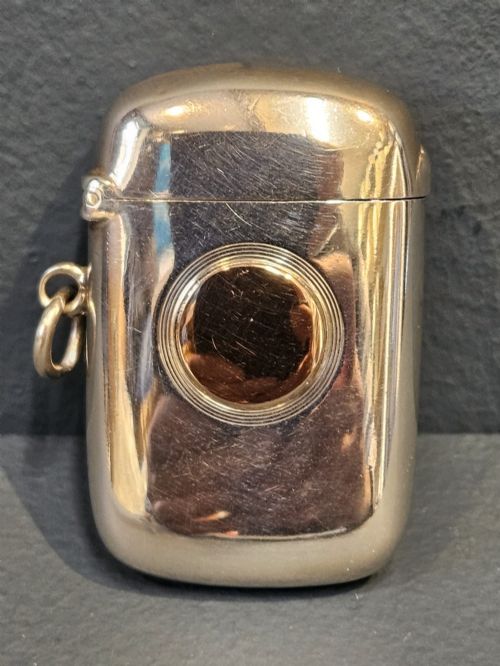
- Vesta Case
- A small pocket container originally designed to hold matches, frequently fashioned from precious metals including silver and 9ct gold.
- Fitted Box
- A storage container custom-lined with materials such as satin to securely hold a specific item like a wristwatch, necklace, or brooch.
- Curb Link
- A type of chain design featuring interlocking uniform links that lie flat, often seen in bracelets from the Victorian period.
- Stick Pin
- A long pin with a decorative head, commonly housed in a fitted box and worn on lapels or cravats during the nineteenth and twentieth centuries.
9ct Gold Box: Frequently Asked Questions
What periods do these boxes come from?
The pieces span from the late Victorian and Edwardian eras up to the mid-twentieth century, including the 1950s and 1960s.
Such dates reflect the manufacturing periods of both the containers themselves and the items they were originally created to hold.
How were these fitted boxes used?
They served primarily as presentation and protective housing for valuable personal items such as wristwatches, necklaces, and brooches.
Many of these containers were designed by specific makers to keep delicate jewellery and timepieces safe from tarnish and physical damage.
How do I identify a Victorian box?
Victorian examples often feature distinct period design motifs, heavier construction, and specific interior fabrics associated with late nineteenth-century craftsmanship.
The materials and associated items, such as curb link bracelets or vesta cases, typically point toward this earlier nineteenth-century origin.
What materials line these containers?
Interiors commonly utilise satin or similar fine fabrics tailored to cradle the specific item housed within the box.
Exterior coverings often incorporate leather, complementing the 9ct gold and silver components found on the pieces inside.