

9ct Gold Bar Chain
When you search for a 9ct gold bar chain, you enter a world of tactile antique links designed to secure timepieces or grace the neckline.
9ct Gold Bar Chain
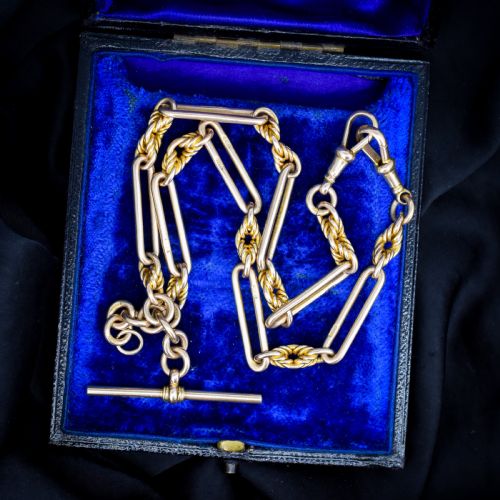
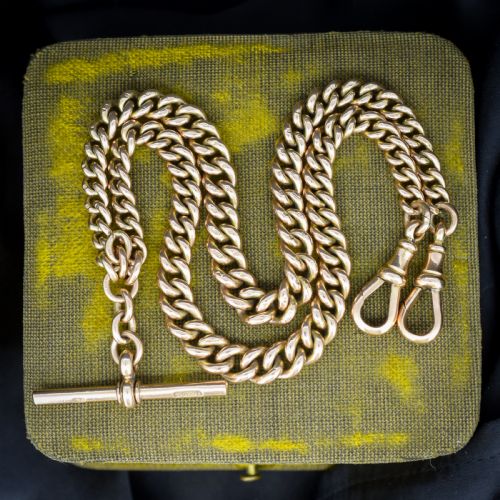
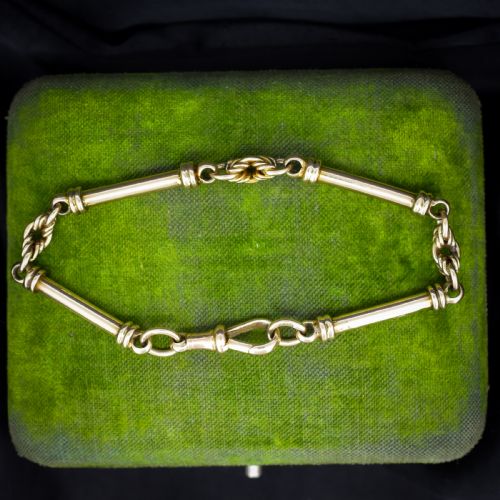
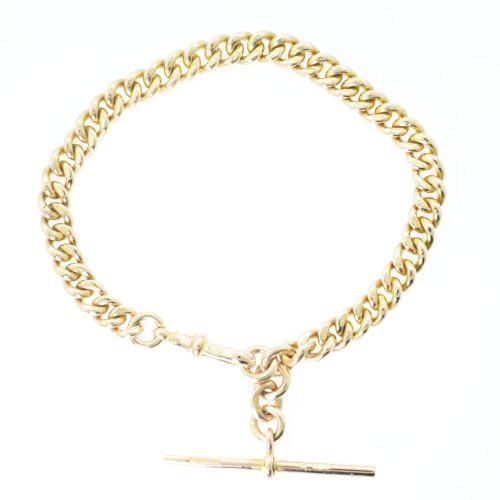
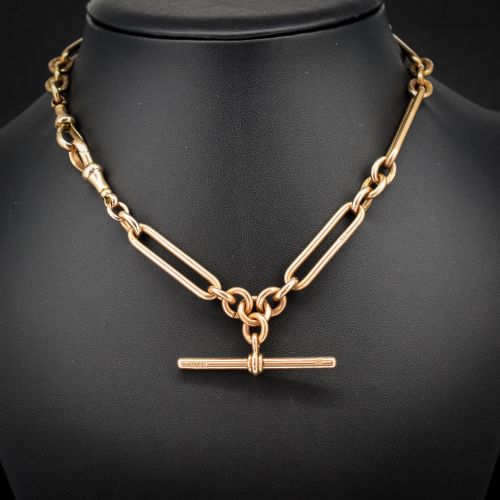
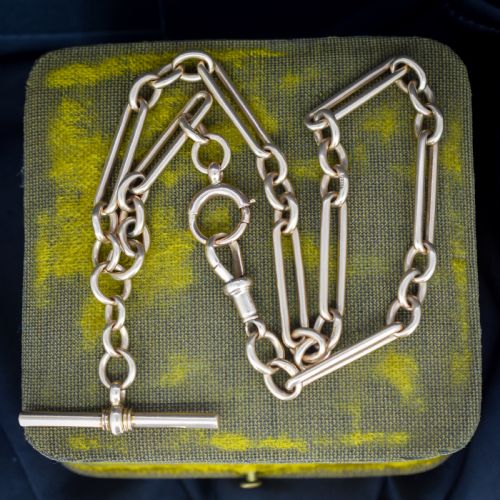
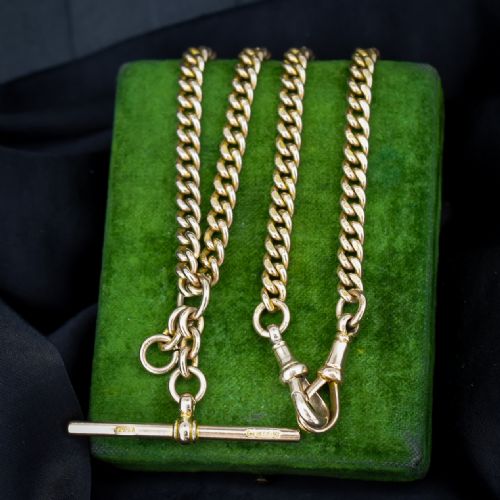
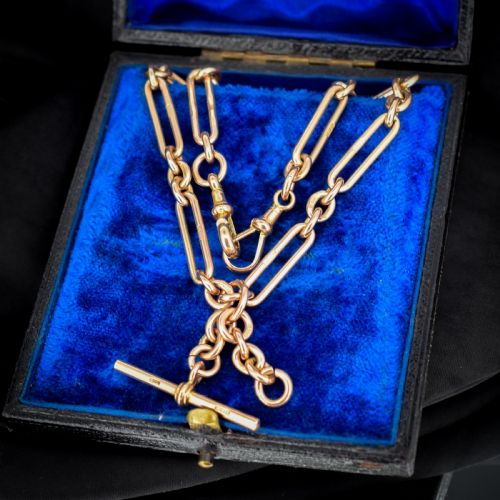
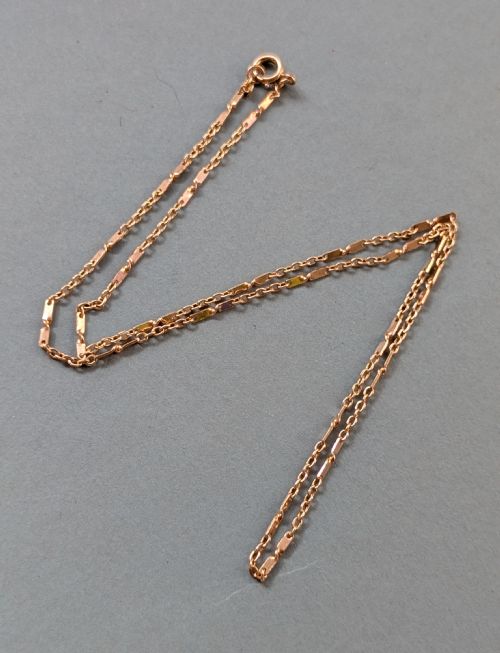
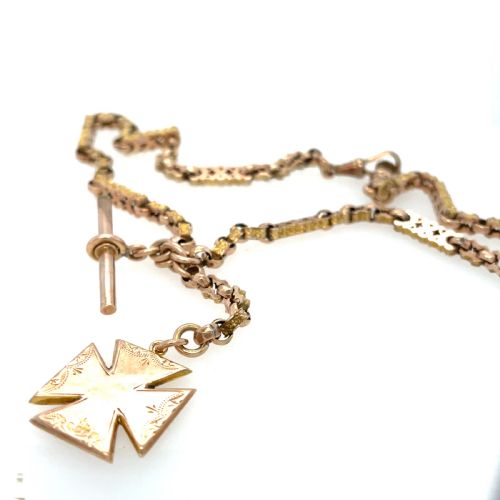
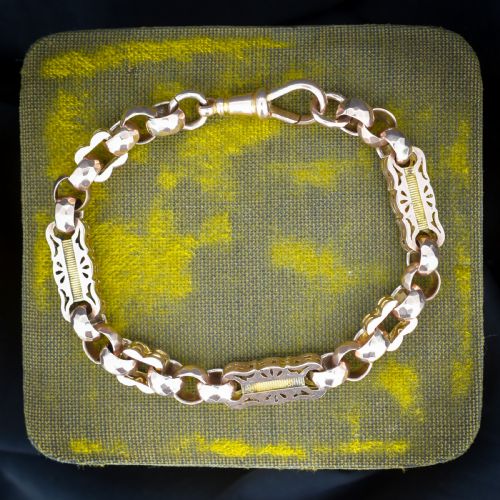
Buyers will frequently meet heavy rose gold or yellow gold examples featuring trombone, curb, or stars and bars links, often complete with original dog clips and T-bars.
Originating largely from the 19th century through the 1920s, these pieces bridge the gap between utilitarian pocket watch accessories and wearable historical jewellery.
How they were made
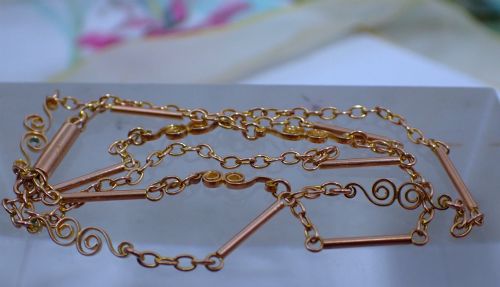
Goldsmiths worked primarily in 9ct yellow gold and 9ct rose gold, shaping wire and sheet into hollow or solid tubular bars, trombone links, and interlocking curb patterns.
Construction relied on hand-assembly, connecting decorative segments with sturdy jump rings and integrating functional hardware like swivel dog clips, bolt rings, and T-bars.
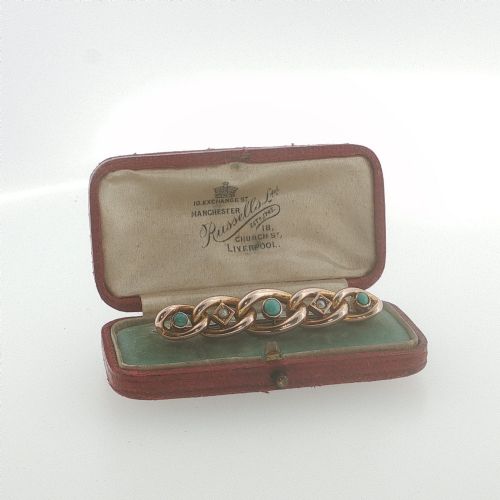
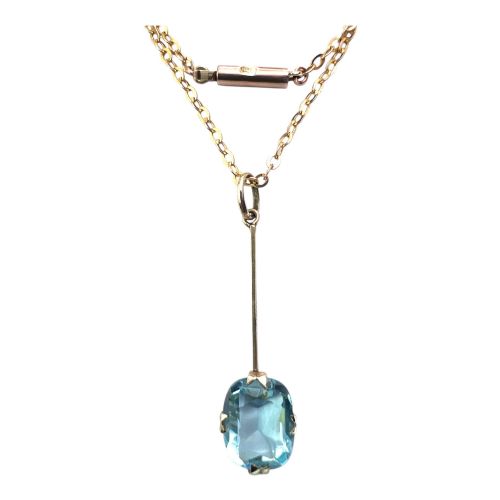
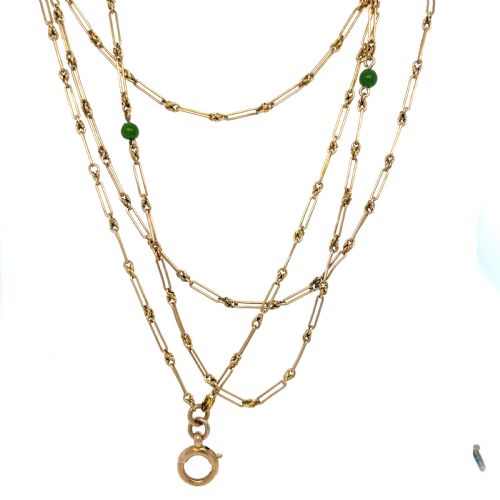
Certain pieces incorporate supplementary materials such as turquoise, seed pearls, paste glass, and various gemstone drops, soldered or bezel-set into the gold framework.
Listings feature 9ct gold components dating from the late 19th century through the Edwardian era and the 1920s Art Deco period.
What varies in quality
The distinction between standard examples and the finest pieces rests upon the solidity of the links, the weight of the gold, and the crispness of the original hallmarks.
Subtleties in link design, such as hand-engraved star motifs on bar links or unusual repeating patterns like the trombone and love knot combination, elevate certain chains above standard production.
The 9ct Gold Bar Chain Glossary
- Albert chain
- A pocket watch chain designed to be worn across a waistcoat or adapted as a necklace, featuring a T-bar at one end and a dog clip at the other.
- T-bar
- A short horizontal bar attached to the centre of an Albert chain, originally used to secure the chain through a buttonhole on a waistcoat.
- Dog clip
- A spring-loaded swivel clasp attached to watch chains, allowing the wearer to securely fasten a pocket watch, fob, or pendant.
- Trombone link
- An elongated rectangular metal link with rounded ends, resembling the slide of a trombone, frequently seen in antique watch chains.
- Bar link
- A rigid metal rod section incorporated into a chain, often tubular or faceted, alternating with smaller connecting links.
9ct Gold Bar Chain: Frequently Asked Questions
How do I wear an antique watch chain as a necklace?
Many people remove any pocket watch or fob and fasten the dog clip directly to the opposing ring or link, wearing the T-bar as a decorative pendant drop at the front.
Alternatively, the chain can be doubled around the neck if the length permits, using both dog clips to secure the arrangement.
What is the difference between an Albert chain and a standard necklace?
An Albert chain was originally engineered for gentlemen to secure pocket watches to their garments, incorporating specific hardware like a T-bar and swivel dog clips.
Standard necklaces generally lack these functional components, though antique watch chains are frequently repurposed for contemporary neckwear.
How can I tell the difference between yellow gold and rose gold?
Rose gold contains a higher proportion of copper alloyed with gold, giving it a distinct warm, reddish-pink hue compared to the traditional bright yellow appearance of yellow gold.
Both shades appear frequently across Victorian and Edwardian pieces, often chosen to complement different gemstone accents like turquoise or seed pearls.
Were these chains originally made for men or women?
While heavy Albert chains were traditionally worn by men across waistcoats to secure pocket watches, lighter iterations and shorter lengths were adopted by women as muff chains or necklets.
Today, the substantial weight and length of these pieces make them versatile for any collector regardless of historical gender divisions.