

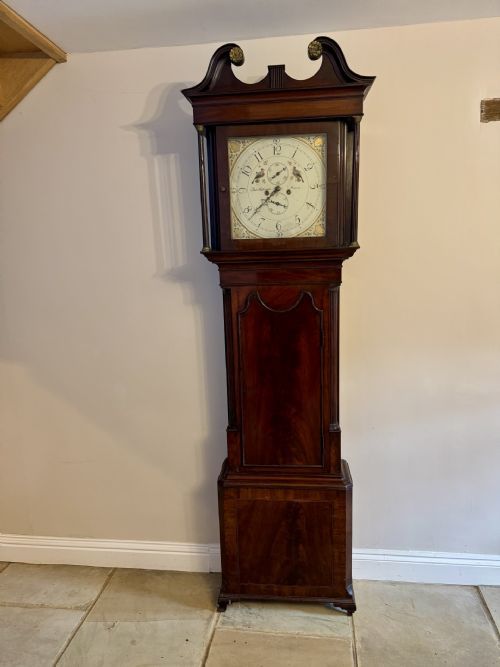


8 Day Pendulum Clock
An 8 day pendulum clock keeps time through a weight or spring movement that requires winding roughly once a week, uniting practical utility with traditional cabinetmaking.
8 Day Pendulum Clock
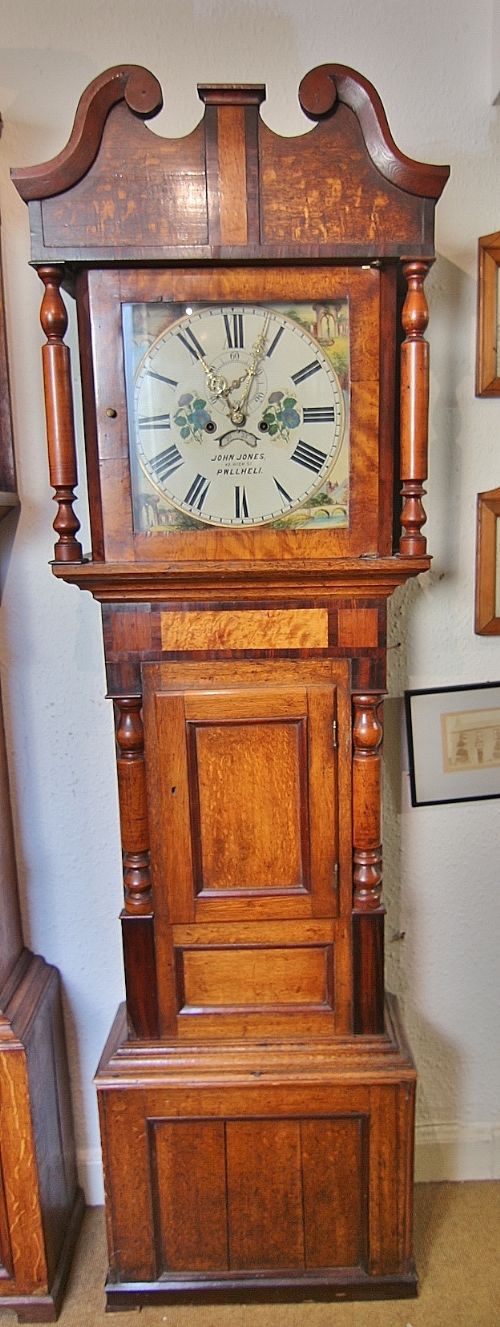
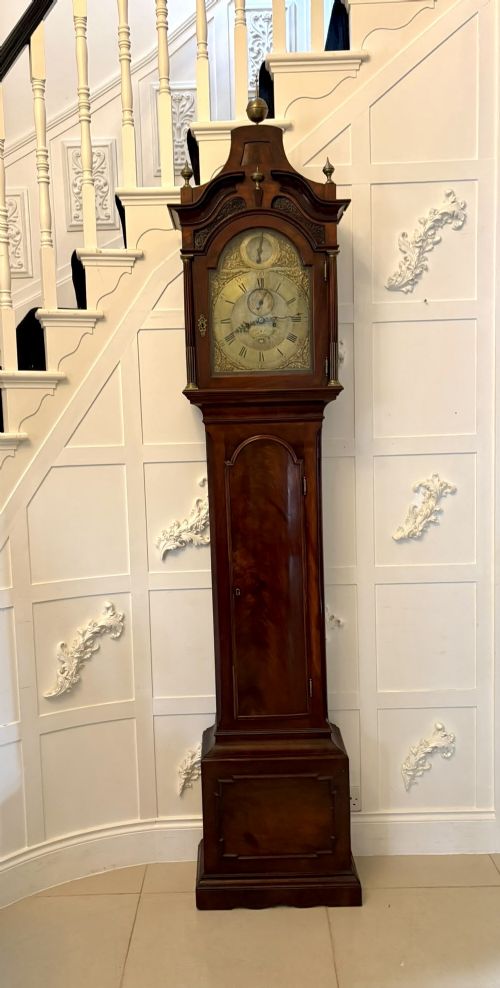
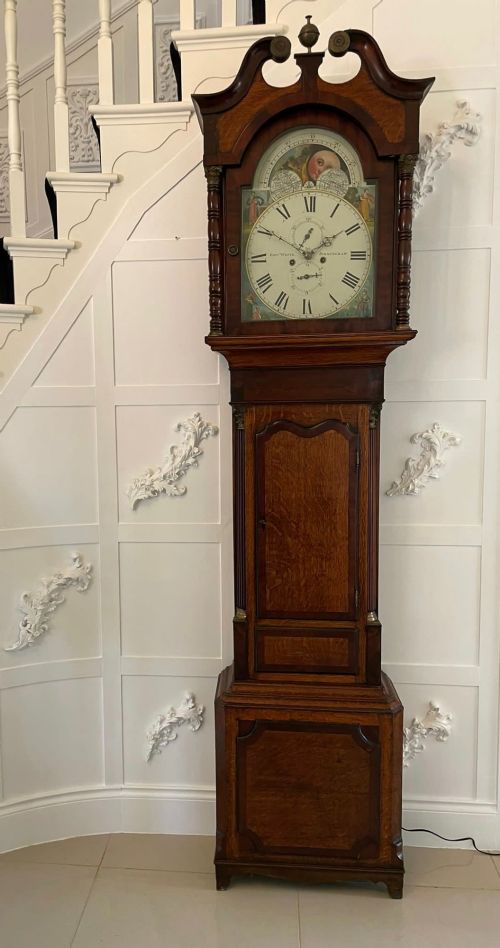
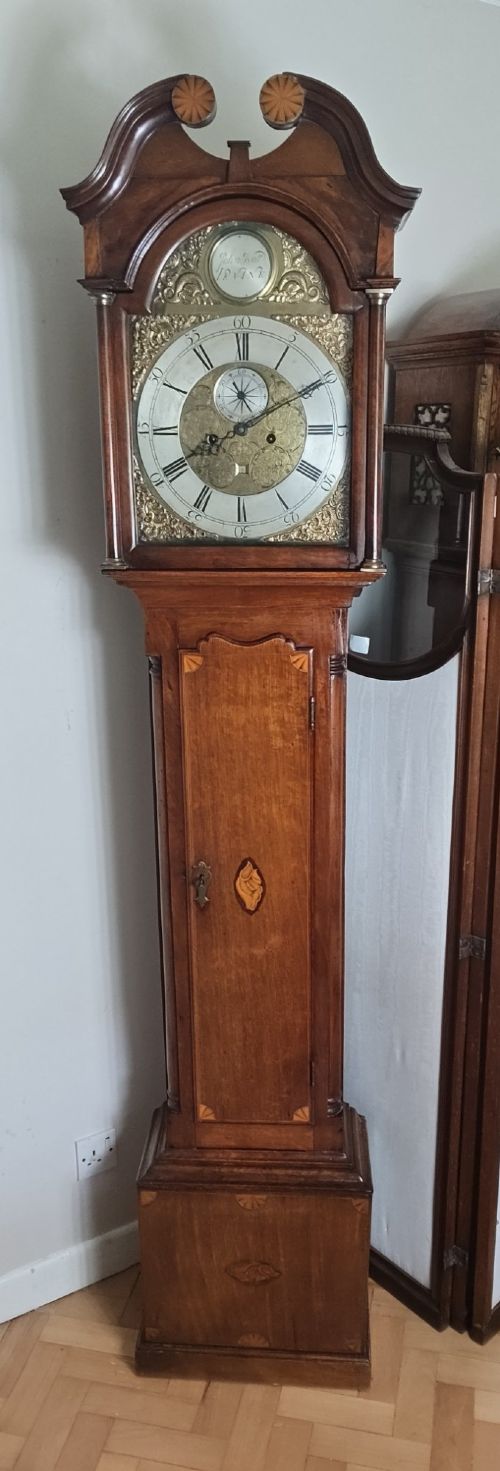
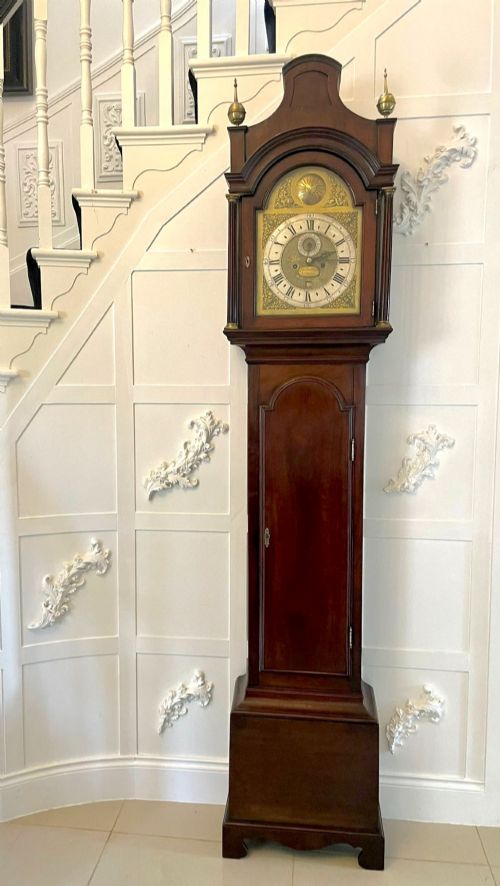
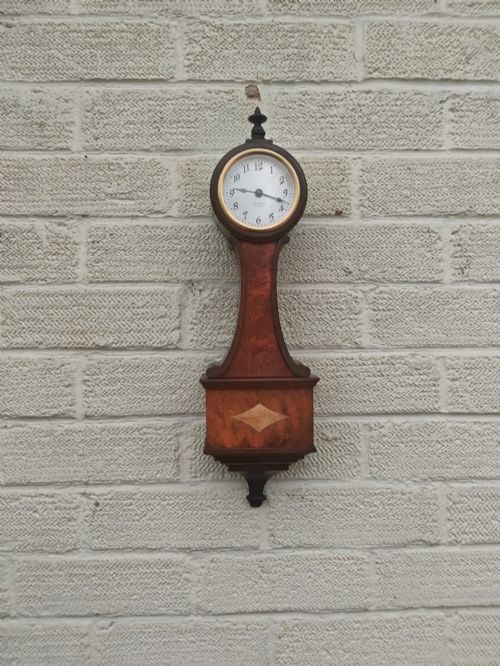
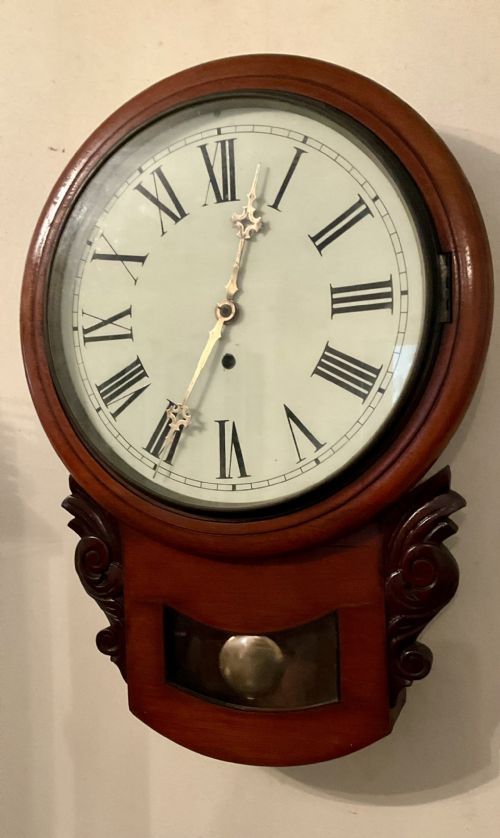
When you search for an 8 day pendulum clock, you encounter timepieces designed to run for just over a week between windings, spanning floor-standing longcase examples to wall and bracket formats. The pieces on this page appear predominantly as tall grandfather clocks from the Georgian and Victorian eras, alongside smaller wall and mantel configurations from the nineteenth and early twentieth centuries.
The objects take several structural forms, with longcase clocks housing tall wooden trunks and brass or painted iron dials sitting alongside compact drop dial wall clocks and bracket models. Makers from London, provincial English towns and Scotland feature heavily in the records, reflecting a broad geographic distribution of horological skill.
Materials range from figured mahogany and plain oak to walnut and flame mahogany cases, enclosing complex steel and brass movements. These variations give buyers a choice between formal urban presentation pieces and more restrained regional furniture.
Distinctions in craftsmanship
Superior examples separate themselves through the architectural refinement of the wooden case, utilising select timbers like burr walnut and flame mahogany matched with sophisticated dial engraving and signed movements by known horologists. Simpler provincial clocks utilise plain oak and standard painted iron dials with minimal decoration.
The integrity of the original movement relative to the case dictates overall standing, as marriages of convenience between mismatched parts alter historical authenticity. High-end pieces incorporate specialised complications such as strike-silent mechanisms or moon phases on the dial.
Listings span periods from the eighteenth century through the 1930s, utilising brass, glass, mahogany, oak, painted iron, walnut, steel and flame mahogany.
Charles Shuckburgh·Green of Edinburgh·D. Straiton, Montrose·Richard Corless·James McCabe·Seth Thomas·Parkinson Bros·Windmills and Wightman·G&J·D Williams·Henry Weedon·Edward Shepley·Matt Wylie·Thomas Moss
The 8 Day Pendulum Clock Glossary
- Longcase clock
- A tall pendulum timekeeper housed in a wooden floor-standing case, commonly known as a grandfather clock. These towers protect the hanging weights and long pendulum rod.
- Movement
- The mechanical assembly of wheels, gears, springs and escapement that drives the clock hands. This internal engine requires periodic oiling and adjustment.
- Bracket clock
- A portable table or shelf timekeeper originating from the period when clocks sat on wall brackets. They typically feature spring-driven mechanisms rather than hanging weights.
- Strike-silent
- A mechanism allowing the user to silence the hourly chime without stopping the timekeeping function. This addition was useful in bedrooms and formal sitting rooms.
- Dial
- The visible face of the clock showing hours and minutes through painted or engraved numerals. Dials employ brass plates or painted iron sheets.
8 Day Pendulum Clock: Frequently Asked Questions
How often do I need to wind an 8 day clock?
These movements run for approximately eight days on a single winding cycle, requiring the weights to be pulled up or the springs to be keyed once a week.
Maintaining a regular winding schedule helps keep the mechanical rhythm steady and prevents tension loss in the drive system.
Where should I place a longcase clock?
Longcase clocks need a stable, level floor against a solid interior wall to ensure the pendulum swings evenly without catching on the case interior.
Avoid positioning them in damp rooms or near direct heat sources that could dry out and warp the mahogany or oak cabinetry.
How do I tell an 18th century clock from a 19th century one?
Eighteenth-century examples often feature square brass dials with cast spandrels in the corners, whereas nineteenth-century pieces frequently display arched painted iron dials.
Case proportions and timber choices also shift over time, moving from heavy regional oak constructions toward refined mahogany veneers.
What is a moon phase dial?
A moon phase dial uses a secondary rotating disc behind the clock face to track the lunar cycle across twenty-nine and a half days.
This complication served practical navigational and agricultural purposes historically while adding decorative movement to the upper arch of the dial.