
20th Century Walnut Table
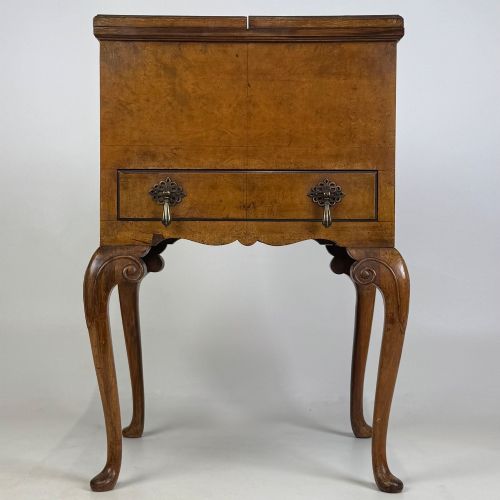
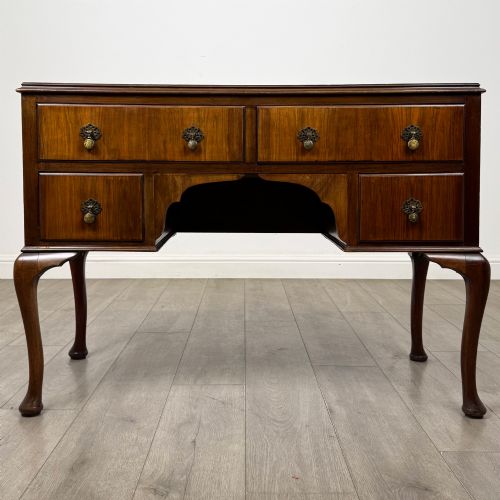
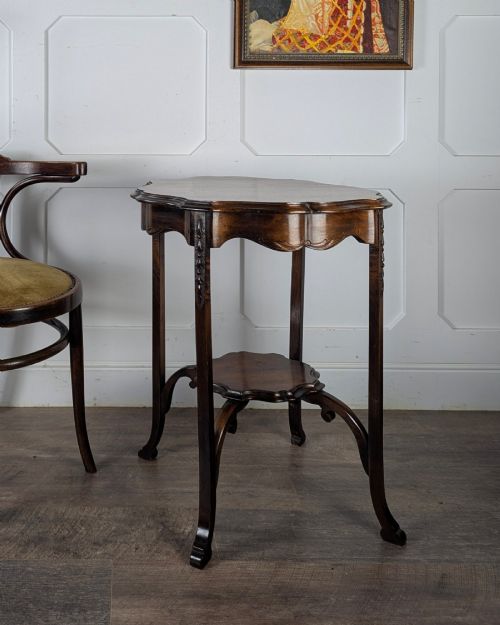
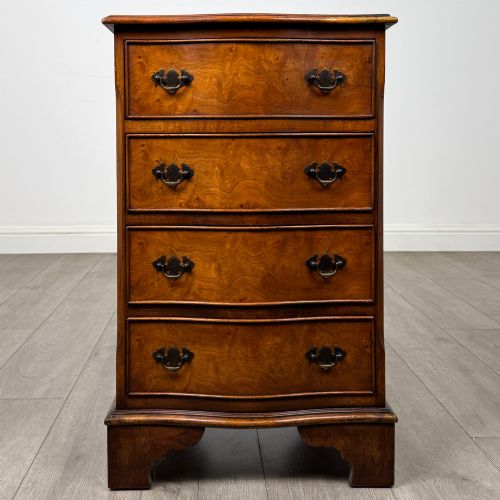
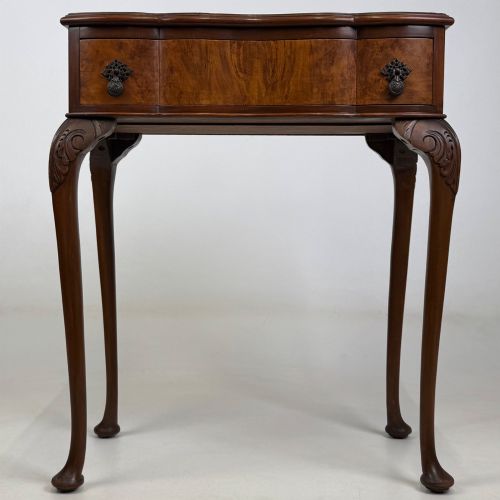
When you search for a 20th century walnut table, you encounter diverse forms from side tables to writing desks shaped by revival styles.
20th Century Walnut Table
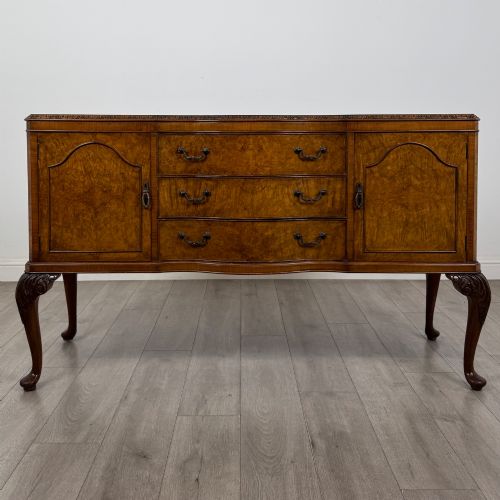
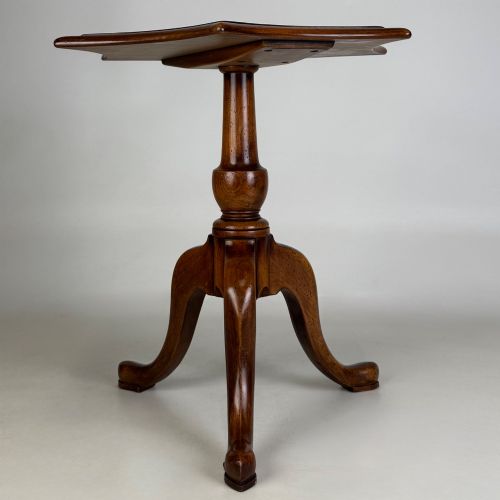
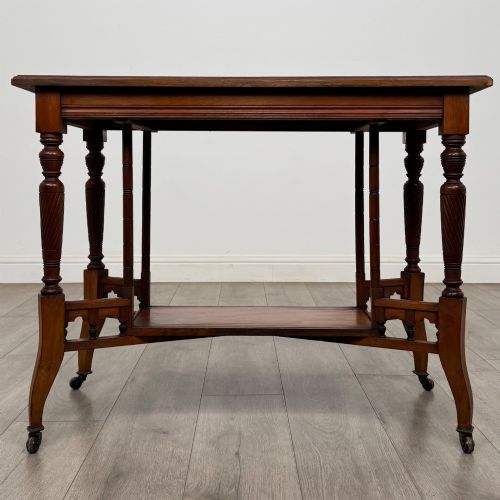
A 20th century walnut table encompasses a broad category of domestic furniture produced across the decades, ranging from Edwardian side tables to later coffee tables. The pieces documented here include occasional tables, writing desks, and dining furniture that reflect changing domestic needs throughout the period.
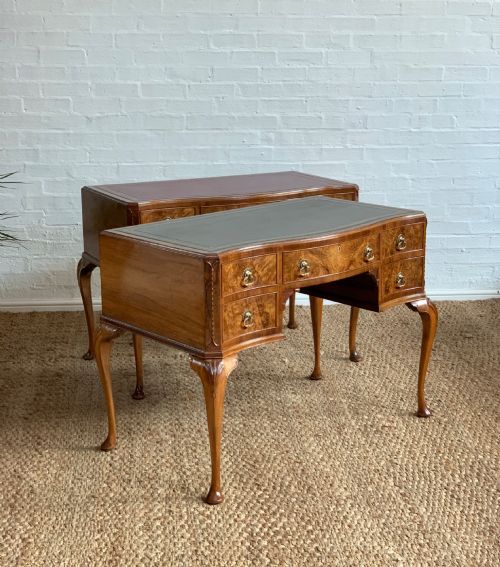
The most common examples encountered on this page are side tables and writing desks dating from the Edwardian era through the nineteen-thirties. These items frequently display revival influences such as Queen Anne or Georgian styles, demonstrating the period's continued preference for traditional forms executed in rich timbers.
Beyond standard occasional pieces, the record includes specialised formats like lowboys, card tables, and nests of tables. Makers utilised walnut across both simple utilitarian forms and more ambitious exhibition pieces intended for formal reception rooms.
How They Were Made
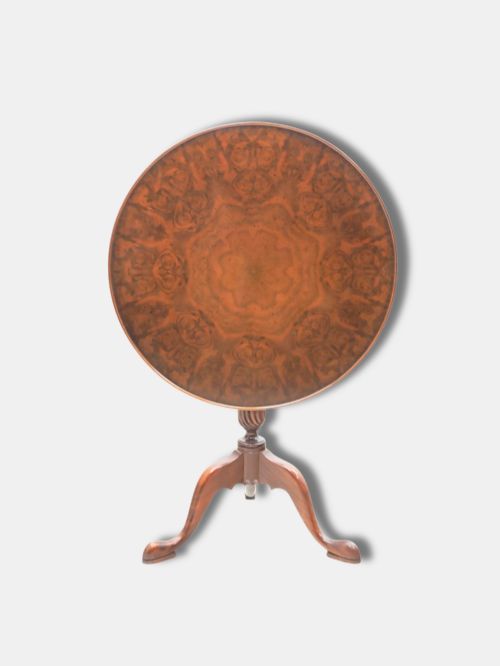
Cabinet makers utilised solid walnut alongside burr walnut veneer to achieve striking figured surfaces on table tops and drawer fronts. The application of veneer allowed craftsmen to display intricate grain patterns while maintaining structural stability across large flat expanses.
Construction techniques often incorporated secondary timbers like oak, complemented by brass hardware, leather writing inserts, and occasionally marble tops. Parquetry and marquetry inlay work frequently decorated the surfaces, displaying precise geometric or floral patterns executed by skilled artisans.
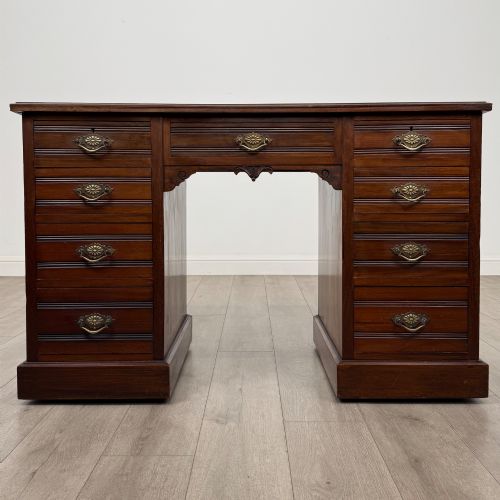
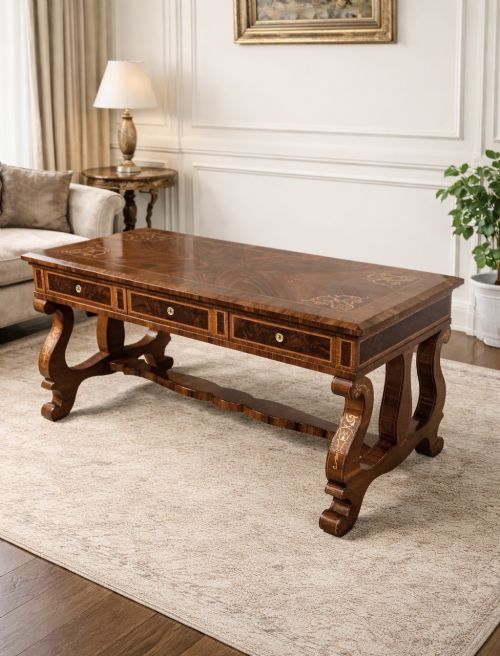
Listings feature diverse forms including writing desks, side cabinets, card tables, and nested sets executed primarily in walnut and burr walnut veneer.
What Varies in Quality
Quality in these tables is determined by the selection of the timber and the precision of the veneer work, particularly where burr walnut is employed to create symmetrical patterns. Superior examples show careful book-matching across table tops and harmonious grain continuity down through the aprons and legs.
The sophistication of the carving and the integrity of secondary construction details also separate standard commercial production from workshop pieces bearing attribution to notable makers. Refinement in proportions, stability in joinery, and the integration of secondary materials like brass or leather distinguish the finer pieces.
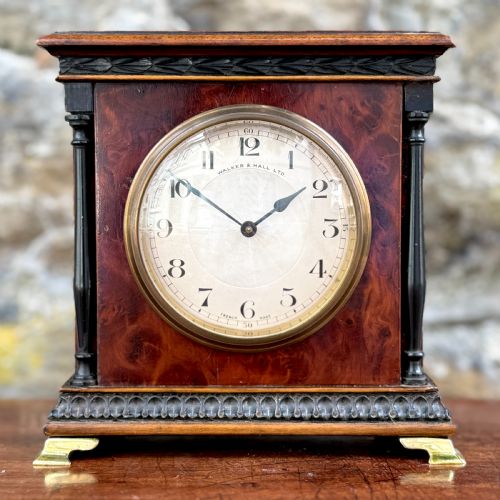
Wylie and Lochhead Glasgow·Walker and Hall·Howard and Sons Ltd·Pietro Ferrario
The 20th Century Walnut Table Glossary
- Burr Walnut
- A specialised wooden veneer harvested from the growth excrescences on walnut trees. It yields highly figured, swirling patterns prized for decorative table tops.
- Lowboy
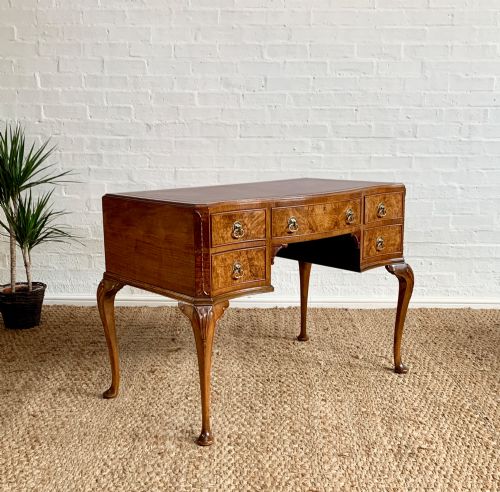
- A small occasional table featuring one or more rows of drawers beneath the working surface. These typically stand on slender cabriole legs influenced by earlier periods.
- Parquetry
- A geometric mosaic of wood pieces used for decorative surfaces on tables. Craftsmen arranged contrasting timber tiles to form repeating patterns.
- Queen Anne Style
- A revival aesthetic popular during the early part of the century. It is characterised by cabriole legs, pad feet, and curved structural outlines.
- Occasional Table
- A general term for a small, movable table designed for specific, intermittent domestic uses. Examples include lamp tables, coffee tables, and small side pieces.
20th Century Walnut Table: Frequently Asked Questions
What styles define these walnut tables?
The pieces reflect a strong historical revival movement, drawing heavily on Queen Anne, Georgian, and Neoclassical design vocabularies. Edwardian and Art Deco influences also appear across the selection.
Craftsmen adapted these traditional aesthetic frameworks to suit the domestic requirements of the early to mid-twentieth century, resulting in both formal dining suites and modest occasional furniture.
How do I identify burr walnut?
Burr walnut is recognised by its distinctive, swirling grain patterns and knot clusters. These are created by abnormal growth formations in the timber.
Makers sliced this wood into thin veneers to cover larger surfaces like table tops, creating decorative optical effects that contrast with straight-grained walnut framing.
Where were these tables used?
These tables served various domestic functions in Edwardian and interwar households, from formal libraries and drawing rooms to bedrooms and hallways. Writing desks and card tables fulfilled specific social duties.
Smaller side tables, nests, and low tables functioned as flexible furnishings for holding lamps, decorative objects, or serving tea in principal reception rooms.
Are marble tops common?
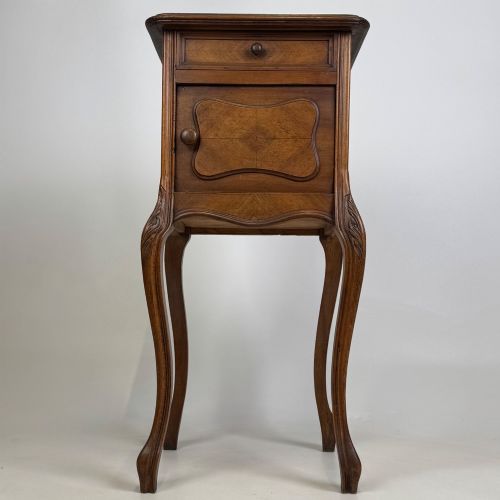
Marble inserts appear primarily on specific forms such as bedside cabinets and occasional games tables. These stone surfaces provided durable, heat-resistant tops for bedroom and parlour use.
They are usually integrated into tables featuring walnut or ebonised wood frames, sometimes complemented by marquetry details.