

20th Century Oak Side Table
When choosing a 20th century oak side table, you are selecting a versatile domestic staple spanning Edwardian practicality and revivalist charm.
20th Century Oak Side Table
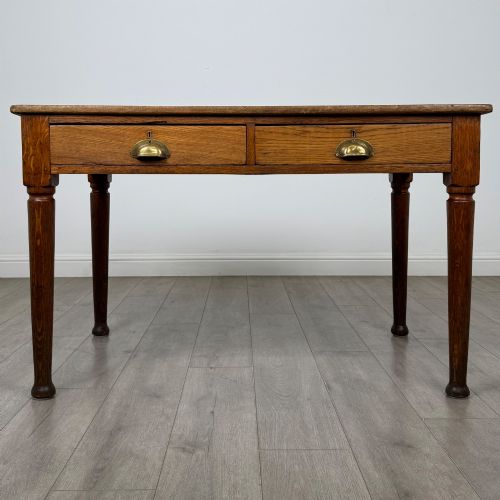
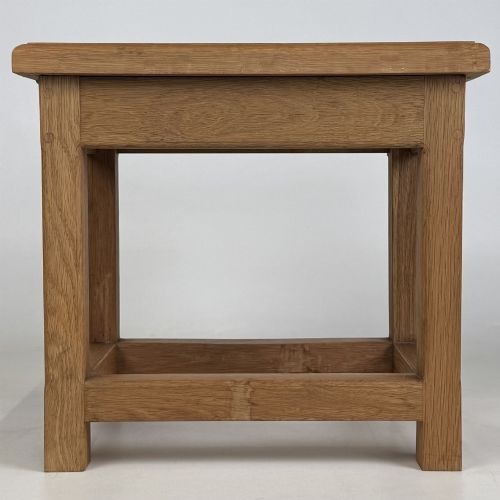
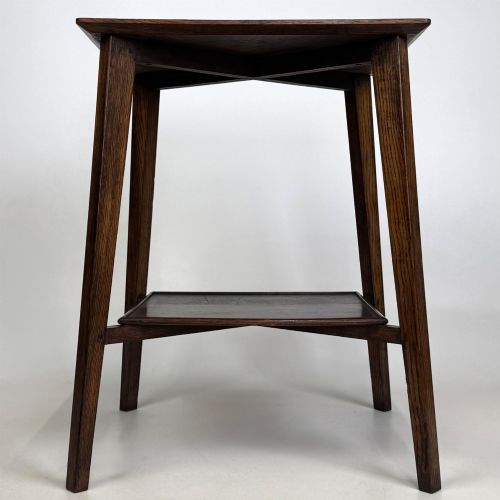
A 20th century oak side table serves as a compact surface for lamps, books, and daily peripherals, originating predominantly from the Edwardian era and the 1920s. These pieces bridge utilitarian domestic needs with period aesthetics, reflecting both vernacular and revivalist carpentry.
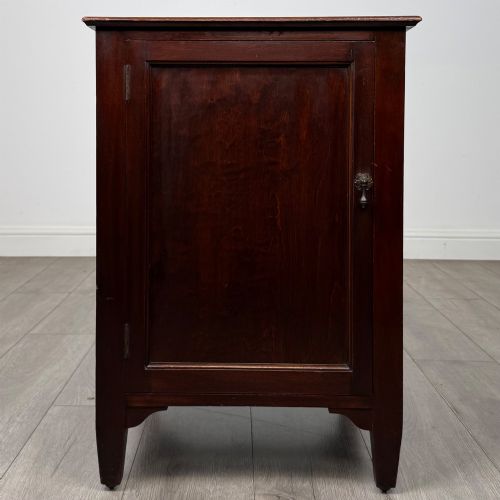
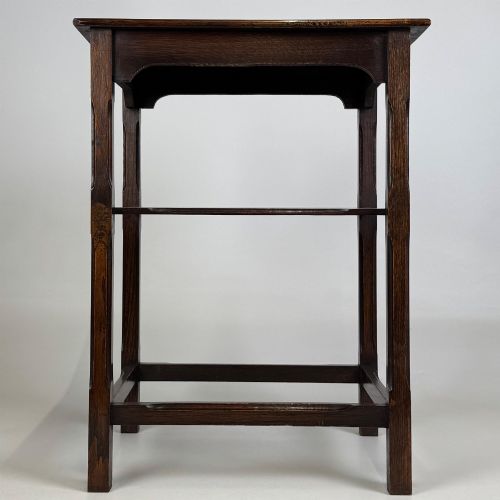
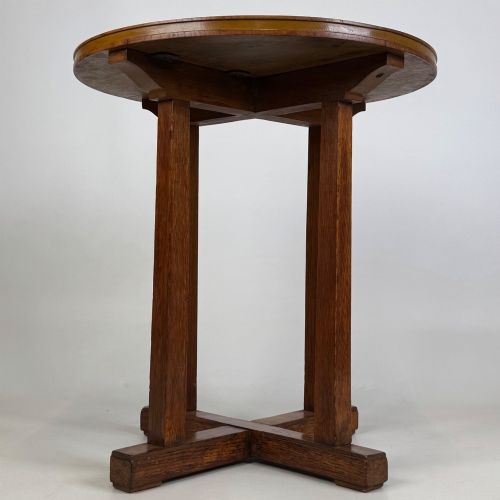
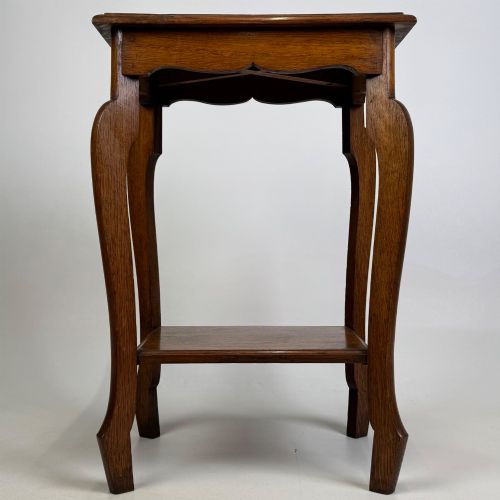
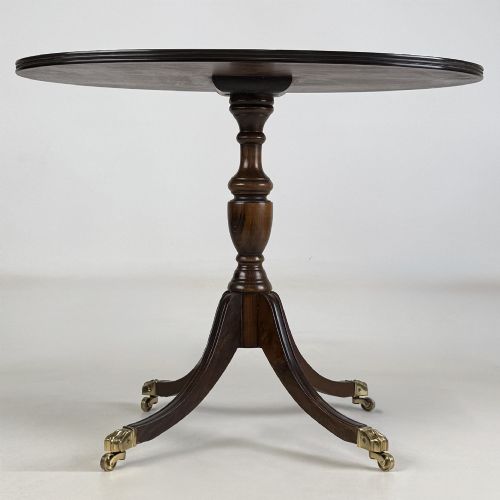
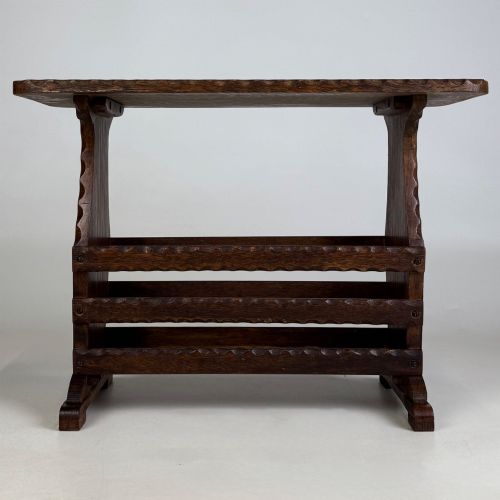
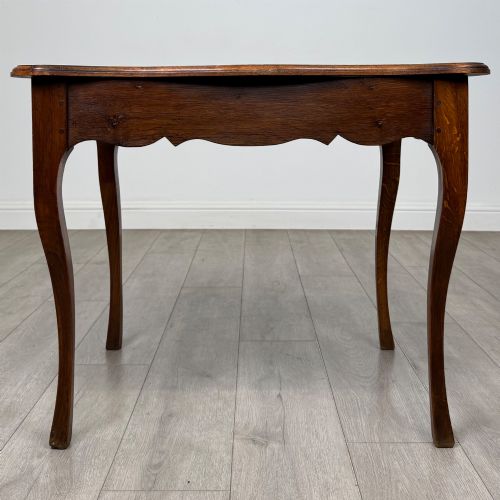
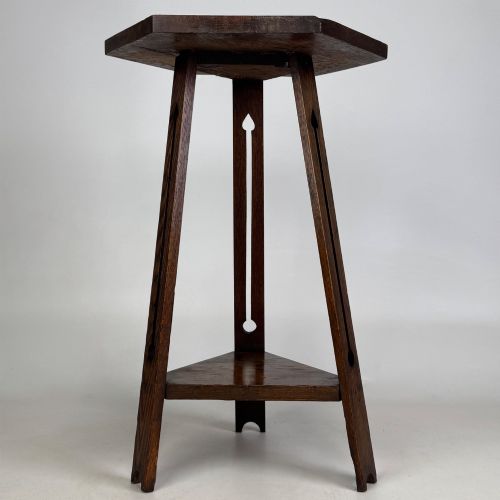
The selection on this page leans heavily toward Edwardian examples, alongside pieces influenced by Arts and Crafts simplicity and Jacobean or Gothic revivals. Forms range from gateleg and drop-leaf formats to round coffee heights, narrow proportions, and occasional magazine racks.
Makers and designers of the period adapted traditional British timbers into forms suitable for smaller parlours and halls. While side tables dominate, buyers also encounter related oak forms like writing desks, cricket tables, and small cupboards.
How They Were Made
Constructed primarily from solid oak, stained wood, or burr oak veneer, these tables utilise durable native hardwoods grown for strength and distinct grain patterns. Joinery relies on traditional methods such as mortise and tenon, supporting heavy use without contemporary fasteners.
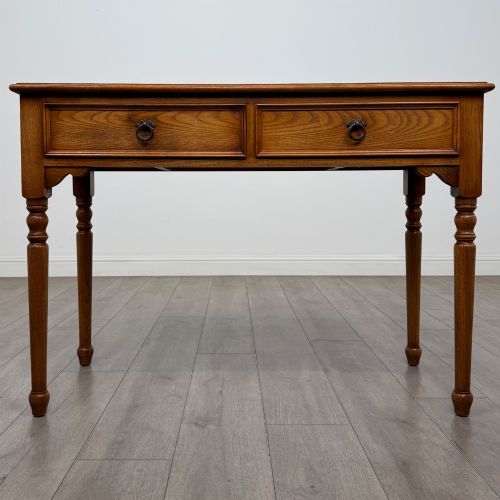
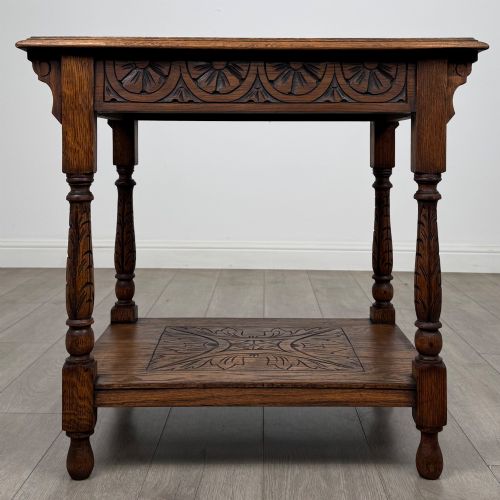
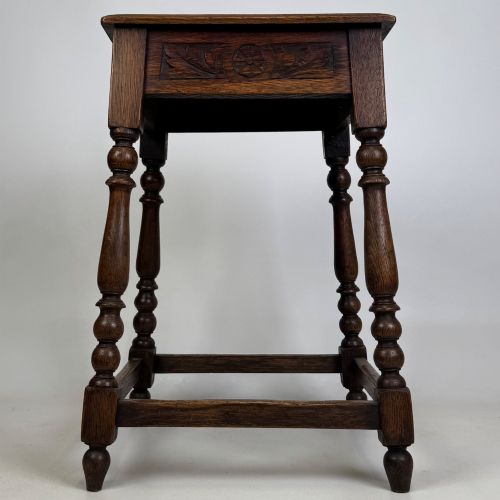
Surface elaboration frequently involves hand-carved detail, linenfold panels, or turned supports like barley twists, alongside metal hardware in brass and cast iron. Light or golden oak finishes appear alongside darker stained variations, depending on the stylistic leanings of the workshop.
Listings feature periods from the late nineteenth century through to the 1950s, with a heavy concentration of Edwardian and 1920s examples.
What Varies in Quality
The distinction between standard commercial output and finer workshops lies in the selection of timber, such as figured burr oak versus plain stock, and the crispness of carved enrichment. Superior examples display balanced proportions and tight, stable joinery that withstands decades of daily employment.
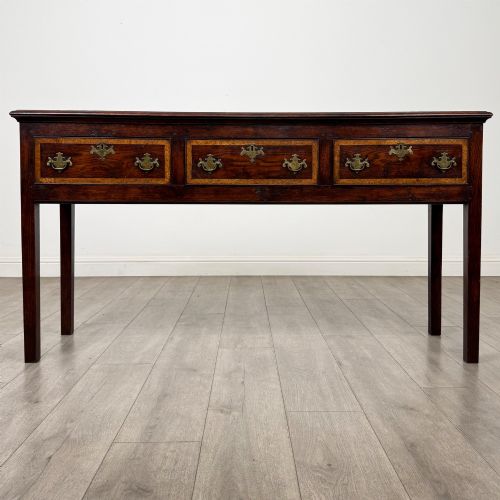
Secondary details, including the quality of brass handles, the weight of cast iron underframes, and the integrity of hinged drop-leaves or gateleg actions, signal the original tier of manufacture. Plain utility pieces contrast with individual Arts and Crafts commissions designed for specific domestic spaces.
Charles Dudouyt
The 20th Century Oak Side Table Glossary
- Gateleg table
- A table with hinged drop leaves supported by legs that swing out like a gate. This form allows the surface area to expand or contract efficiently for smaller rooms.
- Barley twist
- A turned column resembling a rope or twisted barley sugar, popular on table legs during revival periods. Carvers produced this decorative form using lathe-turning and hand-chiselling techniques.
- Burr oak veneer
- A thin slice of ornamental wood taken from a tree growth knot, applied over a stable base timber. This technique displays intricate, swirling grain patterns across small table surfaces.
- Cricket table
- A small, lightweight table traditionally featuring three splayed legs and a round top. The design ensures stability on uneven floors.
- Linenfold
- A style of wood carving that mimics vertical folds of fabric, frequently seen on cupboard doors and panels. It reflects a revival of Tudor and Gothic ornamentation.
20th Century Oak Side Table: Frequently Asked Questions
Where do I put a small side table?
These compact pieces fit easily beside a sofa, in a narrow hallway, or as a bedside stand where surface space is at a premium. Their modest footprint allows them to tuck into corners without crowding a room.
Because many feature drop leaves or gateleg actions, you can also adjust their surface area depending on immediate domestic requirements.
How do I identify an Edwardian piece?
Edwardian tables often combine lighter oak tones with slender turned legs, subtle carved motifs, or influences from the Arts and Crafts movement. They generally feel less heavy than their Victorian predecessors.
Examining the underside and drawer construction helps confirm the period manufacturing techniques and material choices characteristic of the early twentieth century.
Are these tables sturdy enough for daily use?
Built from solid oak and traditional timber frames, these tables are inherently robust and designed for practical domestic utility. Their original purpose as heavy-use furniture means they tolerate everyday placement of lamps and books well.
Checking the stability of joints and gateleg pivots ensures the piece remains reliable for active daily environments.
What is the difference between golden oak and stained wood?
Golden oak finishes highlight the natural, warm grain of the native timber by utilising clear or lightly tinted varnishes. Stained wood incorporates darker pigments to emulate earlier centuries like the Jacobean or Tudor eras.
Both finishes reflect the stylistic preferences of the workshops producing furniture during the early twentieth century.