

20th Century Impressionist Landscape
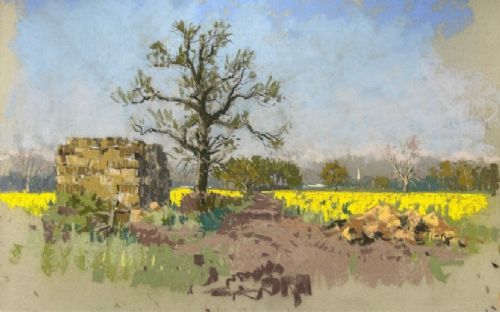
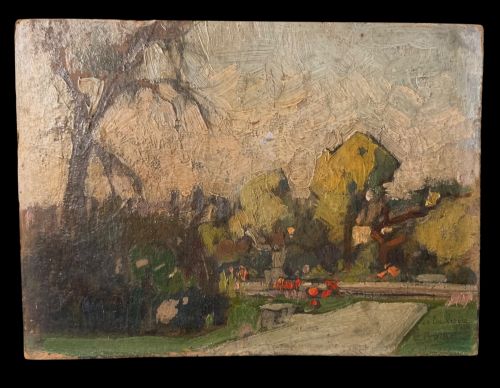
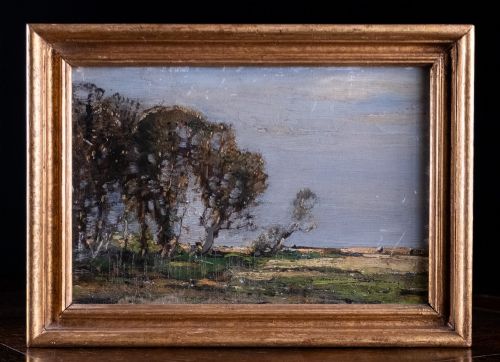
When you search for a 20th century impressionist landscape, you seek atmospheric depictions of nature captured through brisk brushwork and natural light.
20th Century Impressionist Landscape
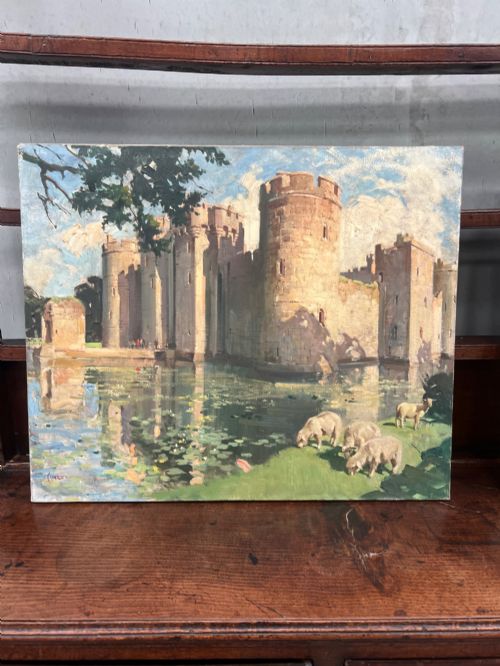
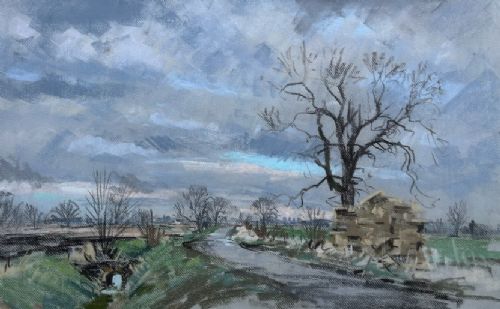
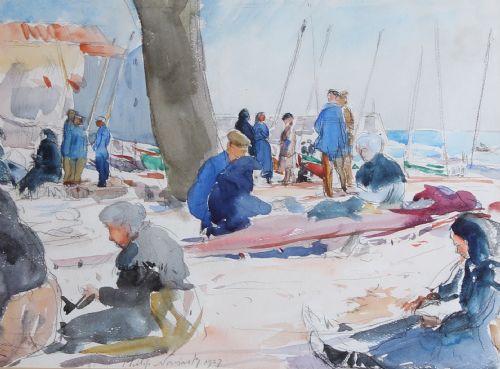
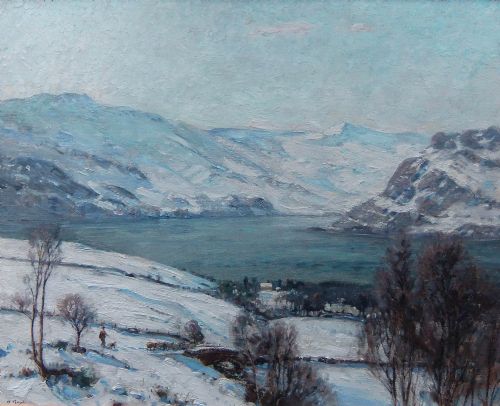
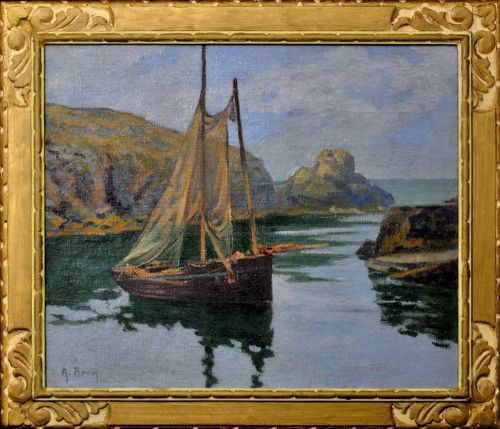
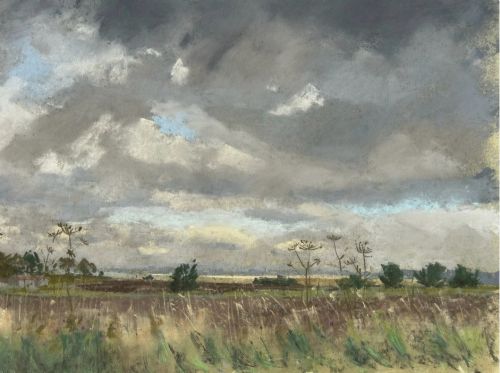
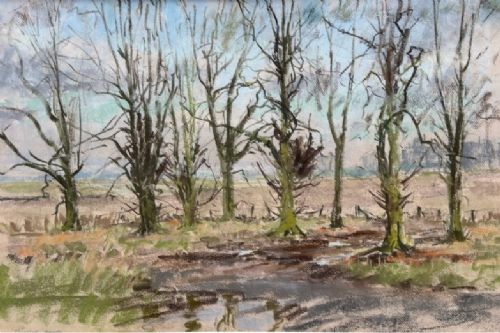
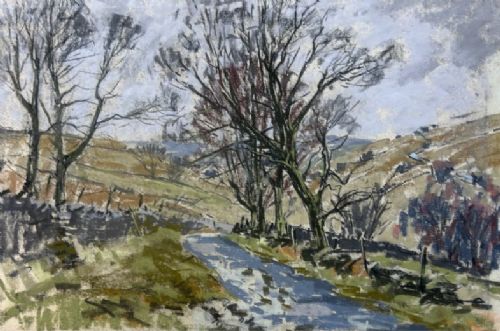
A 20th century impressionist landscape captures scenes of the countryside, urban gardens, and coastal views through the lens of modern artistic movements. These works focus on the play of light and shadow across rural vistas, rivers, and town squares, reflecting both British and continental European traditions.
The pieces on this page span several decades, stretching from the early 1900s through the mid-century. You will encounter works reflecting British Impressionism, Post-Impressionism, and Modern British styles, showing how painters interpreted their local surroundings and travels.
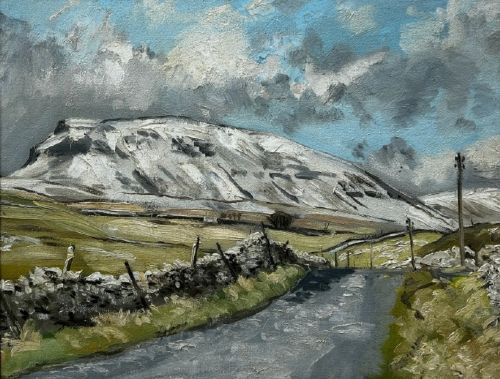
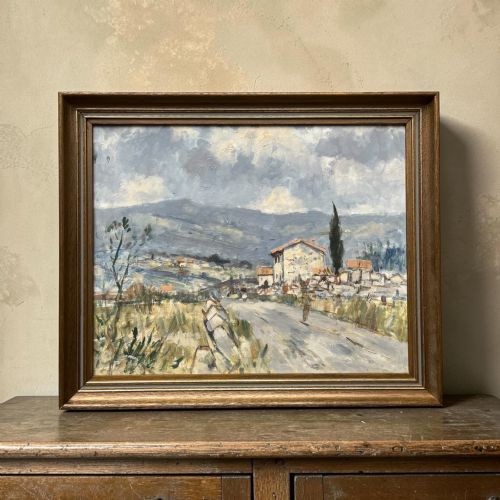
Most examples take the form of framed paintings and drawings, utilising traditional supports such as canvas, wood panel, board, and paper. Subjects range from Yorkshire dales and Scottish islands to French gardens and Venetian lagoons.
Materials and technique
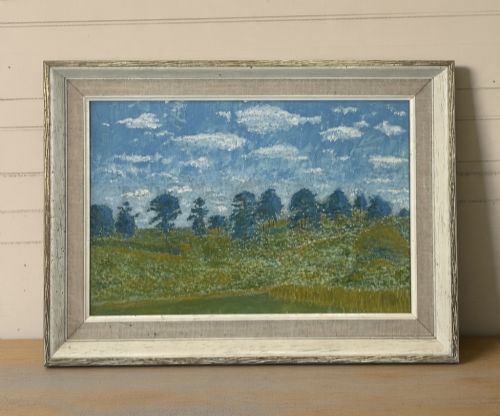
Artists relied primarily on oil paint applied to canvas, wood panels, or boards, building texture with visible brushstrokes. Oil allowed for rich blending and the capture of changing daylight conditions across fields and water.
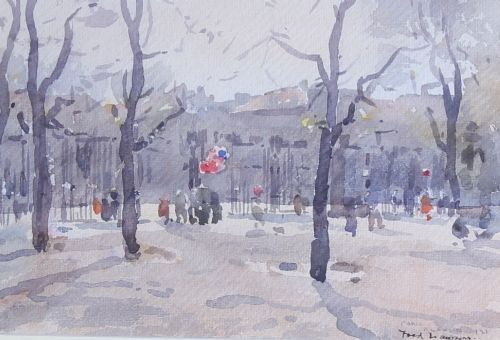
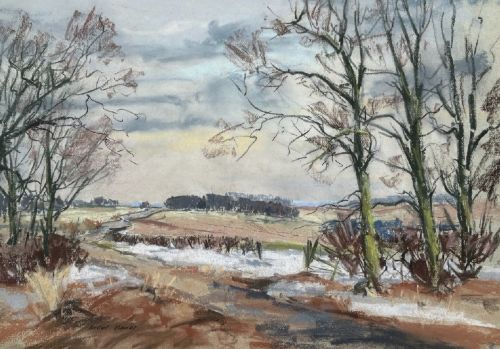
Watercolour and pastel on paper appear frequently alongside oils, offering a lighter medium for swift sketches of weather and light. These works on paper capture immediate atmospheric effects, from stormy skies to winter snow scenes.
20th Century Impressionist Landscape Retail Price Guide 2026
Typical asking prices for 20th century impressionist landscape among the pieces listed under this phrase on Sellingantiques today, from the lower quarter to the upper quarter. They describe what is for sale here now, not the wider market.
Some pastoral views preserve the stray garden pollen and studio dust of the artist's working day.
Evaluating the range
Quality rests on the sureness of the handling and the artist's command of light and spatial depth. Stronger works demonstrate confident brushwork and a coherent palette that holds the composition together, whereas weaker examples can feel flat or formulaic in their execution.
The distinction also lies in the specificity of the scene and the expressive character of the mark-making. Pieces that convey a genuine sense of place through considered tonal relationships stand apart from standard decorative productions.
Thomas Leslie Kerkham·Martin Walton·Fred Lawson·Terence Cuneo·Eugene Bullio·Achille Bron·Angus Rands·Philip Naviasky·Herbert Royle·George Graham·Kershaw Schofield·George Houston·Arthur Gue·Clive Browne·Ethel Sands·Francisco Sancha·Cyril Walduck Edwards·Eric Brown·Ernest Higgins Rigg·Harry Kluge·Cecil Allan Mould·Umberto Volpato·Percy Lancaster·Florence Adelina Hess·Alexander Jamieson
The 20th Century Impressionist Landscape Glossary
- Impressionism
- A style of painting that focuses on capturing the momentary, sensory effect of a scene - the impression held by the eye. It relies on small, thin, yet visible brush strokes and an open composition.
- Post-Impressionism
- A predominantly French art movement that developed from impressionism, extending its limitations while refusing its constraints. Artists emphasised geometric forms, distorted forms for expressive effect, and unnatural or arbitrary colours.
- Oil Paint
- A type of slow-drying paint consisting of pigmented particles suspended in a drying oil, typically linseed. This medium permits thick impasto application as well as thin translucent glazes.
- Pastel
- A dry art medium in the form of a stick, consisting of powdered pigment and a binder. Pastel drawings achieve a velvety texture and directness of colour.
- Watercolour
- Paintings executed with water-based pigments on paper. The transparency of the washes allows light to reflect from the paper surface through the layers of paint.
20th Century Impressionist Landscape: Frequently Asked Questions
What is a 20th century impressionist landscape?
These works are paintings and drawings created during the twentieth century that use loose brushwork and a focus on natural light to depict outdoor scenes. They capture fleeting atmospheric conditions in rural and urban settings.
Subjects include British countryside views, coastal marine scenes, and European towns. Artists applied oil or watercolour to canvas, panel, or paper to record these visual impressions.
How should I care for these paintings?
Keep works away from direct sunlight and damp environments to protect the canvas, paper, and pigments from fading or degradation. Stable indoor humidity helps preserve both the paint surface and the wooden frames.
Glazed works on paper require protection against moisture trapped behind glass. Oil paintings benefit from occasional gentle dusting with a soft, dry brush by a professional conservator if needed.
How do I identify the period of a landscape?
Dating relies on signatures, exhibition labels, framing styles, and the specific clothing or architecture depicted in the scene. Biographical details of the artist also provide clear chronological boundaries.
Stylistic shifts between early 20th century traditional impressionism and later mid-century modernist approaches offer further clues to when the work was painted.
Where were these landscapes typically displayed?
Original paintings were created for domestic interiors, regional art galleries, and annual open exhibitions. They hung in period homes to bring natural light and views of the countryside indoors.
Many works originate from artist studio portfolios, local sketching clubs, or travels across Britain and continental Europe.