


20th Century Chinese Painting
These pieces of 20th century chinese painting capture dynamic historic shifts through traditional brushwork, delicate ink, and vibrant watercolour.
20th Century Chinese Painting
A 20th century chinese painting brings together centuries of artistic convention and the changing realities of a modernising century. Collectors seek these works to observe how traditional ink and brush techniques adapted to depict landscapes, portraits, and botanical studies during a turbulent era.
The selections available here span from early works around nineteen hundred through to mid century creations from nineteen sixty. You will encounter framed scrolls, delicate silk compositions, and albums containing multiple watercolour studies bearing artist seals.
Many of these works reflect traditional Chinese motifs such as blossoms, birds, and ancestral groups, whilst others capture specific regional views like the Pearl River in Hong Kong. A buyer chooses these pieces for their authentic brushstrokes and historical resonance within a home.
Materials and Technique
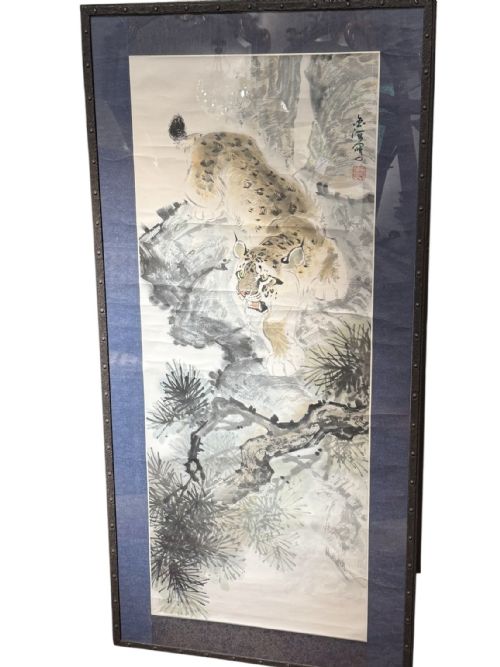
Artists of this period relied primarily on ink and watercolour applied directly to absorbent paper or fine silk. These liquid media required immense precision, as the ink spread quickly into the fibres without allowing for correction or erasure.
Many works were mounted as hanging scrolls or bound within protective albums alongside distinct red artist seals. The combination of black ink and mineral watercolours created depth and tonal variation across botanical and figurative studies.
Several paintings capture bustling junk boats navigating the Pearl River in Hong Kong.
Assessing Quality and Execution
The distinction between ordinary decorative pieces and finer works rests entirely on the confidence and fluidity of the brushwork. Master painters achieved remarkable expressiveness with minimal strokes, whereas lesser works appear laboured and stiff.
Condition plays a vital role in paper and silk works, where fading, damp marks, or brittle fibres alter the visual balance. Original seals, legible signatures, and intact mounting significantly elevate the standing of any composition.
Ah Hee Studio·E Nunn·Ya Ming
The 20th Century Chinese Painting Glossary
- Scroll
- A length of paper or silk mounted for hanging or rolling, designed to protect delicate ink work when not displayed.
- Silk
- A woven animal fibre used as a smooth painting ground that absorbs ink and watercolour with subtle luminosity.
- Ink
- A dense black medium made from soot and binder, manipulated with water to create varied grey tones.
- Watercolour
- A transparent paint medium utilised alongside ink to add vibrant colour to botanical and landscape subjects.
- Seal
- A carved stamp applied in red paste to authenticate a painting and identify its creator or previous collectors.
20th Century Chinese Painting: Frequently Asked Questions
How should I hang a fragile scroll?
Display hanging scrolls away from direct sunlight and moisture to protect the delicate paper or silk fibres from degrading over time.
Rotate your pieces periodically and use traditional mounting techniques that allow the material to breathe without putting tension on the scroll.
Can I identify the artist from the red stamp?
Artist seals and signatures often provide direct attribution to specific painters, workshops, or studios active during the period.
Examining these red ink impressions alongside stylistic brushwork helps confirm the origin of the painting.
What subjects are most common in these works?
Traditional subjects include blossoming branches, birds, koi carp, landscapes, and formal portraiture reflecting historical dress and status.
These motifs carried deep cultural meanings that persisted through changing political landscapes.
How do I care for silk paintings?
Keep silk paintings behind protective glass with conservation framing to shield the delicate fabric from dust and physical damage.
Maintain stable indoor humidity levels to prevent the silk from becoming brittle or warping within its mount.