


20th Century Bedside Table
A 20th century bedside table offers functional beside storage while bringing period character to a bedroom through diverse regional designs and timeless timbers.
20th Century Bedside Table
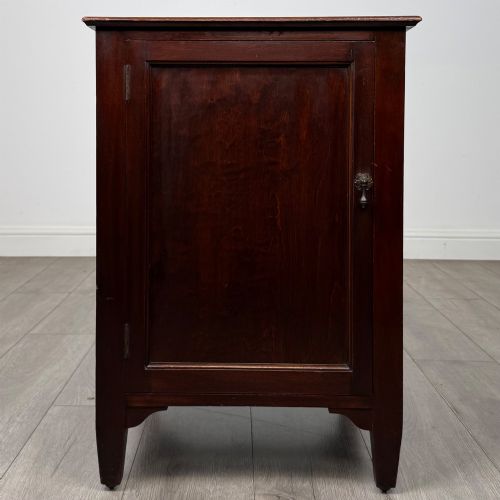
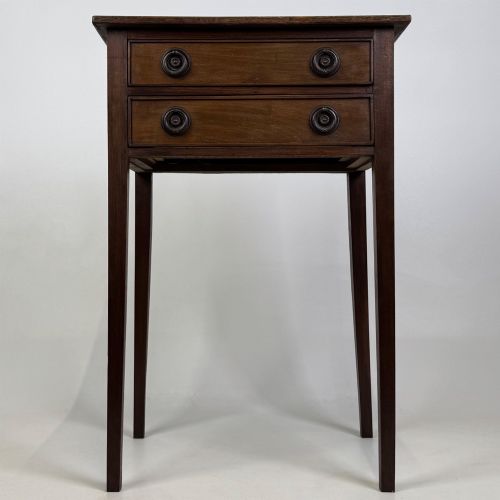
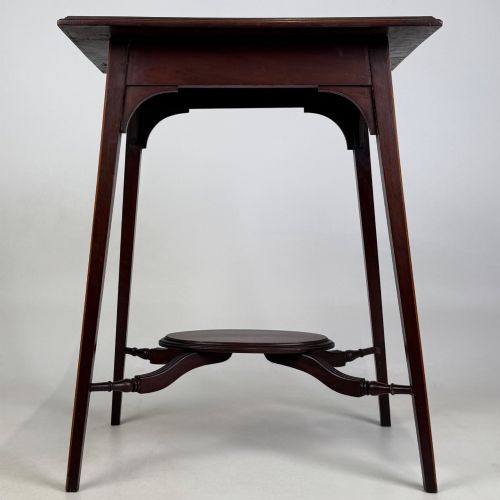
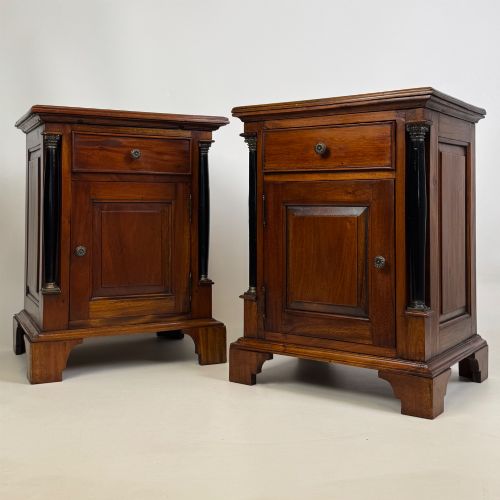
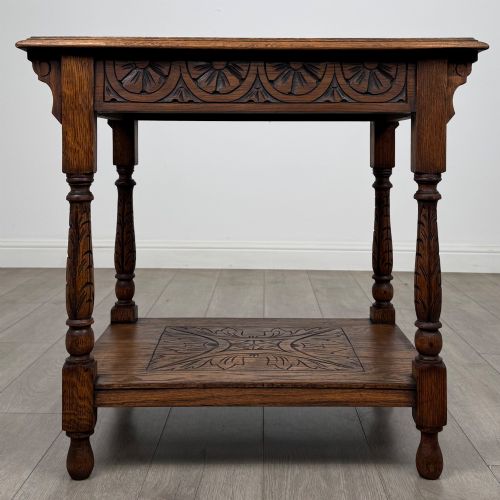
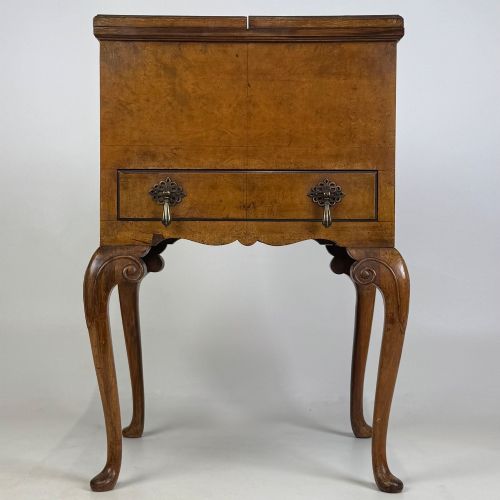
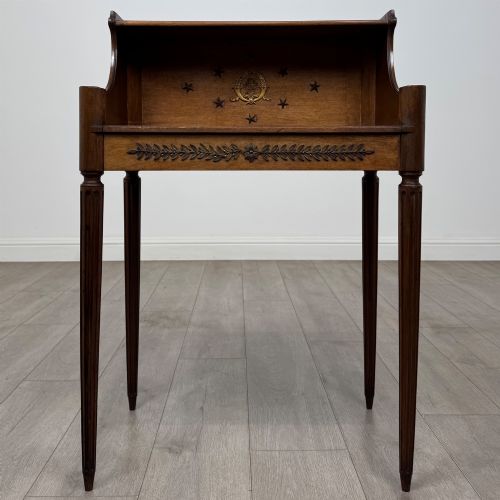
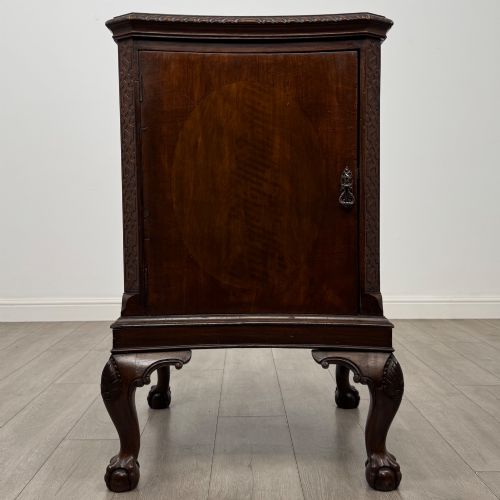
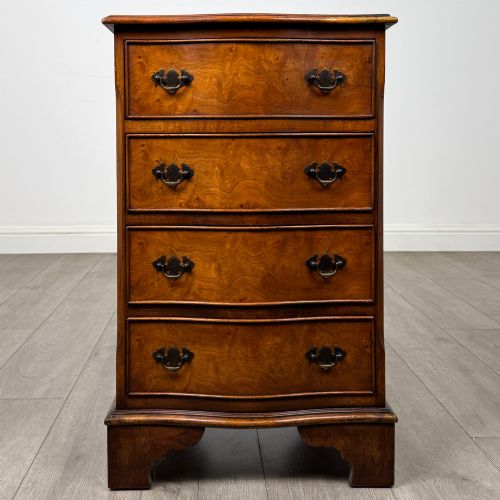
A 20th century bedside table spans compact cabinets, open side tables, and small chests of drawers designed to sit beside a bed. These domestic pieces serve practical storage roles while displaying the stylistic shifts of their era.
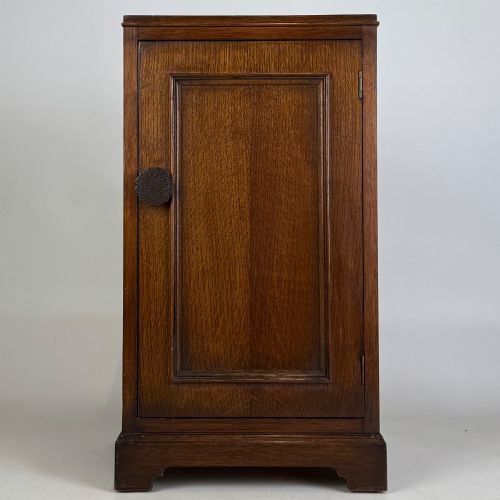
The selection frequently includes Edwardian and 1930s examples, often found as matched pairs. Cabinets frequently feature cupboards or single drawers, constructed to keep nighttime essentials close at hand.
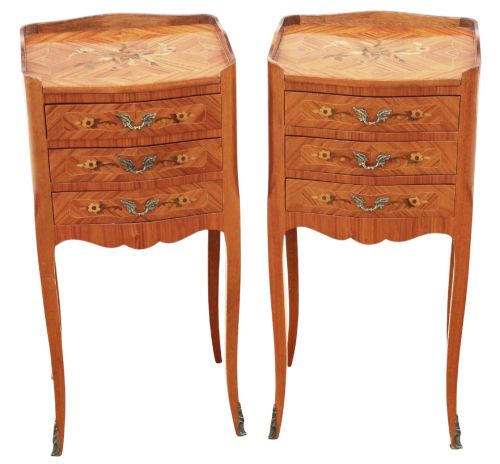
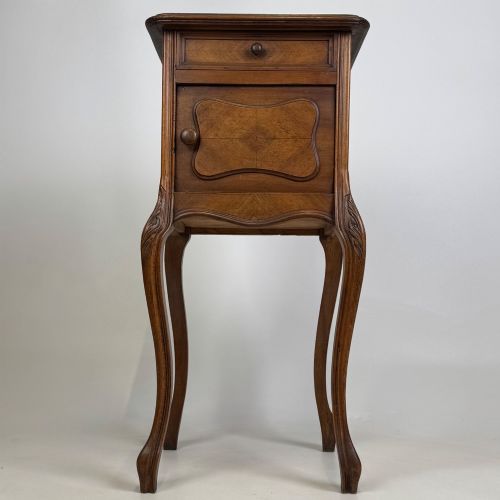
Origins range widely from English Edwardian workshop pieces to French provincial commodes and marquetry nightstands. Walnut, mahogany, and oak dominate the forms, supplemented by marble tops and intricate inlay work.
How they were made
Construction relies heavily on traditional cabinet timbers such as mahogany, walnut, oak, and satinwood, frequently enhanced by decorative veneers like burr walnut or kingwood. Joinery techniques from the period ensure sturdy carcasses designed for daily domestic use.
Surface ornamentation incorporates marquetry, parquetry, and hand-painting, alongside applied brass fittings and ormolu mounts on continental pieces. Marble tops provide durable, cool surfaces on select French and Edwardian cabinets.
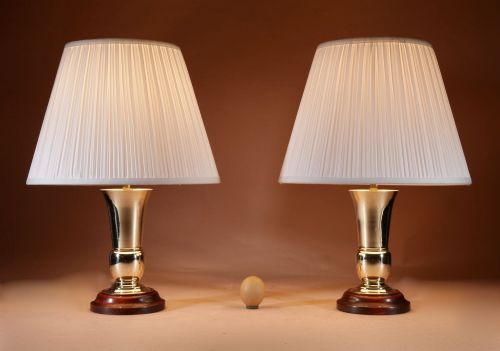
Metal elements such as brass appear on campaign-style mountings and associated table lamps, combining structural utility with decorative contrast against the timber bodies.
Listings span several decades, featuring Edwardian, 1920s, and 1950s production periods in woods like mahogany, walnut, oak, and teak.
What varies in quality
Superior examples distinguish themselves through the selection of figured timbers and the precision of decorative inlay work like marquetry or parquetry. Timber matching across drawer fronts and cabinet doors indicates greater cabinetmaking skill.
The integration of secondary materials, such as heavy white marble slabs and cast ormolu mounts, separates standard utility items from high-end continental commissions. Finer pieces maintain crisp carving on wooden details and smooth drawer mechanics without modern timber replacements.
WAS Benson·Sormani
The 20th Century Bedside Table Glossary
- Marquetry
- A decorative technique applying pieces of veneer to a structure to form detailed pictorial or geometric patterns. It appears frequently on French and Edwardian nightstands.
- Ormolu
- Gilded bronze mounts applied to furniture for decorative enrichment. This technique is common on continental pieces from the earlier decades of the century.
- Parquetry
- Geometric mosaic woodwork used for surfaces such as table tops. The pattern consists of angular veneer blocks arranged systematically.
- Serpentine
- A gently undulating curved line found along the front edges of small chests of drawers and cabinets. This shaping requires specialist woodworking skill.
- Campaign style
- Portable furniture design featuring recessed brass handles and corner brackets intended for easy travel. These pieces utilise sturdy timbers like mahogany.
20th Century Bedside Table: Frequently Asked Questions
What styles are common?
Edwardian and Art Deco designs appear frequently across the selection, alongside French Neoclassical and provincial styles. These variations reflect the changing interior aesthetics through the decades.
Craftsmanship ranges from simple English oak and mahogany items to ornate continental pieces featuring marquetry and marble tops.
Are they sold as pairs?
Many bedside tables and cabinets on the page are offered as matched pairs, particularly French marquetry nightstands and Edwardian mahogany cupboards. Pairs provide symmetrical balance for placement on either side of a bed.
Single tables also appear regularly, originating from smaller domestic settings or mixed side table categories.
Which timbers were used?
Mahogany, walnut, and oak form the structural core for the majority of English and continental pieces. Decorative veneers like burr walnut, kingwood, and satinwood add visual grain movement.
Secondary materials include inset marble tops, brass hardware, and occasional pine components within drawer interiors.
How do I date them?
Dating relies on stylistic markers such as Edwardian proportions, Art Deco geometric lines, or French revival influences. Construction methods and timber choices further clarify the period of origin.
Most listings span the early decades of the century up to the 1950s, bridging traditional joinery and mid-century forms.