
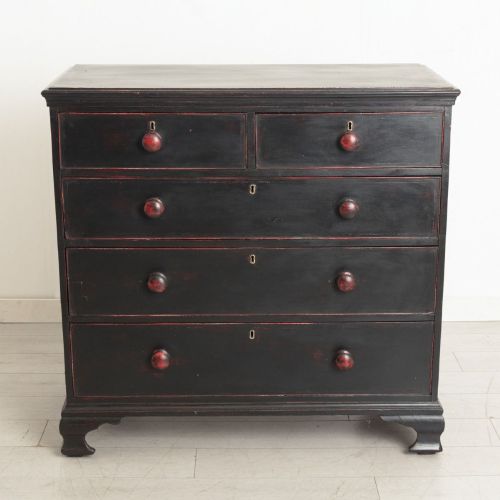
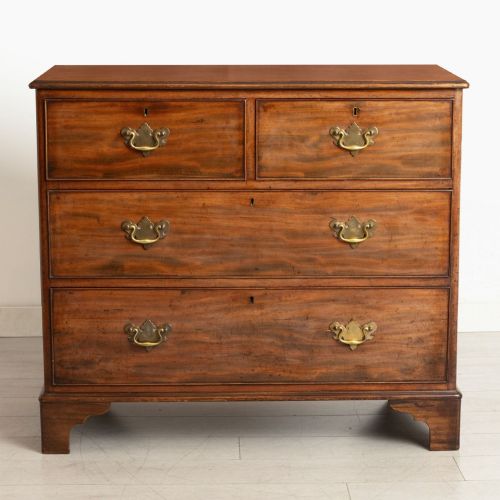
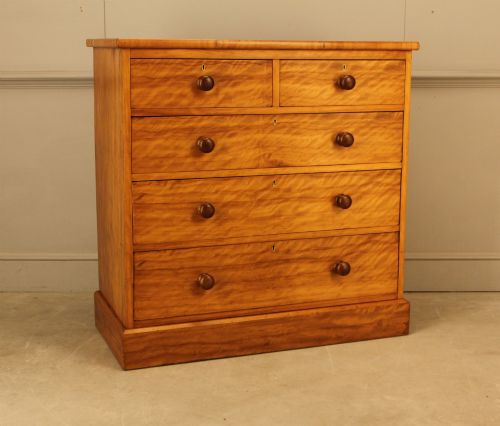
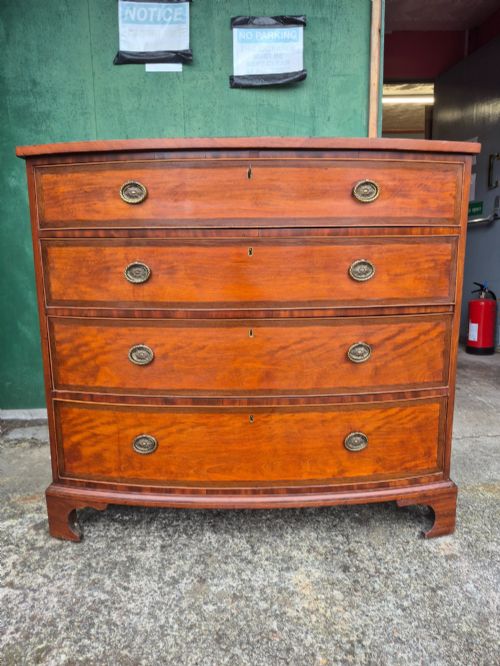


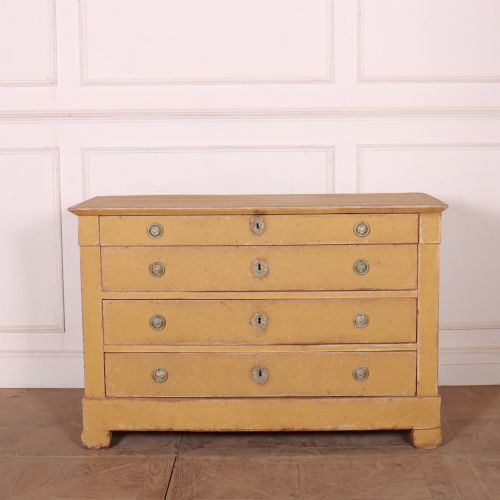
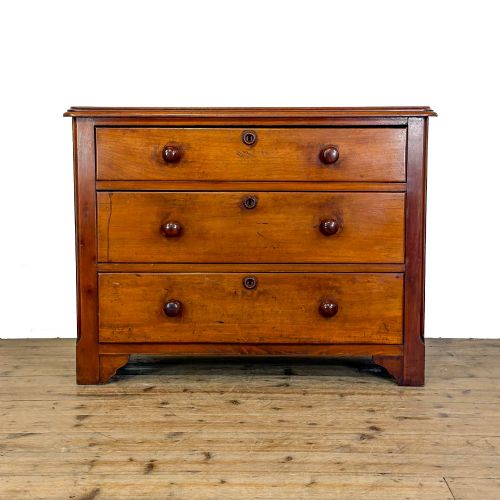
19th Century Wooden Commode
A 19th century wooden commode brings substantial presence and deep-grained warmth to a room, offering enduring storage through classic timber construction.
19th Century Wooden Commode
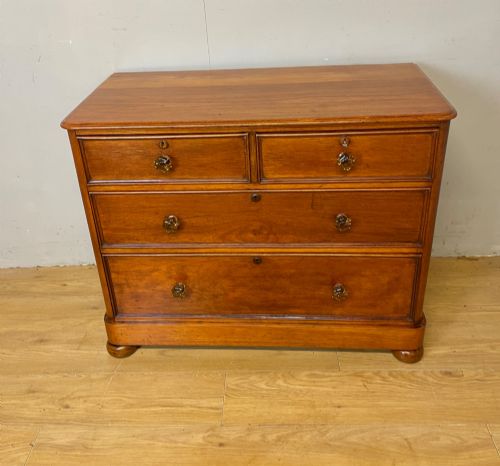
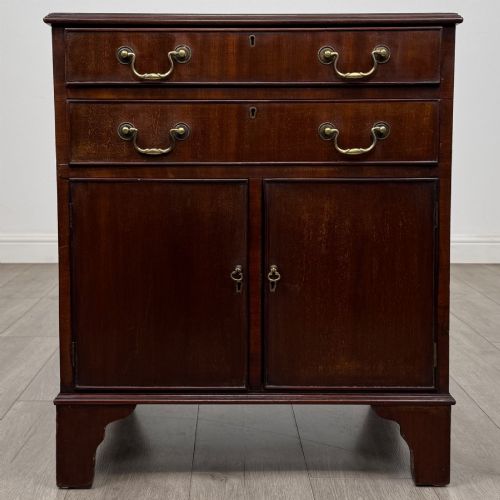
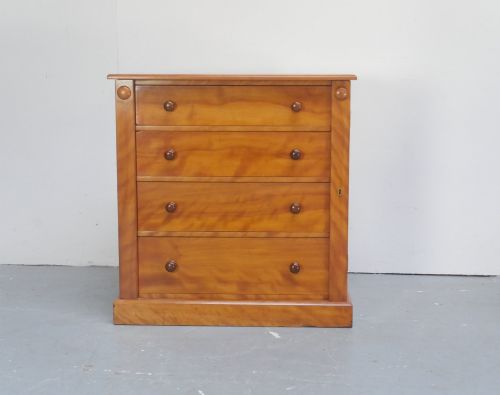
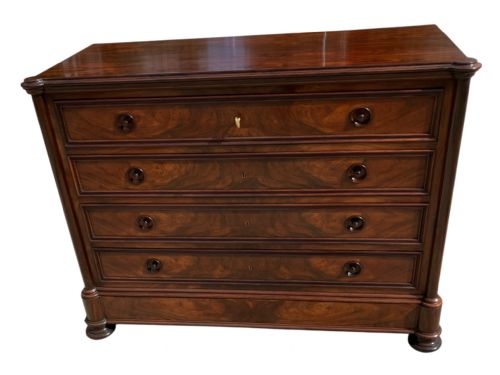
When buyers search for a 19th century wooden commode, they generally encounter sturdy chests of drawers and French commodes spanning the Victorian, Regency, and Georgian periods. These pieces serve as practical storage furniture that anchors a hallway or bedroom with historical gravity.
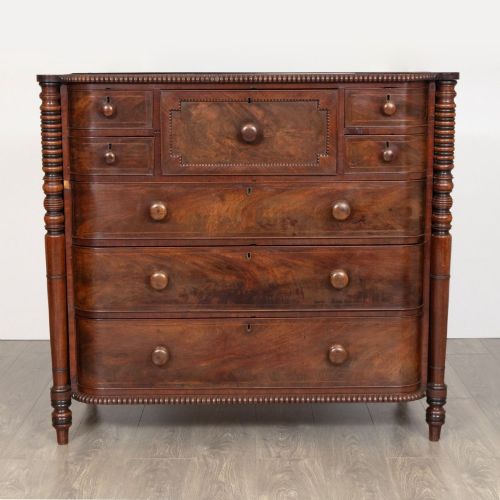
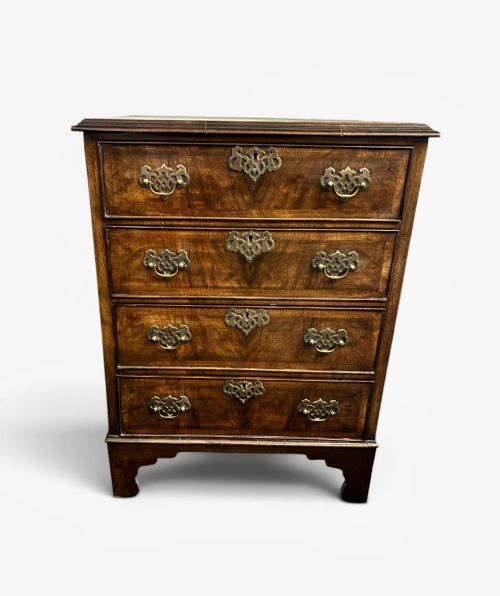
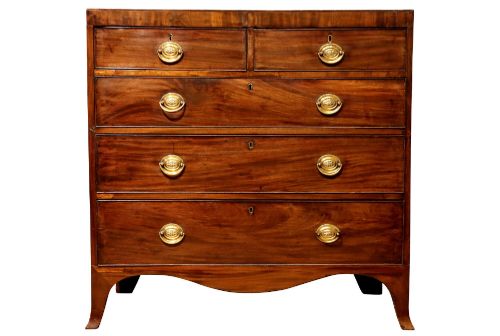
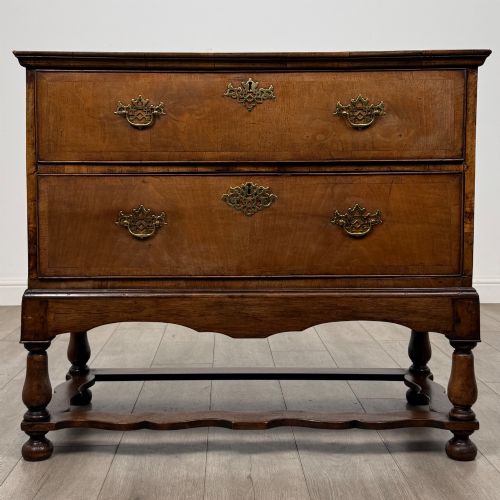
The selection on this page leans heavily toward mahogany chests of drawers alongside pine, walnut, oak, and birch examples. Formal Regency and Georgian designs appear alongside more rustic Victorian country pieces and French marble-topped commodes.
Forms range from compact low chests and bow-fronted designs to taller five-height configurations and specialised items like bed steps. Each piece reflects the domestic utility and cabinet-making standards of the nineteenth century.
Materials and construction methods
Makers utilised solid timbers such as mahogany, oak, and pine for structural integrity, often applying flame mahogany veneer to primary surfaces for visual depth. Secondary woods provided internal framing for drawers and carcases.
Detailing relied on hardware like brass handles and escutcheons, alongside bone inlay and polished marble tops found on continental pieces. Cabinetmakers shaped bow fronts and applied turnings, bun handles, or faux bamboo motifs to suit prevailing styles.
Listings feature timbers such as mahogany, pine, oak, walnut, birch, and satinwood, alongside marble and bone elements.
Distinctions in craftsmanship
Quality rests in the selection of timber figures, such as highly figured flame mahogany or uniform walnut, which dictate the visual richness of the facade. Superior examples display precise joinery in the drawer construction and careful matching of veneers across the front.
The integration of secondary materials like brass hardware and marble tops separates standard utility items from finer formal furniture. Proportion and the preservation of original surfaces ultimately define the standing of a piece within the broader range.
The 19th Century Wooden Commode Glossary
- Commode
- A low chest of drawers or cabinet used for storage, frequently applied to continental European forms topped with marble.
- Bow front
- A convex curved front facade that swells outward, popular in Regency and Georgian cabinet-making to soften rigid lines.
- Flame mahogany
- A veneer cut from timber fork where branches join wood grain, creating a distinctive flickering flame pattern.
- Escutcheon
- A protective plate surrounding a keyhole, usually fashioned from brass to complement the surrounding woodwork.
- Bed steps
- A small set of tiered steps, often incorporating storage compartments, designed for accessing high nineteenth-century beds.
19th Century Wooden Commode: Frequently Asked Questions
What is a 19th century wooden commode?
A 19th century wooden commode is a practical storage item, most commonly taking the form of a chest of drawers or a marble-topped continental cabinet.
These pieces were essential bedroom or parlour furniture, combining timber construction with functional drawer space.
How do I identify the period?
Period identification relies on observing timber choices, overall proportions, and decorative details like brass hardware or veneers.
Regency and Georgian pieces often feature bow fronts and mahogany, while Victorian items introduce pine, oak, and varied drawer heights.
Where were these pieces used?
Original placement was primarily domestic, serving bedrooms, dressing rooms, and formal reception spaces for linen and personal storage.
Today, they function similarly in modern interiors, anchoring hallways, living rooms, and bedrooms with traditional surface space.
What woods are common?
Mahogany is the dominant timber, appearing in both solid form and as decorative flame veneer across numerous regional styles.
Other frequent materials include pine, walnut, oak, birch, and satinwood, occasionally paired with marble tops.