



19th Century Wine Cellarette
These 19th century wine cellarette pieces bring period dining rooms alive, offering traditional bottle storage designed to keep wine cool for the table.
19th Century Wine Cellarette
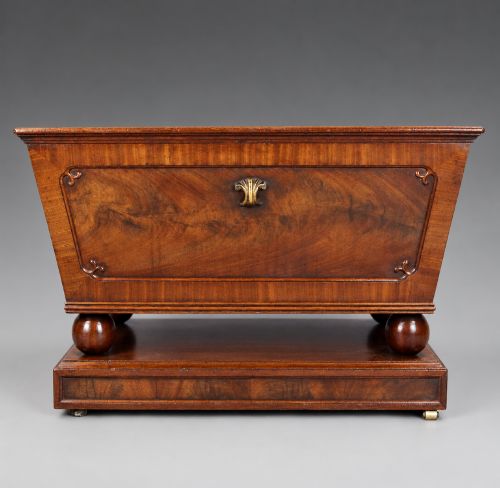
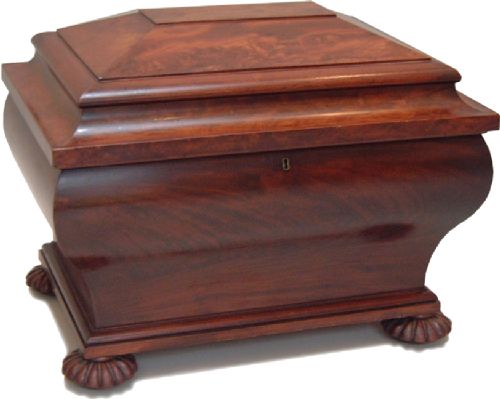
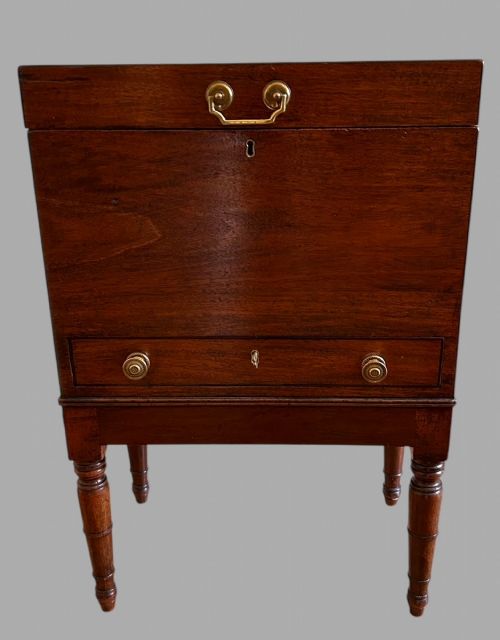
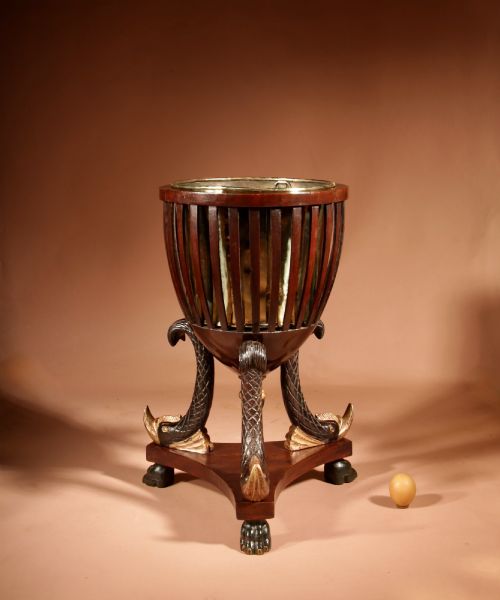
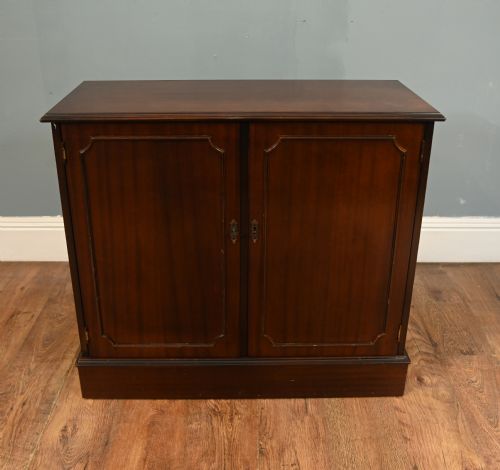
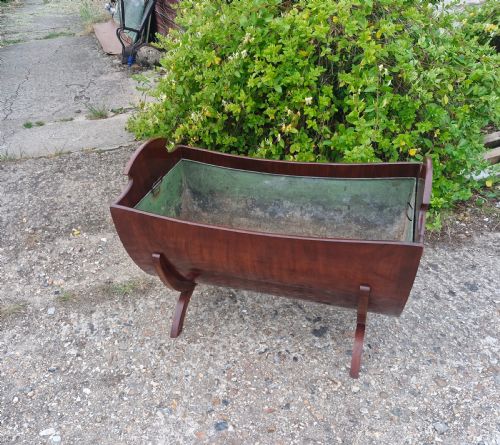
A 19th century wine cellarette is a dedicated container built to hold bottles and ice near the dining table, taking forms such as sarcophagus shapes, rectangular boxes, or vessels on stands. The pieces seen here span the Regency, Georgian, and Victorian periods, with many examples originating from the early decades of the 1900s and late 1700s.
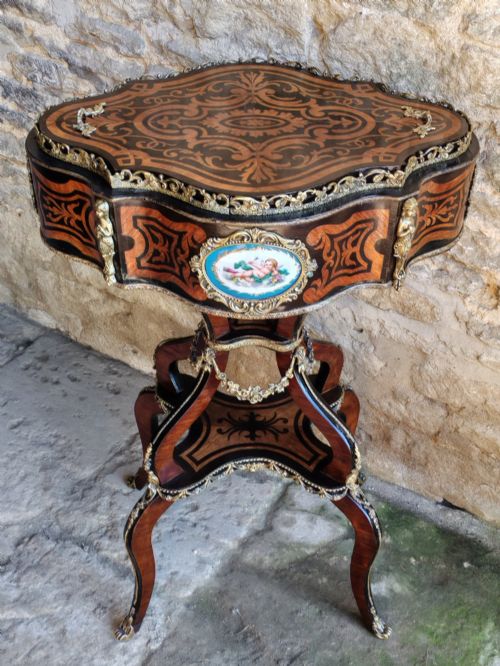
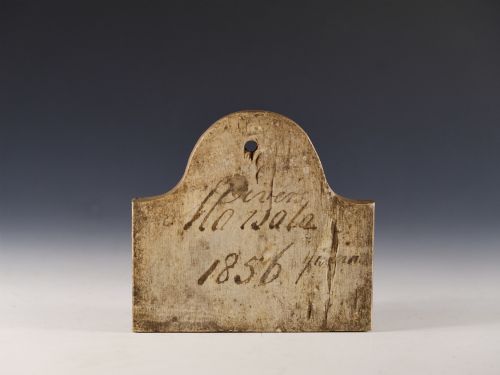
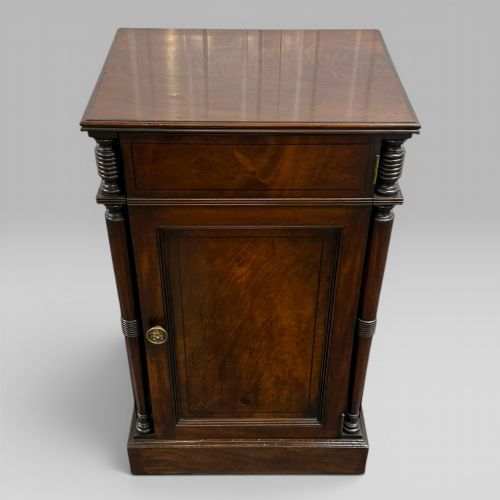
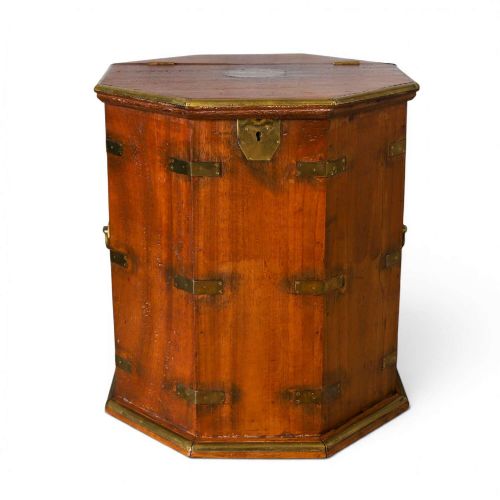
Mahogany forms the core of these listings, often finished with flame veneers, alongside examples in walnut, burr elm, rosewood, and oak. Alongside standard cellarettes, the selection encompasses wine coolers, jardiniere planters, campaign chests with lift-up lids, and individual cellar bin labels.
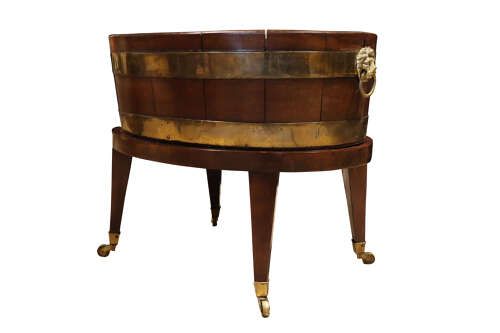
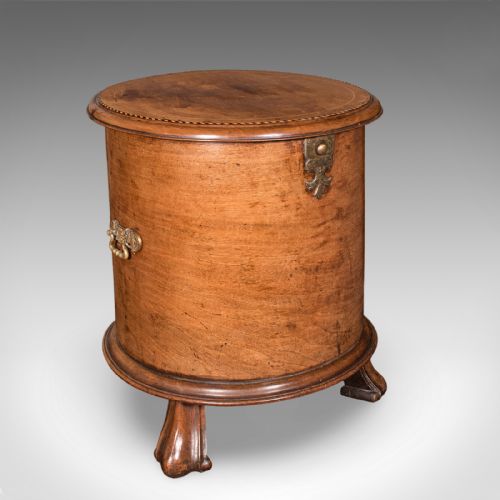
The Regency and Georgian interpretations dominate the selection, frequently displaying sarcophagus profiles with paw feet or brass binding. Later Victorian versions introduce larger proportions and elaborate marquetry inlay, reflecting the shifting tastes in dining room furniture across the century.
What Varies in Quality
The refinement of the timber selection and the precision of the veneer work set the standard for these items, with flame mahogany and burr walnut requiring expert matching across prominent surfaces. Higher-tier examples demonstrate superior cabinetmaking in the joinery of coopered interiors and the crispness of carved details like paw feet and moulded panels.
Hardware integration marks another distinction, where heavy brass mounts, lion mask handles, and original castors reflect greater investment during manufacture. The presence of internal sectional dividers and original metal linings preserves the intended function and elevates the integrity of the piece.
Listings feature mahogany, walnut, burr elm, and oak pieces across Georgian, Regency, and Victorian periods.
Gillows of Lancaster and London·Freemans of Norwich
The 19th Century Wine Cellarette Glossary
- Cellarette
- A lockable container used for storing wine bottles near the dining table. They typically sat on the floor beneath a sideboard or stood on dedicated legs.
- Coopered
- Built like a wooden bucket or barrel with curved staves joined tightly together. This technique ensured the interior could hold ice and water without leaking.
- Sarcophagus
- A monumental container shape with sloping sides resembling an antique stone coffin. This profile became the defining silhouette for Regency wine coolers.
- Ormolu
- Gilded bronze or brass applied as decorative mounts to furniture. It provided a bright metallic contrast against dark mahogany surfaces.
- Marquetry
- Inlays of different coloured woods arranged to form pictorial or geometric patterns. Makers used this technique on walnut and mahogany surfaces to create decorative panels.
19th Century Wine Cellarette: Frequently Asked Questions
What is a wine cellarette?
A wine cellarette is a specialised antique piece designed to hold wine bottles and ice in the dining room. They were positioned near the dining table to keep drinks accessible during meals.
Most examples feature enclosed compartments or coopered interiors lined with metal to handle melting ice. Their robust construction kept valuable vintages secure and properly chilled before serving.
How were cellarettes used?
Servants filled the internal compartments with ice and water to chill wine bottles prior to the meal. The heavy lidded boxes kept the temperature stable inside the dining parlour.
Beyond cooling wine, some versions served as general storage for bottles or operated as planters and jardiniere stands in grand country houses. Their portable nature allowed them to be wheeled around on castors.
How do I date a cellarette?
Dating relies on observing the prevailing architectural styles, timber choices, and hardware designs of the period. Regency and Georgian pieces often display classical sarcophagus shapes and brass paw feet, whereas Victorian examples tend toward larger proportions and elaborate marquetry.
Construction methods also help determine age, as coopered interiors and hand-cut dovetails indicate earlier Georgian and Regency craftsmanship. Makers' attributions or specific regional cabinetmaking traits further narrow down the decade of production.
Where did cellarettes sit?
These pieces traditionally sat on the floor directly beneath the dining room sideboard or freestanding against a wall. Their low profile allowed them to tuck neatly out of the way until needed by the household staff.
In modern rooms, they adapt well as freestanding side tables, planters, or decorative storage cabinets. Their substantial presence makes them natural focal points in a hallway or study.