





19th Century Watch
A 19th century watch represents a portable mechanical achievement that a collector desires for its intricate movement and period craftsmanship.
19th Century Watch
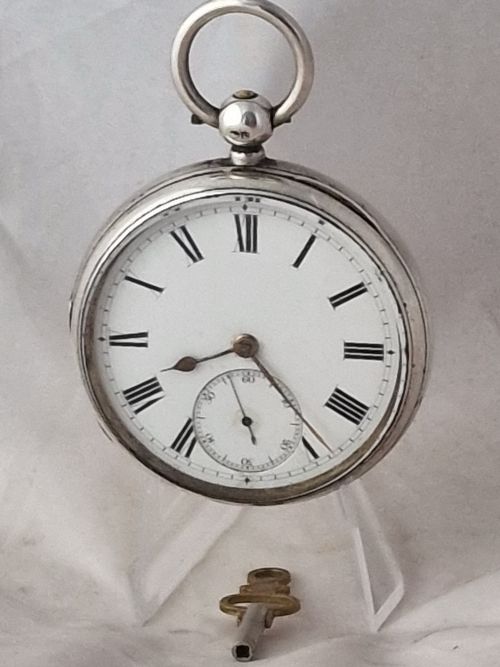
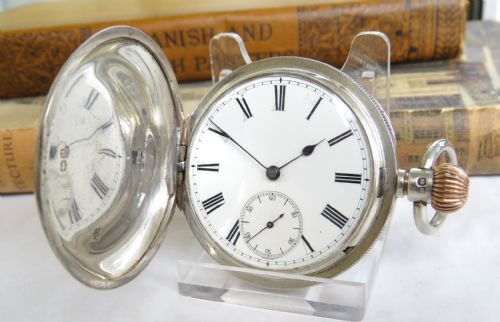
A 19th century watch encompasses silver pocket timepieces by makers such as Longines and Bickley London alongside related items like watch holders and walking sticks. These objects span periods from the Victorian era to the late 19th century.
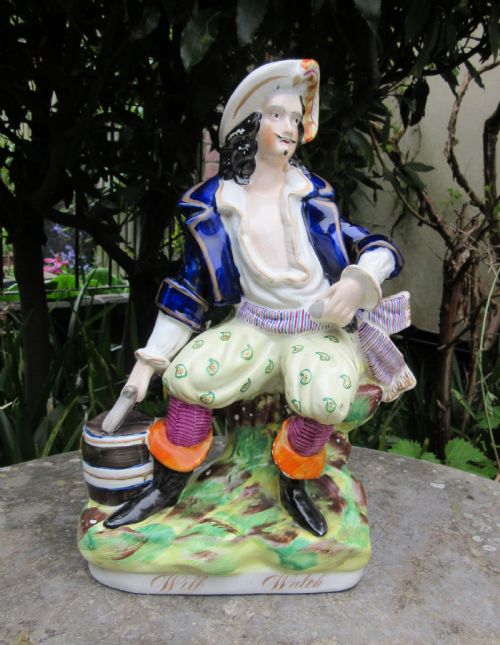
The most common versions met on this page include full hunter pocket watches and Victorian Staffordshire pottery watch holders designed to display or store timepieces. These items reflect both the personal utility and domestic display culture of the 1800s.
How they were made
Makers utilised metals like silver and gilt metal for watch cases and fobs, combining them with glass crystals and enamel dials. Earthenware and mahogany appear in associated items such as watch holders and boxes.
Craftsmen applied traditional mechanical techniques to construct fusee movements and pocket watch components, while potters moulded and hand-painted earthenware figures to house timepieces.
19th Century Watch Retail Price Guide 2026
Typical asking prices for 19th century watch among the pieces listed under this phrase on Sellingantiques today, from the lower quarter to the upper quarter. They describe what is for sale here now, not the wider market.
Materials recorded across the current selection include silver, mahogany, earthenware, glass, and bronze.
What varies in quality
The standard of a piece depends on the reputation of the maker and the precision of the mechanics, distinguishing standard production from signed work by established horologists. Condition and original finish also determine the standing of each item.
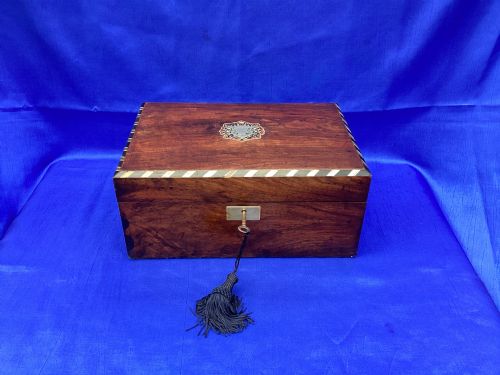
Materials and decorative detail separate simpler examples from finer pieces, such as the intricacy of casework in mahogany or the artistic execution in Staffordshire pottery and bronze clock cases.
Henry-Lepaute of Paris·Bickley London·Longines·Sir John Bennett·Litherland Davies Of Liverpool·Bellenot Paris
The 19th Century Watch Glossary
- Fusee
- A conical pulley used in older timepieces to maintain even tension on the gear train as the mainspring unwinds. This mechanism ensured greater accuracy in portable mechanical watches.
- Full hunter
- A pocket watch featuring a protective metal spring-hinged cover over the dial. The cover required release via a button before the time could be read.
- Staffordshire flatback
- A type of ceramic figure produced in the Staffordshire potteries with a finished front and a plain, flat rear. These figures were frequently modelled as watch-holders or historical subjects.
- Fob seal
- A small engraved stone or metal stamp attached to a watch chain. It was utilised for impressing wax to seal letters.
19th Century Watch: Frequently Asked Questions
How do I wind a 19th century pocket watch?
Many period pocket watches require a small key inserted through a hole in the inner dust cover to wind the mainspring.
Care must be taken not to overwind the mechanism, as this can strain the delicate internal components.
Where were Staffordshire watch holders placed?
Staffordshire pottery watch holders sat on bedroom mantelpieces or bedside tables to keep pocket watches safe during the night.
The hook at the front allowed the timepiece to hang securely in view.
How can I identify the date of a silver pocket watch?
Assay office hallmarks stamped inside the silver case provide letters and symbols indicating the specific year of testing.
Matching these marks against official registers reveals the exact period of manufacture.
What is the difference between a pocket watch and a marine chronometer?
A pocket watch is designed for personal portability and daily timekeeping on the person.
A marine chronometer is a highly accurate, larger clock housed in a box with gimbals, built specifically for navigation at sea.