

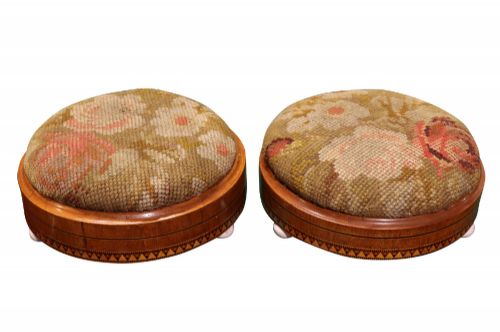


19th Century Walnut Ottoman
A 19th century walnut ottoman provides versatile seating or resting surfaces, combining rich timber frames with varied textile upholstery to anchor a room.
19th Century Walnut Ottoman
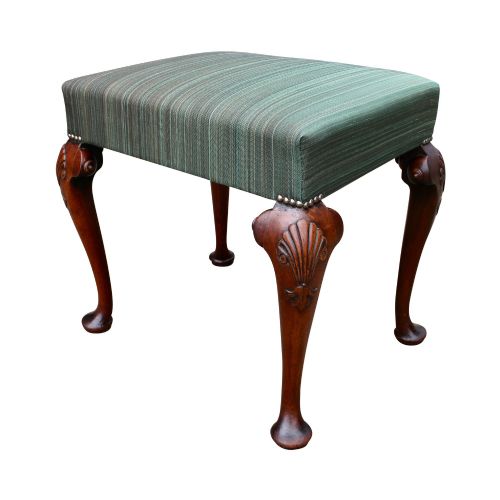
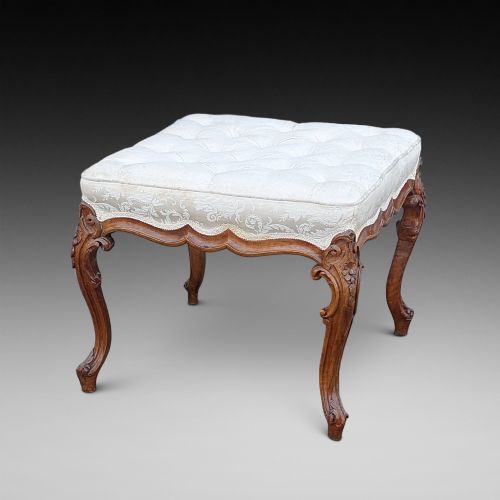
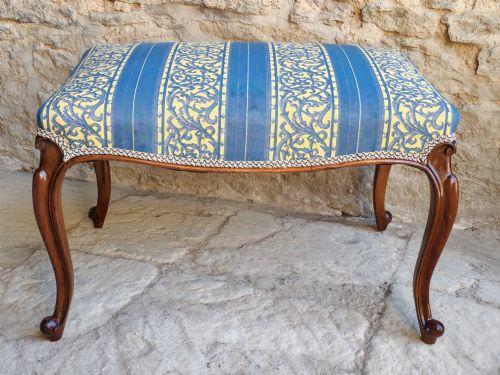
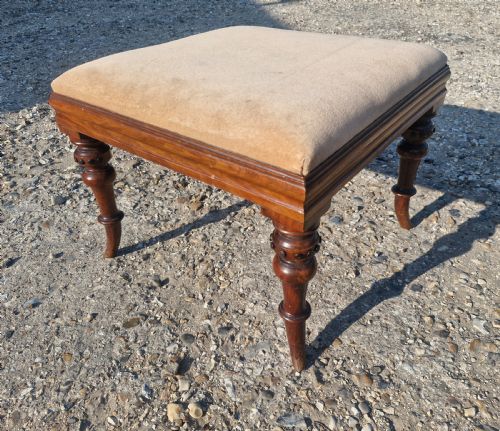
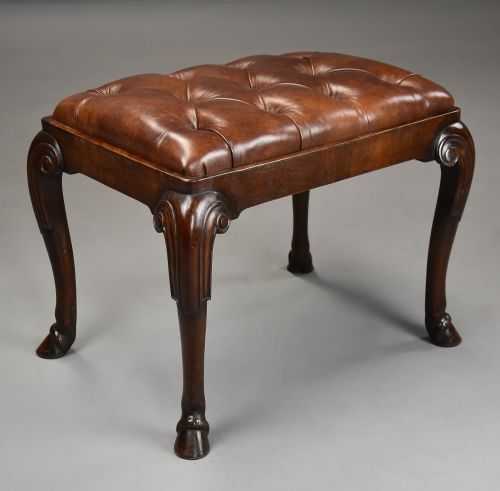
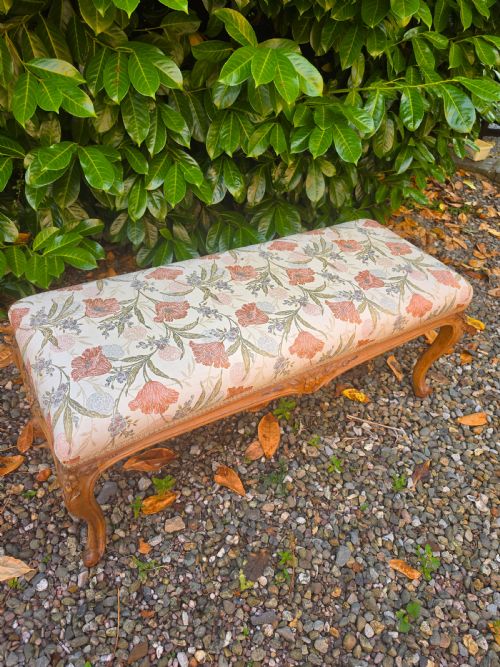
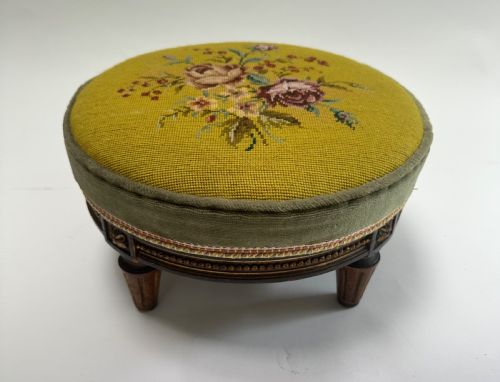
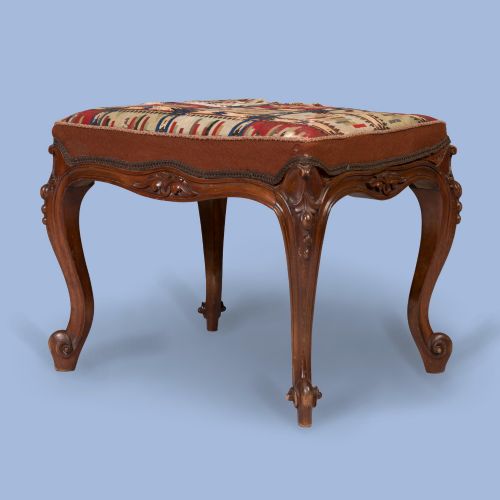
When you search for a 19th century walnut ottoman, you encounter low seating forms, stools, and footstools produced across the Victorian era alongside related Levantine and Syrian works. The selections span compact footrests, large fireside seats, and window benches utilising dense timber frames.
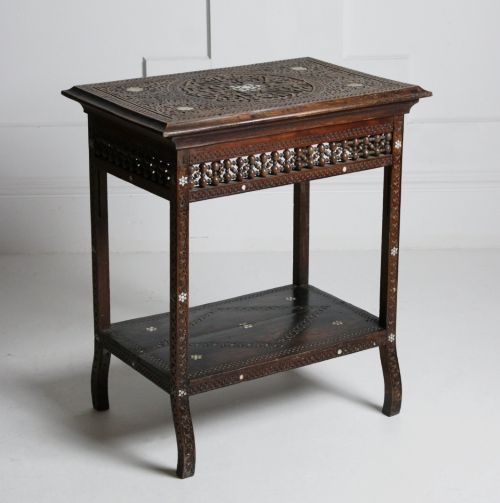
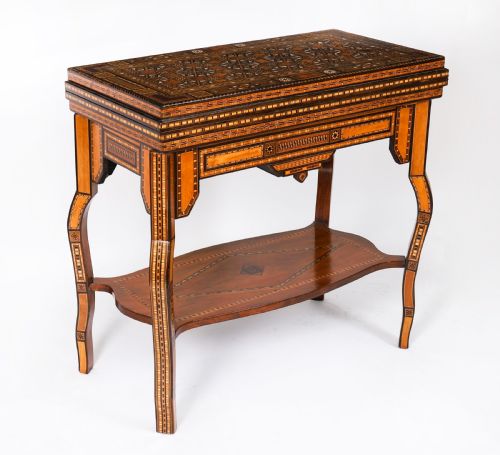
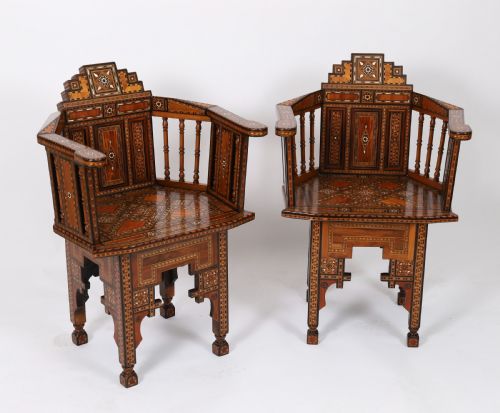
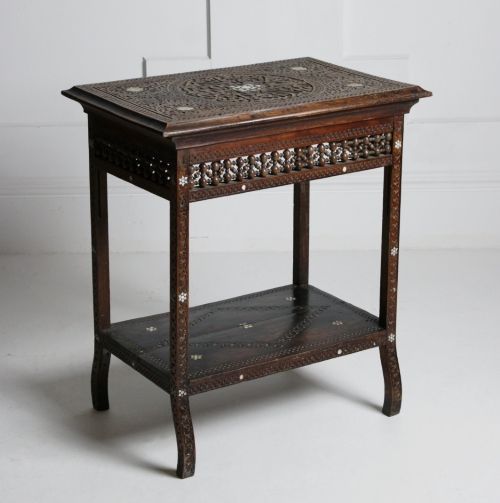
The objects frequently present carved cabriole legs, X-frames, or circular profiles shaped from walnut. Upholstery, parquetry, and inlaid surfaces of bone or mother-of-pearl recur across the forms originating from diverse revival styles.
While traditional box ottomans appear occasionally in archives, current options lean heavily toward walnut stools, footstools, and allied Syrian or French seating pieces from the eighteen-fifties onward.
Judging quality in walnut seating
The standard of carving and joinery dictates the distinction between standard production and exceptional work. Crispness in the hand-carved foliage or precise alignment of inlaid bone and mother-of-pearl indicates superior craftsmanship.
The preservation of the original timber patina and the integrity of the structural frame determine the piece's standing. Refined proportions in cabriole legs or X-frame supports elevate the overall character of the seating.
Materials recorded on this page include solid walnut, velvet textiles, bone, brass, and mother-of-pearl inlay.
The 19th Century Walnut Ottoman Glossary
- Cabriole leg
- A furniture leg that bends outward and then tapers downward to a foot, typical of Queen Anne and revival styles. This form mimics animal limbs with rhythmic curves.
- Parquetry
- A geometric mosaic of wood pieces used for decorative floors and furniture surfaces. Artisans arrange contrasting timbers to create optical patterns.
- Mother-of-pearl
- The iridescent inner layer of mollusc shells utilised for inlay work. Craftsmen shape small sections into intricate geometric or floral motifs.
- X-frame
- A furniture base constructed from intersecting diagonal members forming an X shape. This structural design appears on folding seats and ceremonial stools.
- Gout stool
- An adjustable footstool designed to elevate and support a foot afflicted by gout. These pieces feature pivoting mechanisms to alter the angle of rest.
19th Century Walnut Ottoman: Frequently Asked Questions
How do I style a walnut ottoman?
Position the piece before a sofa as a central footrest or utilise a compact stool beside an armchair to introduce organic timber textures.
Combine the dark walnut frames with neutral upholstery fabrics to let the carved details and inlaid surfaces stand out in a traditional or eclectic interior.
What is the difference between an ottoman and a footstool?
Ottomans typically offer enclosed storage beneath a hinged or liftable top, whereas traditional footstools function strictly as open-framed resting surfaces for the feet.
Many period examples classified broadly under seating overlap in form, serving simultaneously as low seats, window benches, and auxiliary tables.
How do I identify a Syrian inlaid piece?
Syrian and Moorish works are distinguished by dense geometric parquetry constructed from walnut or fruitwood inlaid extensively with bone and nacre-shell.
These items frequently manifest as multi-tiered side tables, armchairs, or low seating forms influenced by Middle Eastern decorative traditions.
How do I care for walnut wood?
Maintain the timber by dusting regularly with a soft, dry cloth and avoiding placement near direct heat sources or strong sunlight.
Apply a microcrystalline wax sparingly when the surface appears dry to preserve the natural lustre of the walnut grain without sealing the pores.