

19th Century Velvet Chair
When you handle a 19th century velvet chair, you hold a piece where dense timber and rich pile meet to anchor a room.
19th Century Velvet Chair
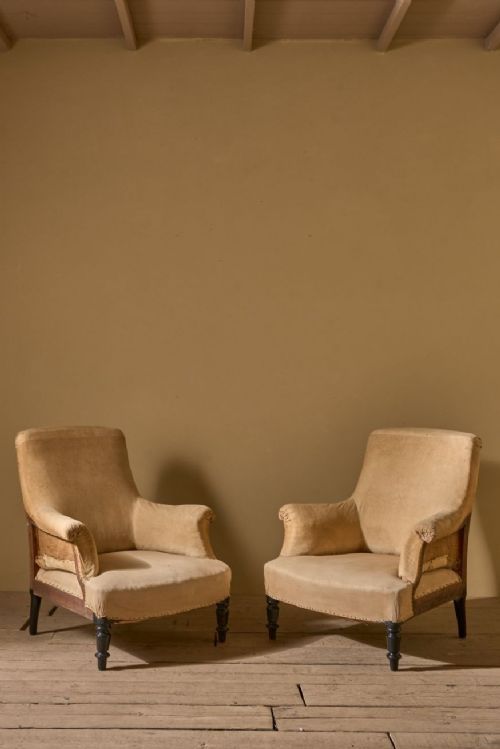
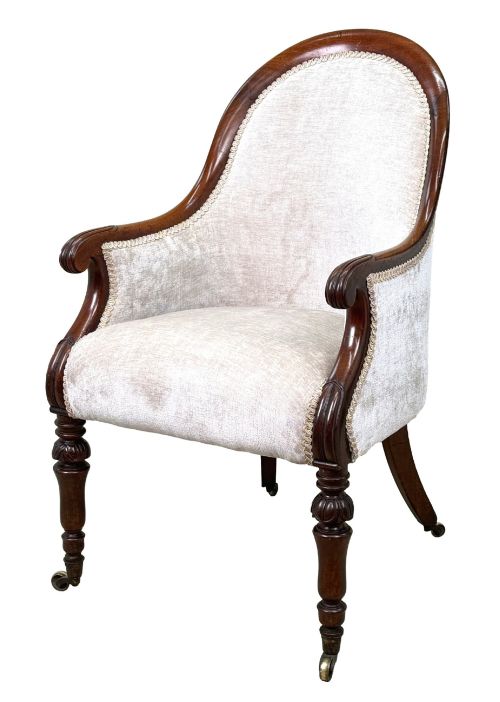
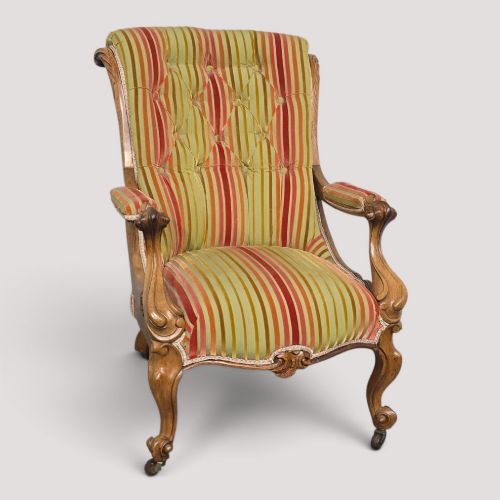
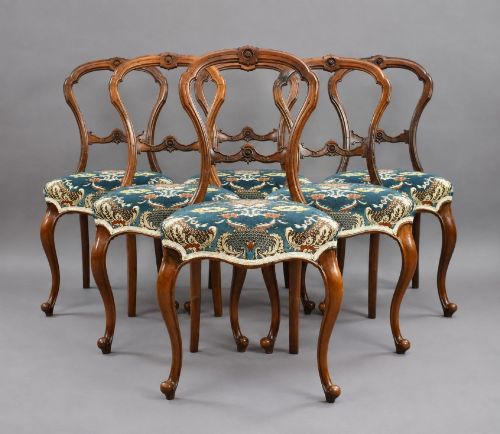
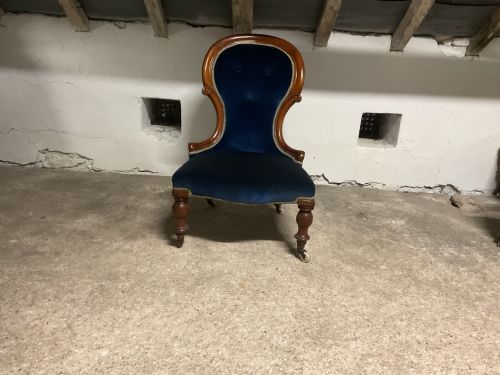
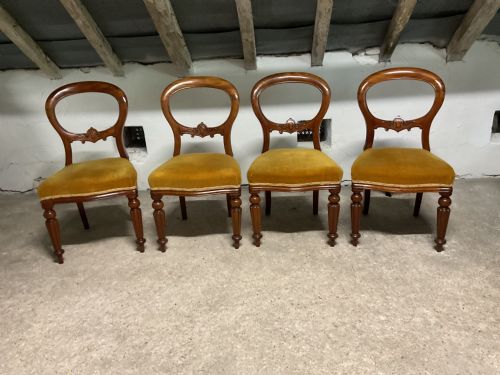
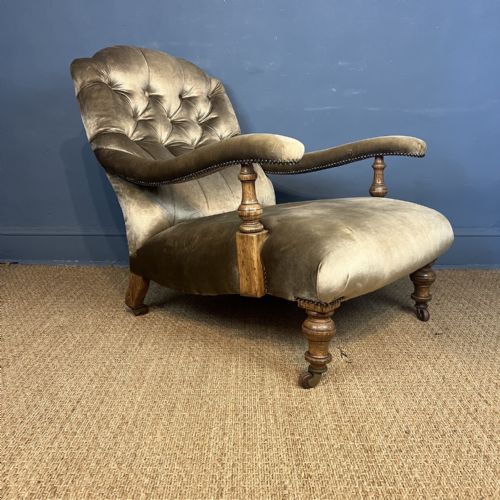
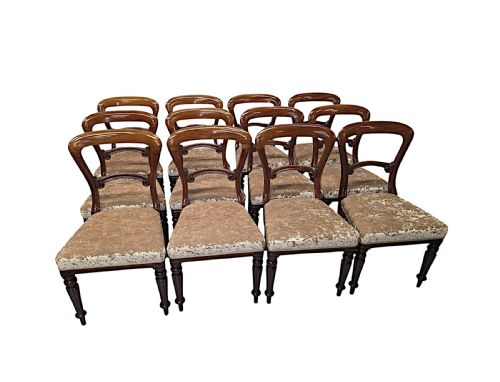
A 19th century velvet chair brings tactile warmth and structural presence to a interior, drawing on a lineage that spans formal dining sets, low nursing seats, and deep library armchairs. You encounter these pieces most frequently in Victorian mahogany or walnut incarnations, often shaped with balloon backs, scroll arms, or buttoned upholstery.
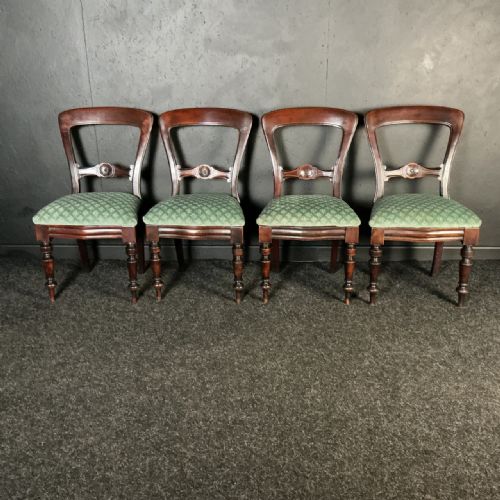
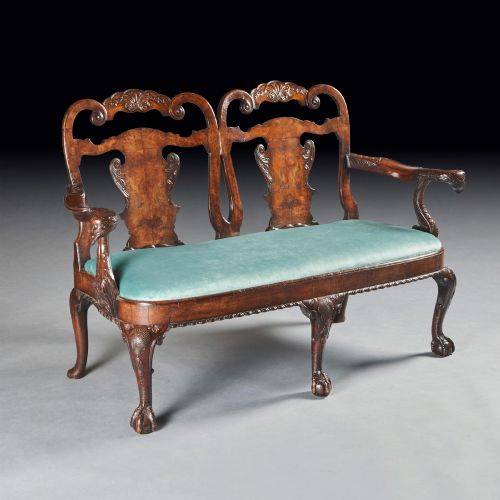
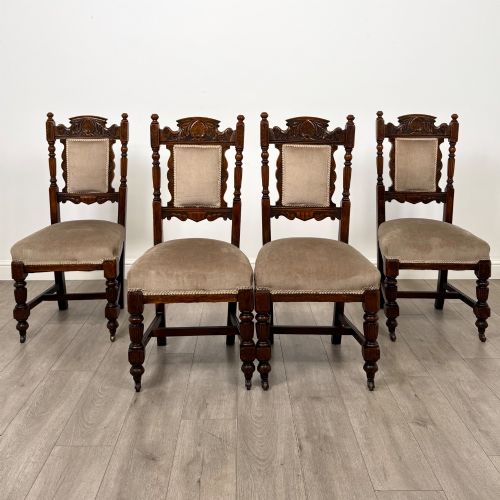
The selections on this page bridge domestic utility and revivalist ambition, encompassing everything from compact occasional chairs to expansive chaises longues and sets of dining seats. While Regency and William IV iterations lean towards classical restraint, later Victorian designs embrace generous curves and heavier timber frames.
Makers and regional workshops of the period utilised diverse timber species, pairing solid mahogany, rosewood, and oak with plush pile coverings to create seating meant for prolonged repose. These pieces reflect shifting domestic habits, moving from rigid formal arrangements toward spaces dedicated to comfort and leisurely reading.
Materials and Construction
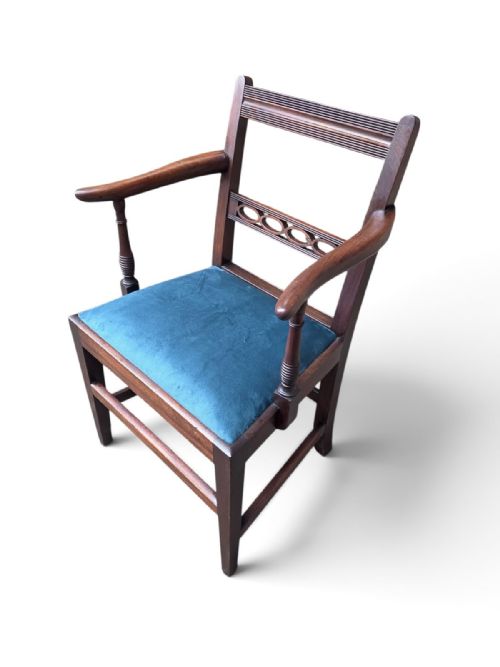
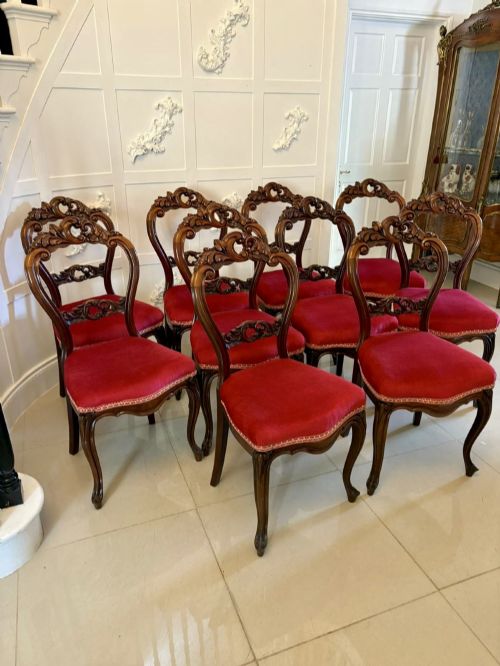
Makers built the foundational frames of these chairs using dense hardwoods like mahogany, walnut, rosewood, and oak, often joining the structural components with traditional mortise and tenon joints to ensure enduring stability. Cabinetmakers shaped the timber through careful turning, carving, and steam-bending to achieve the characteristic scroll arms, balloon backs, and cabriole legs.
Upholstery techniques relied on webbing, spring systems where period innovation permitted, and horsehair stuffing held in place by tight stitching before the final velvet layer was applied with brass tacks or gimp braid. This layered assembly provided the supportive yet yielding seat characteristic of nineteenth-century seating comfort.
At least one nineteenth-century chair arrives ready for action with iron in its spine.
Assessing Quality and Execution
The distinction between ordinary seating and exceptional pieces rests upon the crispness of the timber carving and the architectural proportion of the frame. Superior examples display fluent hand-carved details, well-figured wood grain, and robust joinery that remains firm under daily use.
Finer pieces also benefit from scholarly adherence to period styles, whether channeling George III elegance or French Louis XVI symmetry, executed by skilled workshops rather than mass-production methods. The integration of the upholstery, from the hand-tied springs to the weight of the velvet pile, dictates the overall integrity of the piece.
Gillows·Strahan·Cowtan and Sons·Holland and sons·Howard
The 19th Century Velvet Chair Glossary
- Balloon back
- A rounded, oval-shaped chair back popular in Victorian seating design. This profile mimics the contours of a gas balloon and offers ergonomic support.
- Tub armchair
- A fully upholstered seating form with a continuous curved back and arms that encase the sitter. This design offers enclosed comfort.
- Nursing chair
- A low-seated chair designed for childcare or sitting near bedroom hearths during the nineteenth century. These pieces often feature sprung seats and modest proportions.
- Chaise longue
- An elongated upholstered seat combining an armchair and a footstool into a single daybed form. These items served for reclining in parlours and boudoirs.
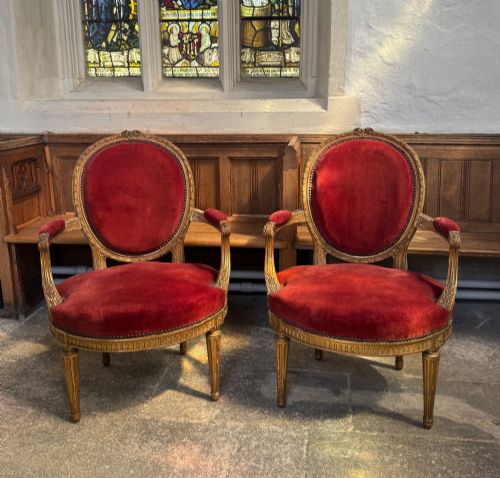
- Giltwood
- Timber treated with a thin layer of gold leaf applied over a prepared gesso base. This finish appears frequently on revivalist framework.
- Monopodia
- A carved furniture support taking the form of a single animal leg, often ending in a claw or paw. This neoclassical motif draws on ancient Roman design.
19th Century Velvet Chair: Frequently Asked Questions
What is a nursing chair?
A nursing chair is a low-slung nineteenth-century seat designed specifically for comfort in domestic bedchambers or nurseries. The diminished height allowed sitters to tend to infants or dress with ease near a low hearth.
These pieces typically feature sprung upholstery and generous padding covered in textiles like velvet or damask. Their compact footprint makes them versatile for placement in modern bedrooms or small reception spaces.
How are nineteenth-century frames constructed?
Cabinetmakers built these frames using seasoned hardwoods like mahogany, rosewood, and oak, joined together with traditional pegged mortise and tenon techniques. The structural skeleton was then layered with webbing, stuffing, and heavy textiles to create a durable foundation.
Superior examples retain their structural rigidity through precise joinery and heavy timber scantlings. This robust construction explains why so many antique frames survive intact after generations of daily use.
Where should I place a chaise longue?
A chaise longue requires an open wall space or a central position in a spacious room to accommodate its elongated silhouette properly. These pieces function well in drawing rooms, large studies, or master bedrooms where they invite daytime reclining.
Because the upholstered backrest typically runs along one long side, placement should take into account viewing angles and traffic flow. Pairing the piece with a low occasional table creates a dedicated spot for reading.
How do I care for antique velvet?
Antique velvet requires gentle handling to preserve the integrity of its pile and prevent crushing or fibre loss. Regular dusting with a soft brush helps prevent particulate accumulation within the dense weave.
Avoid placing these textiles in direct sunlight, which can fade rich dye colours over time. Professional conservation cleaning is recommended for deep maintenance rather than aggressive domestic washing.