

19th Century Umbrella Rack
A 19th century umbrella rack brings functional hallway organisation and robust period character to an entrance hall.
19th Century Umbrella Rack
A 19th century umbrella rack serves as a practical furnishing designed to hold walking sticks, canes and wet umbrellas in domestic hallways. Buyers searching this phrase encounter substantial hallway storage furniture intended to greet visitors at the front door.
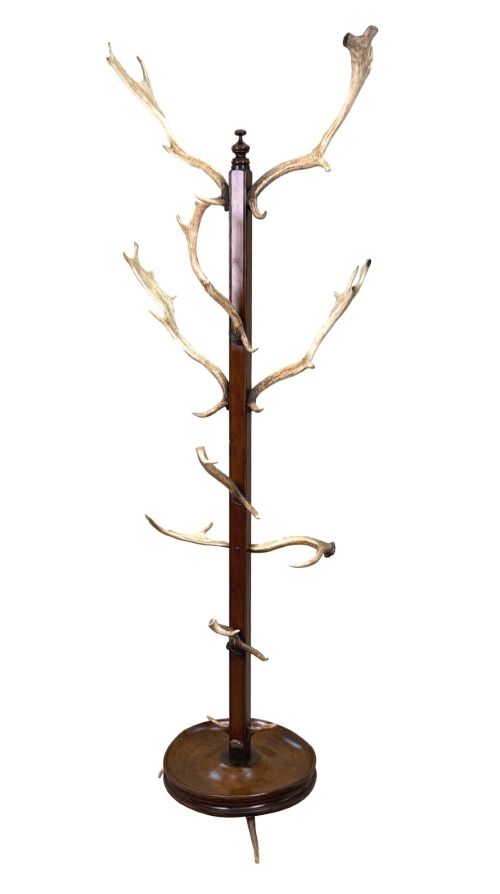
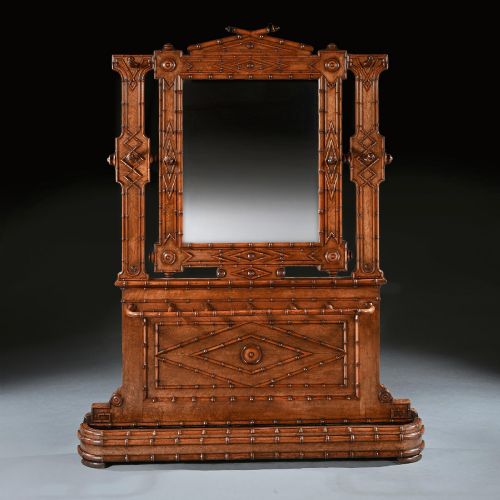
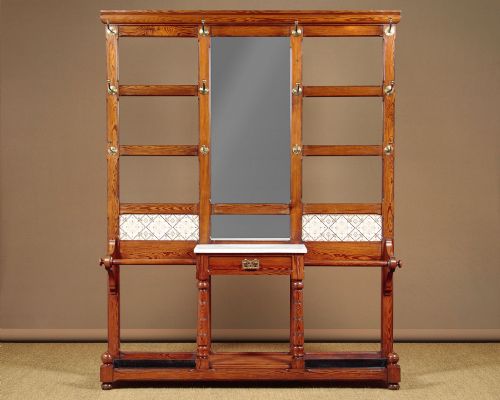
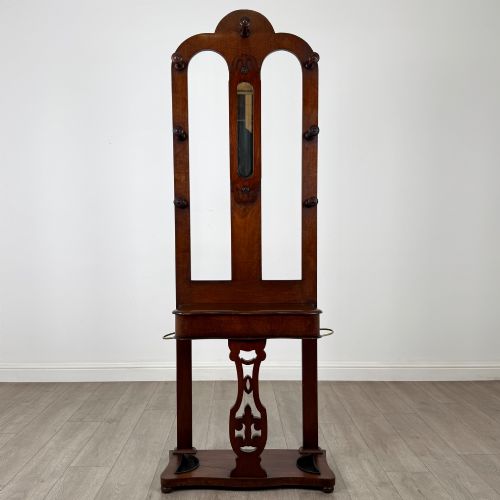
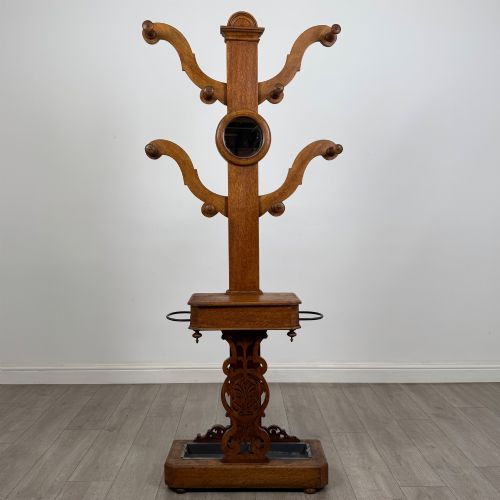
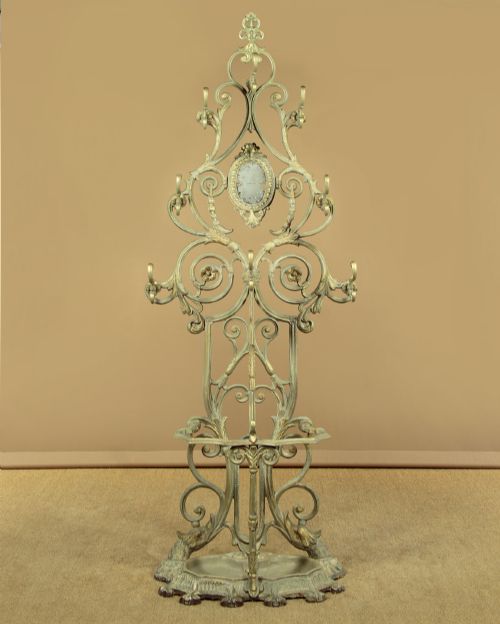
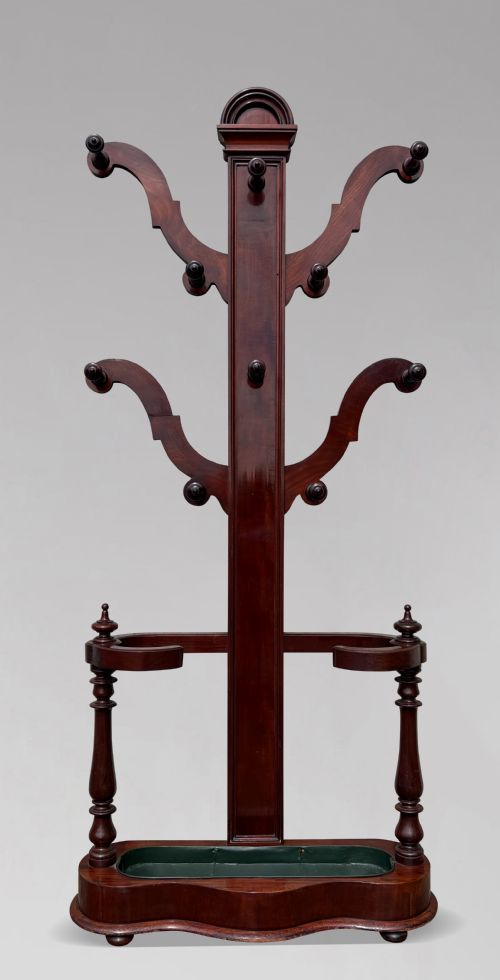
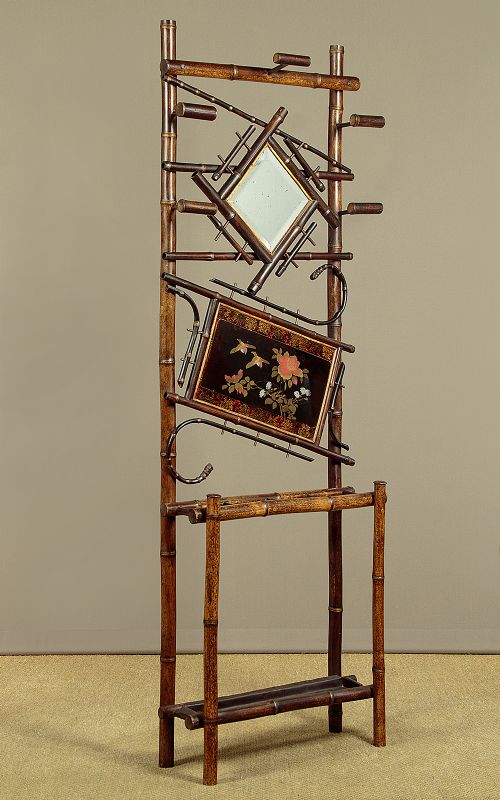
The selection ranges from dedicated umbrella and stick stands to comprehensive hall stands incorporating coat hooks, mirrors and marble shelves. Examples appear in various regional and stylistic interpretations spanning the Victorian era and the latter decades of the nineteenth century.
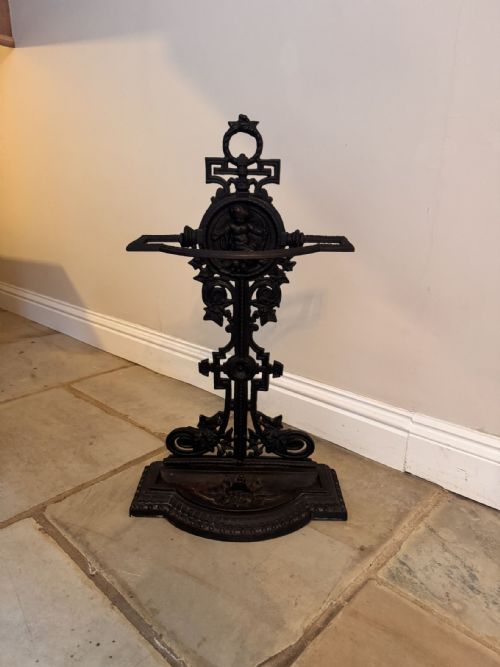
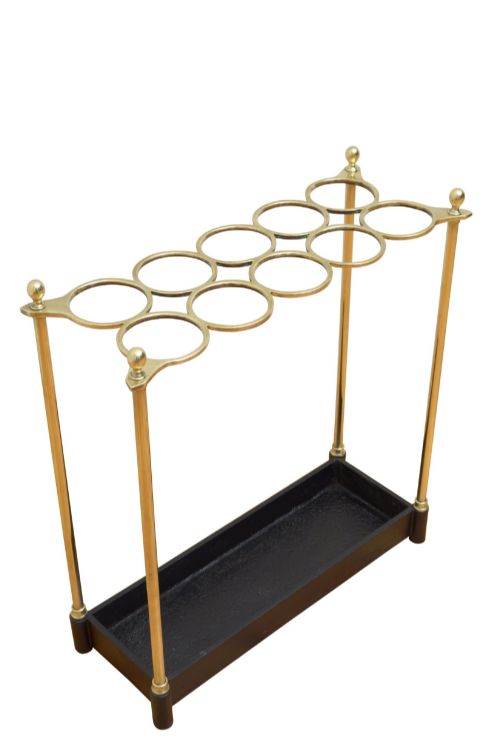
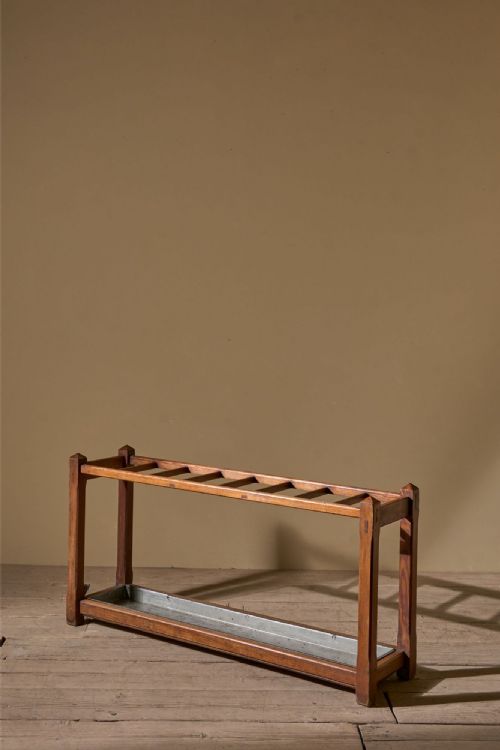
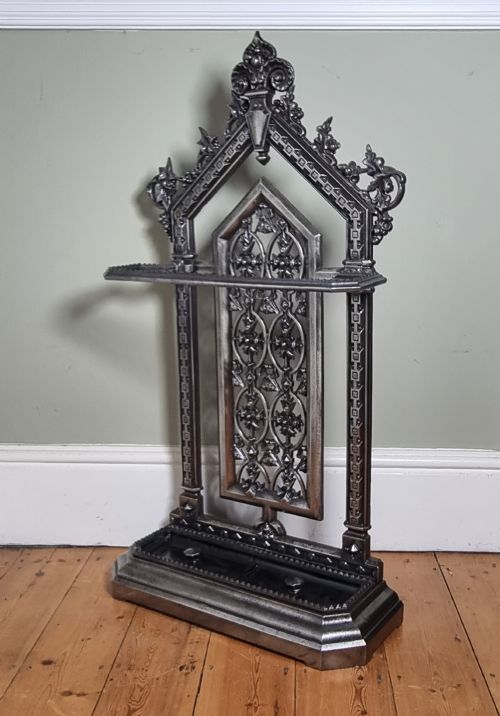
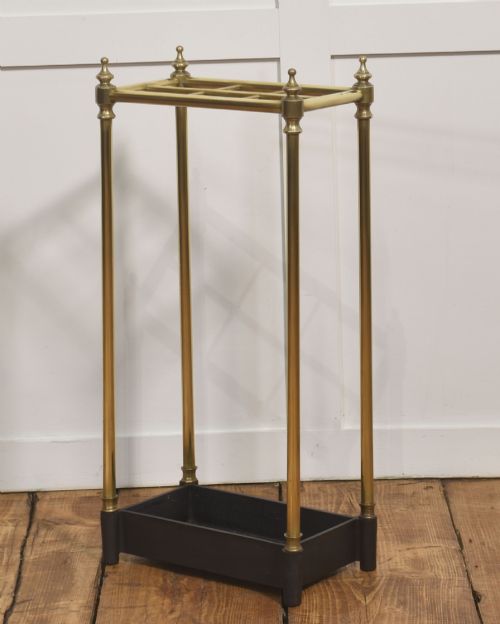
Cast iron and brass versions dominate the metal offerings alongside wooden formats fashioned from mahogany, oak, pine and walnut. Makers utilised these materials to produce both utilitarian country house furniture and ornate pieces suited to formal entrance spaces.
How They Were Made
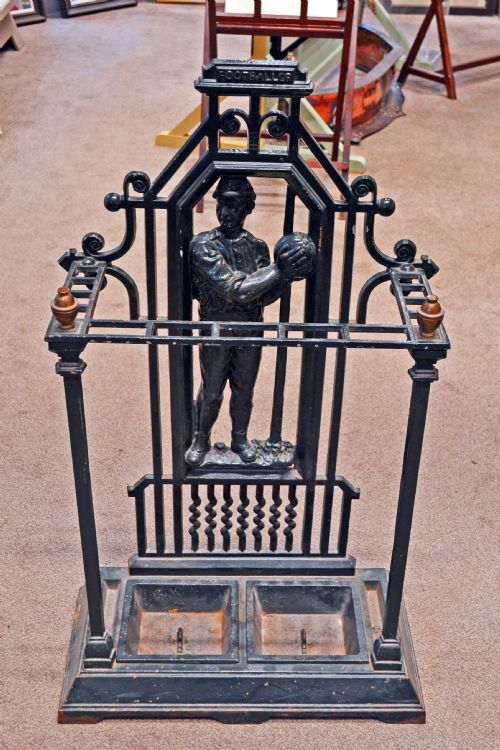
Foundries cast iron and brass into structural frames, decorative motifs and drip trays, often utilising moulds for repetition and structural rigidity. Metal components frequently feature painted surfaces, ball finials or polished brass finishes.
Cabinetmakers constructed wooden forms using mahogany, oak, pine and walnut, incorporating carved details, turned elements and bentwood techniques. Specialised styles such as Black Forest carving involved intricate manual labour to shape lindenwood into figural bears and naturalistic tree forms.
19th Century Umbrella Rack Retail Price Guide 2026
Typical asking prices for 19th century umbrella rack among the pieces listed under this phrase on Sellingantiques today, from the lower quarter to the upper quarter. They describe what is for sale here now, not the wider market.
Bears carved from lindenwood stand guard over wet umbrellas in the distinctive Black Forest tradition.
What Varies In Quality
The standard of carving and metal casting dictates the artistic merit of the piece, separating mass-produced foundry items from deeply detailed sculptural works. Elaborate ornamentation, such as figural Black Forest carvings or registered foundry marks, elevates the character of the object.
Material selection and structural integrity define the durability of the piece, with dense hardwoods and heavy cast iron providing greater stability than lighter pine or composite elements. The presence of original matching drip trays and intact brass mounts preserves the intended design cohesion.
J Parker of Woodstock·Falkirk Ironworks·Fischel·Falkirk Foundry
The 19th Century Umbrella Rack Glossary
- Hall stand
- A multi-functional hallway furnishing combining umbrella storage with coat hooks, a mirror and sometimes a glove drawer or marble shelf.
- Cast iron
- A heavy alloy poured into moulds to create rigid, decorative umbrella stands and structural frames.
- Black Forest
- A nineteenth century style originating in central Europe characterised by naturalistic wood carvings depicting animals and foliage.
- Bentwood
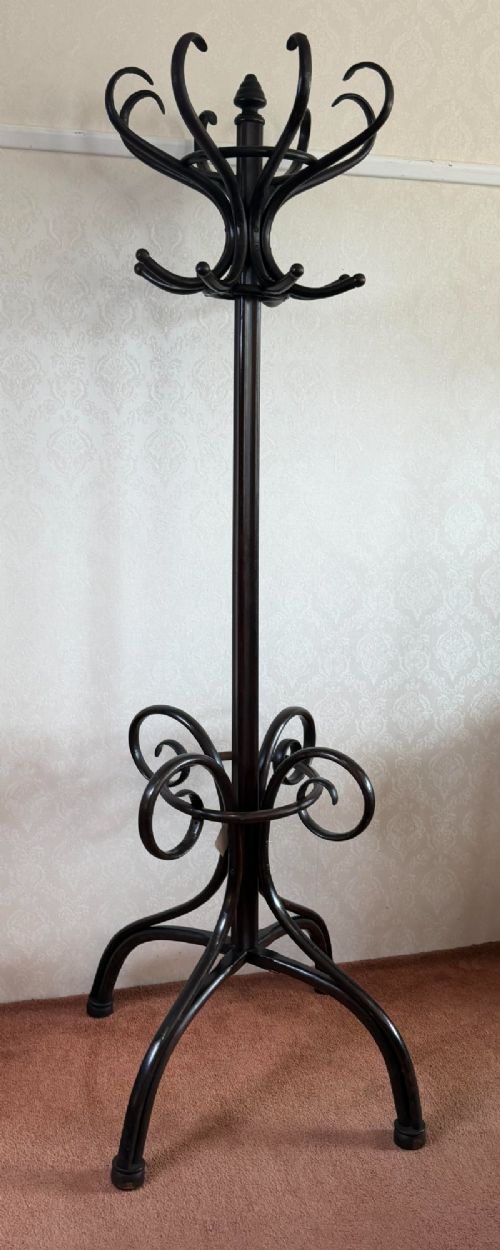
- Wood softened by steam and bent into curved structural forms, frequently utilised for hats, coats and stick stands.
- Japonisme
- An aesthetic style incorporating Japanese artistic influences into European decorative arts during the late nineteenth century.
19th Century Umbrella Rack: Frequently Asked Questions
Where were umbrella racks placed?
Umbrella racks stood immediately inside the front entrance of a house. This placement allowed residents and visitors to deposit wet rain gear and walking aids upon entering the hallway.
Larger versions formed the centrepiece of an entrance hall, combining umbrella storage with places to hang hats and coats.
How do I care for wooden hall stands?
Wooden hall stands benefit from routine dusting and occasional treatment with appropriate wood waxes to nourish the surface. Keeping them away from direct heat sources prevents the timber from drying out or splitting.
Metal drip trays located at the base should be checked and emptied regularly to prevent moisture accumulation from damaging surrounding wooden floors or frames.
How are different periods identified?
Periods are identified through a combination of material choices, construction methods, design styles and occasional manufacturer stamps or date marks. Aesthetic Movement pieces display Japanese-inspired motifs, while Gothic Revival examples feature architectural arches and heavy carving.
Foundry marks and patent stamps provide direct evidence of manufacturing dates and maker origins.