




19th Century Tobacciana
These pieces of 19th century tobacciana are smoking accessories and smoker's containers that bring tactile craftsmanship to a collection.
19th Century Tobacciana
When you search for 19th century tobacciana, you encounter an array of smoking accessories spanning the Victorian era, the 1890s, and the 1800s. The selection on this page centres on items associated with the enjoyment of tobacco, from cigar cases to tobacco jars.
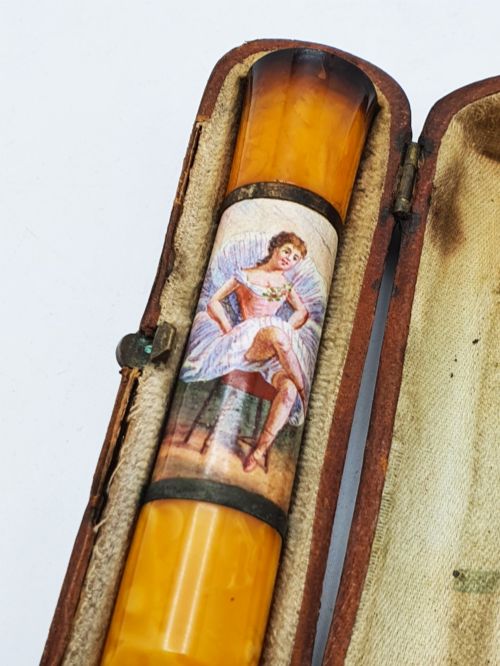
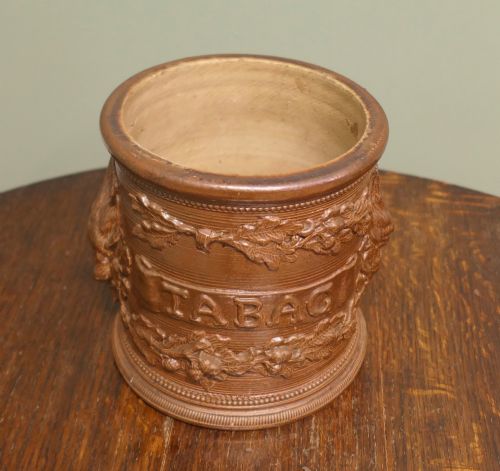
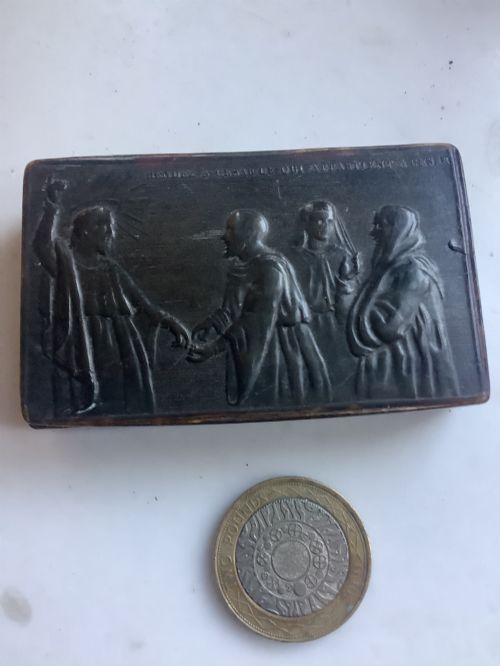
You are most likely to meet storage vessels and personal pocket items in forms such as tobacco boxes, humidores, snuff boxes, and pipes. Materials range widely across these functional objects, encompassing linden wood, brass, sterling silver, and leather.
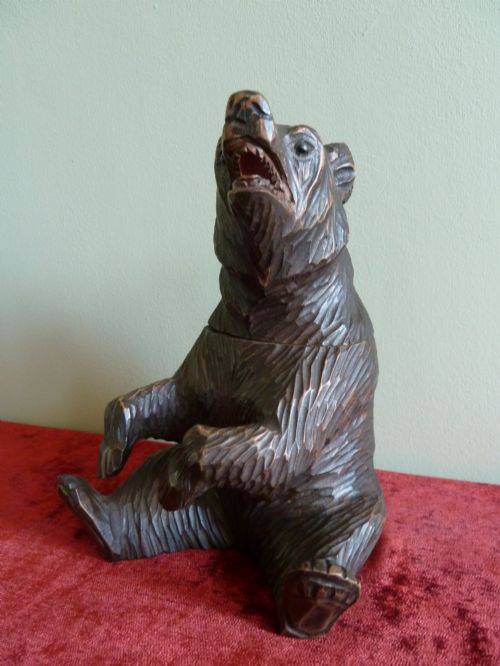
Makers of the period produced both whimsical carved figures, such as Black Forest bears, and formal desk or pocket containers in the Gothic Revival and Dutch styles. These pieces reflect the dominant social smoking habits of the nineteenth century across Britain and Europe.
How they were made
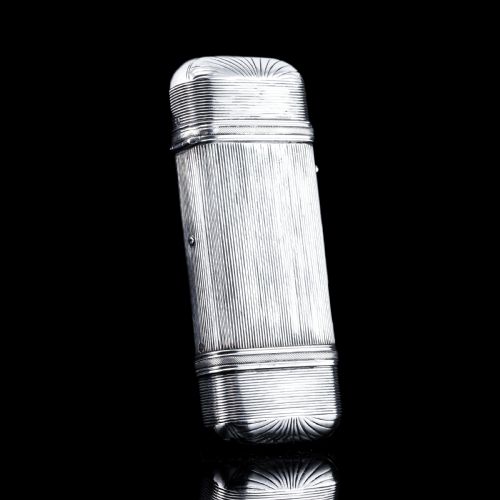
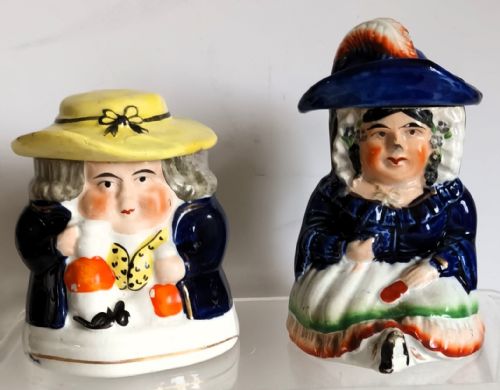
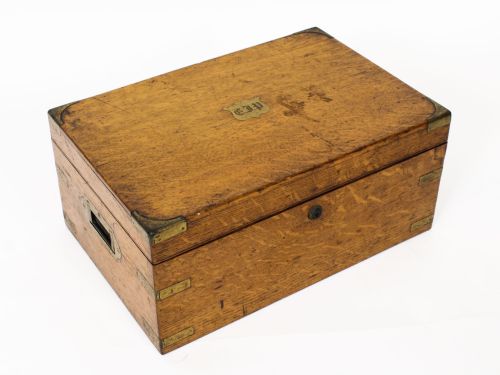
Metalwork involved solid silver and brass, often paired with reeded designs or leather binding on oak frames for larger cigar humidors. Enamel and porcelain added decorative surfaces to jars and small boxes, while meerschaum was carved for smoking pipes.
19th Century Tobacciana Retail Price Guide 2026
Typical asking prices for 19th century tobacciana among the pieces listed under this phrase on Sellingantiques today, from the lower quarter to the upper quarter. They describe what is for sale here now, not the wider market.
Some nineteenth-century smokers carried their snuff inside a polished shoe made of papier-mâché.
What varies in quality
The standard of carving defines pieces like the Black Forest linden wood humidor and meerschaum pipes, where depth of detail and expression separate ordinary items from finer examples. Hand-carved animal subjects display distinct levels of naturalism and sculptural depth.
Material selection and metalwork precision distinguish pocket items such as silver cigar cases and brass pipe tampers. The integrity of hinges, clasps, and fitted leather or textile interiors indicates the original tier of production.
SAMPSON MORDAN
The 19th Century Tobacciana Glossary
- Humidor
- A sealed box or jar designed to store cigars or tobacco at a constant humidity. These often feature wood linings such as oak.
- Meerschaum
- A soft white mineral carved into intricate smoking pipes that darken with use. It is prized for its heat-resistant properties.
- Cheroot Case
- A rigid or semi-rigid pocket holder made for narrow, open-ended cigars. Examples appear in leather, silver, and crocodile skin.
- Black Forest
- A nineteenth-century carving style originating from the mountainous region of Germany and Switzerland, noted for realistic animal sculptures. Bears holding tobacco are typical forms.
19th Century Tobacciana: Frequently Asked Questions
What is 19th century tobacciana?
It encompasses everyday smoking equipment and storage vessels created during the nineteenth century. The category includes personal items like cigar cases and snuff boxes alongside larger desk pieces such as tobacco jars.
These objects reflect the prominent role of smoking in nineteenth-century daily life. They combine utility with decorative craftsmanship across diverse materials.
How were tobacco jars used?
Tobacco jars served to keep loose pipe tobacco moist and protected from air. They sat on desks or smoking tables in domestic interiors.
Many incorporated tight-fitting lids or inner seals to preserve the leaf. Elaborate versions used carved wood or ceramic bodies to conceal their functional purpose.
What is a snuff mull?
A snuff mull is a traditional Scottish receptacle for holding ground tobacco known as snuff. They were frequently fashioned from ram or other animal horns.
These containers often included hinged lids and small ancillary tools attached by chains. Their design reflects distinct regional Scottish craftsmanship of the era.
How do I identify a meerschaum pipe?
Meerschaum is a lightweight, white hydrous magnesium silicate mineral that is carved into smoking pipes. It absorbs nicotine and oils, causing the material to colour over time with use.
Carvings on these pipes often display high relief figures or floral motifs. The porous nature of the mineral distinguishes it from briar or clay.
What materials are common in cigar cases?
Nineteenth-century cigar cases utilise materials ranging from sterling silver and brass to crocodile leather and papier-mâché. Book-form leather cases were also popular for pocket transport.
Silver examples frequently feature reeded or engraved exterior decoration. Interior linings often used silk or velvet to cradle the cigars securely.