


19th Century Tea Cup
A 19th century tea cup brings tactile history to the table, offering a tangible link to Georgian and Victorian social rituals through fine porcelain and hand-painted artistry.
19th Century Tea Cup
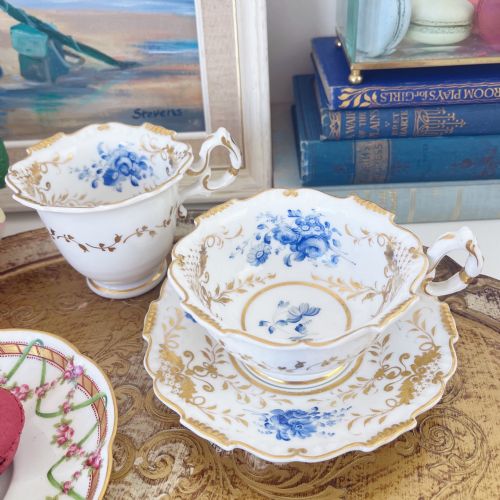
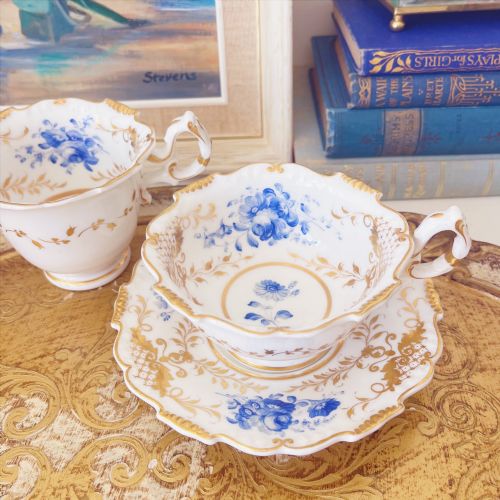
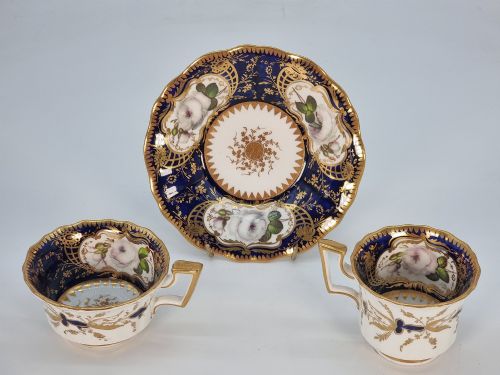
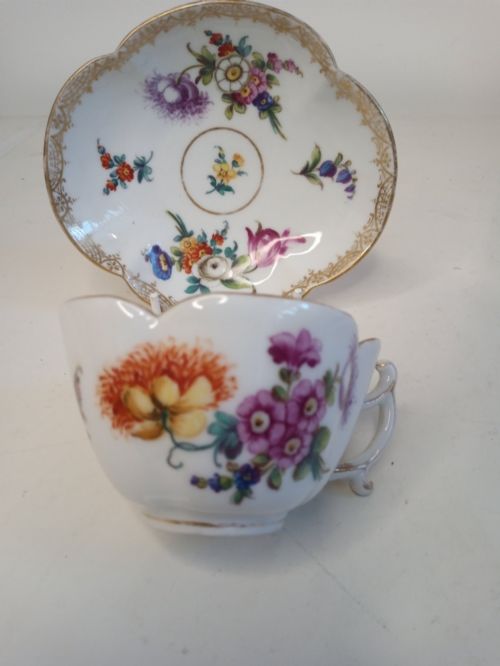
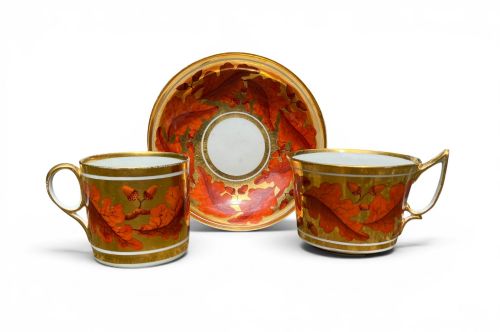
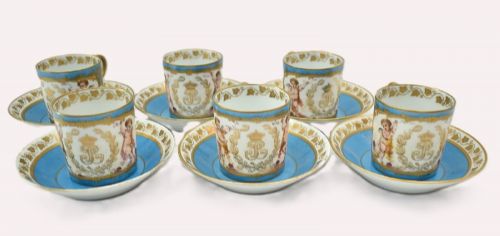
A 19th century tea cup encompasses delicate porcelain drinking vessels accompanied by matching saucers, often forming part of larger trios or service sets. Buyers encounter forms ranging from early Georgian Worcester and Regency period trios to later Victorian and continental porcelain wares.
How they were made
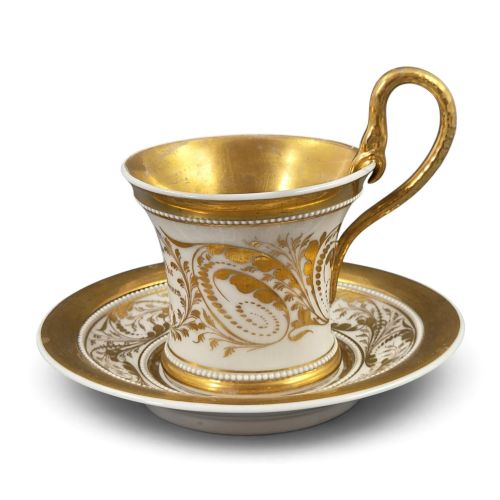
Makers utilised porcelain and bone china as the primary body materials, shaped either by throwing or moulding before high-temperature firing. Hard-paste porcelain provided a durable, vitreous base favoured by European factories such as KPM Berlin and Sevres.
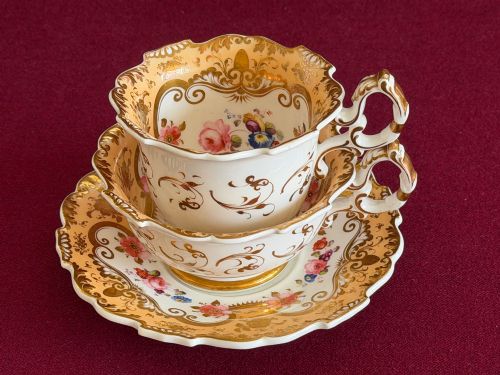
Decoration relied on meticulous hand-painting, enamel work, and applied gold leaf or gilding to accentuate patterns. Artisans executed intricate motifs ranging from naturalistic botanical studies to complex orientalist designs directly onto the glazed ceramic surface.
Listings feature porcelain, bone china, and hard-paste porcelain enriched with gold leaf, enamel, and gilding across the nineteenth century.
What varies in quality
The refinement of the ceramic body and the crispness of the moulding set the foundational standard for each piece. Finer items demonstrate translucent walls and balanced proportions that reflect superior kiln control and skilled hand-forming.
The execution of the painted and gilded ornamentation distinguishes standard production from exceptional cabinet pieces. Mastery in brushwork, depth of enamel colours, and the purity of the gold leaf determine the aesthetic standing of the vessel.
H and R Daniel·Newhall Porcelain·KPM Berlin·Derby Porcelain·Sevres Porcelain·Royal Worcester·Flight Barr and Barr·Gardner Moscow Factory·Moser·Davenport Porcelain·Yates·Minton·Duesbury and Kean·Spode Porcelain·Ridgeway
The 19th Century Tea Cup Glossary
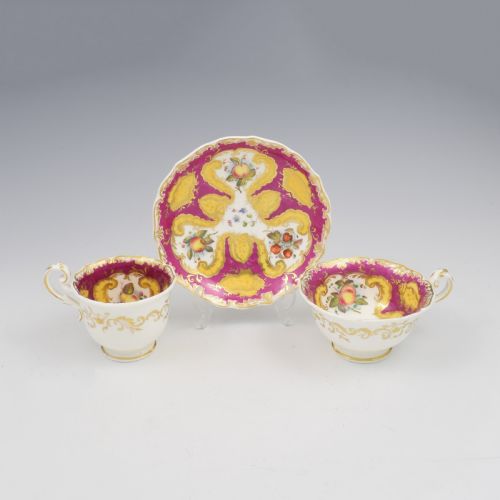
- Cabinet trio
- A matched set comprising a tea cup, coffee cup, and saucer designed for display rather than robust daily use.
- Gilding
- The application of gold leaf or powdered gold onto the porcelain surface to create decorative borders and highlights.
- Hard-paste porcelain
- A durable ceramic composition fired at very high temperatures, producing a dense and vitreous body.
- Imari
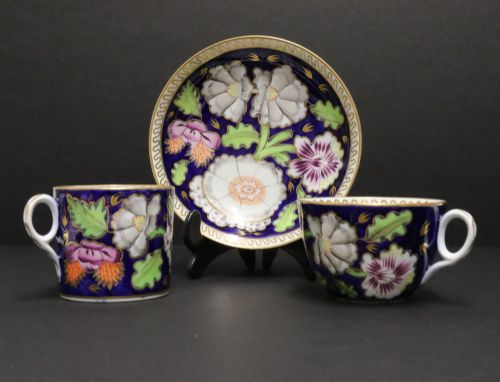
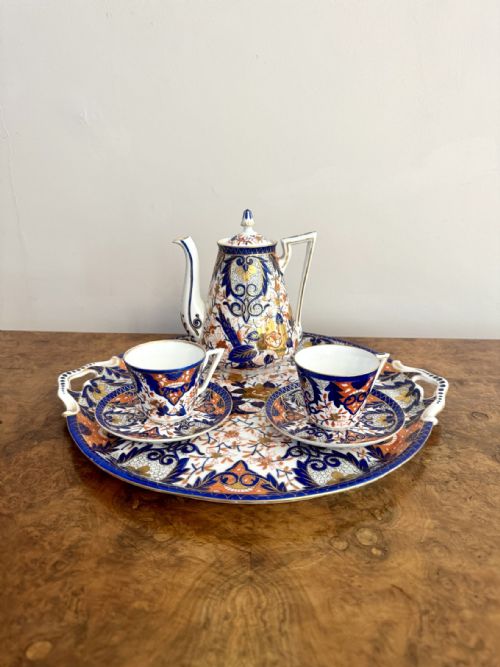
- A decorative style inspired by Japanese export wares, characterised by a palette of underglaze blue, iron red, and gold.
19th Century Tea Cup: Frequently Asked Questions
What is a tea and coffee cup trio?
A trio typically includes a tea cup, a matching coffee cup, and a single saucer designed to accommodate both drinking vessels.
These sets were popular in Regency and Georgian households where hosts served different hot beverages from the same decorative tea service.
How do I identify a Regency period cup?
Regency cups often feature distinct neoclassical shapes, crisp handle profiles, and refined hand-painted floral or classical motifs.
Examining the paste and the characteristic painting styles of factories operating during the early nineteenth century helps confirm the era.
Can I use antique tea cups daily?
While these pieces were originally created for functional use, centuries-old glazes and delicate gold leaf require careful handling.
Many collectors prefer to display cabinet trios or reserve them for occasional gentle use rather than regular daily routines.
What is Chinese export porcelain?
Chinese export porcelain refers to wares manufactured in China specifically for Western markets during the eighteenth and nineteenth centuries.
These pieces often blend traditional Eastern forms and motifs with European decorative preferences popular among period buyers.