
19th Century Standing Lamp
A 19th century standing lamp brings period weight and steady height into a room, joining standard lamps and tall occasional tables across diverse timber and metal iterations.
19th Century Standing Lamp
A 19th century standing lamp search covers a broad lineage of floor-standing illumination and tall auxiliary furniture, including standard lamps, floor lamps, and tall occasional or wine tables that served similar functional roles in period rooms. These pieces originate across the nineteenth century, spanning Regency, William IV, and Victorian eras alongside aesthetic movement and continental influences.
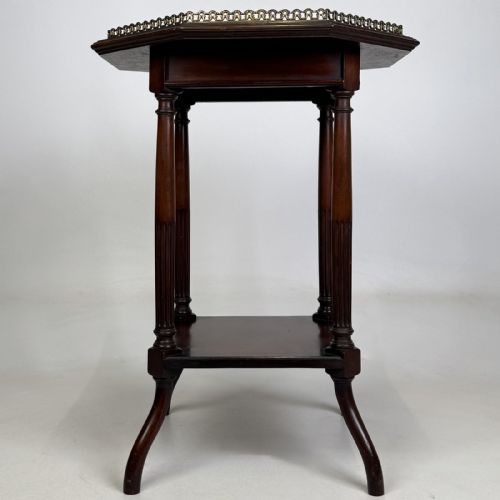
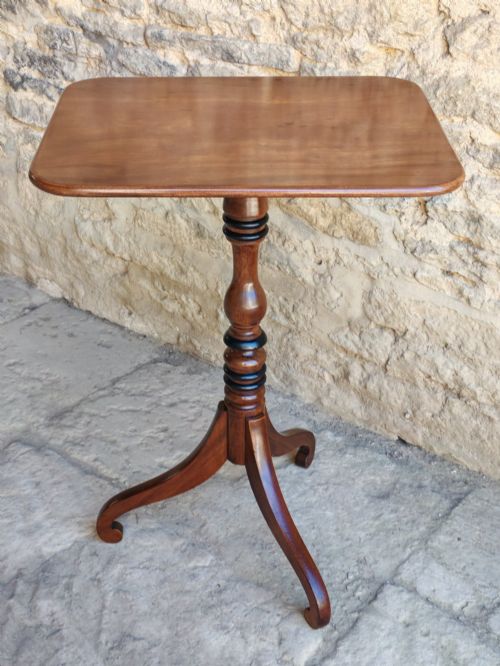
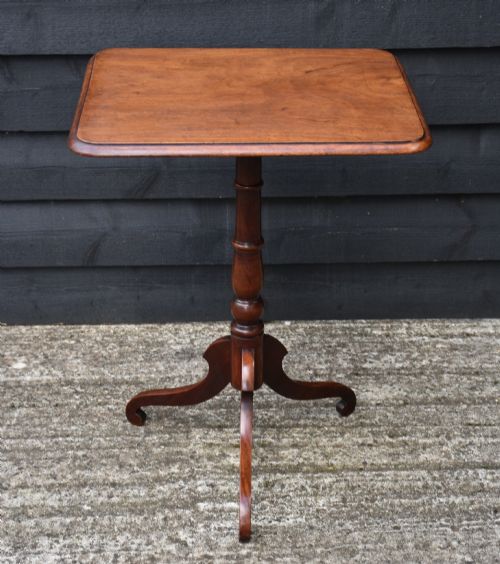
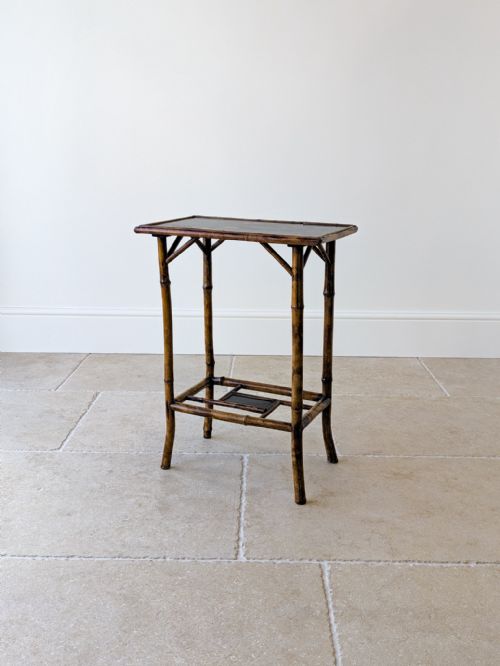
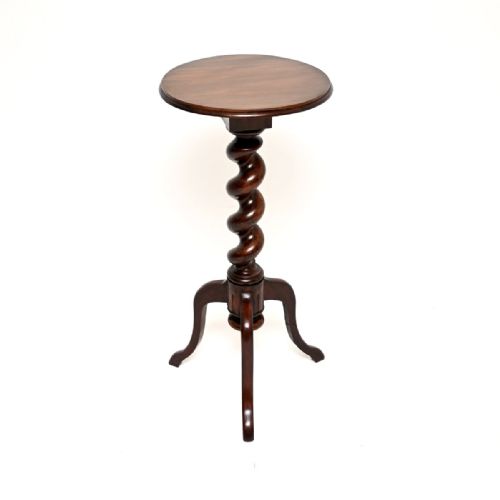
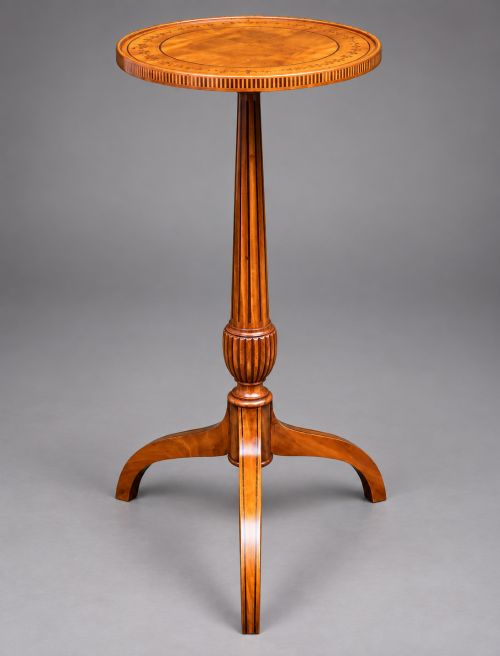
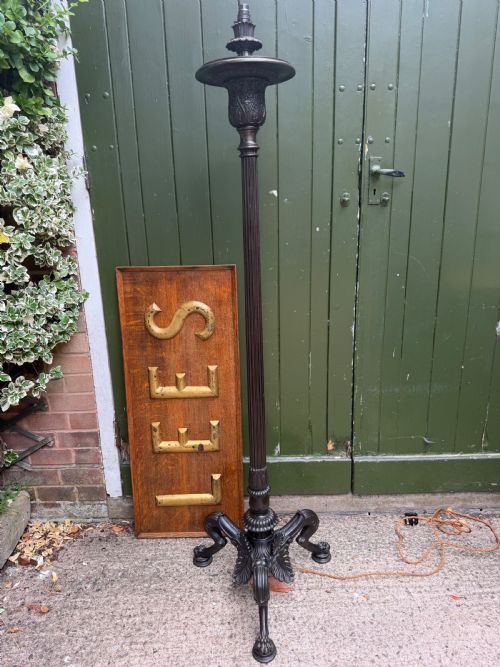
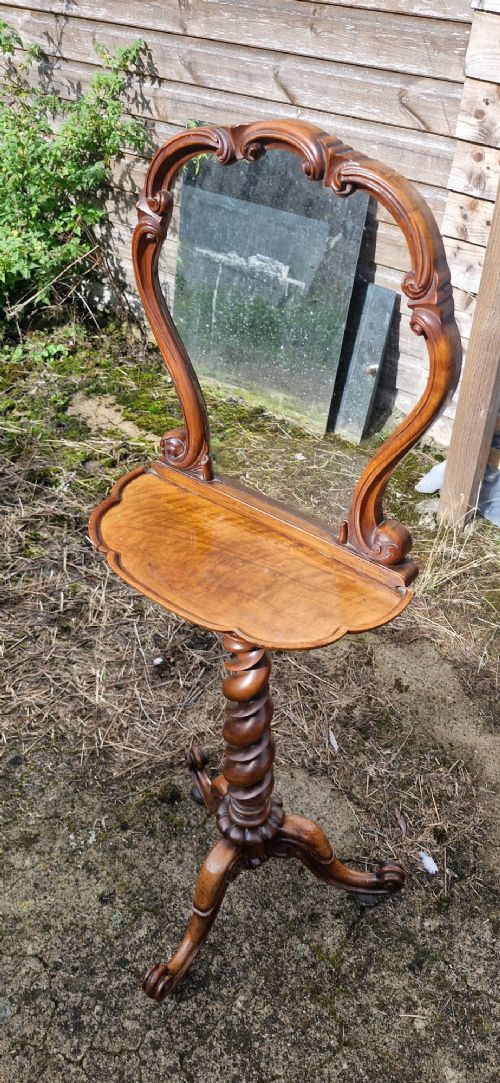
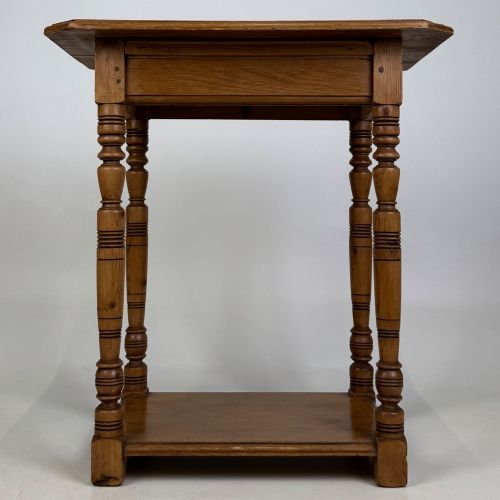
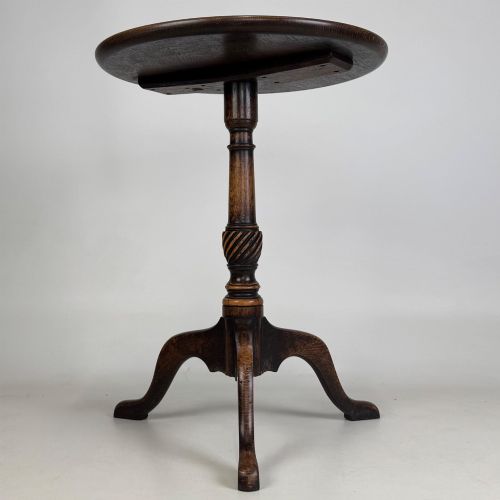
Buyers encounter a high proportion of tripod tables, wine tables, and occasional stands alongside standard lamps in bronze, cast-iron, and brass. The furniture forms often double as lamp bases or candle stands, merging heavy timber supports with raised surfaces designed for domestic utility.
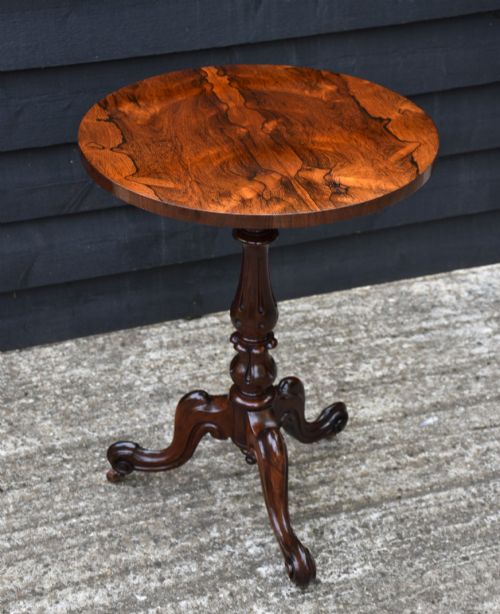
Regional and stylistic varieties appear frequently, from Swedish painted tripods and French giltwood to English mahogany and rosewood tripod tables. The selection ranges from compact side tables adapted for illumination to grand bronze floor-standing lamp bases.
How they were made
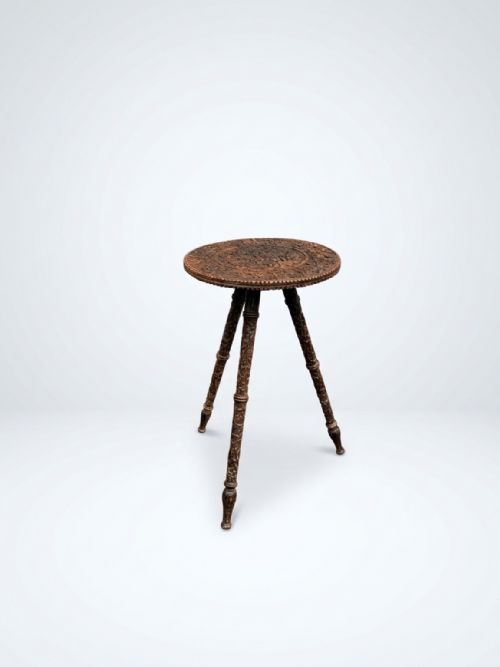
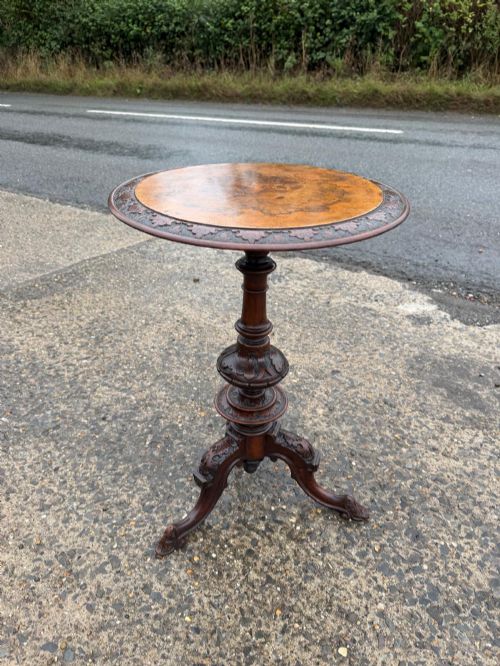
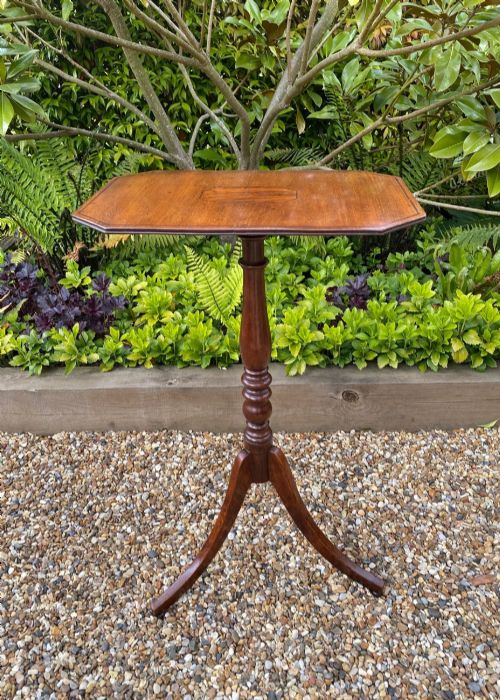
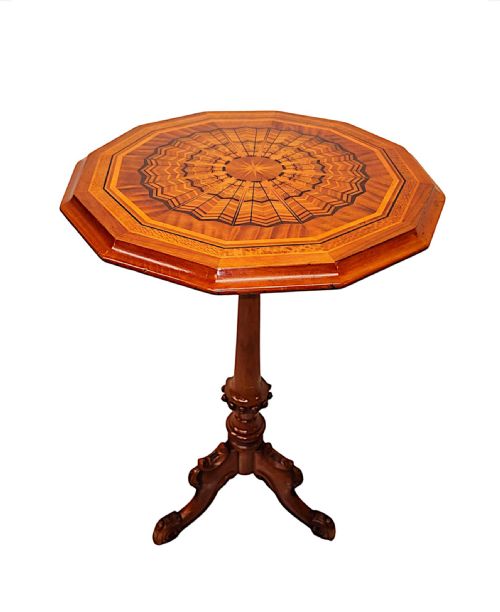
Cabinet makers utilised dense hardwoods including mahogany, rosewood, walnut, and oak for tables and stands, often employing tripod bases with turned columns and carved legs. Inlaying with satinwood, boxwood, and beadwork added linear definition to octagonal and round tops.
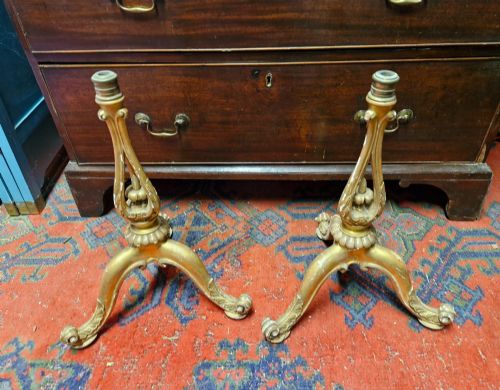
Metal standards relied on bronze patination, cast-iron, brass, and ormolu, casting classical Grecian or neo-Pompeian motifs into heavy floor-standing columns. Giltwood, painted finishes, bamboo, and glass elements further expanded the repertoire of materials used by nineteenth-century makers.
Listings feature woods such as mahogany, rosewood, walnut, oak, and bamboo alongside metals like bronze, brass, and wrought iron.
What varies in quality
The standard of timber selection and joinery marks the division between ordinary production and superior pieces, particularly in the grain matching of burr wood tops and the crispness of turned tripod pillars. Finer examples display meticulous brass stringing, intricate inlay, or substantial cast bronze work rather than lighter plated metals.
Proportion and structural stability dictate practical excellence, ensuring heavy tops or tall metal columns remain balanced on their tripod or pedestal feet without wobble or clumsy repairs.
Gillows·George Bullock·W. Turner Lord & Co·E.W Godwin
The 19th Century Standing Lamp Glossary
- Tripod table
- A small occasional table supported by a pillar above three legs. These pieces provide stable placement for lamps and decorative items on uneven floors.
- Wine table
- A compact table designed originally to hold a glass and bottle near a chair. They frequently double as lamp stands in modern settings.
- Ormolu
- Gilded bronze or brass mounted onto decorative objects and furniture. This technique adds metallic warmth and ornamental detail to nineteenth-century lighting and stands.
- Brass stringing
- Inlaid fine lines of brass set flush into the timber surface. It creates geometric or linear patterns on table tops and friezes.
- Standard lamp
- A tall floor-standing lamp designed to provide ambient room illumination. Nineteenth-century versions often utilise heavy bronze, iron, or timber columns.
19th Century Standing Lamp: Frequently Asked Questions
Where were these lamps and stands placed?
These pieces sat beside seating areas, in corners, or near reading desks to hold oil lamps, candles, or early electrical fittings. Their elevated surfaces brought light and convenience close to hands in large rooms.
Tall occasional tables and standard lamps adapted easily to changing domestic routines, moving between drawing rooms, libraries, and parlours throughout the nineteenth century.
How do I date a nineteenth-century lamp or table?
Dating relies on combining stylistic clues such as Regency brass stringing, William IV rosewood grain, or late Victorian bamboo and aesthetic movement forms. Construction methods, timber choices, and secondary woods inside drawers or underneath tops offer further chronological evidence.
Comparing turnings and decorative motifs against documented pieces from makers like Gillows or George Bullock helps narrow the period of manufacture.
Can these antique tables hold modern lamps?
Sturdy tripod and occasional tables readily support contemporary lamps, provided the base footprint matches the table surface area. Many original wine tables and side stands functioned historically as lamp bases or candle supports.
Heavier timber tops in mahogany or rosewood offer stable platforms, while metal standards require checking for balance and secure wiring channels if converted for electricity.
What is an occasional table?
An occasional table is a small, movable piece of furniture designed for specific, intermittent use around the home. In nineteenth-century interiors, these functioned as lamp stands, wine tables, or decorative display surfaces.
Their compact size allowed servants or residents to reposition them easily as lighting needs shifted during the evening.