
19th Century Sporting Canvas
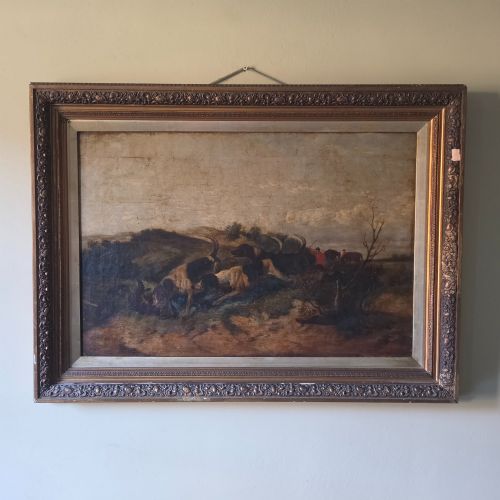
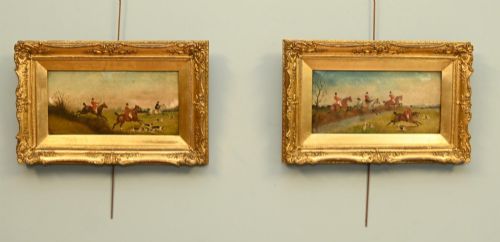
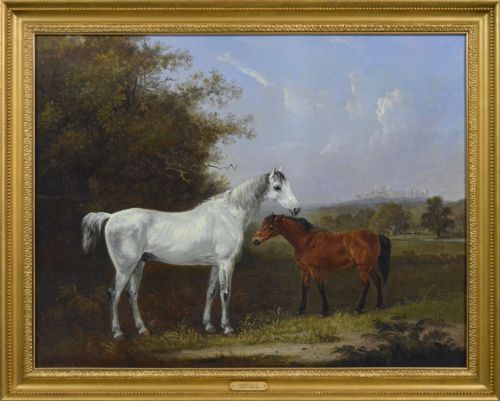
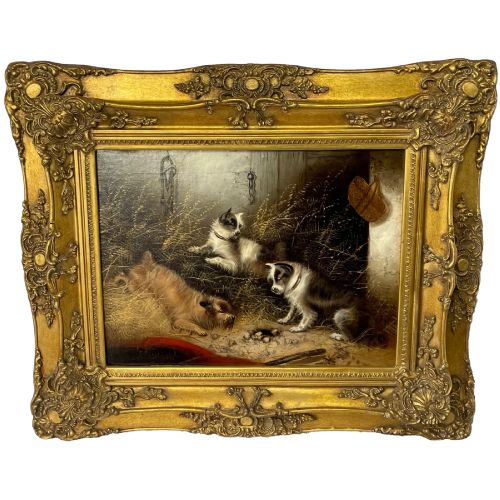
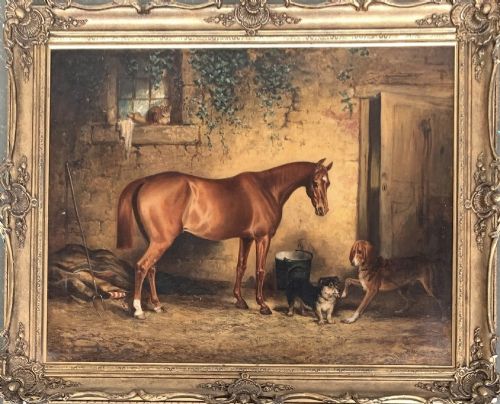
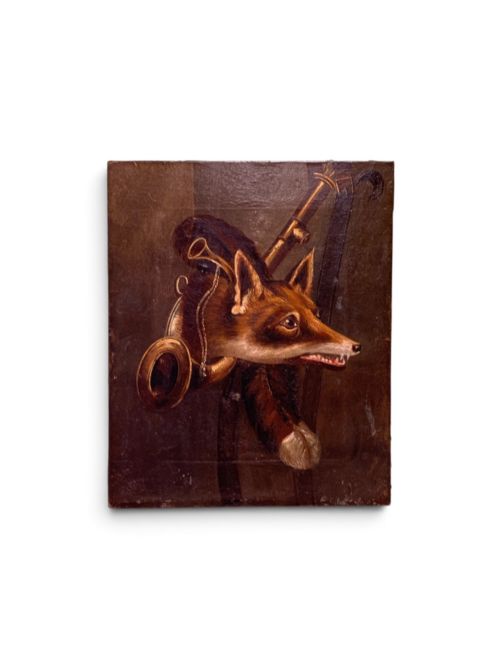
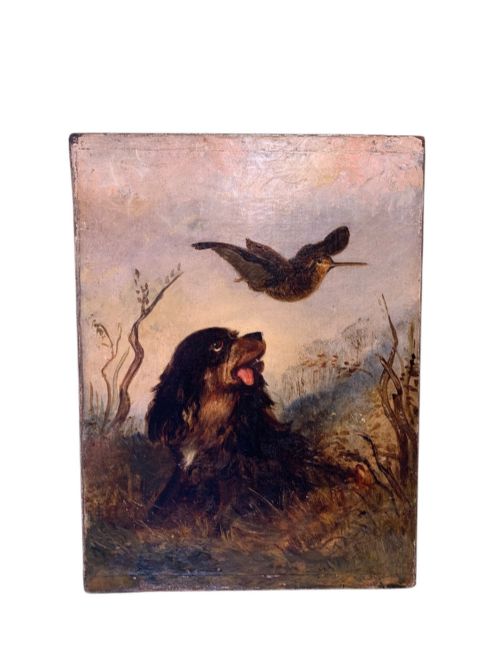
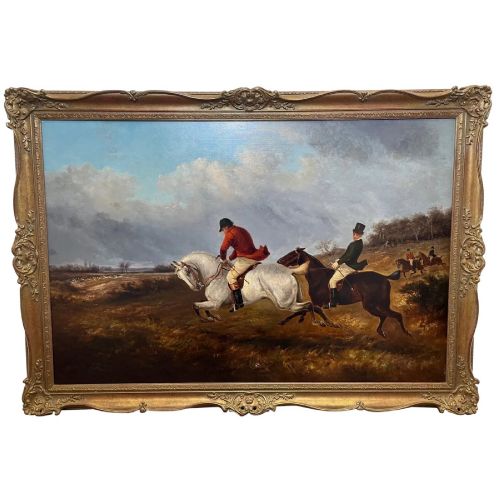
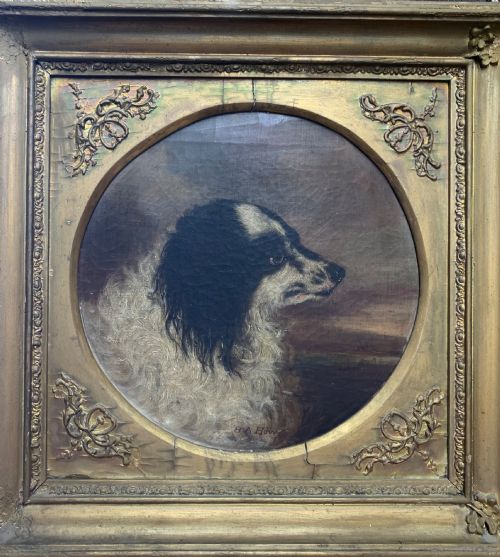
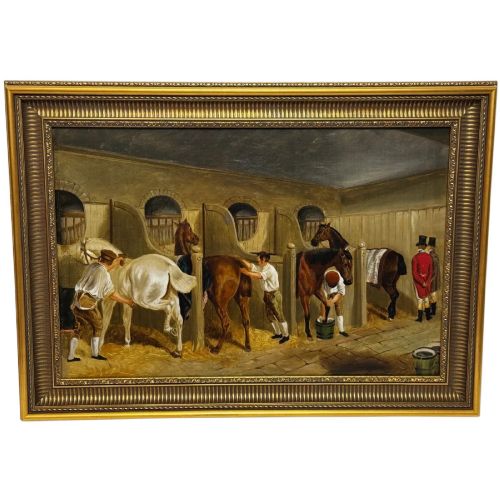
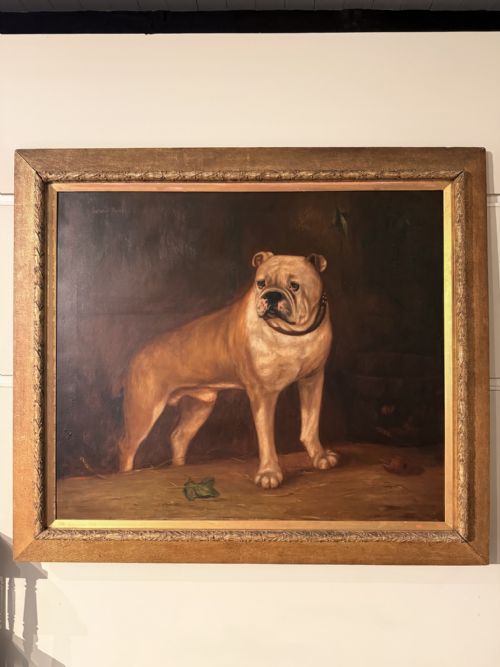
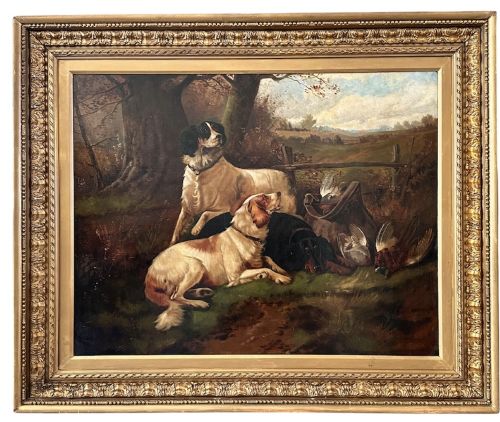
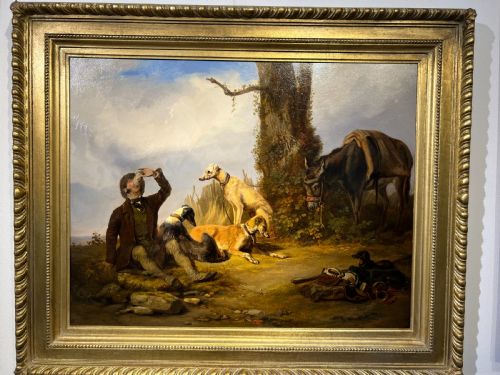
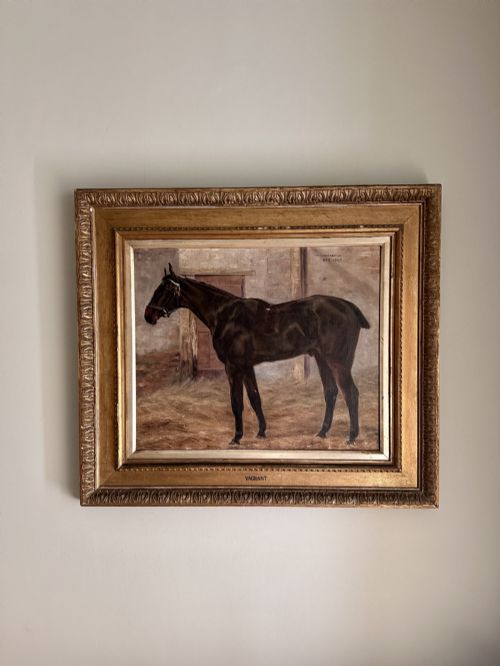
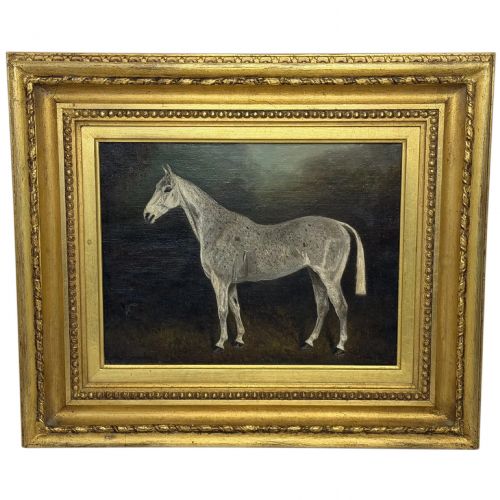
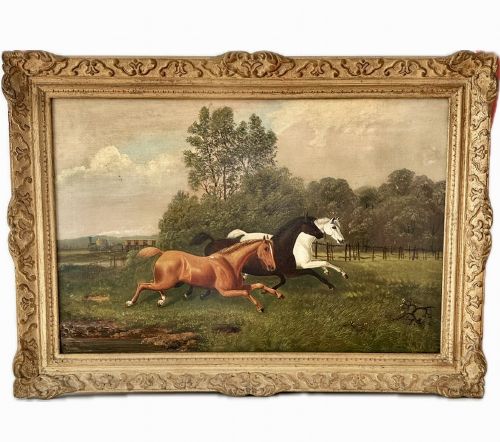
These 19th century sporting canvas works capture equestrian portraits and hunting dogs painted in oil during the Victorian era.
19th Century Sporting Canvas
A 19th century sporting canvas depicts horses, hounds, gun dogs and field sports across periods spanning the Victorian era and the nineteenth century. These oil paintings function as historical records of prize animals, hunts and rural pursuits set within British and Victorian landscapes.
Buyers encounter oil paintings on canvas depicting named racehorses, bay hunters, spaniels and setters alongside scenes of fox hunting and the hunt meet. The works originate from British schools and regional artists documenting estates, kennels and racecourses.
How They Were Made
Painters applied oil paint to stretched canvas using fine brushes to render the muscle tone of horses and the coats of spaniels and collies. Many of these works employ wood stretchers and are housed within original gilt wood, giltwood, or gesso frames enhanced with gold leaf.
Listings feature works executed in oil on canvas, housed in gilt wood, giltwood, and gesso frames.
What Varies in Quality
Quality depends on the anatomical precision of the animals, the rendering of light in the landscape and the individual hand of the artist. Master painters captured specific bone structures, textures of fur and expressions in gun dogs with anatomical accuracy.
Framing and original condition influence the visual impact of the piece, particularly where period giltwood and gesso frames remain intact around the canvas. The distinction between a studio production and a signed work by a recognised animal painter marks the upper tier.
Henry Barraud·Thomas Smythe·Sir Edwin Henry Landseer·John Emms·John Ferneley Senior·George Armfield·Colin Graeme Roe·John Frederick Herring Jnr
The 19th Century Sporting Canvas Glossary
- Gesso
- A plaster-like mixture applied to wood frames before gilding. This substance provides a smooth base for gold leaf application on antique picture frames.
- Oil on Canvas
- Pigments bound with drying oils applied to a woven fabric support. This combination forms the primary medium for nineteenth-century fine art paintings.
- Giltwood
- Wood carved and covered with a thin layer of gold leaf or gilt. These frames surround many Victorian sporting paintings.
- Equine Portrait
- A painting dedicated specifically to the likeness of a horse. These works often record named racehorses, hunters or stable favourites.
- Sporting Art
- Genre of art depicting field sports, hunting, horses and dogs. This category forms the core subject matter of nineteenth-century canine and equestrian paintings.
19th Century Sporting Canvas: Frequently Asked Questions
What subjects appear in these paintings?
The canvases show horses, racehorses, bay hunters, spaniels, setters, collies and hunting hounds in rural settings. Scenes also include fox hunting meets, gun dogs with game, and stable interiors.
Artists recorded specific animals belonging to estates and owners, capturing both individual portraits and narrative hunt scenes.
How do I identify the period?
Dating relies on costume in human figures, architectural details in the background landscape, stretcher construction, and canvas types. Signatures, dates inscribed on the canvas or frame, and artist biographical records also establish the timeline.
Victorian and nineteenth-century works frequently display specific brushwork conventions and framing styles characteristic of the era.
Where should I hang a sporting canvas?
These works suit libraries, studies, dining rooms and hallways where traditional interiors complement oil paintings. Position the canvas away from direct sunlight and heat sources to protect the oil paint and canvas.
Ensure the wall can support the weight of the canvas and its heavy giltwood or gesso frame.
Who painted these works?
Paintings originate from nineteenth-century British artists, including specialist animal painters and members of the British School. Many pieces bear signatures or attributions to named painters of horses and dogs.
Some canvases remain attributed to specific schools or followers of prominent equestrian and sporting artists.