


19th Century Silver Electroplate
These robust 19th century silver electroplate pieces bring the brilliant shine of solid silver to your table without the heavy cost.

19th Century Silver Electroplate
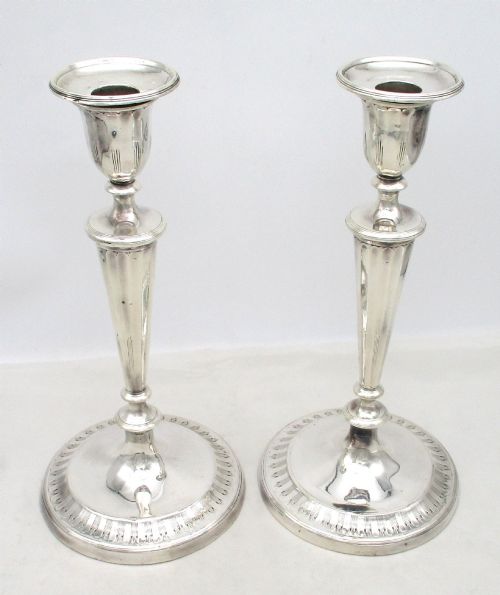
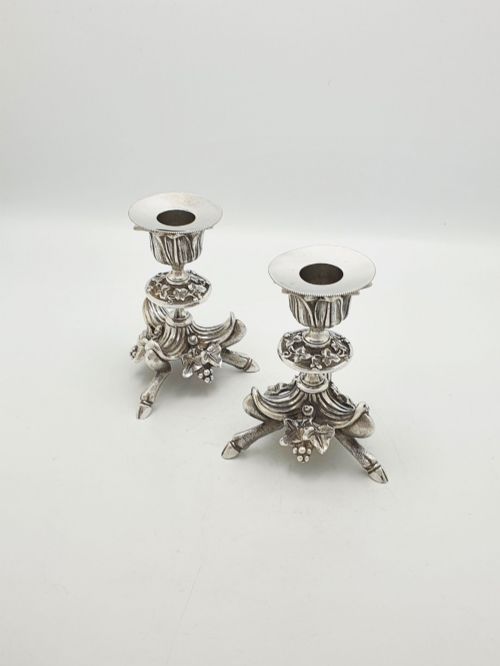
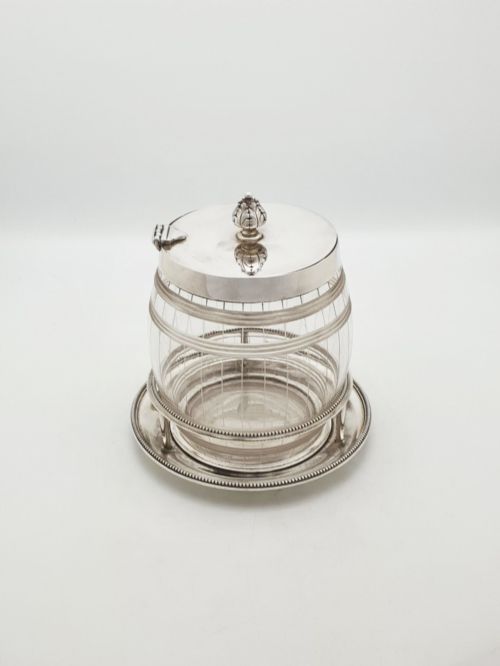
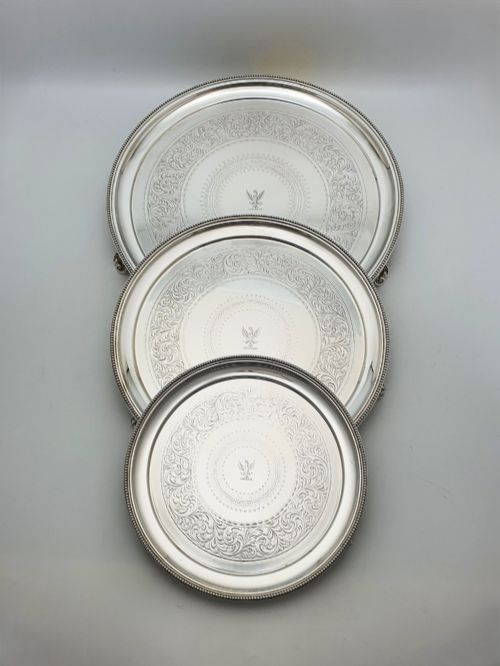
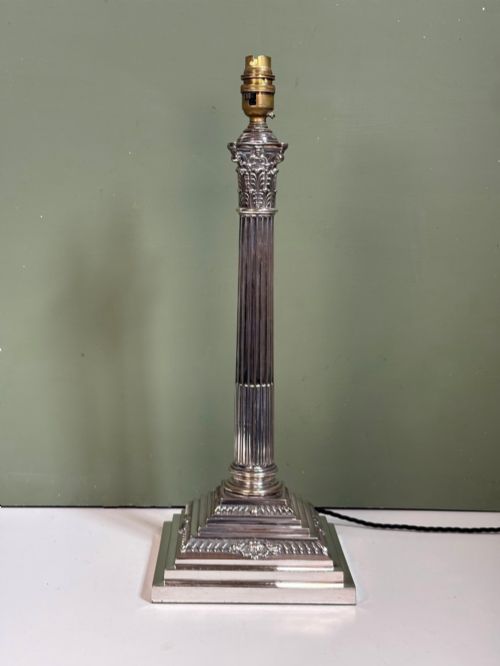
When you search for 19th century silver electroplate, you are looking at domestic tablewares and lighting created after the industrialisation of silver plating in the mid nineteenth century. These objects cover a wide functional range, including candlesticks, biscuit barrels, salvers, and table lamps.
You are most likely to meet Victorian pieces dating from the eighteen fifties to the eighteen eighties on this page. These items often display neoclassical revival styling, bringing classical architectural motifs into everyday dining rooms.
The selection ranges from large decorative items like wine flagons and five light candelabra to smaller serving vessels such as gravy boats and spoon warmers. Base metals beneath the plating include brass, copper, and electroplated nickel silver.
Standards of craftsmanship
Quality in these pieces rests upon the thickness of the applied silver and the crispness of the chased or engraved decoration. Thicker plating resists rubbing through to the darker base metal beneath during decades of polishing and use.
The weight of the underlying metal and the stability of soldered joints distinguish superior production from simpler wares. Master firms invested greater labour in hand chasing details and ensuring that hinges on items like biscuit boxes operated smoothly.
One exceptional maker produced a silver plated biscuit barrel shaped like a giant drum, ready to roll out the snacks.
Elkington and Co·Padley Parkin and Staniforth·Harrison Brothers and Howson·Fenton Russel·James Dixon·Palmer and Co·Thomas Harwood and Co
The 19th Century Silver Electroplate Glossary
- Electroplate
- A metal object coated with a thin layer of silver through an electrolytic process. This method transformed the domestic market after its commercial introduction.
- Salver
- A serving tray, usually circular and raised on feet, used for presenting drinks or letters. Victorian examples often feature heavily engraved central medallions.
- Spoon warmer
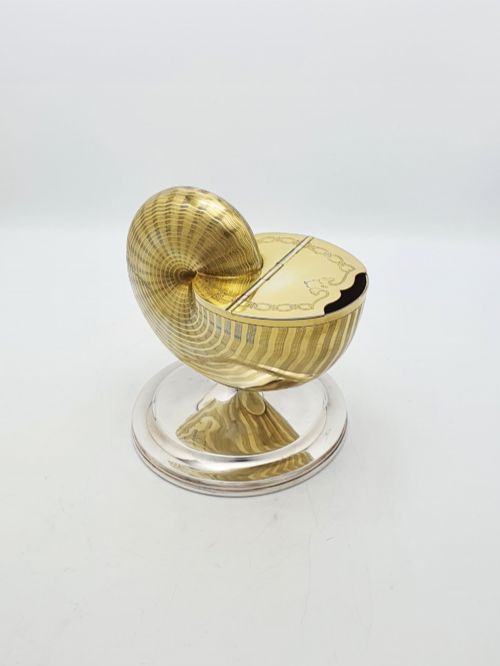
- A vessel designed to hold hot water and warm table spoons before they served hot food. These appear in various decorative forms including novelty shapes.
- Candelabra
- A branched candlestick holding multiple lights on a single stem. Larger nineteenth century examples often dismantle for cleaning.
- Base metal
- The underlying alloy, such as brass or nickel silver, that supports the exterior plating. The durability of the object depends partly on this core material.
19th Century Silver Electroplate: Frequently Asked Questions
How do I clean silver plate?
Use a soft cloth and a specialised cream formulated for silver plate. Avoid harsh abrasive dips that can strip the thin metallic layer.
Gentle regular polishing preserves the finish without wearing down the high points of the engraving.
What is nickel silver?
Nickel silver is an alloy of copper, nickel, and zinc containing no actual silver. It served as a strong, silvery white base for electroplating.
When the outer silver layer wears thin, this pale metal becomes visible underneath.
How were biscuit barrels used?
Victorian households used biscuit barrels to store dry sweet biscuits in the dining room or drawing room. They usually feature a fitted lid and often incorporate cut glass.
Servants brought them out for afternoon tea or evening gatherings.
Are these items marked?
Many pieces carry maker marks, patent stamps, or symbols indicating the plating method used. These marks help identify the workshop and approximate date.
Unmarked items still find attribution through their distinct styling and construction methods.